
How to get rid of back acne without punishing your skin
Back acne is usually the same clogged-follicle acne process on harder-to-reach skin. Here is the calm routine that helps clear it without scrubbing your back into a problem.
On this page
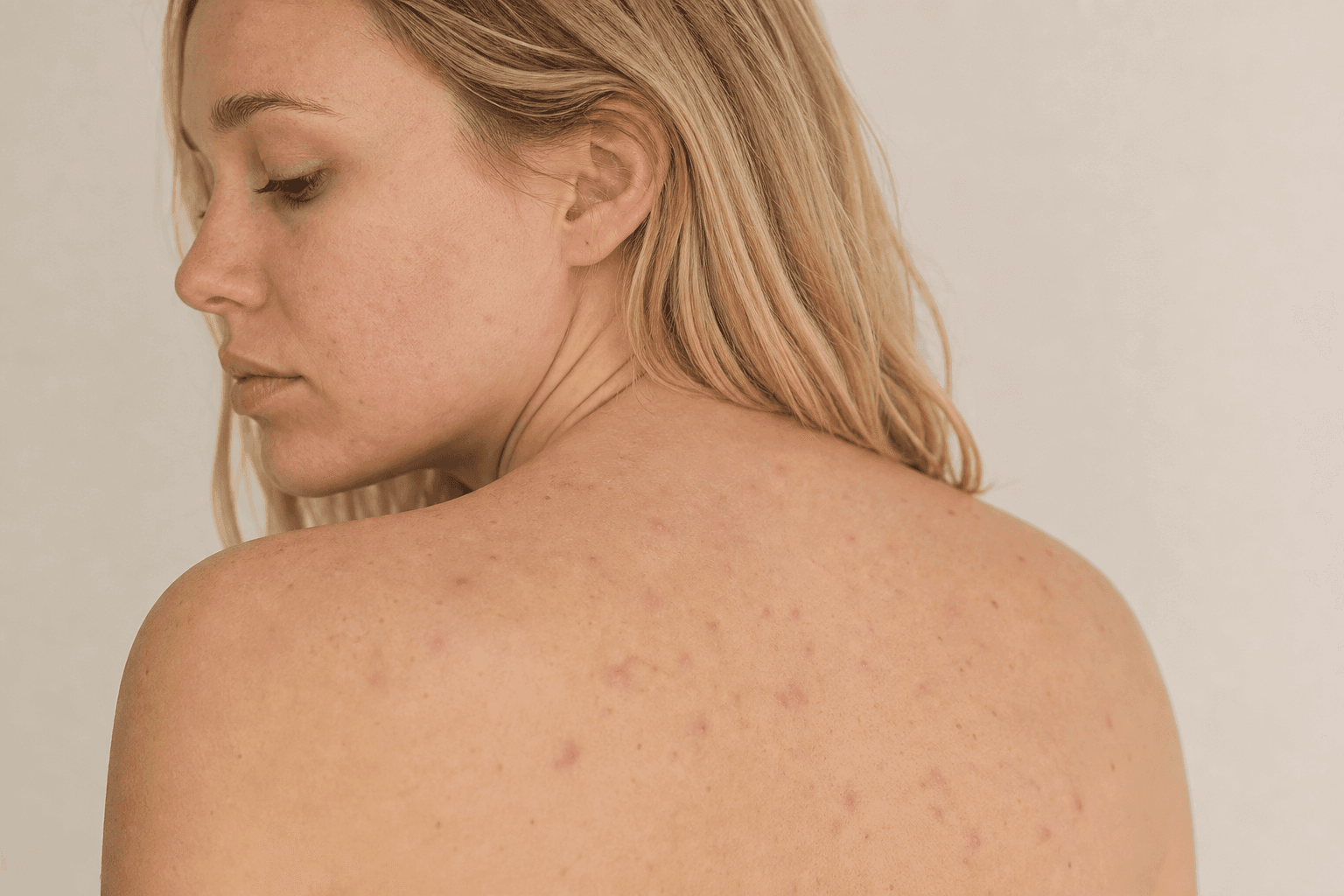
Back acne is rude in a very specific way.
You cannot see it properly. You can feel it when your shirt rubs. You notice it when you shower. Then summer arrives, or a wedding, or a gym changing room with lighting designed by someone who clearly had no emotional empathy.
When I struggled with acne, the spots were only part of the frustration. The harder feeling was that my skin had become a project I could never quite finish. Back acne gives many people the same feeling, except now the project is behind you. Literally.
After helping more than 100,000 people with problem skin, I have seen one back-acne pattern again and again: when acne appears somewhere hard to reach, people tend to use more force. Rough towels. Scrubbing brushes. Harsh body washes. Emergency exfoliation with the confidence of a person about to make things worse.
The better plan is much less exciting, which is exactly the point.
The short answer
To get rid of back acne, treat it like acne, not like dirt.
Back acne is usually part of truncal acne, which means acne on the trunk: back, shoulders, and chest. It is the same basic clogged-follicle process that can happen on the face, but the back has its own practical problems. It is harder to reach, often sweaty, often covered by clothing, and often exposed to hair products, body products, friction, and delayed showering.
So the starting routine is simple:
- Shower after sweating.
- Cleanse the back gently, especially after shampoo and conditioner have rinsed down.
- Use salicylic acid on reachable breakout-prone areas 2 to 4 nights per week.
- Avoid heavy oils, greasy body creams, and hair products sitting on the upper back.
- Give it 8 to 12 weeks.
- See a dermatologist sooner if the acne is deep, painful, widespread, or scarring.
That last point matters. Back acne can scar, and the back is a big surface area. Sometimes the most sensible skincare advice is not "buy one more product". It is "please let a dermatologist help before this becomes a long-term mark-making situation."
Why back acne happens
Acne is not caused by being dirty. The back does not need to be punished for having pores.
A 2012 acne study[1] describes acne as a disorder of the pilosebaceous unit: the tiny hair follicle plus oil gland. Four things usually stack together:
- Sebum increases. Oil production rises, often under hormonal influence.
- Dead skin cells get sticky. They do not shed cleanly inside the follicle.
- The follicle clogs. That gives you blackheads, whiteheads, and bumpy texture.
- Inflammation joins in. That is the redness, tenderness, swelling, and painful spots.
The back is a common place for this because it has oil glands and follicles, like the face. But the back also adds annoying real-life triggers:
- Sweat drying under clothing.
- Tight gym shirts, sports bras, backpacks, or work uniforms rubbing the same area.
- Conditioner, hair oil, or styling cream rinsing down and sitting on the upper back.
- Heavy body lotions, massage oils, or comedogenic sunscreens.
- Waiting hours after a workout before showering.
- Scrubbing because the skin feels "unclean", which creates more irritation.
None of this means you caused it by being lazy. It means the back is a perfect little logistics problem: oil, follicles, sweat, friction, and hard-to-reach skin.
Very considerate of the human body. Thank you, biology.
Is back acne different from face acne?
Yes and no.
The acne process is similar. The treatment principles are also similar: gentle cleansing, unclogging the follicle, reducing inflammation, supporting the barrier, and being consistent.
But back acne has three differences that matter in real life.
First, the back is a larger area. Treating your entire back like you would treat one chin spot can become irritating, expensive, and hard to maintain.
Second, the back is harder to apply products to evenly. If a routine requires acrobatics, it is probably not a routine you will keep for 12 weeks.
Third, people often under-report back acne. A 2021 expert panel on truncal acne[2] notes that truncal acne is common, includes the shoulders, chest, and back, and may be undertreated partly because people do not always bring it up in consultations.
So if you have back acne, mention it directly to a dermatologist or doctor. Do not assume they will know how much it bothers you because it is technically behind you.
First, make sure it is actually acne
Not every bump on the back is acne.
Back acne usually includes a mix of clogged pores, blackheads, whiteheads, red bumps, pustules, and sometimes deeper painful nodules.
Folliculitis often looks like many similar small bumps or pustules around hair follicles. It can be bacterial, yeast-related, or friction-related, and it may itch more than classic acne.
Keratosis pilaris tends to feel like rough, tiny plugs, often on the upper arms and sometimes shoulders or back. It is usually more "sandpapery" than inflamed.
Heat rash can appear after sweating and overheating, often with prickly discomfort.
If the bumps are very itchy, all look exactly the same, spread quickly, or get worse with typical acne care, pause and get the diagnosis checked. The fungal acne guide explains one common acne lookalike where stronger acne products can miss the point.
The back acne routine that actually makes sense
The routine should be easy enough to repeat when you are tired.
Not perfect. Repeatable.
In the shower
Cleanse the back after shampoo and conditioner.
This tiny timing detail matters. Conditioner is lovely for hair. It is not always lovely when it sits as a silky film on acne-prone upper back skin.
Use a gentle cleanser or body wash. You do not need gritty scrubs, stiff brushes, or the kind of exfoliating glove that looks like it was designed for outdoor furniture.
If you exercise, shower as soon as reasonably possible after sweating. If you cannot shower right away, change out of sweaty clothing quickly. The workout breakouts guide covers the same sweat, friction, and clothing logic for the face and body. A clean dry shirt is not a full skincare routine, but it is a very useful small habit.
After showering
Pat dry. Do not saw at your back with a towel.
If you can reach the acne-prone area, apply a thin layer of a 2% leave-on salicylic acid product 2 nights per week to start. If your skin handles it well, build to 3 or 4 nights per week.
Salicylic acid makes sense for back acne because it is oil-soluble and helps loosen clogged material inside oily follicles. A 2023 exploratory truncal-acne study[3] found that a daily cleansing gel containing 2% salicylic acid, zinc gluconate, and LHA improved mild to moderate truncal acne over 84 days. It was not the same as every salicylic acid product, and it was an open-label study, so let us not turn it into a miracle banner. But it supports the practical point: steady, tolerated follicle-focused care can help back acne over weeks.
If your back feels dry or tight, moisturise with a light, non-greasy product. Dry, irritated back skin is not a sign the routine is "working harder". It is a sign your barrier is complaining.
In the morning
Wear breathable clothing when possible. If your back acne is on exposed shoulders or upper back, use sunscreen when that skin sees daylight.
And if sunscreen seems to worsen your back acne, do not skip sun protection entirely. Try a lighter texture, shower it off properly at the end of the day, and avoid layering heavy body oils underneath.
What to stop doing
Back acne mistakes are predictable because frustration makes everyone creative in the worst way.
- Stop scrubbing. Acne is inside the follicle. Sanding the surface adds irritation.
- Stop using harsh alcohol-heavy body sprays. Dry and tight is not the same as clear.
- Stop letting conditioner sit on the upper back. Rinse hair forward or cleanse the back last.
- Stop wearing the same sweaty gym shirt home for three hours. I say this with love and also with laundry realism.
- Stop picking bumps you cannot see properly. Blind squeezing is inflammation with confidence.
- Stop changing products every week. Back acne often needs 8 to 12 weeks of boring consistency.
The back is not asking for a more dramatic routine. It is asking for fewer avoidable triggers and a treatment plan you can actually repeat.
When salicylic acid may be enough
A calm over-the-counter routine may be enough when back acne is mostly:
- Small clogged bumps.
- Blackheads.
- Whiteheads.
- Mild red pimples.
- Breakouts linked to sweat, friction, or heavy products.
- Not painful, cystic, widespread, or scarring.
In that situation, give the routine a real trial. Not three showers. Not "I used the product once and then forgot because backs are inconvenient." A real 8 to 12 weeks.
Niacinamide can also be useful in acne-prone routines because it supports the skin barrier and may help with oiliness; a 2006 controlled study[5] found 2% niacinamide reduced facial sebum. The back is not the face, so keep the claim humble. But the general idea still fits: calmer, less irritated skin usually behaves better than stripped skin.
When you need a dermatologist
See a dermatologist sooner if your back acne is:
- Deep, painful, or cyst-like.
- Widespread across the back, shoulders, and chest.
- Leaving scars or dark marks.
- Not improving after 12 weeks of consistent care.
- Flaring suddenly or severely.
- Affecting your confidence enough that you avoid normal life.
That last one counts. You do not have to wait until acne is medically dramatic before it is worth taking seriously.
The 2016 acne guidelines[4] include prescription options such as topical retinoids, benzoyl peroxide combinations, oral antibiotics in appropriate combinations and time frames, hormonal options for some patients, and isotretinoin for severe cases. Back acne can be stubborn because of the larger surface area and scarring risk, so prescription care is not a failure. It is a stronger tool.
Please do not try to out-scrub cystic back acne. The cyst will win. The towel will not write you a thank-you note.
The 12-week back acne plan
Weeks 1 to 2
Start with habits before intensity.
Shower after sweating. Cleanse the back last. Change sweaty clothing quickly. Stop heavy oils and greasy body products on the upper back. If back acne appeared after new gym shakes or mass gainers, test whey protein as one possible trigger. Use salicylic acid 2 nights per week on reachable areas.
If your skin stings, burns, flakes, or gets tight, reduce frequency. Irritation is not proof of commitment.
Weeks 3 to 6
Increase salicylic acid to 3 nights per week if your skin tolerates it.
Keep everything else boring. No new scrub. No mystery body spray. No heroic "full reset" because you saw three bumps after a workout.
Weeks 7 to 12
Look for fewer new bumps, softer texture, and less inflammation.
Back acne does not always disappear evenly. Some areas calm first. Some marks remain after the active bumps settle. That is normal and very annoying, which is a common combination in skincare.
If you still have deep painful bumps, new scarring, or widespread inflammation, book the appointment. At that point, the goal is not to prove you can solve everything with over-the-counter care. The goal is clearer skin with less damage.
What about back acne marks?
Back acne often leaves red, brown, or purple-looking marks after the bumps calm down.
These are not always scars. Many are post-inflammatory marks, which means the skin is still carrying the memory of inflammation. They fade slowly. Picking, friction, and UV exposure can make them linger longer.
The boring mark plan is:
- Prevent new inflamed bumps.
- Do not pick.
- Avoid rubbing the same area with tight clothing or backpacks.
- Use sunscreen on exposed shoulders and upper back.
- Give pigment time.
True indented or raised scars need professional options. Creams can support skin quality, but they cannot erase established texture scars like Photoshop. Skin, annoyingly, does not come with a clone stamp tool.
The bottom line
Back acne usually clears best when you stop treating it like a hygiene failure and start treating it like acne in a difficult location.
Cleanse gently. Shower after sweat. Rinse hair products away. Use salicylic acid consistently if the acne is mild enough for topical care. Avoid friction and heavy residue. Give it 8 to 12 weeks.
And if the acne is deep, painful, widespread, or scarring, do not spend another season attacking your back with a scrub brush. Get the right help earlier. Calm skin is the goal, not a heroic bathroom routine.
People also ask
What causes back acne?
Back acne is usually caused by the same acne process as facial acne: oil, sticky dead skin cells, clogged follicles, bacteria, and inflammation. Sweat, tight clothing, hair products, heavy body products, and delayed showering can make the back more prone to blocked follicles.
How long does back acne take to clear?
Mild back acne often needs 8 to 12 weeks of consistent care before it looks clearly calmer. Deeper, widespread, painful, or scarring back acne may need prescription treatment, so do not wait forever if the pattern is severe.
Should I scrub back acne?
No. Scrubbing can tear inflamed follicles, increase redness, and leave more post-acne marks. Use a gentle cleanser, treat clogged areas consistently, and let the skin calm down instead of trying to sand the acne away.
When should I see a dermatologist for back acne?
See a dermatologist if the bumps are deep, painful, cyst-like, widespread, leaving scars, or not improving after about 12 weeks of consistent topical care. The back is a large area, and prescription options can be the right tool.
A calmer routine when acne shows up on your back
Back acne is one of those problems that makes people want to scrub harder because they cannot see it properly. In my experience, the better starting point is simpler: cleanse without stripping, use salicylic acid consistently on reachable clogged areas, support the barrier, and give the routine enough weeks to work. The Danish Skin Care Kit is the same routine-first idea I would use for acne-prone skin before adding more products or escalating to a dermatologist when the pattern is deep, painful, or scarring.

A simple starting system for acne-prone skin when back acne also comes with face breakouts, clogged pores, oil, and routine confusion. Use the same calm logic: gentle cleanse, salicylic acid, barrier support, and consistency.
Full transparency: Danish Skin Care is my own company — I formulated these products and earn from every sale. That's exactly why I only recommend them where they genuinely fit the guide you just read.
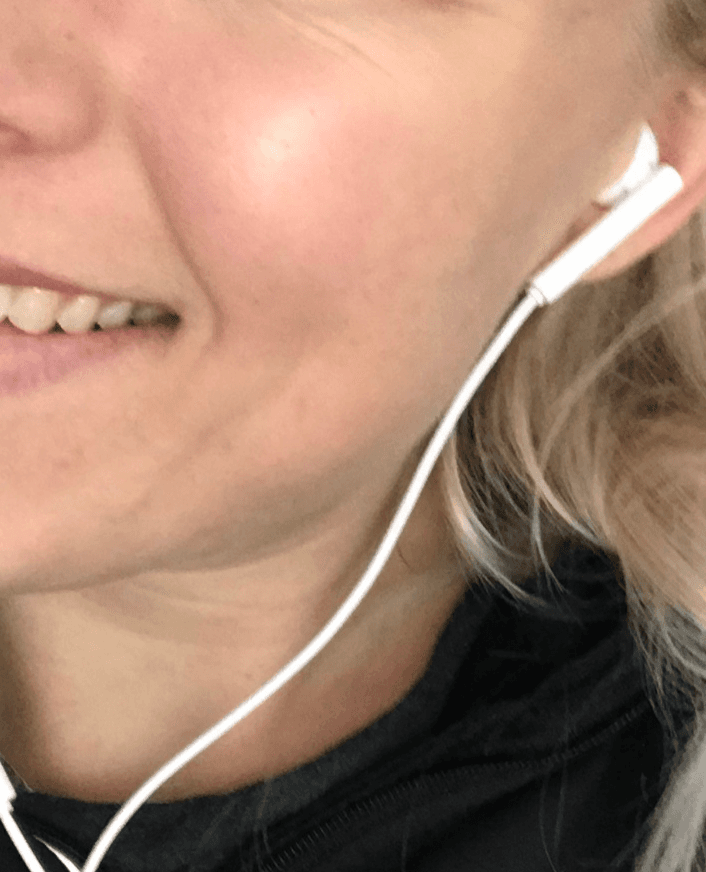
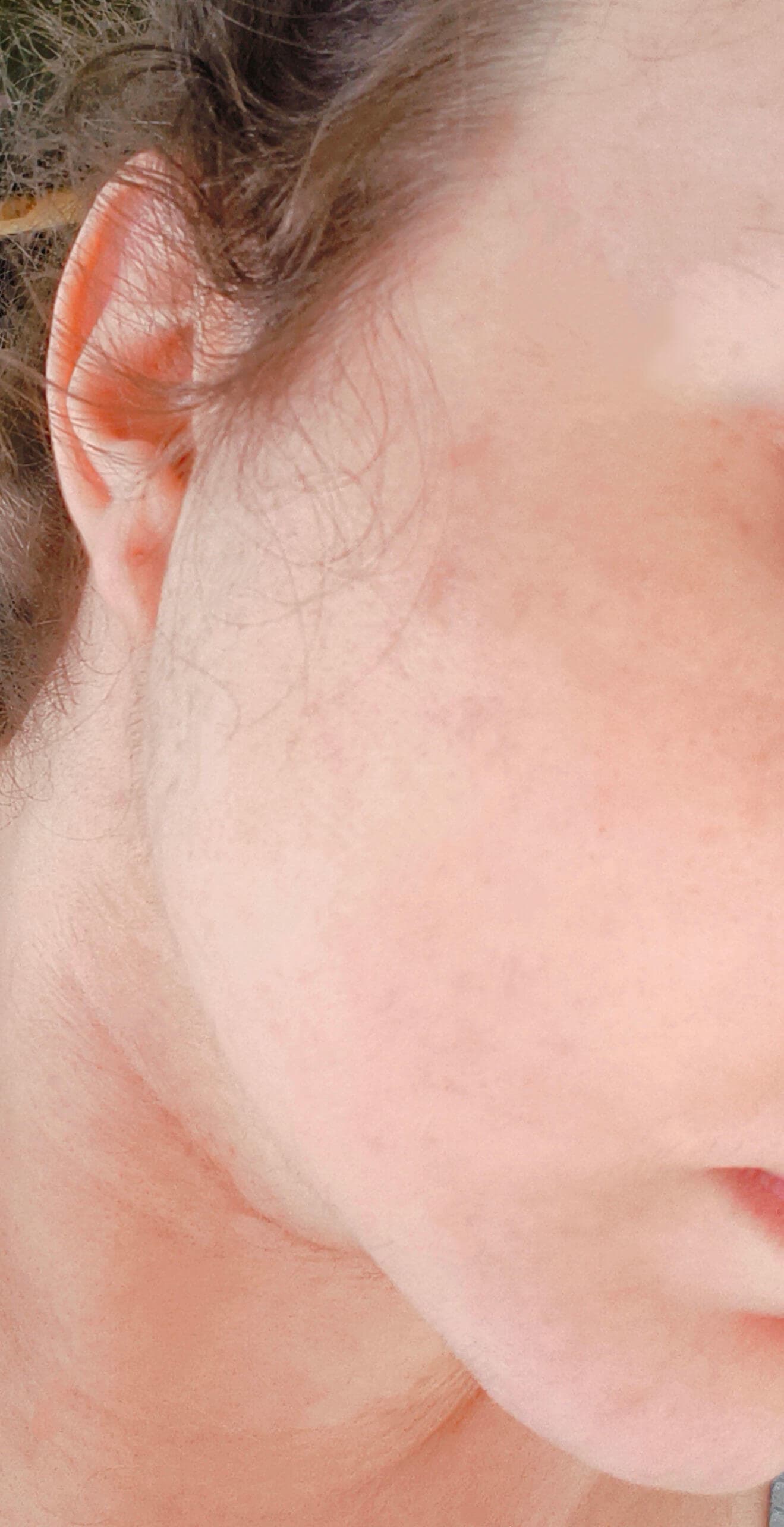
Real results from simple routines
A few real before-and-after cases from people using Danish Skin Care for skin concerns related to this guide. No filters, no miracle promise. Consistent skincare over time.
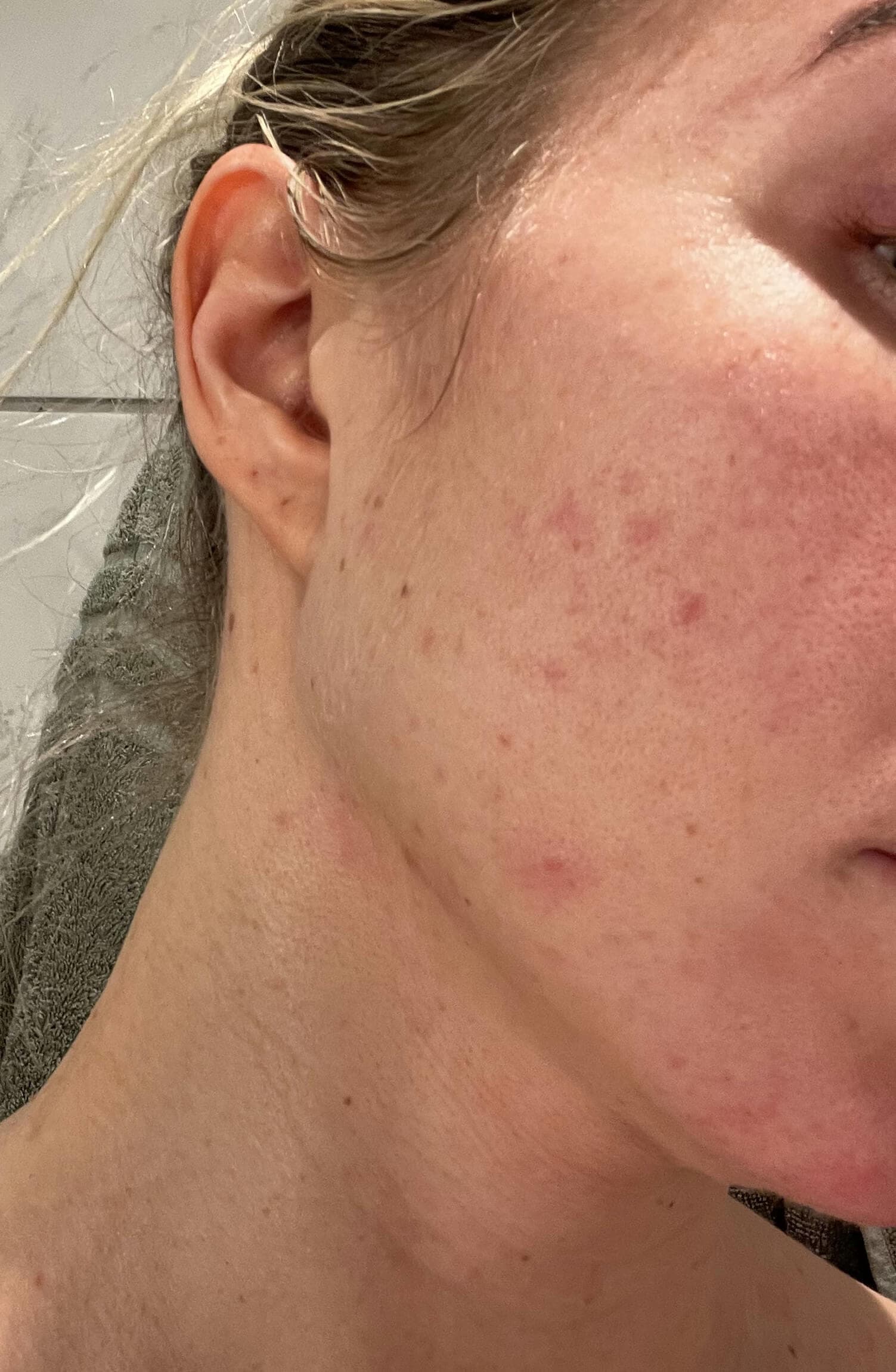 Before
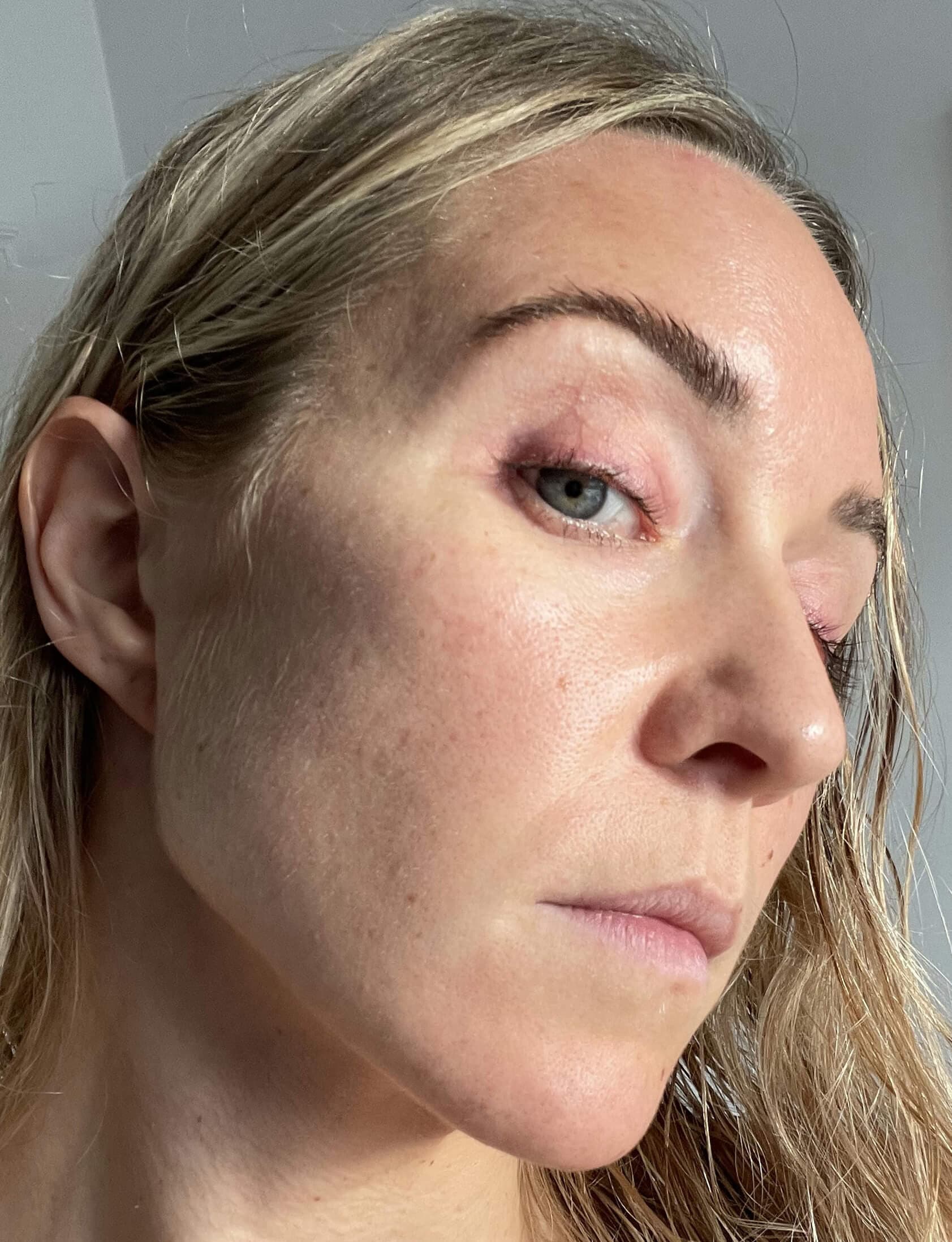 After
After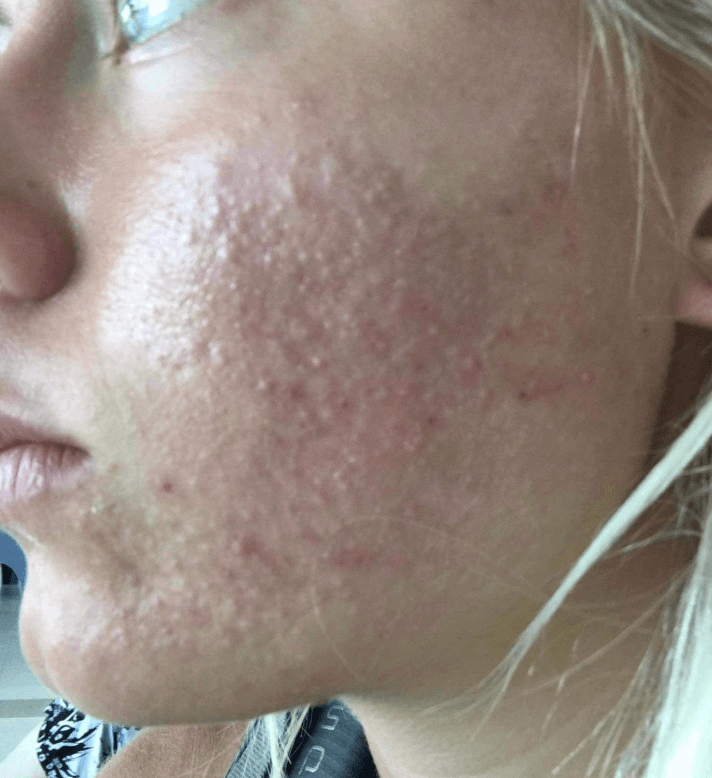 Before
 After
After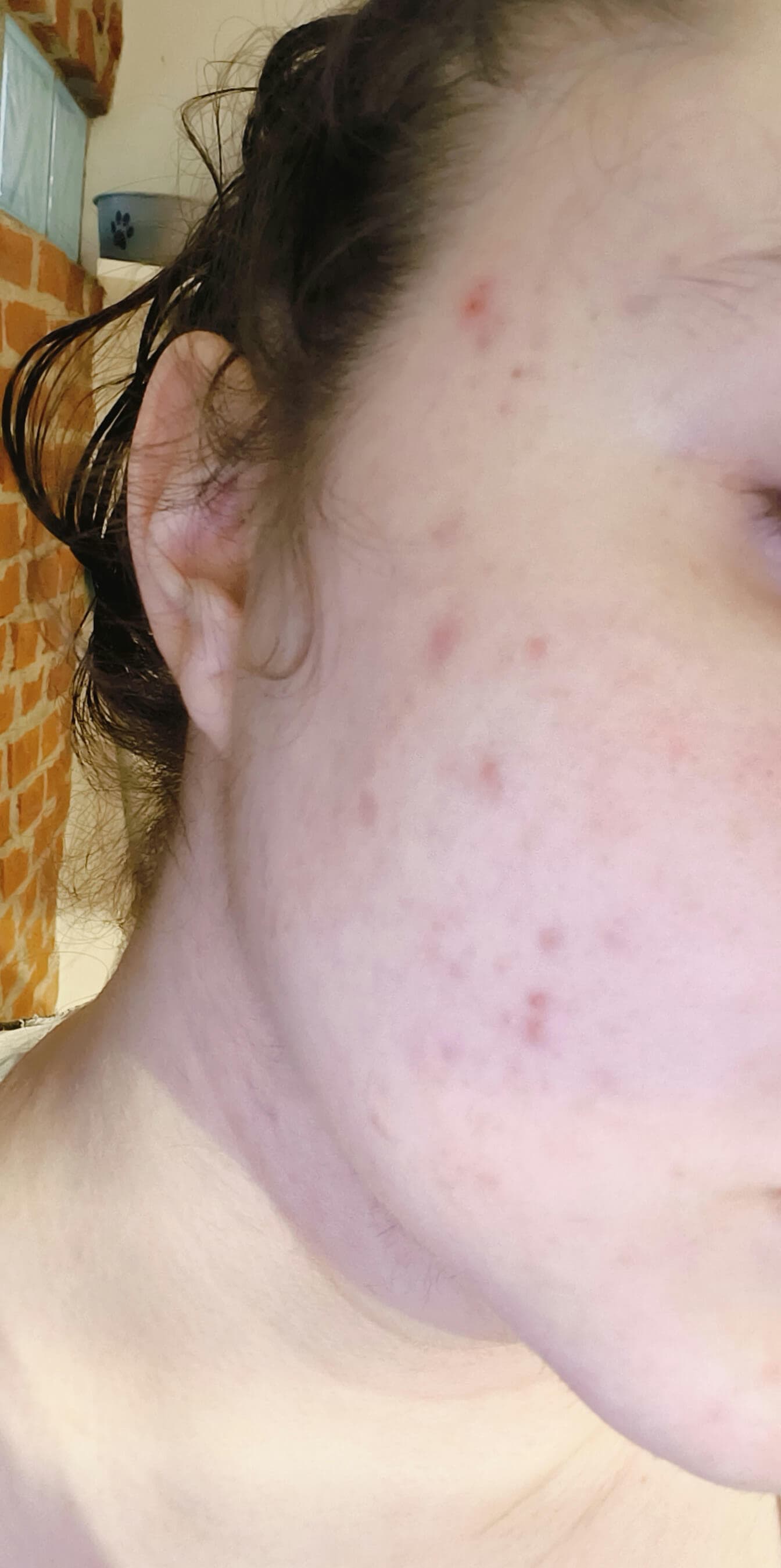 Before
 After
AfterKeep reading
- Ingredient · salicylic acid
- Ingredient · niacinamide
- Ingredient · retinol
- Ingredient · sodium hyaluronate
- Condition · acne and blemishes
- Condition · acne scars and marks
- Condition · blackheads
- Condition · oily skin
- Condition · combination skin
- Read · how to prevent workout breakouts
- Read · how to get rid of pimples
- Read · how to fade post acne marks
- Read · acne scars
- Read · whey protein and acne
- Read · what are blackheads
- Read · how to get rid of oily skin
Citations
- Williams HC, et al. Acne vulgaris. Lancet. 2012;379(9813):361-72.PMID 21880356
- Tan J, Alexis A, Baldwin H, et al. Gaps and recommendations for clinical management of truncal acne from the Personalising Acne: Consensus of Experts Panel. JAAD Int. 2021;5:33-40.PMC 8593751
- Towersey L, et al. Assessment of the Benefit of a Deep Cleansing Gel Containing Salicylic Acid 2%, Zinc Gluconate 0.2% and Lipohydroxy Acids 0.05% in Patients with Mild to Moderate Truncal Acne: Results from an Exploratory Study. Clin Cosmet Investig Dermatol. 2023;16:119-123.PMID 36698447
- Zaenglein AL, et al. Guidelines of care for the management of acne vulgaris. J Am Acad Dermatol. 2016;74(5):945-73.PMID 26897386
- Draelos ZD, et al. The effect of 2% niacinamide on facial sebum production. J Cosmet Laser Ther. 2006;8(2):96-101.PMID 16766489