
How to prevent workout breakouts
Workout breakouts usually come from sweat, friction, occlusion, and delayed cleansing. The fix is practical, not a harsher routine.
On this page
When I had acne, I used to treat sweat like evidence that my skin was about to betray me.
I would finish training, touch my face too much, over-cleanse later, and then wonder why my skin looked irritated. Very scientific. Very Danish, if Denmark were famous for panic-washing after exercise.
Workout breakouts are common, but they are not a reason to stop moving. They are a reason to control friction, timing, and residue.
If your main workout problem is heat and a face that stays red after training, start with why your face gets red after exercise. This guide is about bumps and clogged pores.
The short answer
To prevent workout breakouts:
- Keep heavy products off areas that will sweat or rub.
- Reduce friction from hats, helmets, straps, collars, and tight fabrics.
- Cleanse gently after training when possible.
- Change sweaty clothes soon.
- Use salicylic acid a few nights weekly if clogged pores are part of the pattern.
- Do not scrub sweaty skin as punishment.
The old dermatology term for friction-related breakouts is acne mechanica. A classic 1975 paper[1] described acne triggered by mechanical forces such as pressure, rubbing, and occlusion. That fits a lot of modern life: helmets, headbands, tight gym tops, backpacks, sports bras, and hands wiping sweat across the face.
Sweat is not the whole villain
Sweat is mostly water and salts. It is not dirty in the dramatic way skincare marketing sometimes suggests.
The problem is the environment around sweat:
- heat
- friction
- trapped fabric
- sunscreen or makeup residue
- oil
- bacteria
- delayed cleansing
Acne itself forms inside follicles through oil, sticky shedding, bacteria, and inflammation[2]. Workout conditions can nudge that system in the wrong direction, especially if you are already acne-prone.
Before your workout
Keep the skin light.
If you train in the morning, you usually do not need a full skincare routine before exercise. A rinse, lightweight SPF if you are outdoors, and nothing heavy under tight gear is enough.
Avoid:
- thick foundation under sweat
- heavy facial oils
- greasy hair products near the forehead
- reusing a sweaty cap without washing it
- tight straps sitting over active breakouts
This is not about becoming suspicious of every product. It is about not giving sweat and friction a rich little buffet.
After your workout
Cleanse when you can.
Use a gentle cleanser, lukewarm water, and your fingertips. Thirty to sixty seconds is enough. If you cannot wash immediately, blot sweat with a clean towel and wash when practical.
Do not use:
- gritty scrubs
- cleansing brushes
- harsh alcohol toners
- repeated washing because you still "feel sweaty"
- acid pads after every session
Acne guidelines include several effective topicals, including retinoids and benzoyl peroxide, but tolerability matters[3]. A routine you irritate yourself out of is not a routine.
Where salicylic acid fits
If workout breakouts are mostly clogged pores, blackheads, or small forehead bumps, salicylic acid is often the most practical active.
Use it like a steady background habit:
- 2 nights weekly to start
- on congestion-prone areas
- followed by moisturiser
- never as a scrub replacement
If breakouts are painful, cystic, scarring, or spreading despite a consistent routine, get medical help. Exercise-related friction can worsen acne, but it does not explain every acne pattern.
Gear matters more than people think
Wash or rotate:
- caps
- helmets liners
- headbands
- towels
- pillowcases
- sports bras
- shirt collars
- phone screens if they touch your cheek
One unwashed cap can undo a beautifully edited routine. Skincare is humbling like that.
My final advice
Do not fight workout breakouts by making skincare harsher.
Make the trigger smaller: less friction, cleaner gear, lighter products, gentler cleansing, and one sensible pore-clearing active if needed. Your routine should support exercise, not make you choose between clearer skin and a life where you can sweat.
People also ask
Why do I break out after working out?
Common reasons include sweat sitting on skin, friction from hats or helmets, tight clothing, heavy products, and delayed cleansing after training.
Should I wash my face before or after a workout?
After is usually the priority. Before training, avoid heavy makeup or oily layers. After training, cleanse gently when you can.
Is sweat causing acne?
Sweat alone is not acne, but sweat mixed with friction, heat, oil, sunscreen, and trapped clothing can make breakouts more likely.
Can salicylic acid prevent workout breakouts?
It can help congestion-prone skin, especially on oily areas, but use it a few nights weekly rather than scrubbing or acid-treating after every workout.
The workout routine I would keep realistic
Exercise should not require a 10-step recovery routine for your face. The Danish Skin Care Kit gives you the simple base I prefer after sweat and friction: cleanse gently, use salicylic acid on congestion-prone areas only as tolerated, moisturise, and protect your skin the next morning.

A repeatable post-workout baseline: gentle cleanser, salicylic acid when tolerated, moisturiser, and SPF without turning exercise into a skincare project.
Full transparency: Danish Skin Care is my own company — I formulated these products and earn from every sale. That's exactly why I only recommend them where they genuinely fit the guide you just read.
Real results from simple routines
A few real before-and-after cases from people using Danish Skin Care for skin concerns related to this guide. No filters, no miracle promise. Consistent skincare over time.
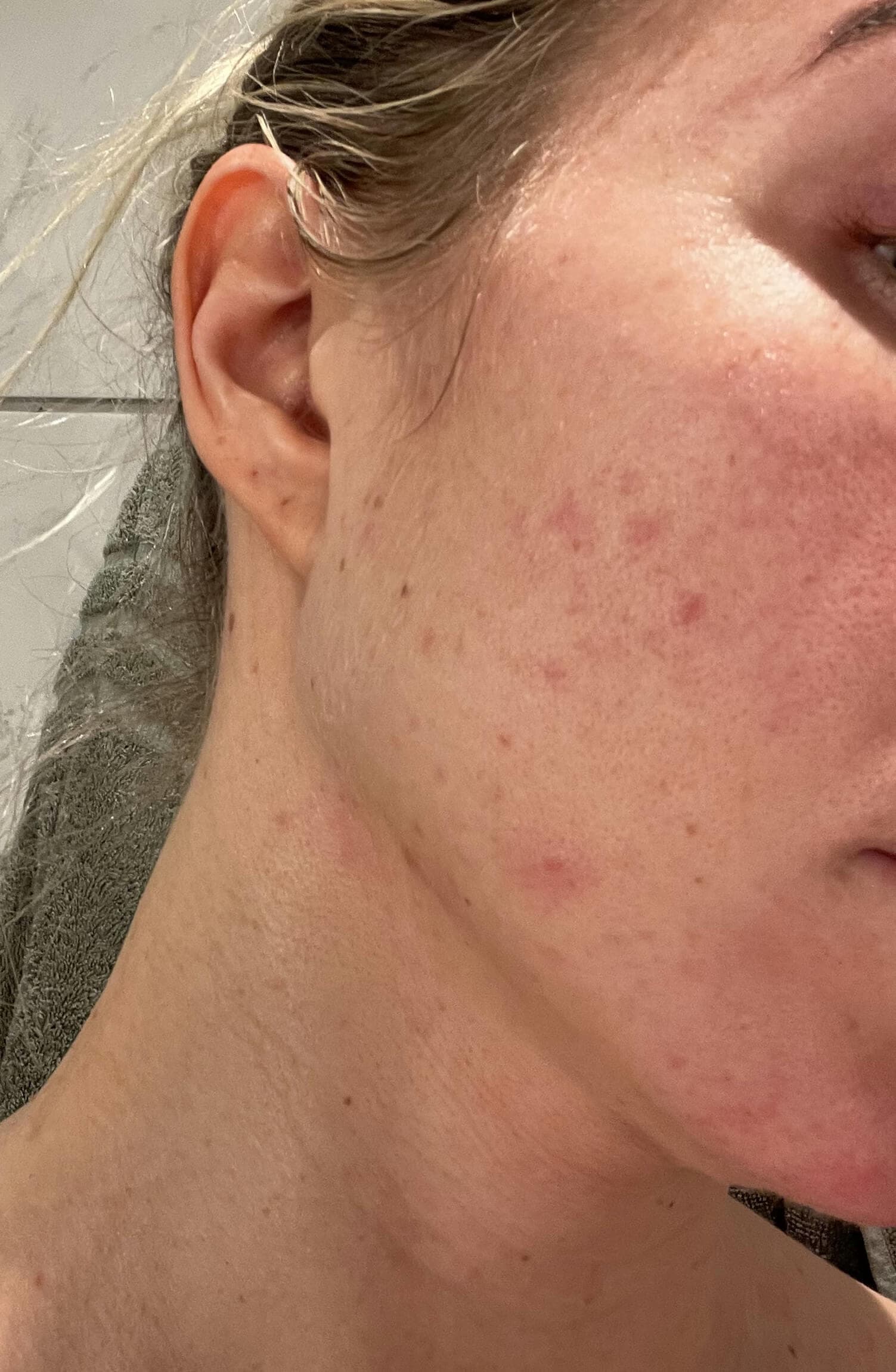 Before
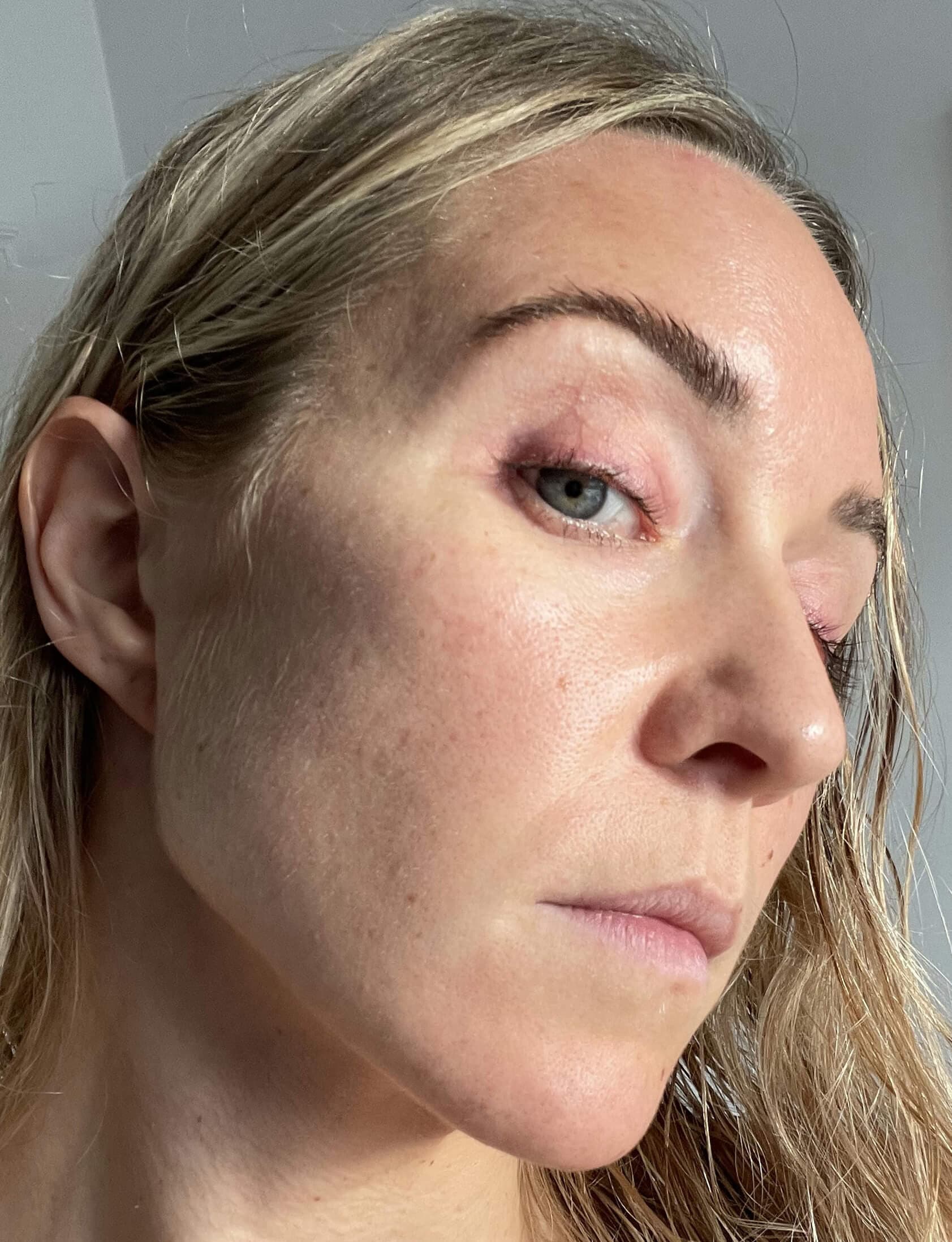 After
After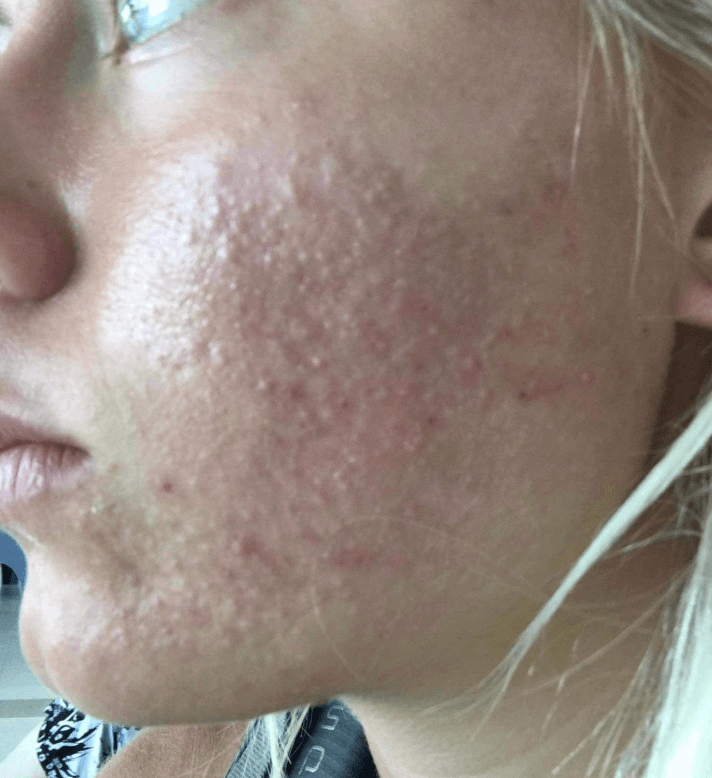 Before
 After
After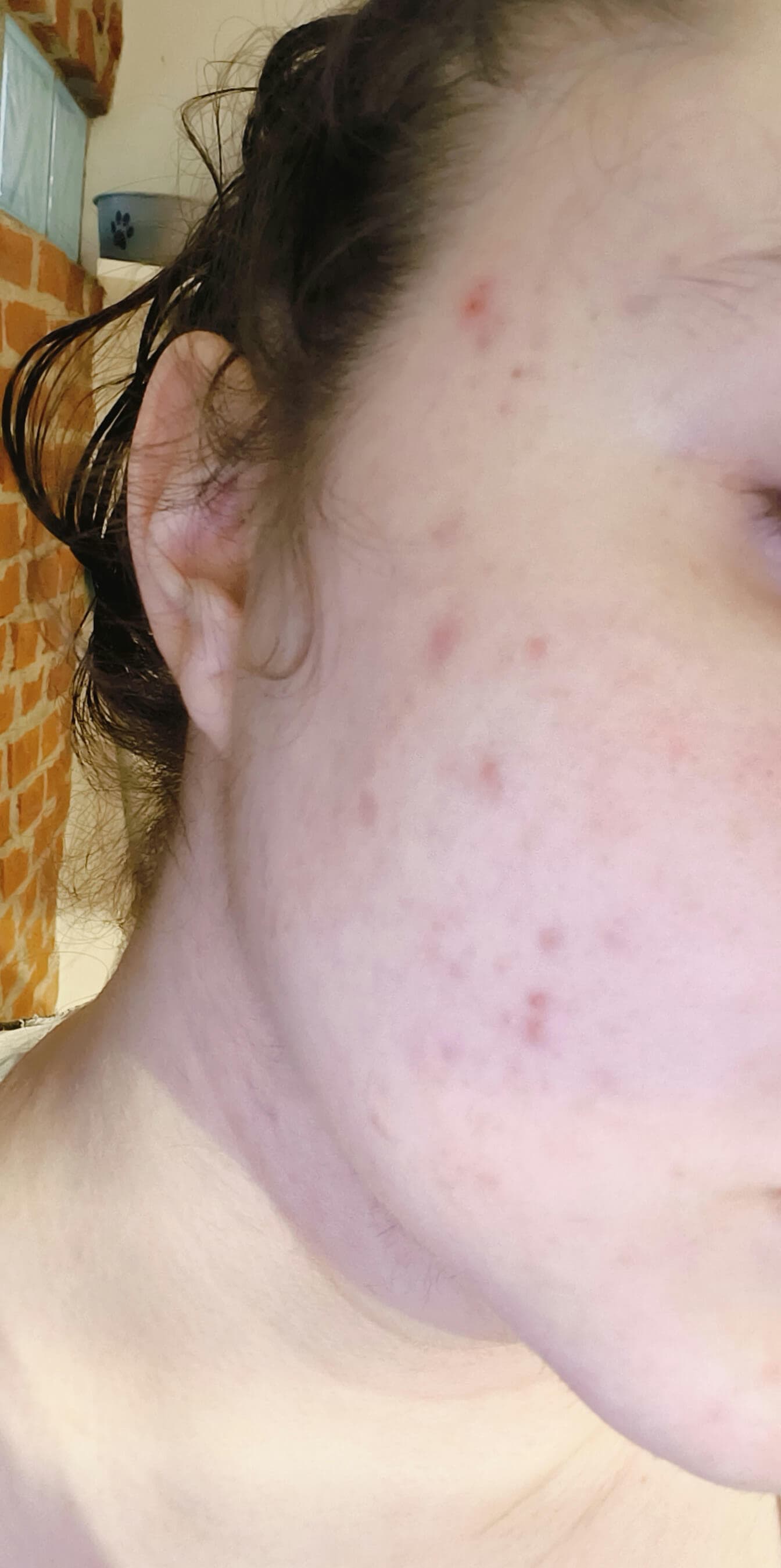 Before
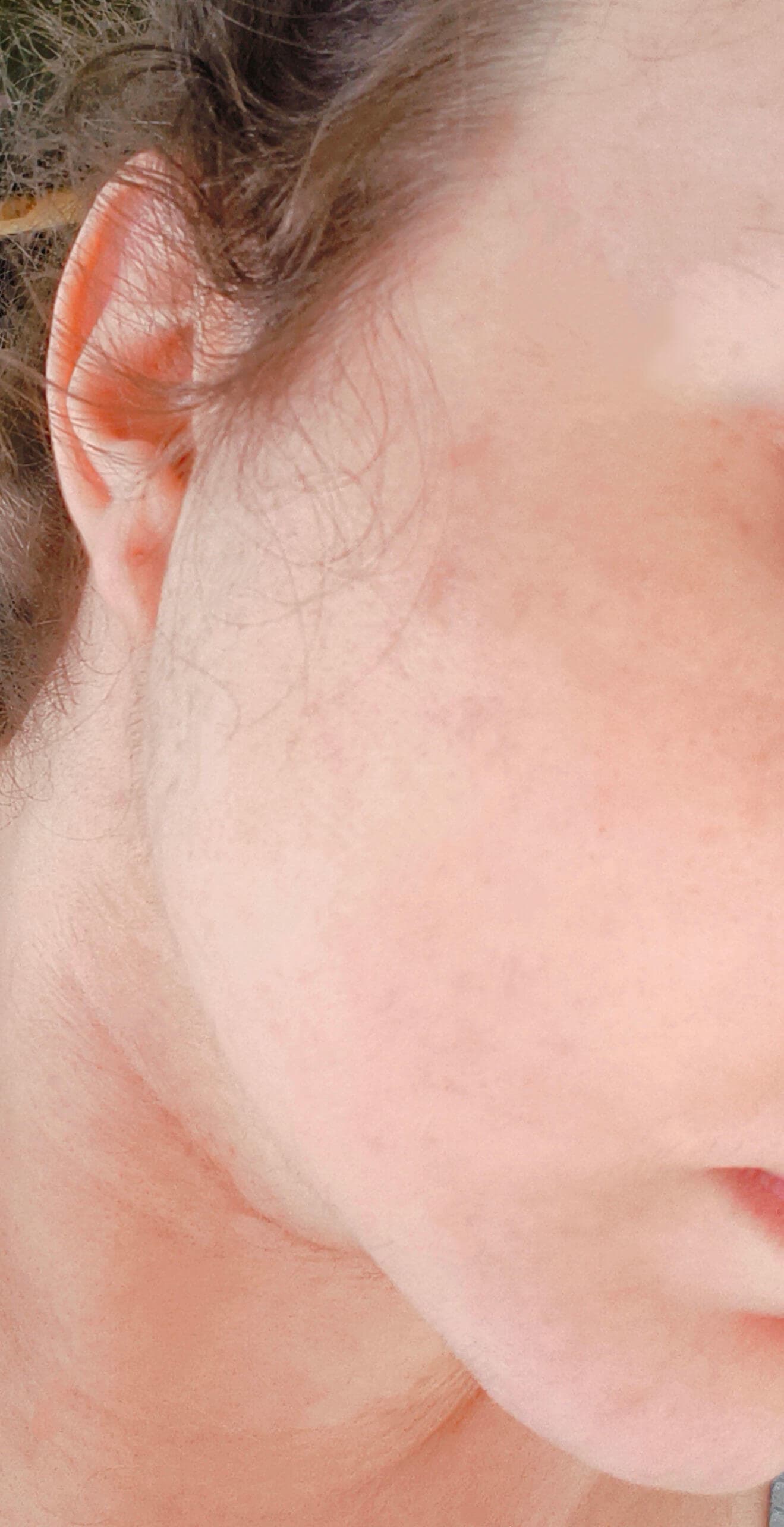 After
AfterKeep reading
- Ingredient · salicylic acid
- Ingredient · niacinamide
- Ingredient · zinc pca
- Ingredient · cocamidopropyl betaine
- Ingredient · glycerin
- Condition · acne and blemishes
- Condition · blackheads
- Condition · oily skin
- Read · why does my face get red after exercise
- Read · how to get rid of back acne
- Read · best skincare routine for clogged pores
- Read · how to get rid of pimples
- Read · why does my skin feel tight after washing
- Read · how to get rid of forehead acne
Citations
- Mills OH Jr, Kligman AM. Acne mechanica. Arch Dermatol. 1975;111(4):481-483.PMID 123732
- Williams HC, Dellavalle RP, Garner S. Acne vulgaris. Lancet. 2012;379(9813):361-372.PMID 21880356
- Zaenglein AL, et al. Guidelines of care for the management of acne vulgaris. J Am Acad Dermatol. 2016;74(5):945-973.PMID 26897386