
Whey protein and acne: when gym shakes may affect your skin
Whey protein can be a breakout trigger for some acne-prone people, especially with new back, chest, or jawline acne after starting shakes.
On this page
Whey protein is one of the more believable acne suspects because the timing can be so obvious.
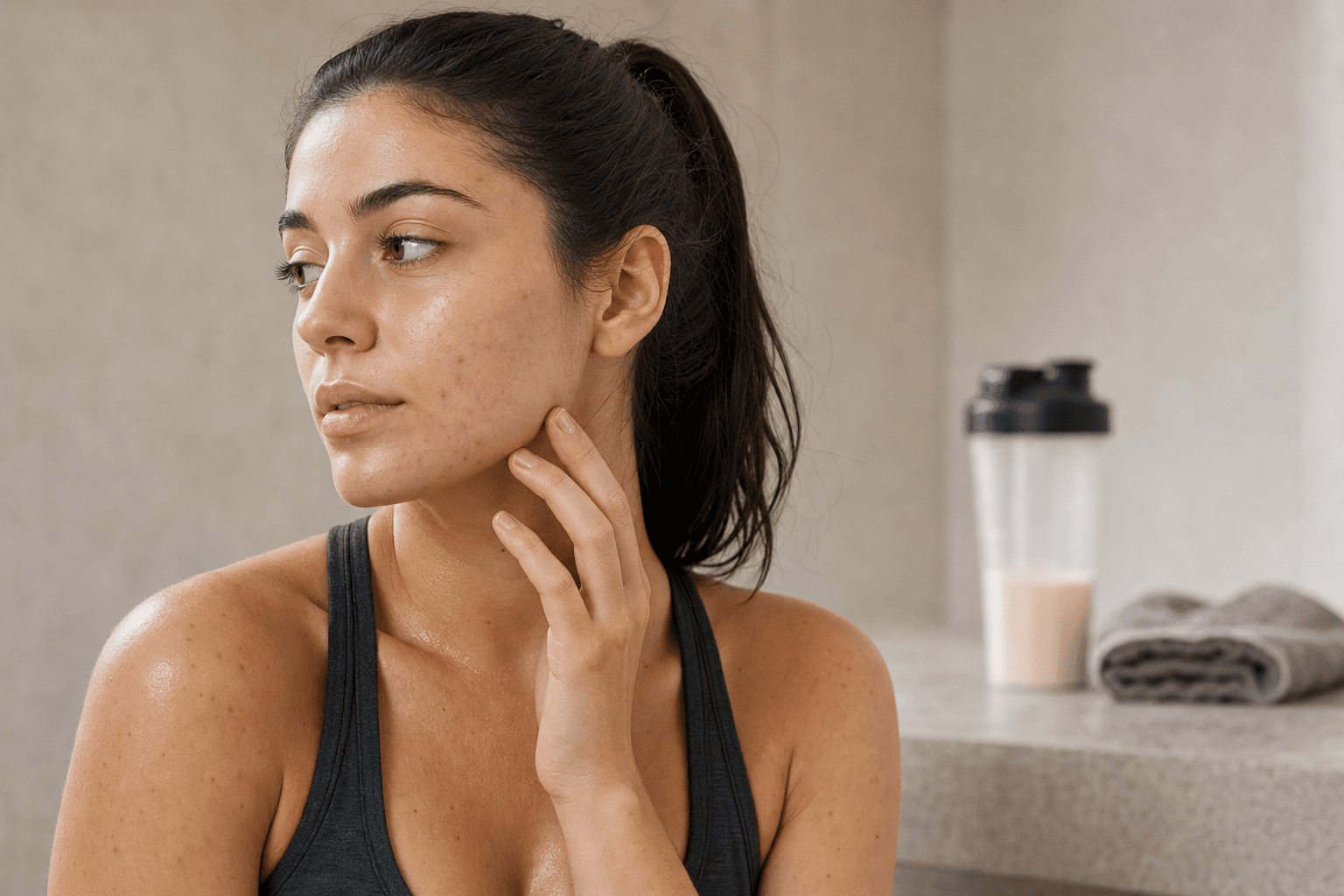
Someone starts training harder, adds shakes, eats protein bars, maybe uses a mass gainer, sweats more, wears tighter gym clothes, and suddenly the back, chest, jawline, or shoulders are not happy.
Then the argument begins: is it the whey, the sweat, the friction, hormones, or the fact that the post-workout shower is being treated as optional?
Sometimes, honestly, it is a group project.
The short answer
Whey protein can worsen acne in some acne-prone people. The acne and blemishes guide explains the broader acne pattern, so use this page for the supplement-specific question.
The evidence is not as strong as the evidence for high glycemic load, but it is stronger than random internet panic. A 2022 systematic review on diet and acne[1] includes whey protein among diet factors discussed in recent acne research.
There are also published case reports and small series linking whey protein supplements with acne flares. A 2017 report[2] described adolescents who developed trunk acne after whey supplementation, and a 2012 report[3] described acne in bodybuilders after whey intake.
Case reports do not prove whey causes acne for everyone.
They do make whey worth testing when the timeline fits.
Why whey might matter
Whey is one of the main proteins in milk. It is popular because it is convenient, high in essential amino acids, and easy to add after training. If your question is ordinary dairy rather than a protein powder, read the milk and acne guide instead. If the new supplement is creatine rather than whey, use the separate guide to creatine and acne.
The acne theory usually comes back to insulin, IGF-1, and mTORC1 signalling. In plain language, whey may push growth and metabolic signals that can interact with oil glands and follicle behaviour in acne-prone skin.
Again, this does not mean protein is bad.
It means a concentrated milk-derived supplement may affect some people differently than a normal balanced meal.
The common pattern
Whey-related acne often looks suspicious when:
- Breakouts started after beginning whey.
- The dose increased recently.
- Acne appears on the back, chest, shoulders, or jawline.
- You are also sweating more from training.
- Standard acne treatment seems less effective while whey continues.
Body acne deserves special attention because sweat, tight clothing, backpacks, gym benches, and friction can all add irritation. The guide to back acne covers that sweat-and-friction side. If whey is one trigger and friction is another, removing only one may help but not solve everything.
How to test whey
Keep it simple:
- Stop whey protein for 6 to 8 weeks.
- Keep training as similar as possible.
- Do not start five new supplements at the same time.
- Shower after sweating.
- Keep your acne routine steady.
- Reintroduce whey and watch whether the same breakout pattern returns.
If acne improves, then flares again with whey, you have useful personal evidence.
If nothing changes, whey may not be the problem. That is good news. You can stop side-eyeing your shaker bottle.
What to use instead
If you still want protein support, consider food first: eggs, fish, chicken, lentils, tofu, beans, yoghurt if dairy suits you, or other normal meals.
If you want powder, a plant protein can be worth trying. Choose a simple formula and watch sugar content, because some powders are basically dessert with gym branding.
The bottom line
Whey protein can be an acne trigger for some people, especially when breakouts start after supplementation.
Do not guess forever. Pause it, track your skin, reintroduce it, and see whether your skin tells the same story twice.
People also ask
Can whey protein cause acne?
Whey protein has been linked with acne flares in case reports and small series, especially among athletes and bodybuilders. It is not guaranteed to cause acne, but it is worth testing if timing fits.
How long should I stop whey to test acne?
Try 6 to 8 weeks without whey protein. Keep other variables stable, then reintroduce it and watch whether acne reliably returns.
Is plant protein better for acne?
Plant protein avoids whey, so it may be worth trying if whey seems linked to your breakouts. Check the full product too, since some powders contain sugar, oils, or additives that may not suit you.
Keep the skin routine simple while you test whey
If whey is part of your breakout pattern, removing it may help. But acne-prone skin still benefits from steady topical care. The Danish Skin Care Kit keeps that part simple: cleanse, treat clogged pores, support the barrier, and protect the skin.

A simple acne-prone skin routine while you test whether whey is contributing to breakouts.
Full transparency: Danish Skin Care is my own company — I formulated these products and earn from every sale. That's exactly why I only recommend them where they genuinely fit the guide you just read.
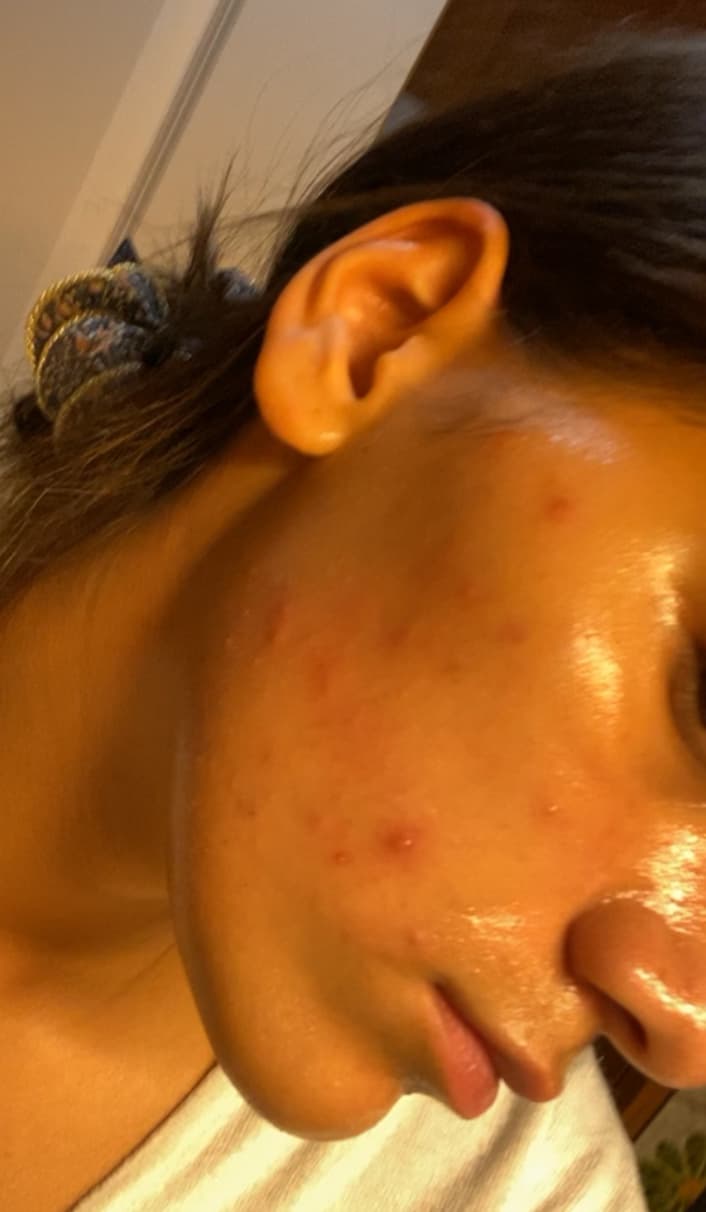
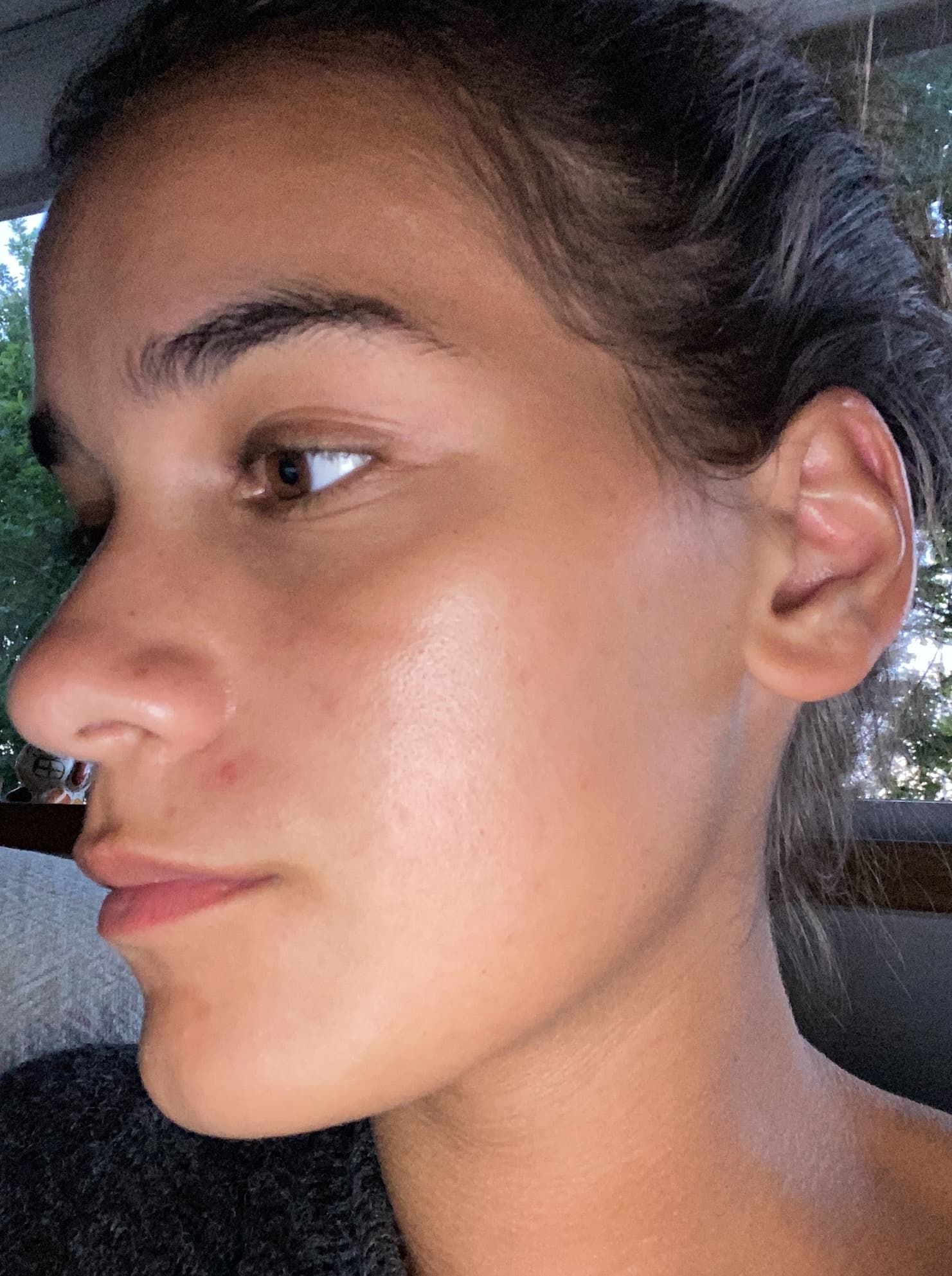
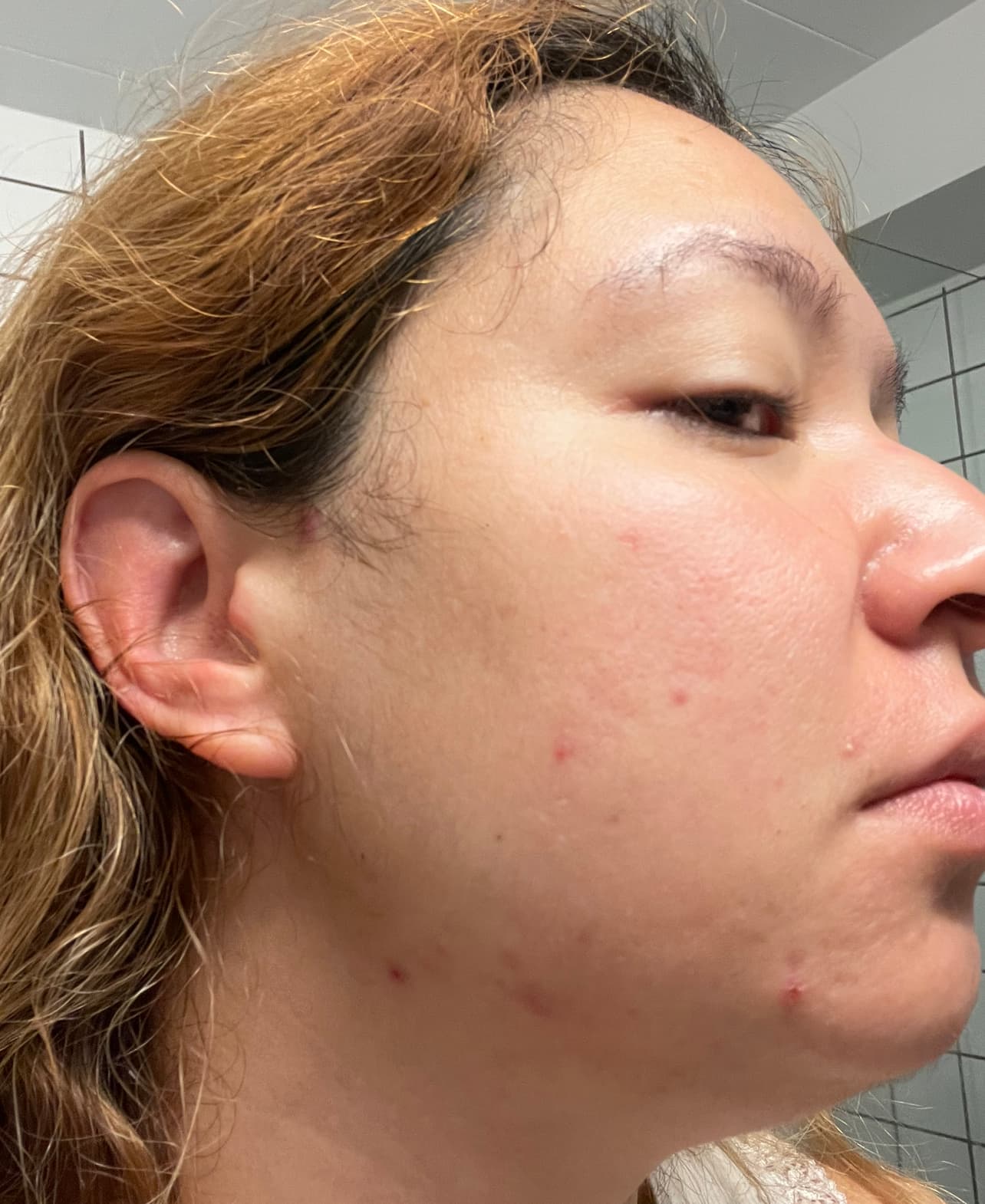
Real results from simple routines
A few real before-and-after cases from people using Danish Skin Care for skin concerns related to this guide. No filters, no miracle promise. Consistent skincare over time.
 Before
 After
After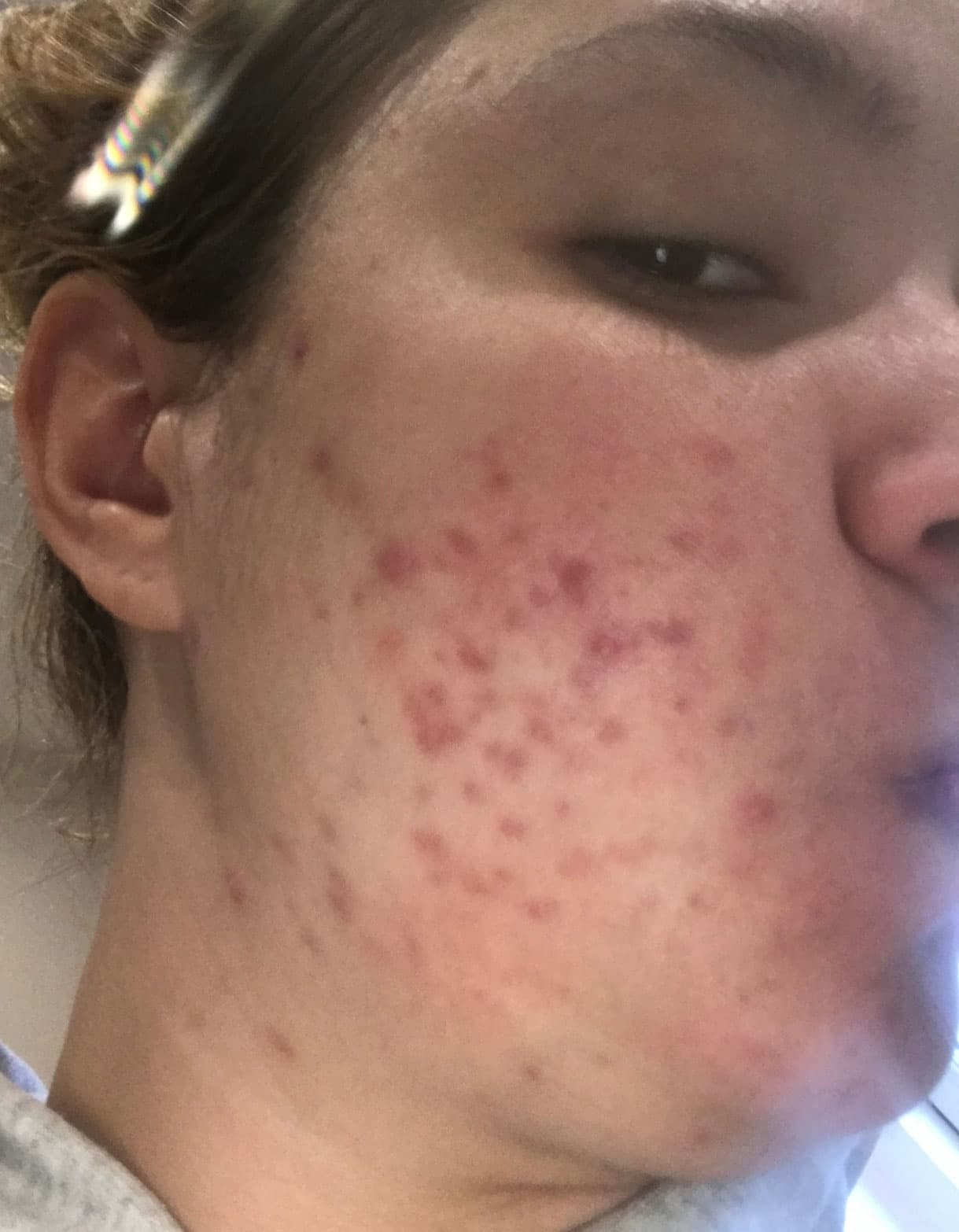 Before
 After
After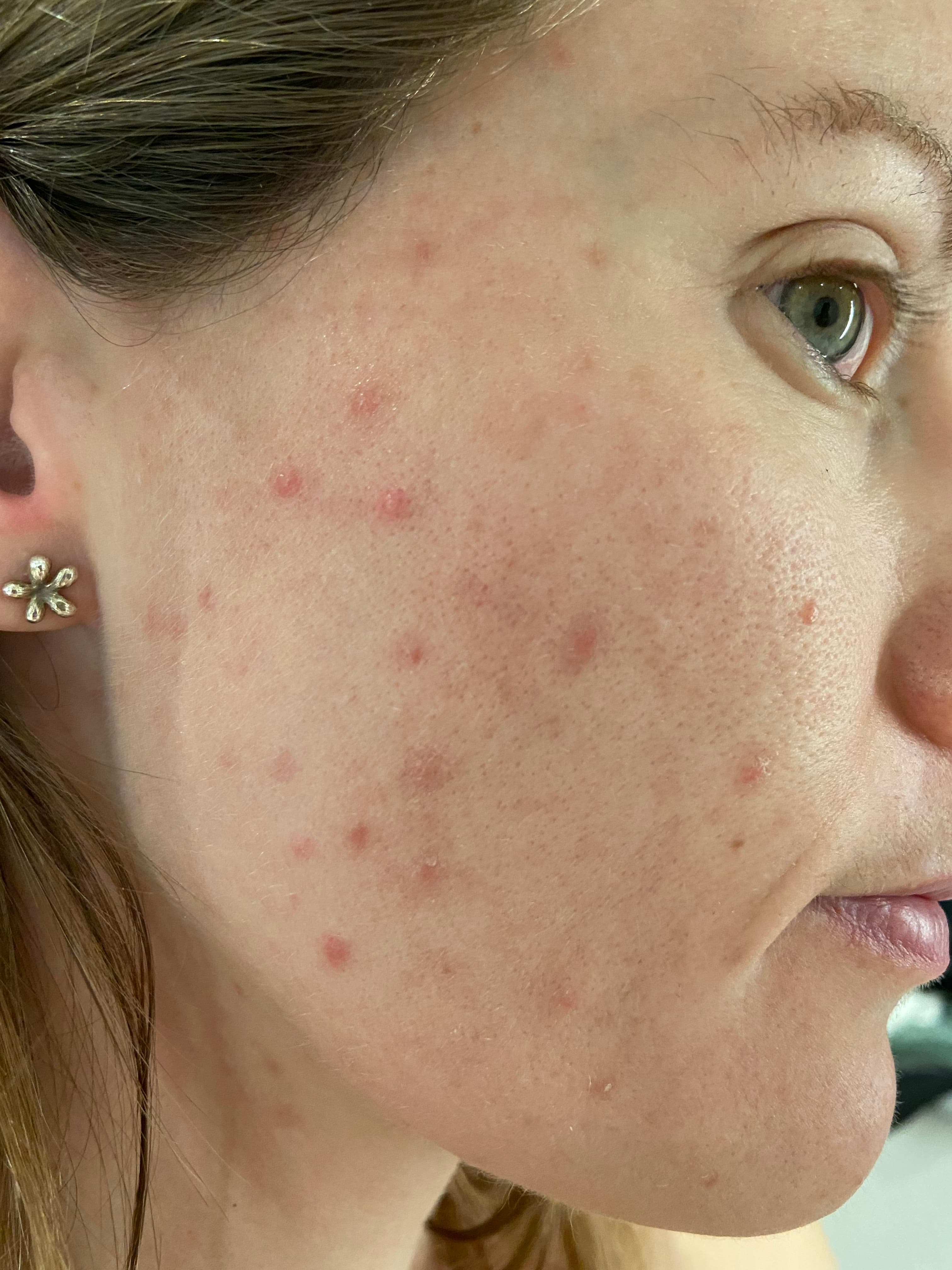 Before
 After
AfterKeep reading
Citations
- Dall'Oglio F, et al. Diet and acne: A systematic review. JAAD Int. 2022;7:95-112.PMID 35373155
- Cengiz FP, et al. Acne located on the trunk, whey protein supplementation: Is there any association? Dermatol Reports. 2017;9(1):7001.PMID 28326292
- Simonart T. Acne and whey protein supplementation among bodybuilders. Dermatology. 2012;225(3):256-258.PMID 23257731