
Are hair products breaking you out?
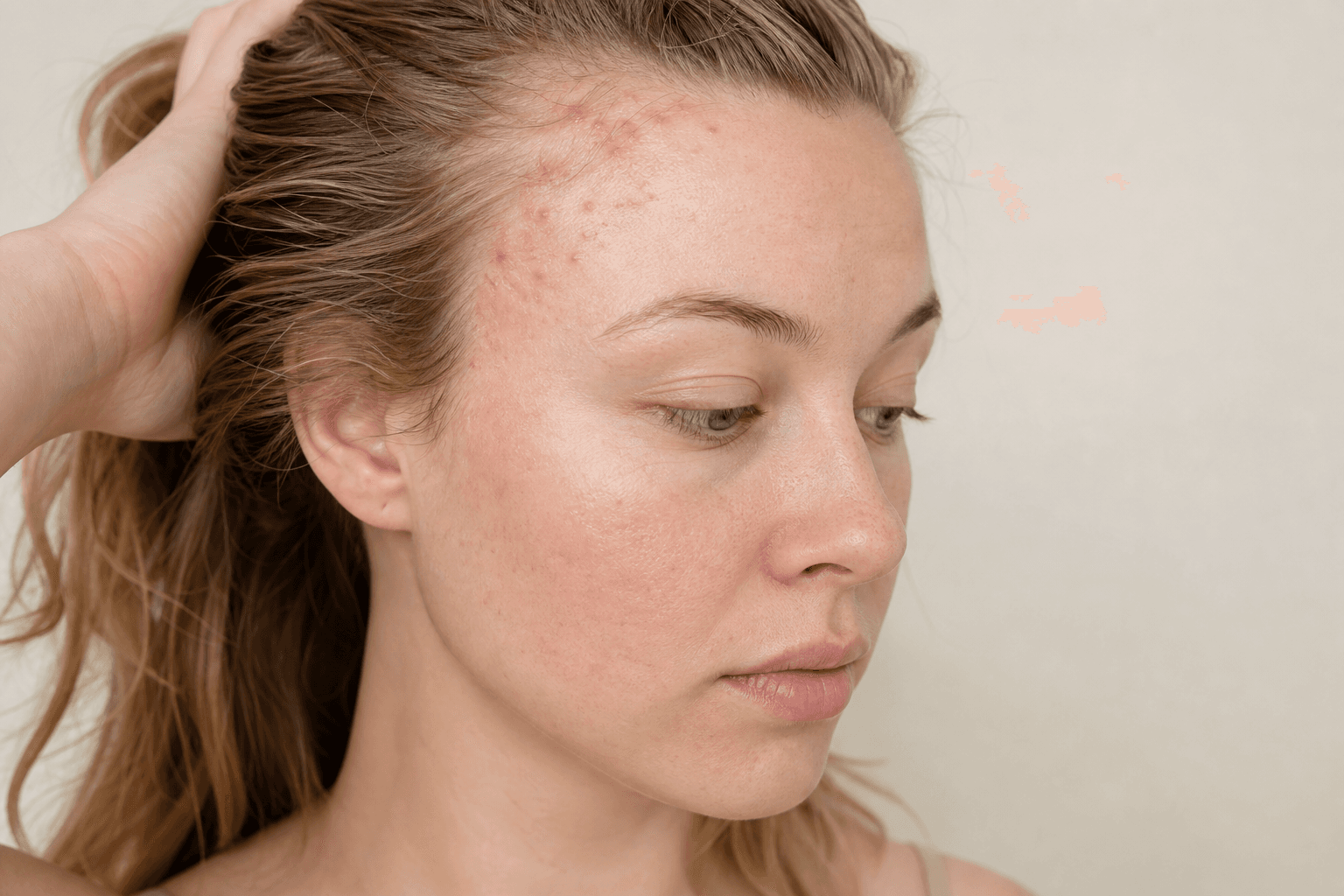
Hair products can trigger bumps along the hairline, temples, forehead, neck, or back. The fix is usually residue control, lighter formulas, and a steady acne routine.
On this page
I learned the hair-product lesson later than I should have.
When I had acne and oily skin, I blamed the face products first. Cleanser. Cream. Treatment. The usual suspects lined up on the bathroom shelf. Meanwhile, my hair was carrying wax, conditioner, and styling residue straight onto the areas I was trying to calm.
Very professional detective work. I interrogated the moisturiser and ignored the fringe.
After helping more than 100,000 people with problem skin, I have seen this pattern many times: the routine is mostly sensible, but something from the hair routine keeps touching the same acne-prone skin every day.
The short answer
Yes, hair products can break some people out.
Acne still begins inside the hair follicle and oil gland. A 2012 acne study[1] describes acne as a pilosebaceous-unit problem involving sebum, clogged follicles, Cutibacterium acnes, and inflammation. Hair products do not rewrite that biology. They can make the local environment more clog-prone when residue, oils, waxes, fragrance, sweat, and friction sit on skin that already tends to block.
The most suspicious pattern is small clogged bumps or pimples around:
- the hairline
- temples
- upper forehead
- sideburn area
- back of the neck
- shoulders
- upper back
The fix is not to panic-clean your face five times a day. Start by controlling residue and keeping the acne routine simple enough to repeat.
Why hair products can cause bumps
Hair products are designed for hair. Hair is dead fibre. Skin is living tissue with pores, oil glands, nerves, immune cells, and a dramatic talent for giving feedback.
The problem is often residue migration:
- conditioner rinsing over the forehead, cheeks, neck, chest, or back
- hair oil touching the temples
- pomade or wax melting toward the hairline
- dry shampoo powder sitting on the scalp edge
- styling cream transferring from a fringe to the forehead
- sweat moving product down during exercise
- pillowcases collecting product and returning it to your skin at night
Kligman and Mills described acne cosmetica in 1972[2] as acne linked to cosmetic exposure. That does not mean every cosmetic is bad. It means acne-prone skin can react poorly when certain formulas repeatedly sit where follicles already clog easily.
The pattern usually gives it away
Hair-product breakouts often look annoyingly neat.
They may cluster exactly where the product touches:
- along the hairline after styling wax
- on the temples after hair oil
- on the upper back after conditioner
- behind the ears or neck after leave-in products
- on the forehead under a fringe
If the bumps are mixed across the whole face, hormones, acne biology, sunscreen, makeup, picking, and routine irritation may be bigger players. If they gather where hair products land, test the hair routine.
The key word is test. Do not change cleanser, moisturiser, SPF, diet, pillowcase, shampoo, and every life choice at the same time. Your skin cannot fill out a feedback form if everything changes.
What the hair-care study tells us
A 2021 single-arm study[3] followed 27 people with mild to moderate facial and truncal acne who used a non-comedogenic hair-care regimen for 8 weeks. Dermatologist grading improved in 52% of facial-acne subjects and 70% of truncal-acne subjects.
That study was small and not placebo-controlled, so I would not treat it like a universal law.
I would treat it like useful practical evidence: hair-care residue can matter, and switching to lower-clogging hair products may help some acne-prone skin calm down.
Your 4-week hair-product audit
Keep your skincare routine stable for a few weeks and change the obvious hair-contact habits.
Step 1: Move heavy products away from the skin
For 4 weeks, keep these off acne-prone areas:
- hair oils
- pomades
- waxes
- heavy styling creams
- leave-in conditioner near the face
- oily scalp treatments that run down
You do not need to throw them into the sea. Use less, keep them farther from the hairline, or save them for hair lengths that do not touch your face.
Step 2: Rinse conditioner like you mean it
Conditioner residue loves the hairline, back, and shoulders.
If you break out on the upper back or neck, rinse conditioner fully, clip hair up, and wash acne-prone skin after rinsing hair. For body breakouts, the back acne guide goes deeper into sweat, clothing, and shower timing.
Step 3: Clean what touches the area
Wash or wipe:
- pillowcases
- hats
- helmet padding when possible
- headbands
- scarves
- phone edges if they touch hair product
This is boring advice. Good. Boring advice is often the advice people skipped.
Step 4: Watch the pattern, not one pimple
Do not judge the experiment by one dramatic spot.
Look for:
- fewer new tiny bumps
- less texture near the hairline
- fewer pimples on the neck or upper back
- less oil-product film on skin by evening
- a pattern that improves slowly over 4 to 8 weeks
Acne forms before you see it, so a few new bumps can still appear after you start the reset. The trend matters more than the Tuesday-morning mirror verdict.
Keep the acne routine simple
Hair-product breakouts still need acne basics.
Salicylic acid can help when bumps are small, clogged, oily, or blackhead-like. A 1992 clinical study[4] found salicylic acid pads improved acne lesions, and modern acne guideline literature[5] includes salicylic acid as an over-the-counter option for mild acne.
My practical routine would be:
- Gentle cleanse in the evening.
- Use a leave-on 2% salicylic acid product 2 to 4 nights weekly if tolerated.
- Moisturise every night.
- Use SPF in the morning.
- Keep hair products off the breakout zone.
If your skin gets tight, flaky, or stingy, reduce the active frequency. Irritated skin does not clear faster because you are being brave.
What not to do
Please do not answer hair-product breakouts with:
- harsh scrubs
- alcohol-heavy toners
- washing the face after every emotional event
- switching every skincare product at once
- skipping moisturiser because the area feels oily
- blaming one ingredient forever without testing the full formula
The phrase non-comedogenic can be a useful starting point, especially for products that touch acne-prone skin. It is not a legal guarantee that your skin will love the product. Your skin gets a vote, and sometimes it votes in bumps.
When to get checked
Book a dermatologist or qualified clinician if the bumps are:
- deep or painful
- leaving scars
- suddenly severe
- very itchy and uniform
- spreading despite removing obvious triggers
- not improving after 8 to 12 weeks of steady care
Very itchy, same-looking bumps can be folliculitis rather than acne. Deep, painful acne may need prescription care. Getting the diagnosis right is calmer than treating the wrong thing harder.
My practical advice
If your breakouts sit where your hair products sit, run a clean experiment.
Keep the skincare routine boring. Move heavy hair products away from the skin. Rinse conditioner properly. Clean the fabrics and tools that touch the area. Then give the pattern enough weeks to tell you something useful.
Skincare gets easier when you stop trying to win every argument with your face and start removing the small daily irritations that keep the argument going.
People also ask
Can hair products cause acne?
Yes. Some hair products can leave residue on acne-prone skin and contribute to clogged bumps, especially along the hairline, temples, forehead, neck, shoulders, or back.
How do I know if hair products are breaking me out?
Suspect hair products if bumps cluster where hair, conditioner, oils, pomade, dry shampoo, or styling cream touch the skin. Test by keeping those products off the area for 4 to 8 weeks while keeping skincare stable.
Should I stop using all hair products if I have acne?
No. Start by removing heavy, oily, waxy, or fragranced products from acne-prone skin and rinse conditioner well. You need a calmer test, not a life without hair gel.
What clears hairline breakouts fastest?
The fastest sensible plan is to stop the residue trigger, cleanse gently, use tolerated salicylic acid for clogged pores, moisturise, and give the pattern several weeks. Painful, scarring, or itchy bumps need medical guidance.
The calm baseline while you test hair products
When hair products may be breaking you out, I would not change the entire bathroom at once. I would keep the skin routine steady and remove the obvious residue triggers. The Danish Skin Care Kit gives you that baseline: gentle cleansing, salicylic acid for clogged pores, moisturiser, and SPF, so you can see whether the hairline pattern starts to calm down.

A simple acne baseline while you remove hair-product residue: gentle cleansing, salicylic acid, barrier support, and daily SPF.
Full transparency: Danish Skin Care is my own company — I formulated these products and earn from every sale. That's exactly why I only recommend them where they genuinely fit the guide you just read.
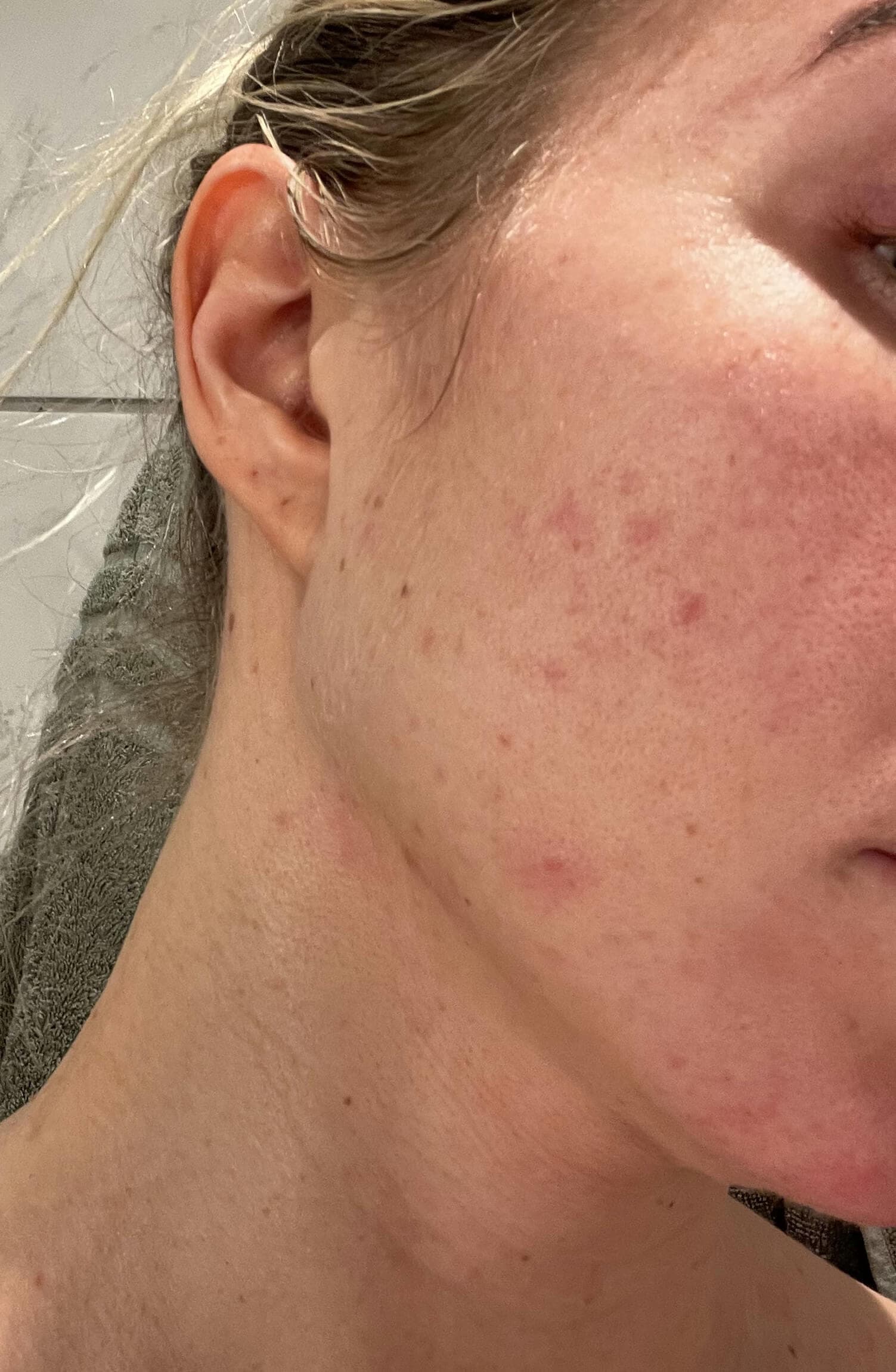
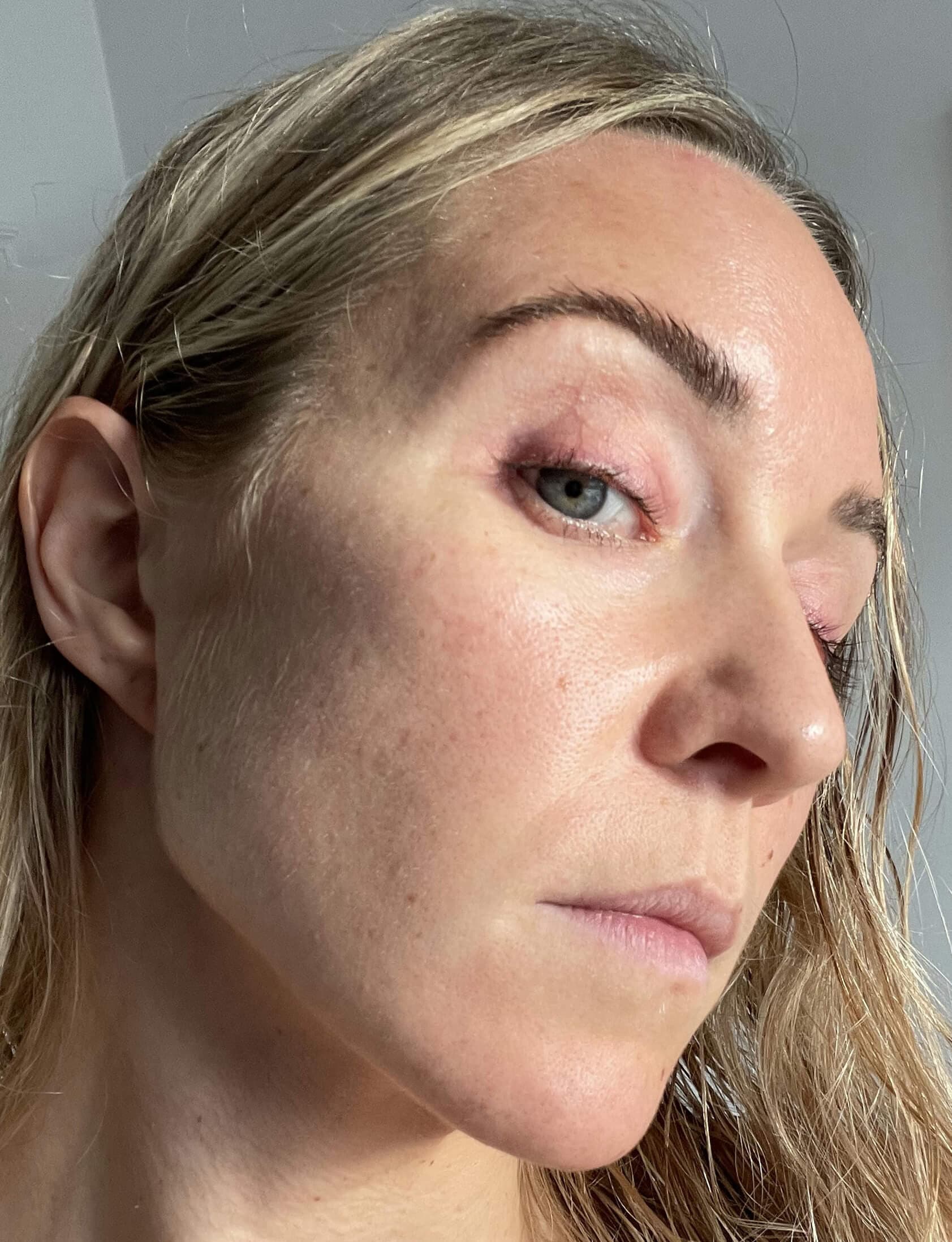
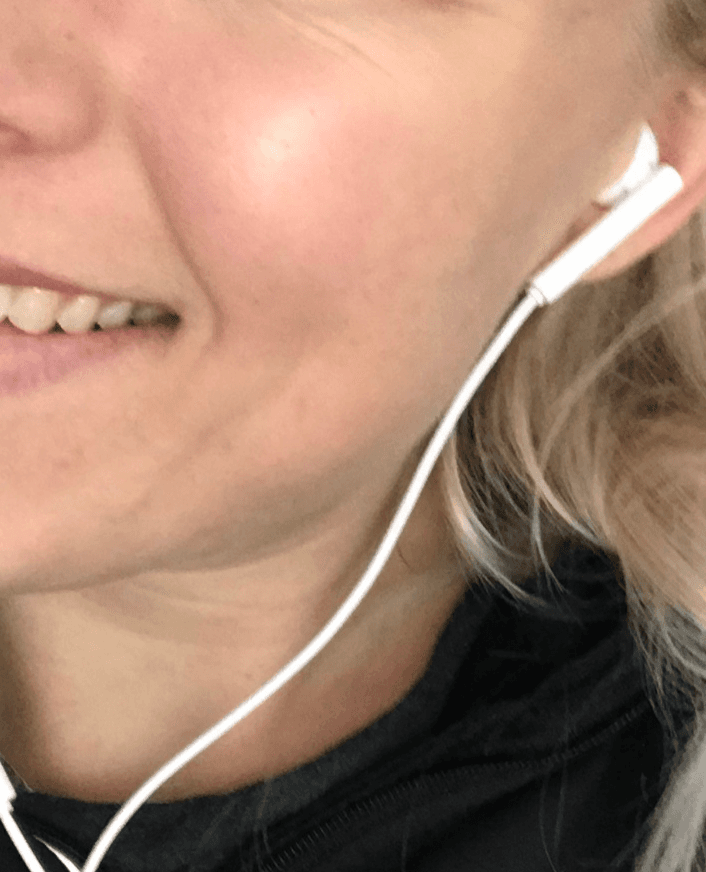
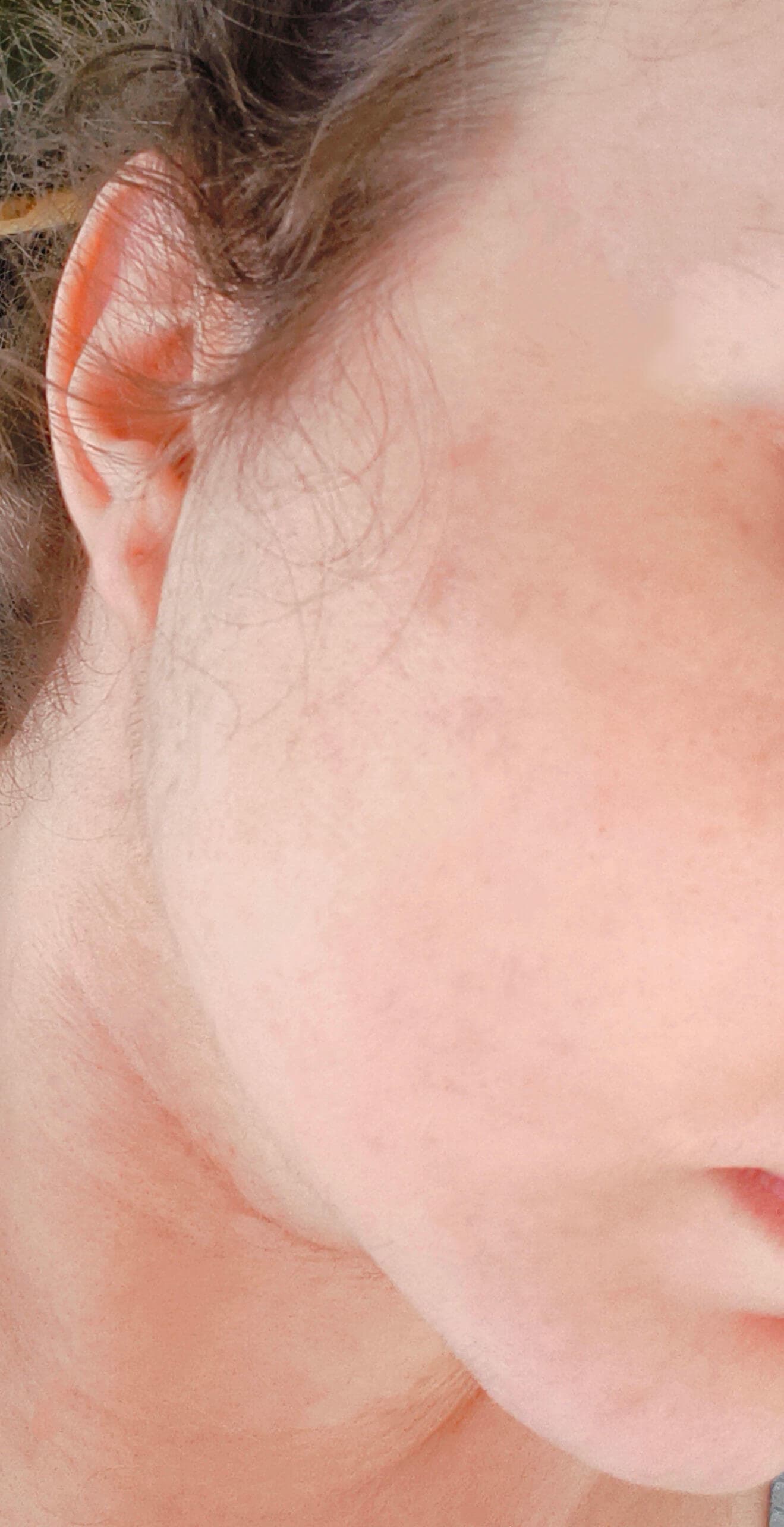
Real results from simple routines
A few real before-and-after cases from people using Danish Skin Care for skin concerns related to this guide. No filters, no miracle promise. Consistent skincare over time.
 Before
 After
After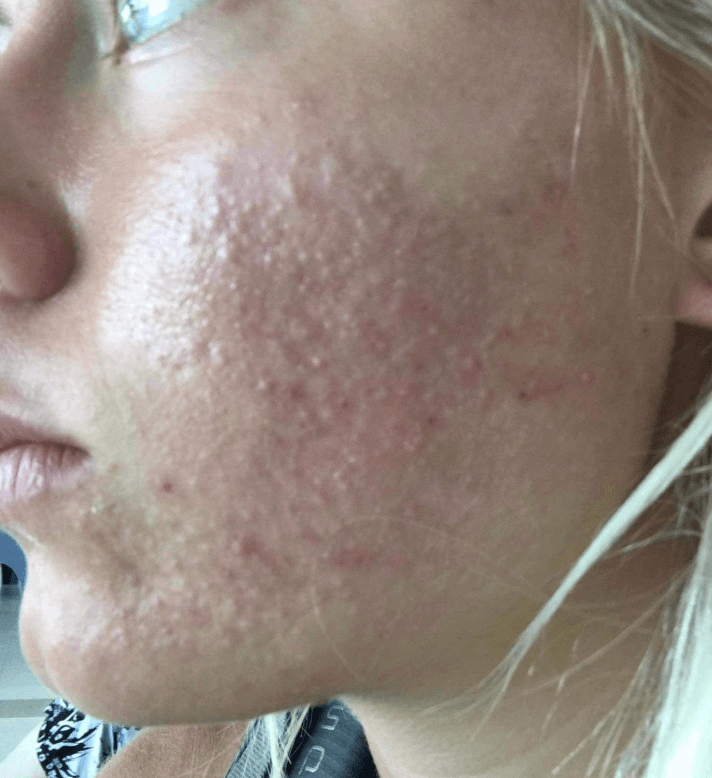 Before
 After
After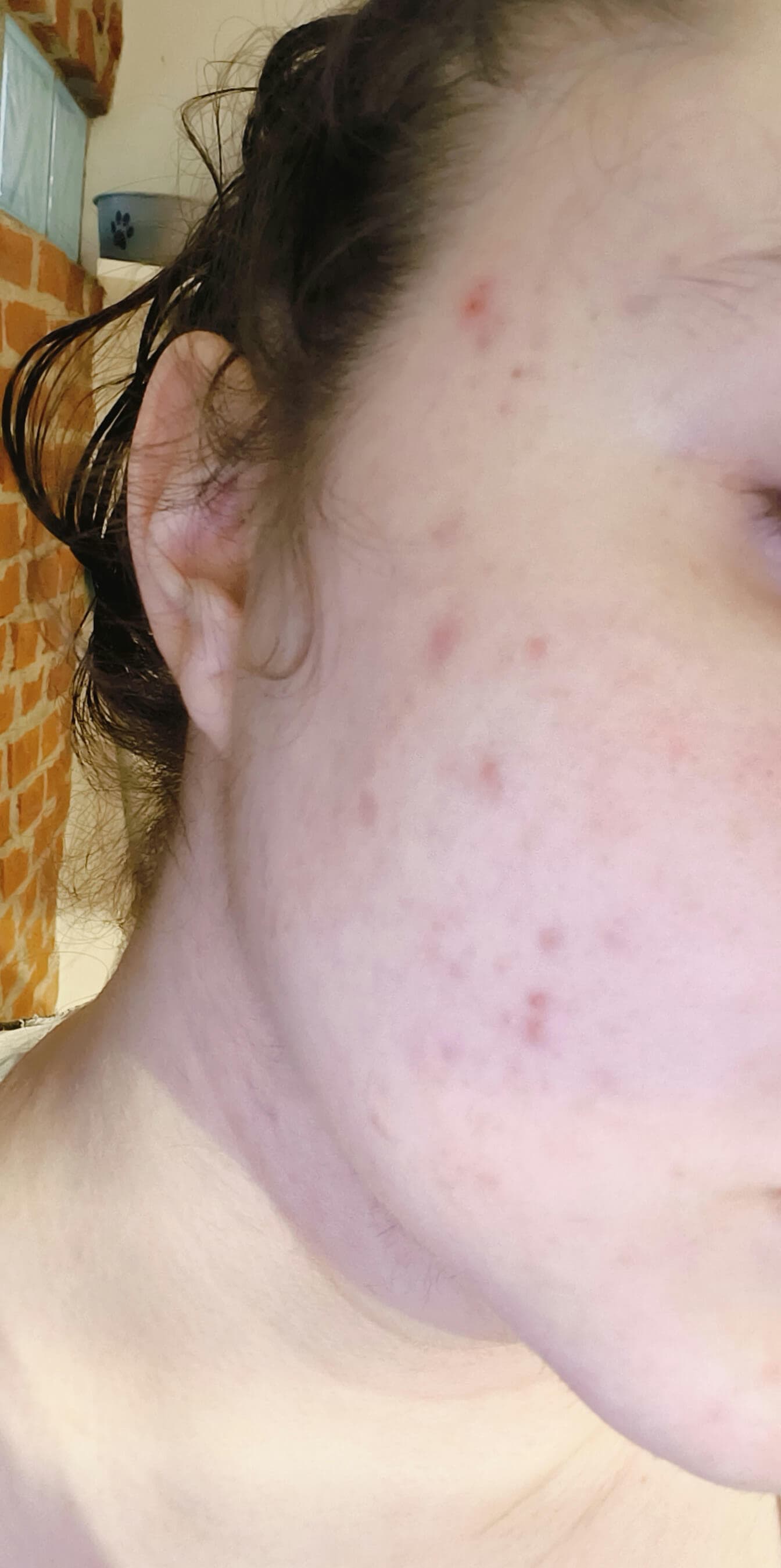 Before
 After
AfterKeep reading
- Ingredient · salicylic acid
- Ingredient · niacinamide
- Ingredient · sodium laureth sulfate
- Ingredient · cocamidopropyl betaine
- Ingredient · caffeine
- Condition · acne and blemishes
- Condition · blackheads
- Condition · oily skin
- Condition · sensitive skin
- Read · how to get rid of forehead acne
- Read · how to prevent workout breakouts
- Read · why do i break out after sunscreen
- Read · best skincare routine for clogged pores
- Read · what are blackheads
Citations
- Williams HC, Dellavalle RP, Garner S. Acne vulgaris. Lancet. 2012;379(9813):361-372.PMID 21880356
- Kligman AM, Mills OH Jr. Acne cosmetica. Arch Dermatol. 1972;106(6):843-850.PMID 4264346
- Draelos ZD, Rubin IK, Levy SB. Efficacy of a Non-Comedogenic Hair Care Regimen for the Reduction of Mild-to-Moderate Truncal and Facial Acne: A Single-Arm 8-Week Study. J Drugs Dermatol. 2021;20(6):690-693.PMID 34076395
- Zander E, Weisman S. Treatment of acne vulgaris with salicylic acid pads. Clin Ther. 1992;14(2):247-253.PMID 1535349
- Zaenglein AL, Pathy AL, Schlosser BJ, et al. Guidelines of care for the management of acne vulgaris. J Am Acad Dermatol. 2016;74(5):945-973.PMID 26897386