
Sodium Laureth Sulfate
A widely used anionic surfactant that makes water-based cleansers actually clean. Not a villain — but not innocent either. How it feels depends almost entirely on the full formula around it.
At a glance
What Sodium Laureth Sulfate does for skin, and how to read the practical safety signals.
- Primary cleansing surfactant in many face washes, including gentle syndet formulas.
- Milder than old-school soap bars, but still capable of stripping a fragile barrier if the formula is harsh or you over-wash.
- Works best alongside co-surfactants, humectants, and a skin-respecting pH — not as a lone ingredient in a product that leaves you tight and squeaky.
- Type
- Surfactant
- Rating
- Pregnancy
- Considered safe
- Comedogenic rating
- 0/5 (Won't clog pores)
- Vegan
- Yes
- Suited skin types
- All skin types
On this page
The short answer
Sodium Laureth Sulfate — usually shortened to SLES — is an anionic surfactant. Translation: it is one of the ingredients that lets a face wash actually remove oil, sweat, sunscreen residue, and the general grime of being a human in modern life.
It foams. It cleans. It is in a huge number of syndet (synthetic detergent) cleansers because it works well and is generally milder than old-fashioned soap bars.
It is also one of the most argued-about ingredients on skincare internet — which is odd, because the real story is less dramatic than the memes suggest.
SLES is not a miracle. It is not a toxin. It is a tool. And like most tools, what matters is how it is used.
What SLES actually does in a cleanser
Surfactants lower surface tension so water can lift oily debris off skin and rinse it away. Without them, you are mostly splashing water around and hoping for the best.
A 2004 review on cleanser technology[1] explains the trade-off clearly: surfactants that interact strongly with skin proteins tend to cause more irritation, tightness, and barrier disruption. Milder syndet systems are designed to clean without treating your stratum corneum like a kitchen counter.
A 2022 review comparing soaps and syndets[2] makes the same practical point from the other direction: synthetic detergents can maintain native skin structure far better than traditional soap, which disrupts barrier lipids and shifts pH. That is why most modern face washes — including ours — are built on syndets like SLES rather than soap chemistry.
So when someone says "I avoid all sulfates," what they often mean is "I had a bad experience with a harsh cleanser." That is valid. But it is not the same as SLES being universally harmful. If you are comparing sulfate-free options, sodium lauroyl sarcosinate is one common surfactant family to understand.
Why formulation matters more than the label
Here is the part internet skincare often skips.
SLES alone can feel invasive on skin. Takagi's 2014 study[3] found that plain SLES increased dryness and erythema in soak tests compared with a blended surfactant system — but when SLES was combined with milder co-surfactants, the formula caused significantly less irritation while still cleansing effectively.
That is the whole game:
- Co-surfactants such as cocamidopropyl betaine reduce harshness.
- Humectants such as glycerin and sodium PCA help skin feel less tight after rinsing.
- Milder non-ionic surfactants such as decyl glucoside can support foam and cleanser feel in other gentle formulas.
- pH near the skin's natural range (around 5.5) matters more than people realise.
- How often you wash matters. Cleansing twice daily with a balanced formula is not the same as scrubbing four times because you "feel oily."
In my experience, the people who struggle most with cleansers are not failing because SLES exists. They are using products that clean aggressively, skipping moisturiser afterward, or fighting their skin like it owes them money.
Is SLES good or bad for acne-prone skin?
For most people with oily or acne-prone skin, a gentle daily cleanse is non-negotiable. You need to remove excess sebum and surface debris without turning your face into the Sahara.
SLES in a well-built face wash can do exactly that. It is not comedogenic. It does not "feed" breakouts the way heavy occlusive oils sometimes can for some people. The bigger risks are over-cleansing, using a formula that leaves you tight and stripped, or skipping the rest of a simple routine because you believe one ingredient is the whole problem.
If your cleanser makes you wince, look at the full formula and your washing habits before declaring war on sulfates.
The practical takeaway
My goal with this guide was to gather the useful science on sodium laureth sulfate in one place, so you can stop hunting for the next clever fix and do the simple, effective things your skin actually needs.
That is also why I made the Danish Skin Care Kit: a calm routine built around documented ingredients, and one that has helped more than 100,000 people with problem skin. If even the smallest question is still nagging you, send me an email at info@danishskincare.com.
Common questions
Is sodium laureth sulfate bad for skin?
Not automatically. SLES is a standard syndet surfactant — generally milder than soap — but harsh formulas, high concentrations, alkaline pH, or over-washing can still disturb the barrier. Context matters more than the three letters on the label.
Does SLES cause acne?
There is no good evidence that SLES directly causes breakouts in a balanced cleanser. For many acne-prone people, not cleansing properly causes more trouble than a sensible surfactant system ever will.
Is SLES the same as sodium lauryl sulfate (SLS)?
No. Both are surfactants, but SLES is ethoxylated — typically less irritating than SLS in comparable formulas. They are often confused online because the names look similar.
Reading a real label?
Scan a product to see how it is formulated
Upload a photo of the ingredient list and get a quick ingredient-by-ingredient read against the evidence-led database.
Found in these Danish Skin Care products

SLES is the main anionic surfactant, paired with cocamidopropyl betaine, glycerin, and sodium PCA so cleansing does not leave skin tight and stripped.

The Kit starts with this Face Wash because a gentle, daily-usable cleanse is the foundation everything else builds on.
Skin conditions it actively helps with
Where the published evidence puts Sodium Laureth Sulfate on the short list of active ingredients worth reaching for.
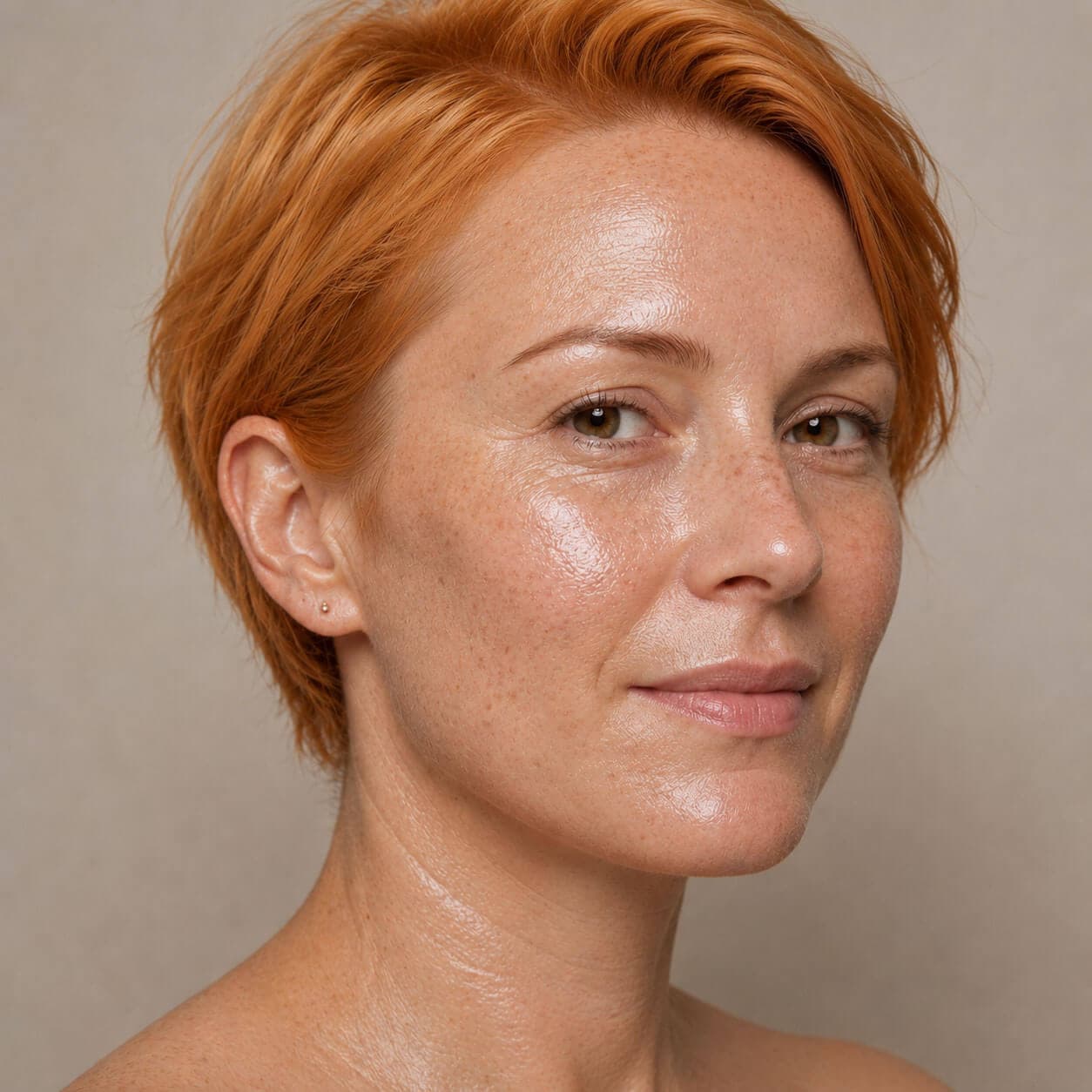
Oily skin
Oily skin isn't a problem to "fix". It's a feature with trade-offs. Here's what actually controls sebum, what doesn't, and the routine that works without stripping.
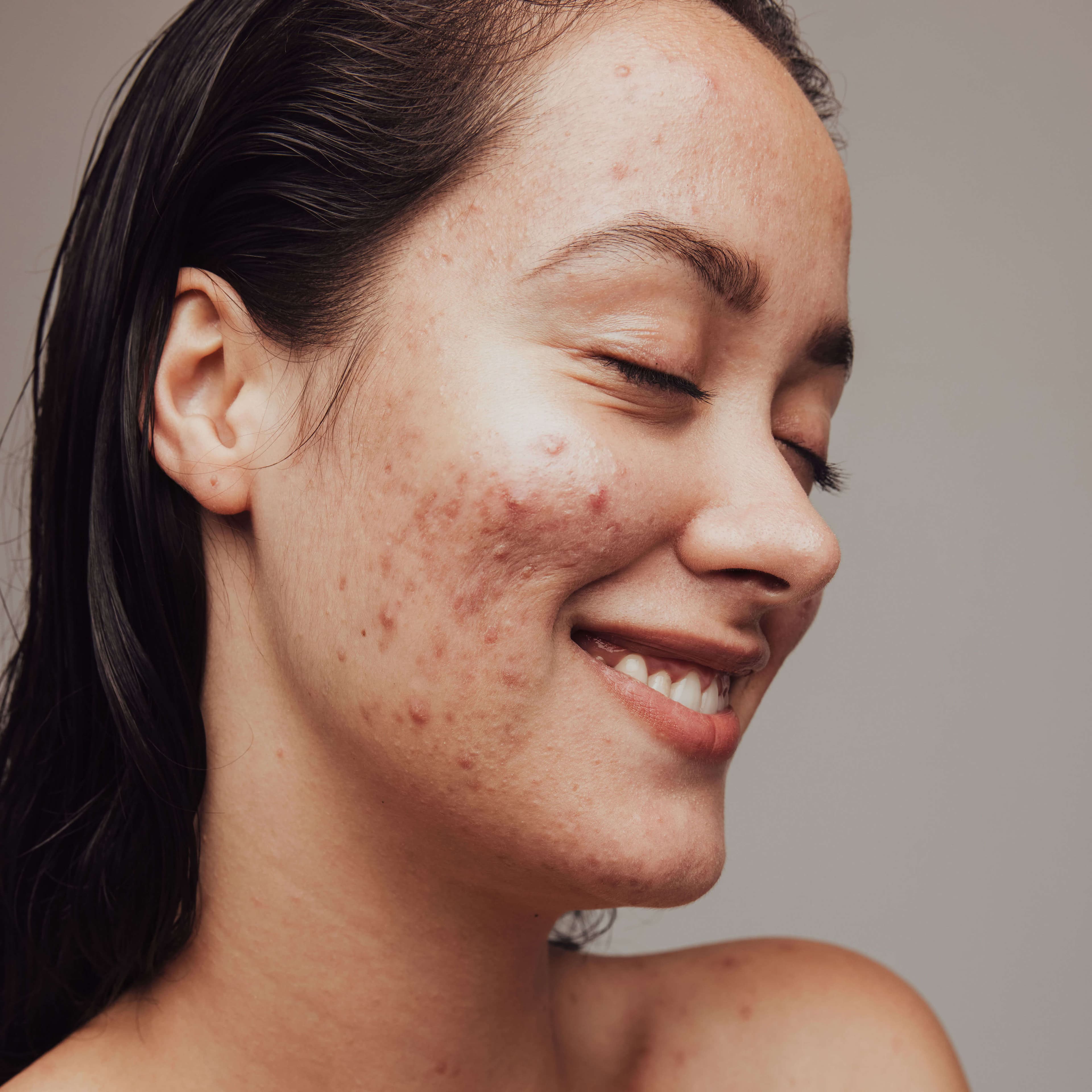
Acne and blemishes
A clear-headed guide to acne: what's actually happening in your skin, what the evidence says works, and a simple routine that doesn't make things worse.
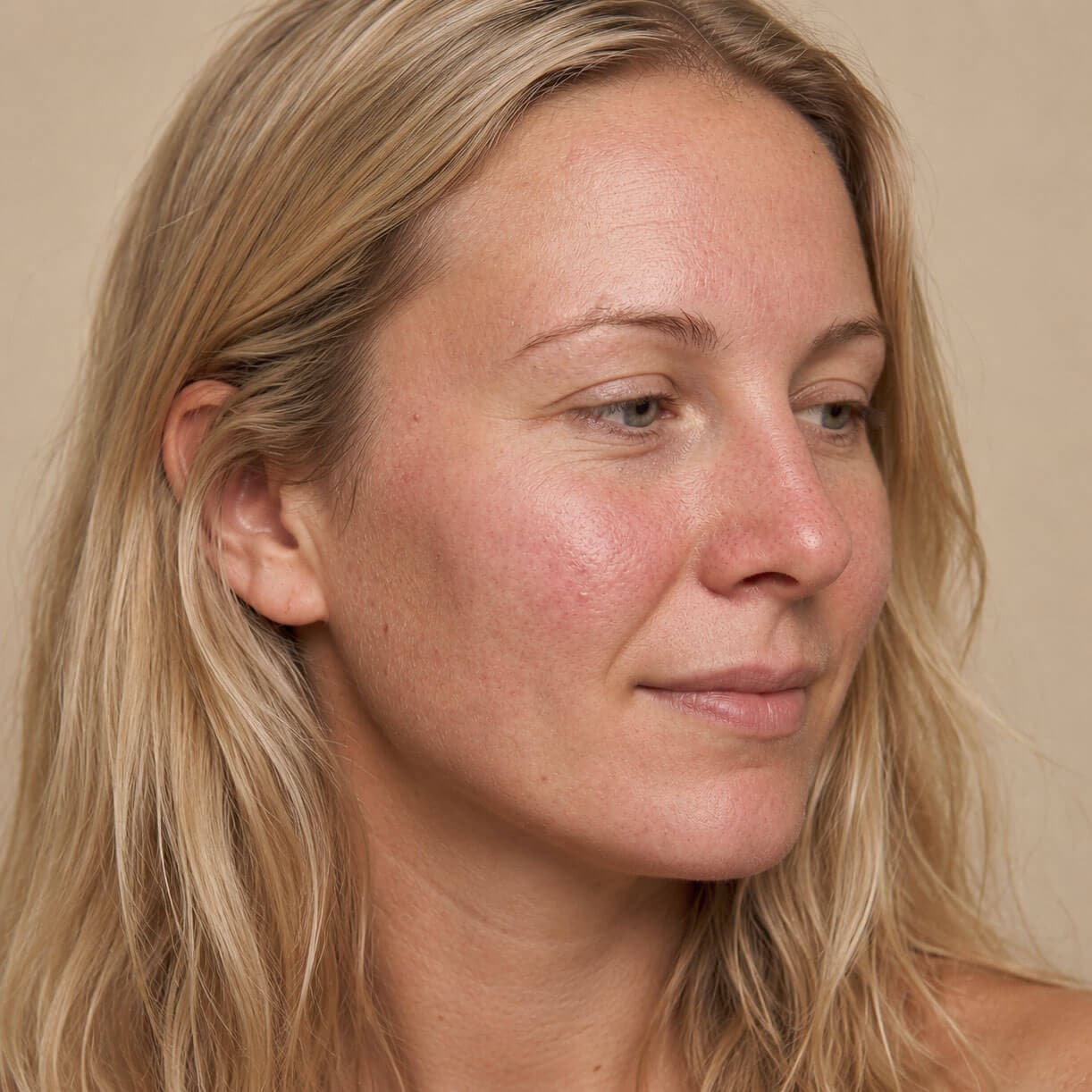
Sensitive skin
"Sensitive" is a symptom, not a diagnosis. Learn what drives reactive skin, the routine that calms it, and what to leave out.

Combination skin
Oily T-zone, drier or normal cheeks, and a routine that has to address both without making either worse. Here's how to actually balance combination skin.
Related ingredients
Citations
- Ananthapadmanabhan KP, Moore DJ, Subramanyan K, et al. Cleansing without compromise: the impact of cleansers on the skin barrier and the technology of mild cleansing. Dermatol Clin. 2004;22(4):547-556. — PMID 14728695
- Walters RM, Mao G, Ehteramnia M, et al. Skin Cleansing without or with Compromise: Soaps and Syndets. Molecules. 2022;27(3):985. — PMID 35335373
- Takagi Y, Shimizu M, Morokuma Y, et al. A new formula for a mild body cleanser: sodium laureth sulphate supplemented with sodium laureth carboxylate and lauryl glucoside. Int J Cosmet Sci. 2014;36(3):271-277. — PMID 24617572