
Cocamidopropyl Betaine
A mild amphoteric surfactant commonly used in gentle cleansers. Helps remove dirt and oil with less stripping than many harsher sulfate-only washes — though rare sensitivity still happens.
At a glance
What Cocamidopropyl Betaine does for skin, and how to read the practical safety signals.
- Cocamidopropyl betaine is a coconut-derived surfactant that makes cleansers foam and feel milder.
- Often paired with sulfate surfactants to reduce harshness — the blend matters more than any single name on the list.
- A small subset of people develop contact allergy to CAPB or related impurities; patch test if your eyelids or neck react to new washes.
- Type
- Surfactant
- Rating
- Pregnancy
- Considered safe
- Comedogenic rating
- 0/5 (Won't clog pores)
- Vegan
- Yes
- Suited skin types
- All skin types
On this page
The short answer
Cocamidopropyl betaine — often shortened to CAPB on formulation spreadsheets — is a mild amphoteric surfactant.
That is the cosmetic way of saying: it helps a cleanser remove dirt, oil, and sunscreen residue while keeping the wash foamier and less harsh than many old-school sulfate-only formulas.
It is not a treatment active. It will not clear pores by itself. But for sensitive, dry, and acne-prone skin, the cleanser surfactant system is the foundation everything else stands on.
Get cleansing wrong and your expensive serums are basically performing on hostile territory.
What the evidence actually shows
Safety in cosmetics. A 2012 Cosmetic Ingredient Review expert panel report on cocamidopropyl betaine concluded it is safe as used in cosmetics under current practices, while noting that contact allergy can occur in sensitized individuals[1]. That nuance matters: mild for most people does not mean impossible to react to.
Updated safety review. A 2024 safety assessment[2] revisited cocamidopropyl betaine use in cosmetics in light of newer exposure and formulation data — again supporting safe use while keeping allergy awareness on the table. For readers, the practical line is: CAPB is a standard gentle-cleanser ingredient, not a villain — but listen to your skin if a new wash misbehaves.
Why gentle cleansing matters. A classic moisturiser and barrier review[3] reminds us that healthy stratum corneum depends on not constantly stripping the surface lipids and then panic-compensating with heavy products. Cocamidopropyl betaine fits the mild cleansing side of Danish Skin Care philosophy: clean skin that still feels like skin afterward.
How it behaves in a face wash
In rinse-off cleansers, cocamidopropyl betaine usually:
- boosts foam and spread
- reduces the harsh edge of stronger anionic surfactants
- helps the wash rinse clean without leaving a film
You will often see it beside:
- Glycerin: so the wash does not feel instantly dehydrating.
- Sodium cocoyl isethionate: another foaming surfactant that can sit in a mild syndet blend; the complete formula still decides comfort.
- Sodium PCA: NMF-style humectant support in the same water phase.
- Aqua: the solvent base that keeps everything distributed.
The blend matters. CAPB in a fragrance-heavy, ultra-alkaline, double-cleanse routine is not the same as CAPB in a simple daily wash used for thirty seconds and rinsed off.
Who should consider it — and who should stop
Cocamidopropyl betaine makes sense if you want:
- a daily face wash that removes grime without the tight "barrier emergency" feeling
- a sensible base before salicylic acid or retinol steps
- less temptation to overwash oily skin into even more chaos
Stop and reassess if you notice:
- stinging eyelids after washing
- persistent neck or jawline rashes from a new cleanser
- skin that feels worse despite "gentle" marketing
Those patterns can fit CAPB allergy or simply a formula that does not suit you. Either way, the answer is not more scrubbing.
The practical takeaway
My goal with this guide was to gather the useful science on cocamidopropyl betaine in one place, so you can stop hunting for the next clever fix and do the simple, effective things your skin actually needs.
That is also why I made the Danish Skin Care Kit: a calm routine built around documented ingredients, and one that has helped more than 100,000 people with problem skin. If even the smallest question is still nagging you, send me an email at info@danishskincare.com.
Common questions
Is cocamidopropyl betaine harsh?
Usually the opposite. It is added to make cleansers milder and better foaming. Harshness usually comes from the full surfactant blend, pH, fragrance, and how often you scrub or double-cleanse.
Why do some people react to cocamidopropyl betaine?
CAPB can cause contact allergy in a subset of people, sometimes linked to manufacturing impurities in older literature. If a wash stings your eyelids or leaves odd neck rashes, stop using it and consider patch testing.
Is cocamidopropyl betaine good for acne-prone skin?
It can be. Gentle cleansing matters for acne-prone skin because over-stripping often leads to more oil and more irritation. CAPB supports mildness, but acne still needs leave-on actives such as salicylic acid or retinoids.
Reading a real label?
Scan a product to see how it is formulated
Upload a photo of the ingredient list and get a quick ingredient-by-ingredient read against the evidence-led database.
Found in these Danish Skin Care products

Cocamidopropyl betaine helps the Face Wash cleanse without the tight, stripped feeling that pushes people to over-moisturise afterward.

The Kit starts with this gentle cleanser so the rest of the routine builds on calm skin, not an irritated baseline.
Skin conditions it actively helps with
Where the published evidence puts Cocamidopropyl Betaine on the short list of active ingredients worth reaching for.
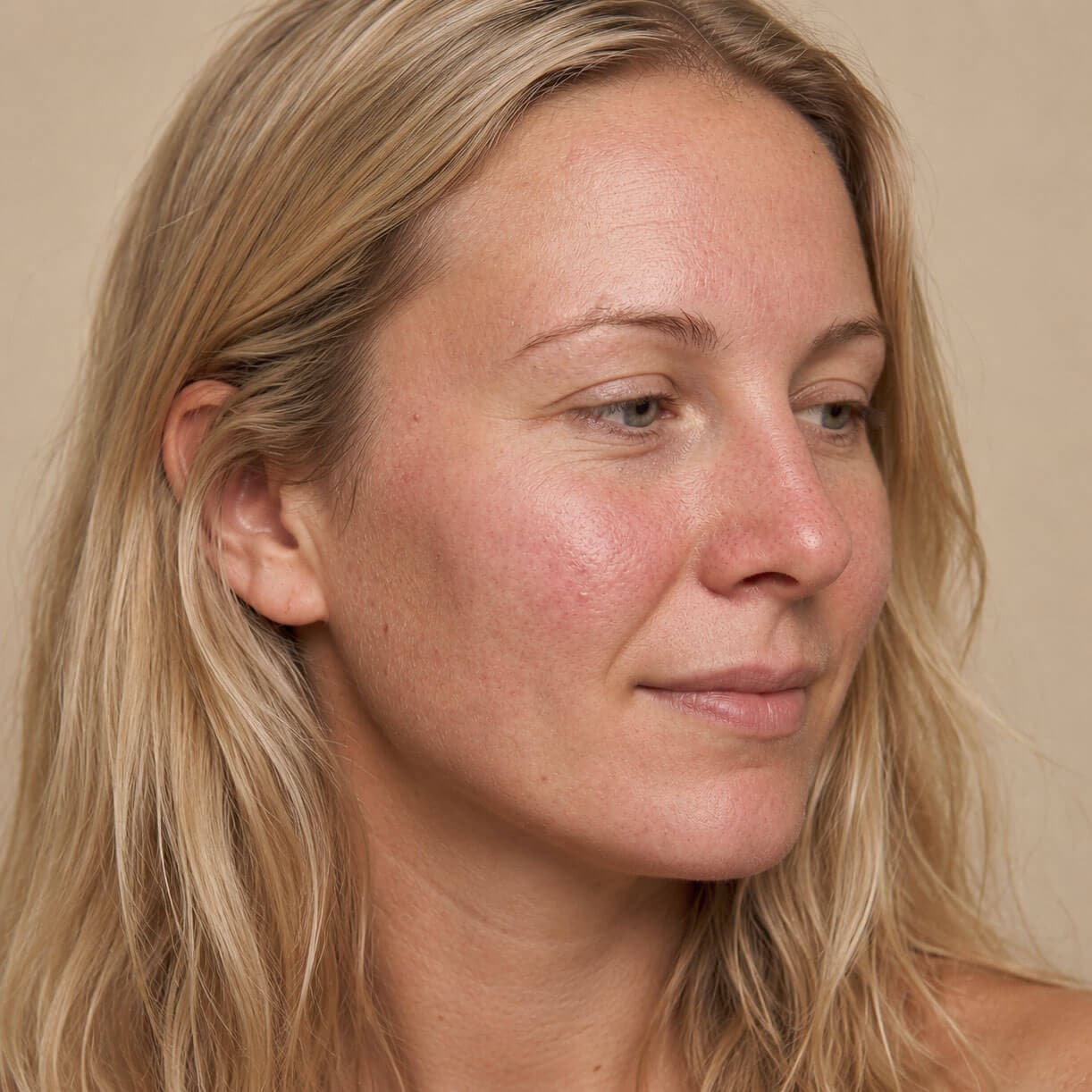
Sensitive skin
"Sensitive" is a symptom, not a diagnosis. Learn what drives reactive skin, the routine that calms it, and what to leave out.

Dry skin
Dry skin is usually a barrier problem, not simply a water problem. Here's the difference between dry and dehydrated, why it matters, and the routine that actually helps.
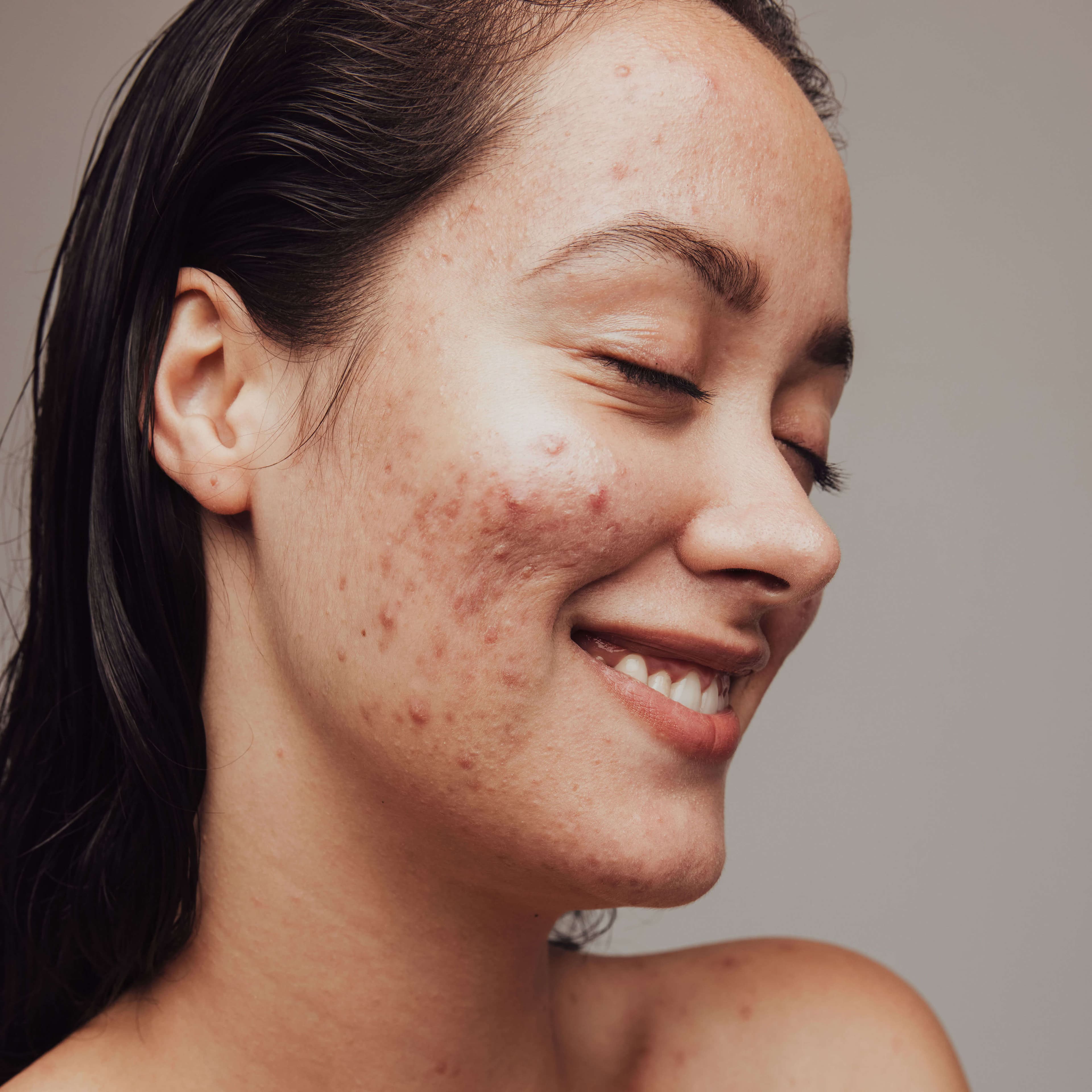
Acne and blemishes
A clear-headed guide to acne: what's actually happening in your skin, what the evidence says works, and a simple routine that doesn't make things worse.
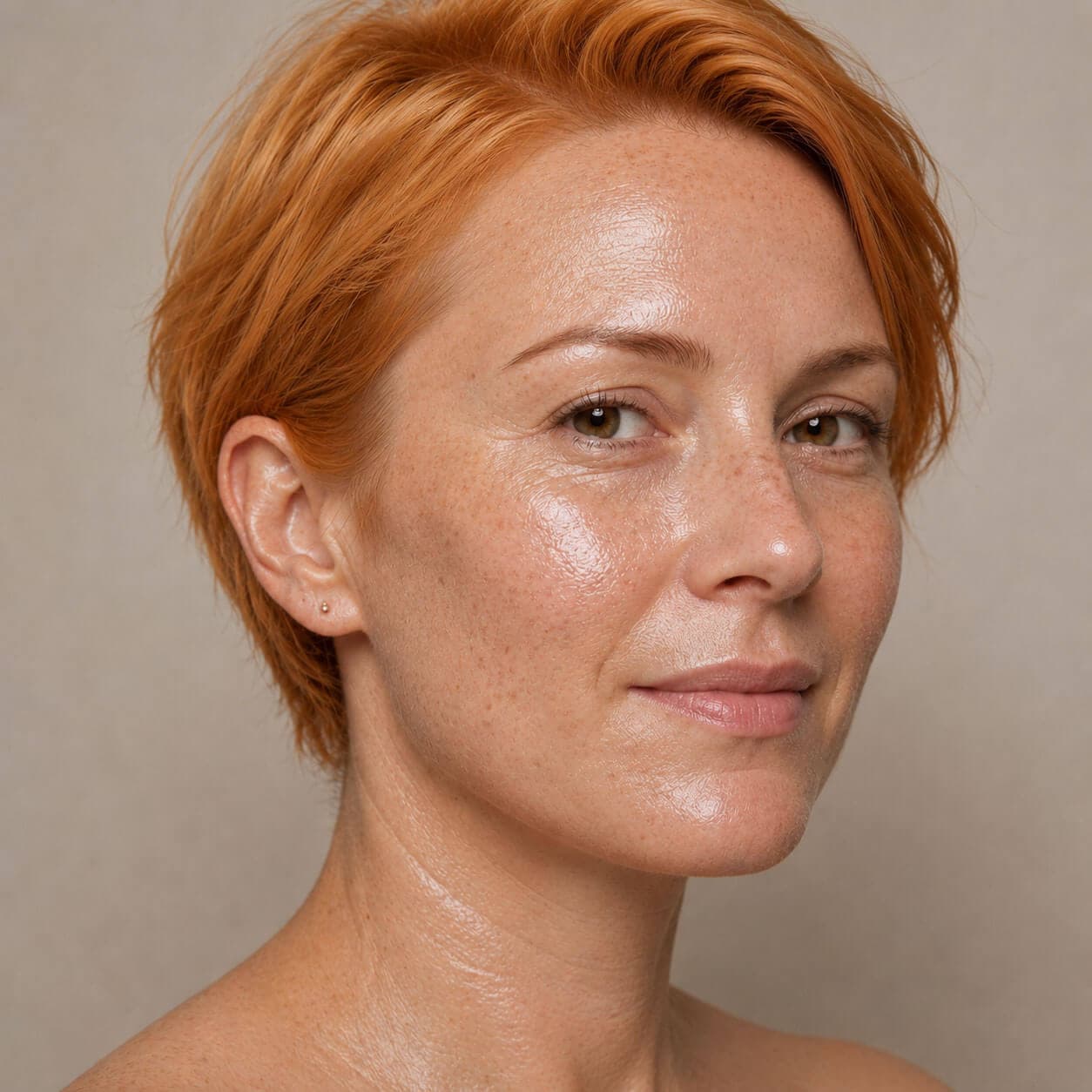
Oily skin
Oily skin isn't a problem to "fix". It's a feature with trade-offs. Here's what actually controls sebum, what doesn't, and the routine that works without stripping.
Related ingredients
Citations
- Burnett CL, Bergfeld WF, Belsito DV, et al. Final report of the Cosmetic Ingredient Review Expert Panel on the safety assessment of cocamidopropyl betaine (CAPB). Int J Toxicol. 2012;31(4 Suppl):77S-111S. — PMID 22869896
- Fiume MM, Heldreth B, Bergfeld WF, et al. Safety assessment of cocamidopropyl betaine as used in cosmetics. Toxicol Res. 2024;40(2):251-268. — PMID 38911545
- Draelos ZD. Therapeutic moisturizers. Dermatol Clin. 2000;18(4):597-607. — DOI 10.1016/S0733-8635(05)70210-2