
Best ingredients for acne scars and post-acne marks
The right ingredient depends on whether you have red marks, brown marks, active acne, or true texture scars. Here is the calm way to choose.

On this page
The phrase "best ingredient for acne scars" sounds simple until your skin gets involved.
Because one person means red marks. Another means brown marks. Another means tiny dents. Another means active acne plus marks plus irritation from trying every serum that promised confidence in eight days.
When I struggled with acne, I wanted the strongest thing. I understand that urge. But after helping more than 100,000 people with problem skin, I would rather ask a better question:
What are we treating?
The short answer
The best ingredient depends on the leftover problem:
- For new breakouts: salicylic acid, benzoyl peroxide, retinoids, or prescription treatment when needed.
- For brown marks: SPF, azelaic acid, niacinamide, retinoids, vitamin C, kojic acid, tranexamic acid, and dermatologist options.
- For red marks: barrier support, azelaic acid or niacinamide when tolerated, sunscreen, and sometimes professional vascular treatments.
- For indented scars: skincare support plus professional procedures.
That last line is important. If a scar is a dent in the skin, an ingredient can support the skin around it, but it cannot reliably lift the floor of the dent by itself.
Start with sunscreen
I know. Sunscreen is not the ingredient people hoped would win the beauty contest.
But for brown post-acne marks, SPF is the step that prevents the mark from getting darker while everything else tries to help it fade.
A 2010 review[1] on post-inflammatory hyperpigmentation describes photoprotection as part of first-line management. That is especially relevant for skin that pigments easily, but it matters for everyone trying to fade brown marks.
If the sunscreen feels awful, find a better one. The most effective sunscreen is the one you wear without negotiating with yourself every morning.
Niacinamide
Niacinamide is one of the most useful supporting ingredients for acne marks because it does several quiet things at once.
It can support the barrier, help visible redness, support sebum balance, and reduce the appearance of pigmentation. A 2002 study[2] found that topical niacinamide reduced visible pigmentation over several weeks.
I like niacinamide for people who want a mark-support ingredient but do not want their routine to become spicy.
Use it when:
- Your skin is easily irritated.
- You have uneven tone after acne.
- You also struggle with oiliness or visible pores.
- You want something that fits a simple daily routine.
Azelaic acid
Azelaic acid is the ingredient I reach for when acne, redness, and pigmentation overlap.
It helps acne-prone skin, has anti-inflammatory activity, and can support uneven tone by affecting pigment production. A 2020 review[4] of cosmeceuticals for hyperpigmentation places azelaic acid among useful topical options for facial pigmentation.
It can tingle at first. That does not mean your skin is being purified by destiny. It means start slowly.
Use it when:
- You have acne plus post-acne marks.
- Marks are brown or uneven.
- Redness is also part of the picture.
- You want one ingredient that does more than one job.
Retinoids
Retinoids are useful, but they are not casual.
They help acne by normalising how cells shed inside follicles, and they support turnover and long-term texture. A 2019 review[3] discusses topical retinoids in preventing and treating atrophic acne scarring, with the central idea that early, effective acne treatment reduces future scar risk.
The problem is irritation.
Too much retinoid too quickly can create dryness, peeling, redness, and in pigment-prone skin, more post-inflammatory pigmentation. So the best retinoid routine is often the least dramatic one:
- Start a few nights per week.
- Moisturise.
- Avoid stacking strong acids on the same night at first.
- Increase only if the skin stays comfortable.
Use it when:
- Acne is recurring.
- Texture is part of the concern.
- Your skin can tolerate gradual active use.
- You are patient enough to measure progress in months.
Salicylic acid
Salicylic acid is not a classic brightening ingredient.
Its value for acne marks is upstream: fewer clogged pores and fewer inflamed breakouts mean fewer future marks.
If your marks come from recurring blackheads, whiteheads, or pimples, salicylic acid can be more useful than another pigment serum because it helps reduce the source of the problem.
Use it when:
- You still get clogged pores.
- Blackheads and whiteheads are part of the pattern.
- New pimples keep creating new marks.
- Your skin tolerates leave-on exfoliation.
Vitamin C
Vitamin C can support uneven tone and antioxidant protection, especially when formulated well.
The practical issue is formulation and tolerance. L-ascorbic acid can be effective but may sting or destabilise in poor formulas. Gentler derivatives can be easier to tolerate but may be less direct.
Use it when:
- Pigment is the main issue.
- Your routine is already stable.
- You tolerate acidic or antioxidant serums well.
- You are not already using too many actives.
Tranexamic acid and kojic acid
Tranexamic acid and kojic acid can be useful in pigmentation routines, especially when brown marks are stubborn.
They are not usually my first step for a stressed acne routine. I would rather stabilise the skin first, then add pigment-specific support if needed.
Use them when:
- Brown marks are the main concern.
- Sunscreen is already daily.
- Acne is reasonably controlled.
- Your skin is calm enough to trial another active.
What about red marks?
Red post-acne marks are different.
A 2022 systematic review[5] on post-acne erythema found that light and laser treatments are commonly used for persistent red marks, with pulsed dye laser and other devices often studied. Topicals may support the skin, but PIE is more vascular and inflammatory than pigment-based.
That means your routine should focus on:
- Reducing new inflammation.
- Avoiding irritation.
- Supporting the barrier.
- Using sunscreen.
- Considering professional options if redness persists.
Do not treat every red mark like a brown spot. Different colour, different biology.
What about indented acne scars?
Indented scars are not a missing ingredient problem.
They are a structure problem.
Professional treatments may include microneedling, fractional laser, subcision, TCA CROSS, fillers, or combinations. The right plan depends on scar type, skin tone, active acne, and healing risk.
Skincare still matters because it can:
- Prevent new acne.
- Reduce new scar risk.
- Support the barrier.
- Protect marks from UV.
- Prepare the skin for procedures.
But a serum promising to erase pitted scars at home is asking you to be very generous with your belief system.
A simple ingredient plan
If you want the least confusing route, start here:
If acne is still active
Use salicylic acid or another tolerated acne treatment, moisturise, and use SPF. Treat the acne first.
If brown marks are the main issue
Use SPF every morning. Add azelaic acid or niacinamide. Consider retinoid support if tolerated.
If red marks are the main issue
Keep the routine calming. Consider azelaic acid or niacinamide. Do not over-exfoliate. Ask a dermatologist about vascular options if marks persist.
If texture scars are the main issue
Keep the acne controlled and book professional advice.
My final advice
Do not build an acne-mark routine by collecting ingredients.
Build it by answering the problem:
- Are new breakouts still happening?
- Is the leftover mark red?
- Is it brown?
- Is the skin surface changed?
Then choose one useful next step and give it time.
The right ingredient should make your routine easier to repeat, not turn your bathroom into a stressful laboratory with better lighting.
People also ask
What ingredient is best for acne marks?
There is no single best ingredient for every mark. Brown PIH often benefits from SPF plus pigment-supporting ingredients such as azelaic acid, niacinamide, retinoids, vitamin C, or tranexamic acid. Red PIE often needs calm skin and time.
Can ingredients remove pitted acne scars?
Ingredients can support acne control, healing, and mild texture, but pitted scars usually need professional procedures such as microneedling, laser, subcision, TCA CROSS, or fillers.
Is azelaic acid good for acne marks?
Azelaic acid can be useful because it supports acne-prone skin, inflammation, and uneven tone. It is especially interesting when acne and post-acne pigmentation overlap.
Should I use retinol for acne scars?
Retinoids can help acne, turnover, and long-term texture support, but they should be introduced slowly. Irritation can worsen post-inflammatory pigmentation in some skin.
Choose ingredients by the problem, not the hype
For acne scars and marks, I would rather see one calm routine used daily than six impressive products used angrily. The Danish Skin Care Kit gives the foundation, and the Optimizer adds azelaic acid plus niacinamide when tone and redness need more support. Start there before building a complicated mark-fading shelf.

The simple starting routine before adding extra mark-focused ingredients: cleanse, treat clogged pores, moisturise, and protect every morning.
Full transparency: Danish Skin Care is my own company — I formulated these products and earn from every sale. That's exactly why I only recommend them where they genuinely fit the guide you just read.
Real results from simple routines
A few real before-and-after cases from people using Danish Skin Care for skin concerns related to this guide. No filters, no miracle promise. Consistent skincare over time.
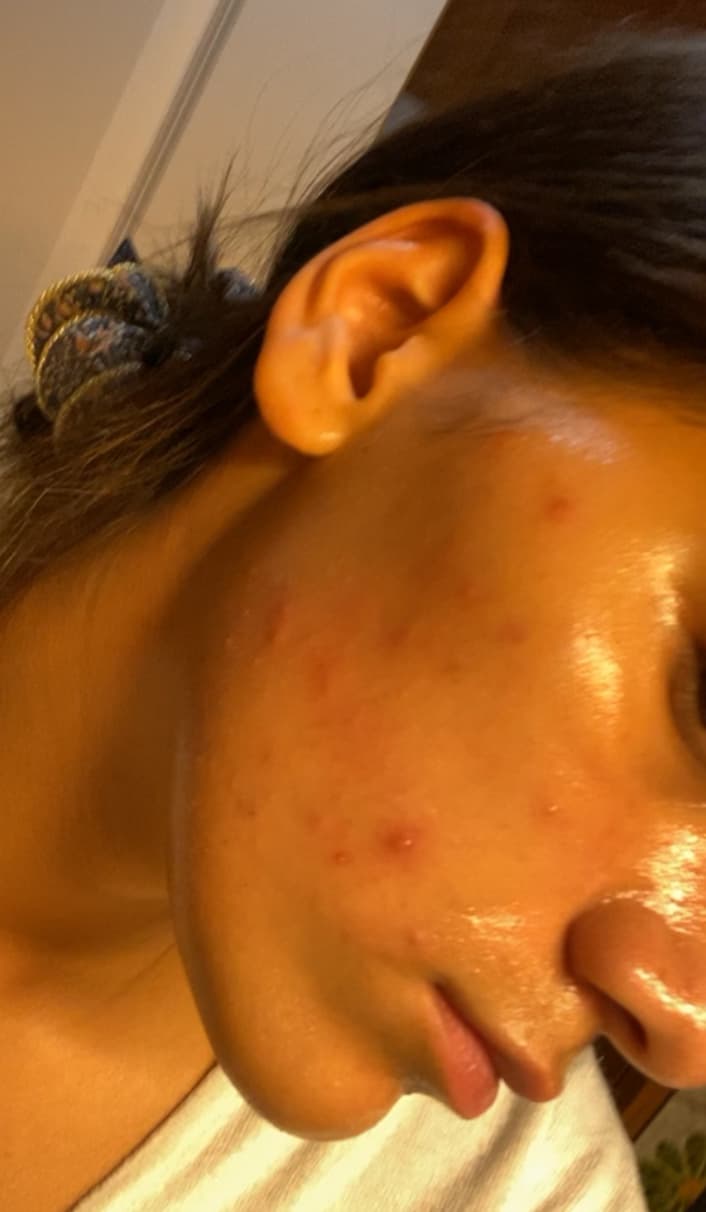 Before
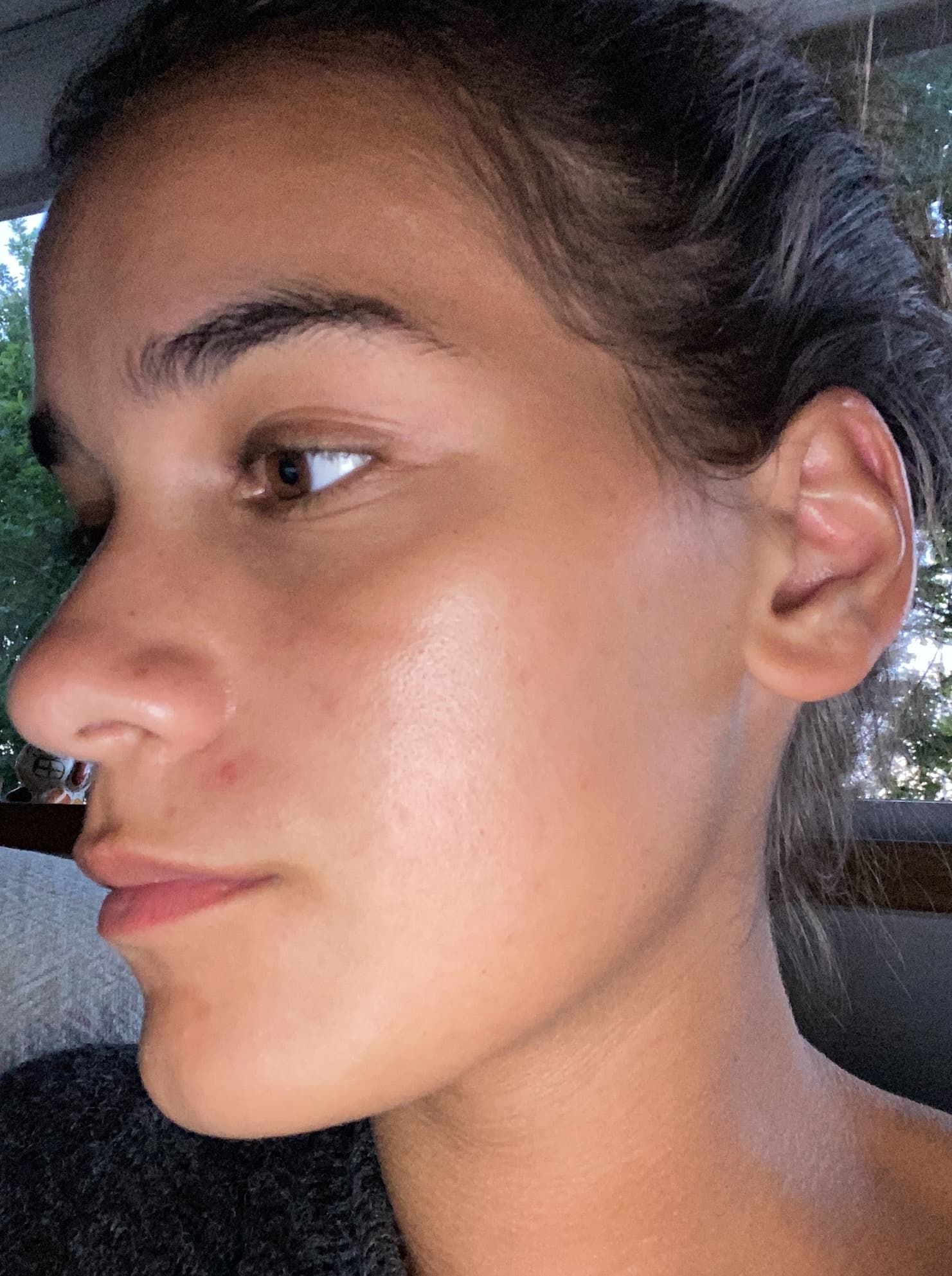 After
After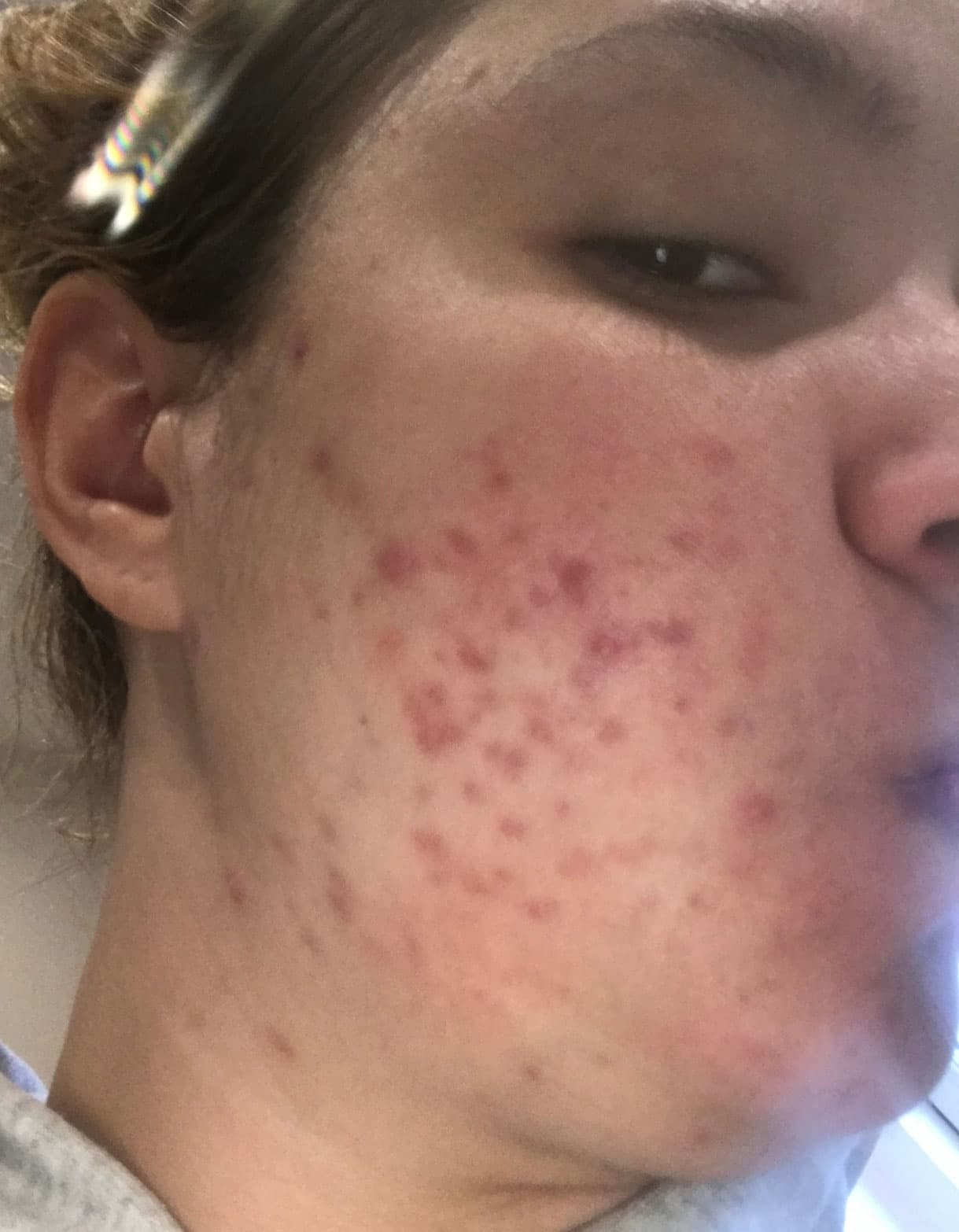 Before
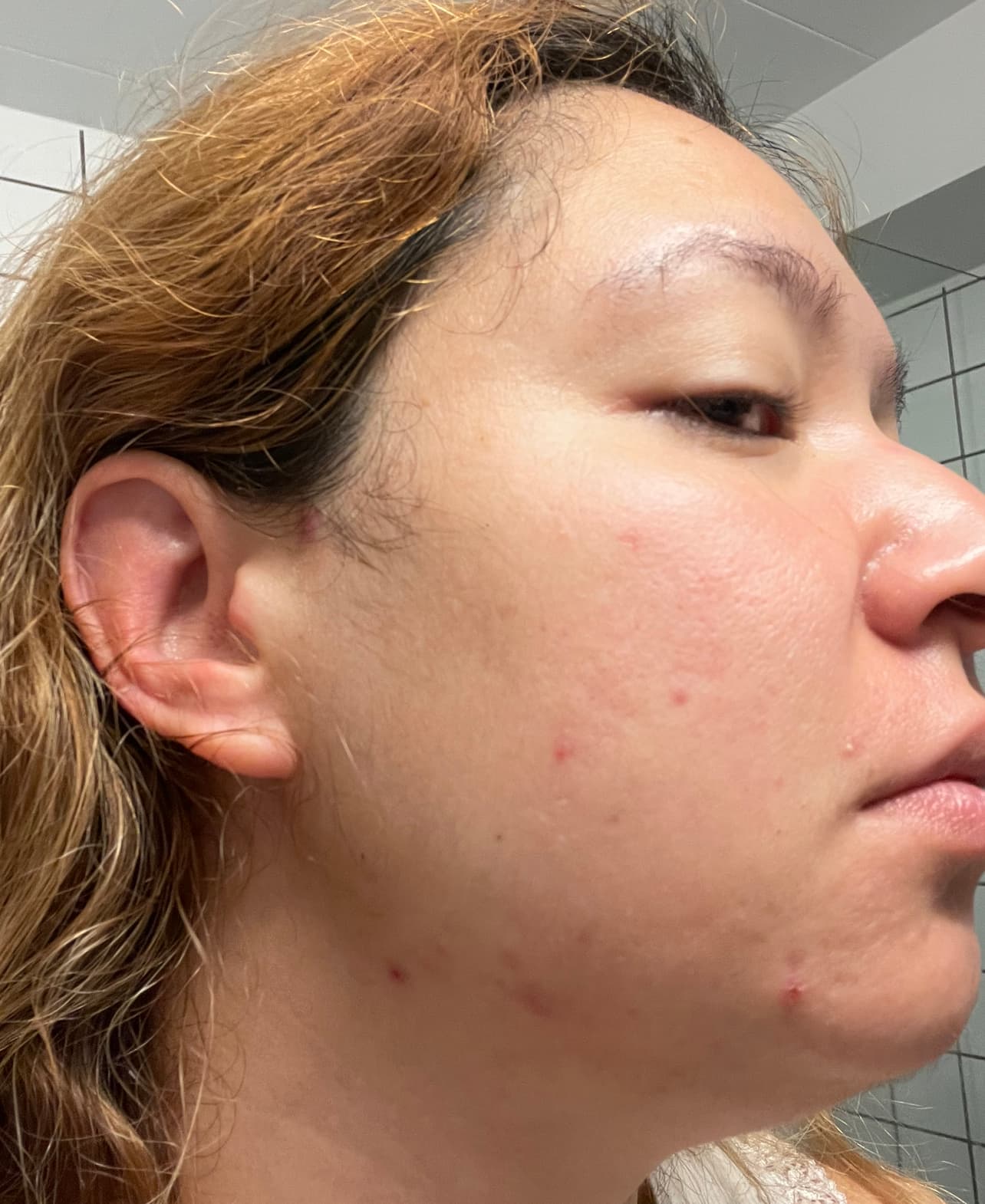 After
After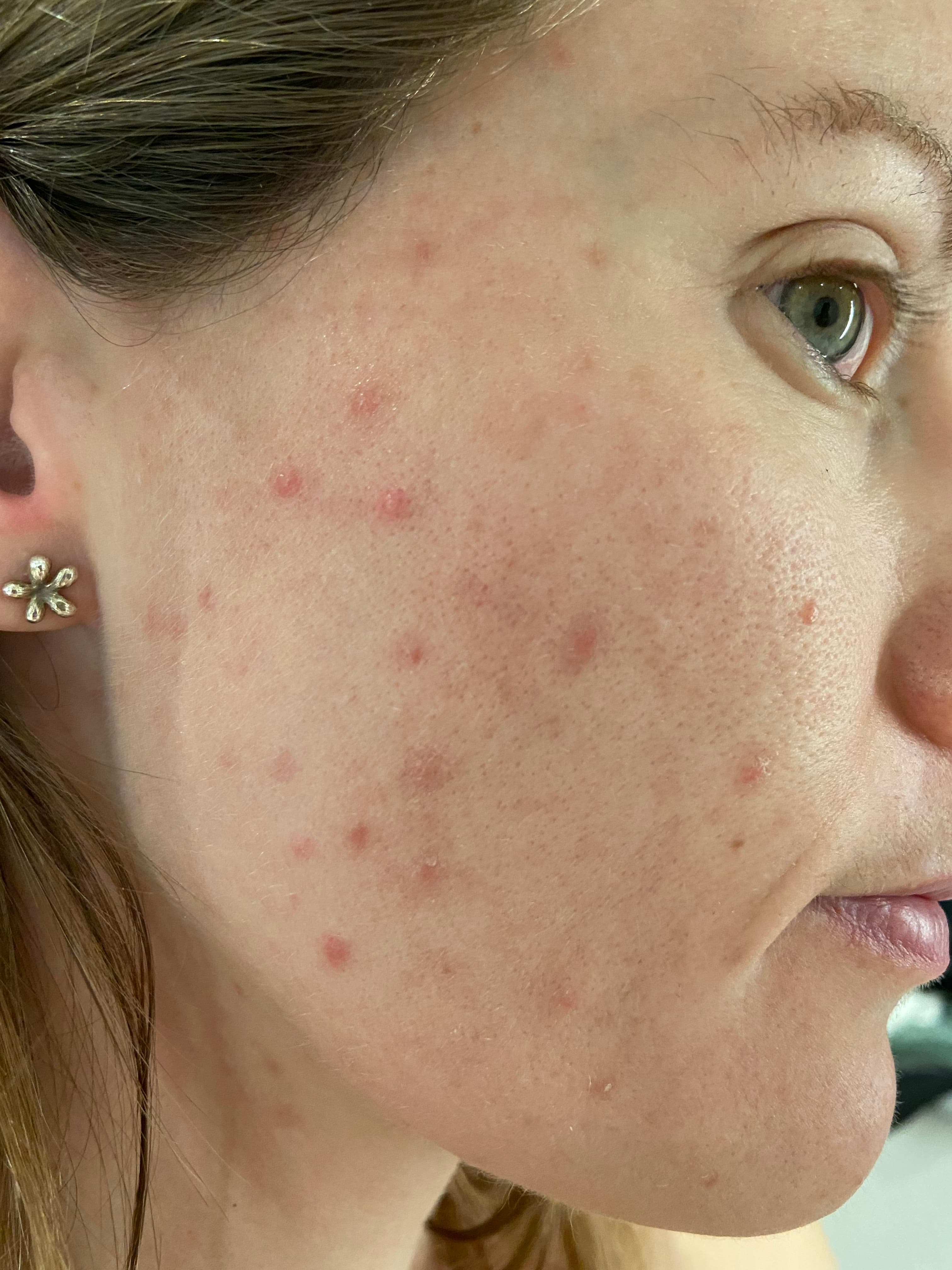 Before
 After
AfterKeep reading
- Ingredient · azelaic acid
- Ingredient · niacinamide
- Ingredient · retinol
- Ingredient · salicylic acid
- Ingredient · tranexamic acid
- Ingredient · l ascorbic acid
- Ingredient · kojic acid
- Condition · acne scars and marks
- Condition · acne and blemishes
- Condition · pigmentation
- Condition · sensitive skin
- Read · how to fade post acne marks
- Read · pie vs pih acne marks
- Read · acne scars
- Read · microneedling
- Read · red light therapy
Citations
- Davis EC, Callender VD. Postinflammatory hyperpigmentation: a review of the epidemiology, clinical features, and treatment options in skin of color. J Clin Aesthet Dermatol. 2010;3(7):20-31.PMID 20725554
- Hakozaki T, et al. The effect of niacinamide on reducing cutaneous pigmentation. Br J Dermatol. 2002;147(1):20-31.PMID 12100180
- Gollnick HPM, et al. The role of topical retinoids in prevention and treatment of atrophic acne scarring. J Eur Acad Dermatol Venereol. 2019;33(3):421-430.PMID 30909329
- Searle T, Al-Niaimi F, Ali FR. The top 10 cosmeceuticals for facial hyperpigmentation. Dermatol Ther. 2020;33(6):e14095.PMID 32852883
- Madan S, et al. Post-acne erythema treatment: A systematic review of the literature. J Cosmet Dermatol. 2022;21(4):1379-1392.PMID 35076997