
Why do pimples leave red marks?
Pimples leave red marks when inflammation lingers after the bump flattens. Learn the difference between red marks, brown marks, and true scars.
On this page
When my acne calmed down, I expected relief.
Instead, I got the sequel: red marks that stayed after the pimple had left. It felt unfair. The spot was gone, but the skin was still keeping a receipt.
I see this constantly in acne before-and-after cases. The first win is fewer new inflamed pimples. The second win is old red marks finally getting a chance to quiet down.
The short answer
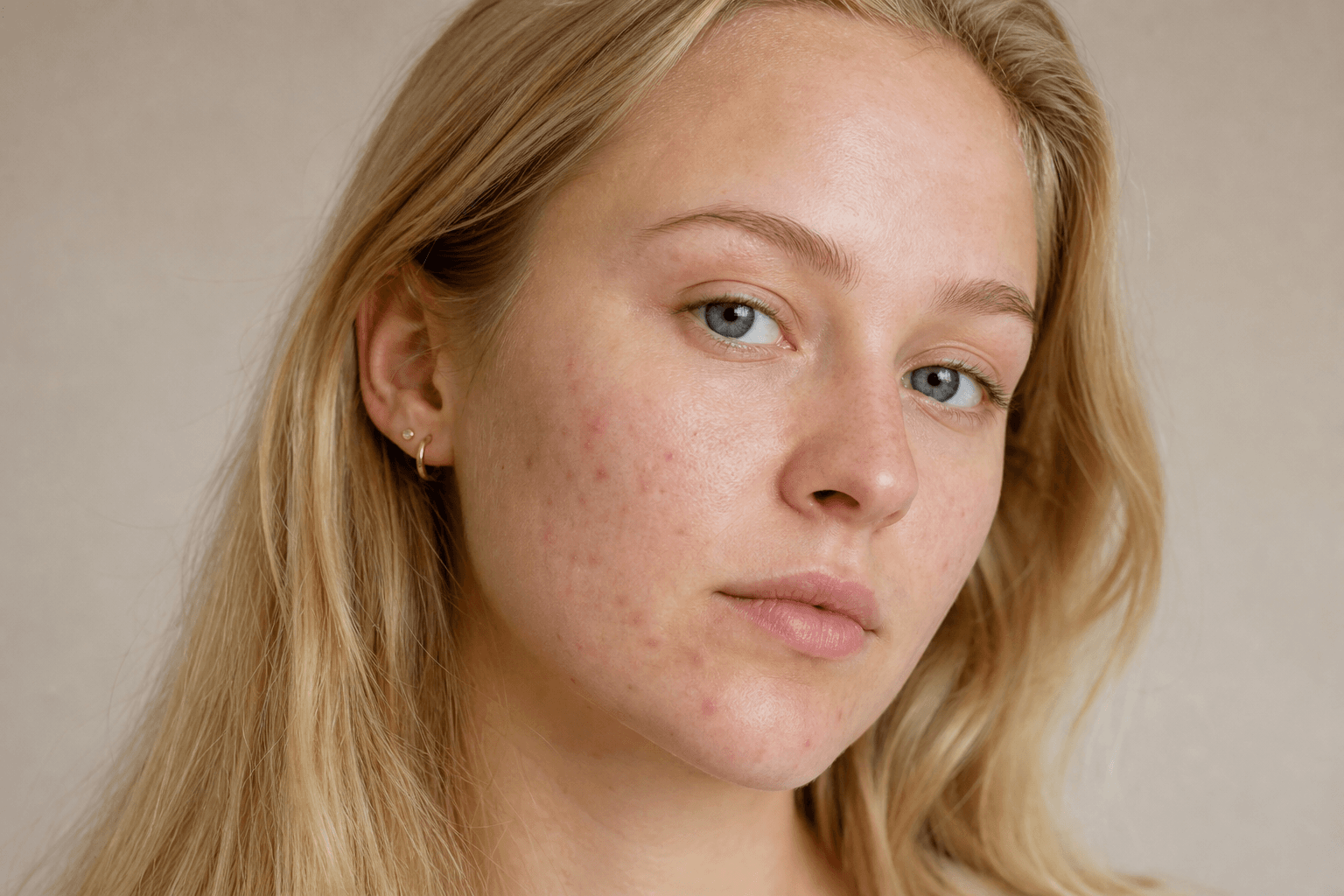
Pimples leave red marks because inflammation can linger in the skin after the bump flattens.
These flat red or pink marks are often called post-acne erythema, or PIE. A 2022 systematic review[1] describes post-acne erythema as a common leftover after acne inflammation and notes that light and laser treatments are often studied for persistent cases.
In plain English: the pimple is over, but the redness system has not fully stood down.
Red marks vs brown marks vs scars
This PIE, PIH, and true acne scar distinction matters because the routine is different.
Red or pink flat marks are usually post-acne erythema. They are linked to lingering redness and tiny blood-vessel changes.
Brown, grey, or tan flat marks are usually post-inflammatory hyperpigmentation. A 2010 review[2] explains that PIH is pigment left after inflammation, especially common and persistent in skin of colour.
Indented or raised texture is a true acne scar. Skincare can support the skin, but dents, pits, and raised scars often need professional treatment.
If you remember only one thing: flat colour is usually a mark. Changed texture is more likely a scar.
Why some pimples mark more than others
Inflamed acne is more likely to leave marks than a tiny clogged pore.
Acne involves the follicle, oil, abnormal shedding, bacteria, and inflammation[3]. The more inflamed the spot becomes, the more cleanup the skin has to do afterward.
Red marks are more likely when:
- the pimple was deep or swollen
- you picked or squeezed it
- the skin stayed irritated from harsh actives
- the same area keeps breaking out
- your skin is naturally prone to redness
Picking is the obvious villain, but over-treating can be the quieter one. A pimple plus daily strong acid plus anxious inspection is not a peaceful healing environment.
What helps red marks fade
Start with the unglamorous part:
- Prevent new inflamed acne.
- Stop picking.
- Use sunscreen daily.
- Keep the barrier calm.
- Use one or two tolerated support ingredients.
Azelaic acid and niacinamide can be useful because they sit in the calm middle: redness support, barrier support, pigment support, and acne-prone skin support.
But the ingredient only helps if your skin can use it repeatedly. A red mark routine that makes the whole face red is not a routine. It is irony.
Why sunscreen still matters
Sunscreen will not bleach a red mark.
It still matters because red marks often overlap with brown marks, and UV can worsen pigmentation. Daily SPF also protects a healing barrier, which is useful when you are using actives for acne or marks.
Think of SPF as reducing background noise while the skin repairs.
When professional treatment makes sense
If red marks are flat but stubborn for months, professional vascular lasers or light-based treatments may help more than another skincare product. The 2022 review[1] found several device approaches studied for post-acne erythema, while also noting that there is no single gold-standard treatment.
See a dermatologist sooner if acne is deep, painful, scarring, or emotionally heavy. You do not need to earn medical help by suffering long enough.
My final advice
Red marks fade best when your skin stops receiving new reasons to stay inflamed.
Treat active acne gently. Wear SPF. Do not pick. Choose calm support ingredients instead of a dramatic mark-fading routine that irritates everything.
The mark is not proof that your skin failed. It is proof that inflammation happened. Now the job is to make the next few weeks quieter.
People also ask
Why do pimples leave red marks after they heal?
Red marks usually come from lingering inflammation and tiny surface blood-vessel changes after an inflamed pimple flattens.
Are red acne marks scars?
Flat red marks are usually post-acne erythema, not true scars. Dents, pits, raised tissue, or rolling shadows are structural scars.
How long do red marks from pimples last?
They can fade over weeks to months. Picking, irritation, new breakouts, and sun exposure can make the process feel slower.
What helps red marks fade?
Control active acne, use SPF, avoid picking, keep the barrier calm, and consider azelaic acid or niacinamide. Persistent red marks may need professional light or laser treatment.
The routine I would use while red marks fade
Red post-acne marks need fewer new breakouts, less picking, and a routine that does not keep the skin inflamed. The Danish Skin Care Kit is the calm foundation I would use here: cleanse, treat clogged pores with salicylic acid, moisturise, and protect every morning. If redness and uneven tone need more support, the Optimizer can be added without turning the routine into a small pharmacy.

A simple foundation for fewer new breakouts and calmer mark fading: cleanser, salicylic acid treatment, moisturiser, and daily SPF.
Full transparency: Danish Skin Care is my own company — I formulated these products and earn from every sale. That's exactly why I only recommend them where they genuinely fit the guide you just read.
Real results from simple routines
A few real before-and-after cases from people using Danish Skin Care for skin concerns related to this guide. No filters, no miracle promise. Consistent skincare over time.
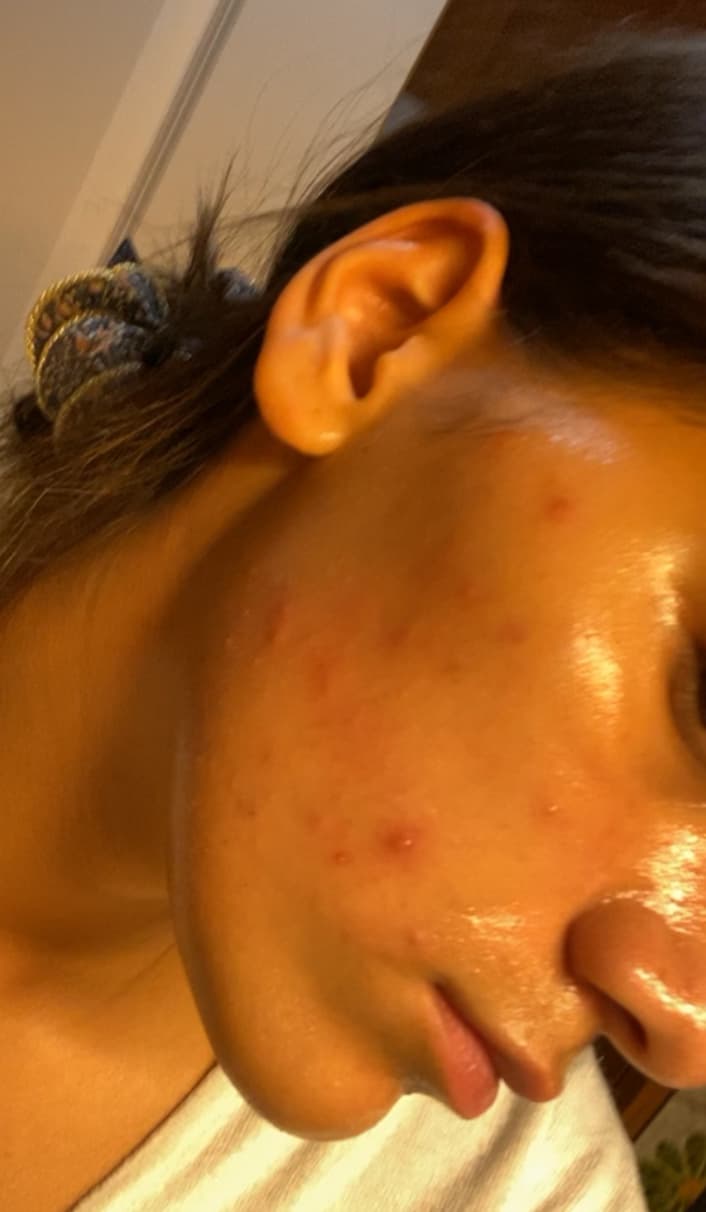 Before
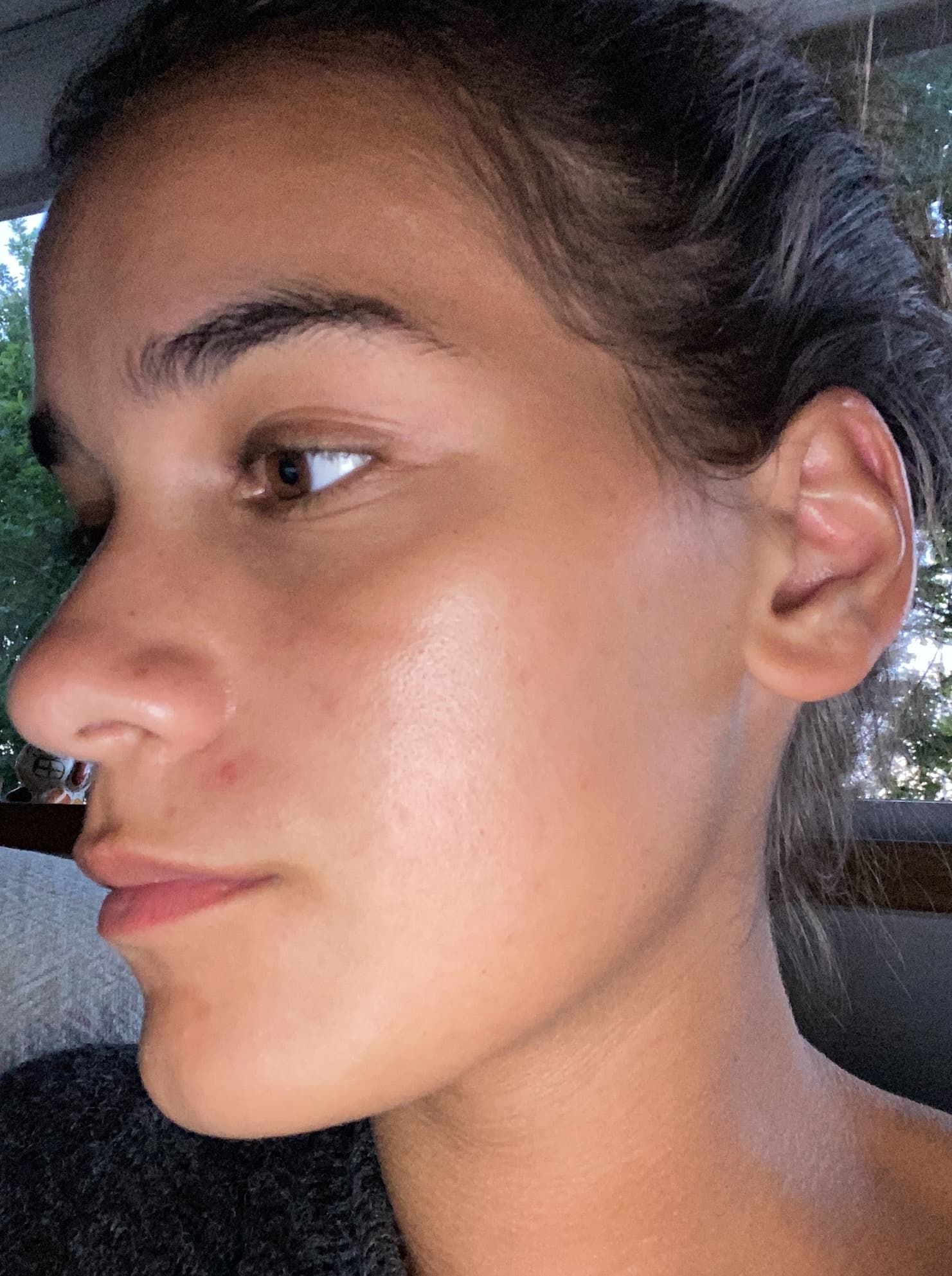 After
After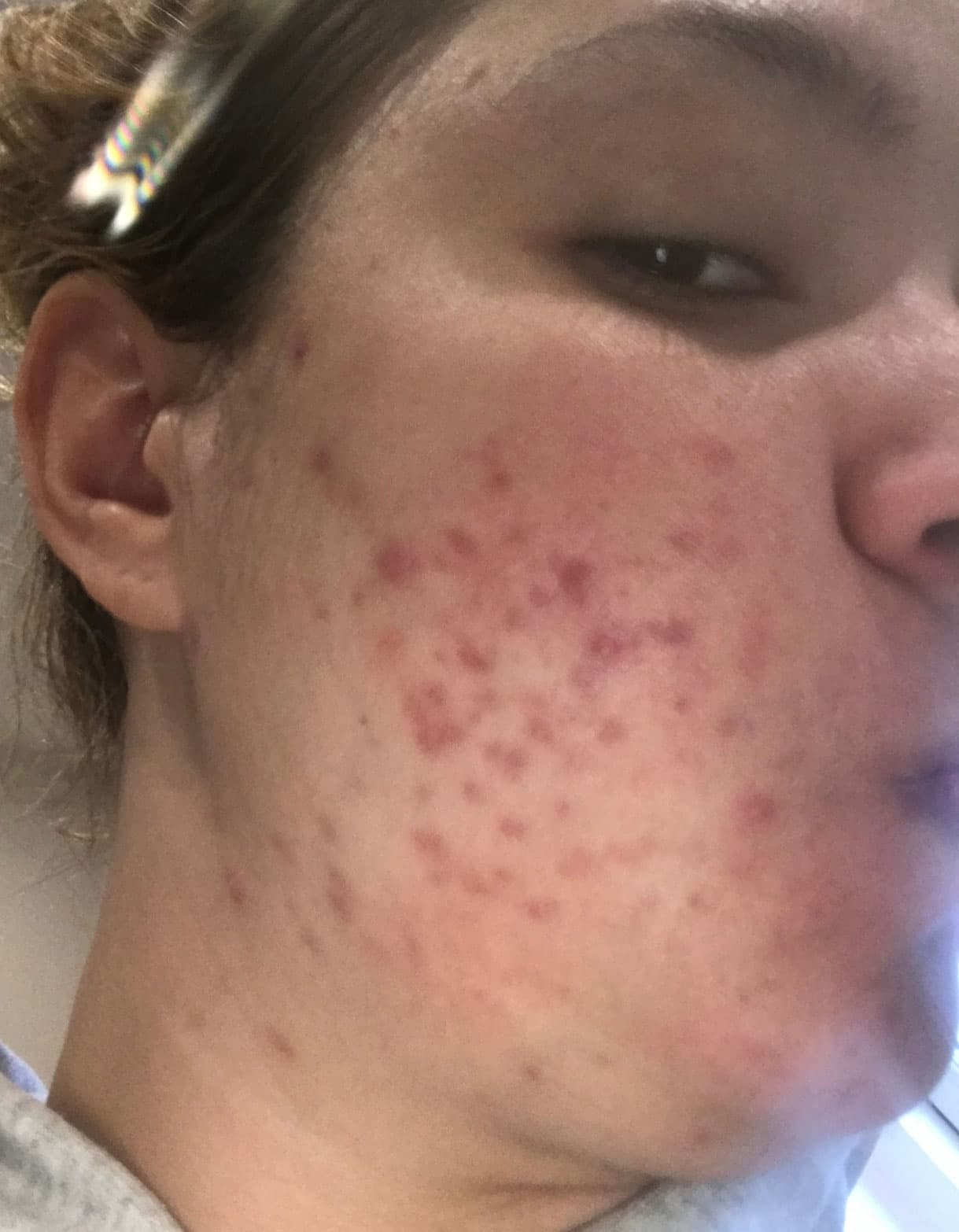 Before
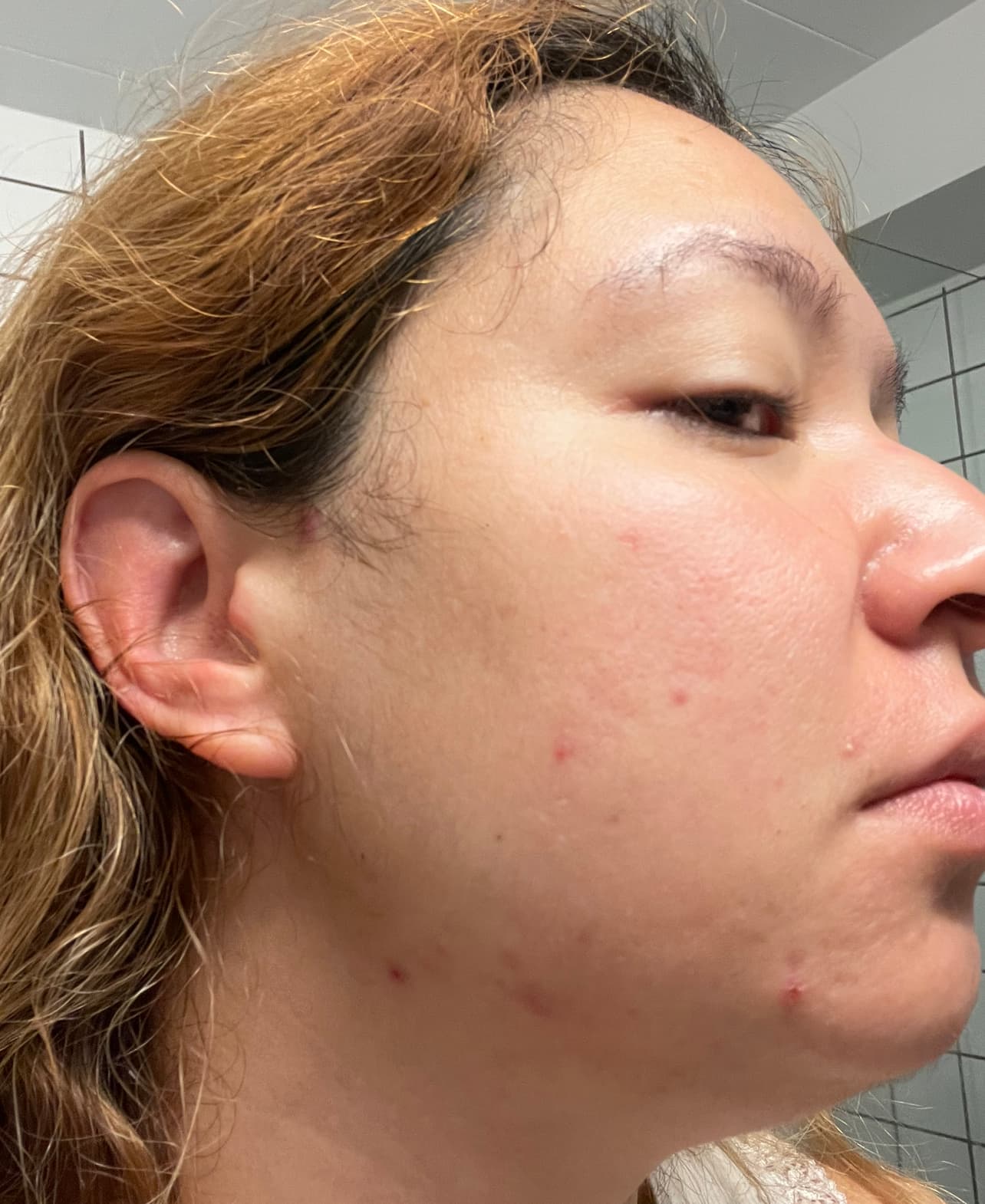 After
After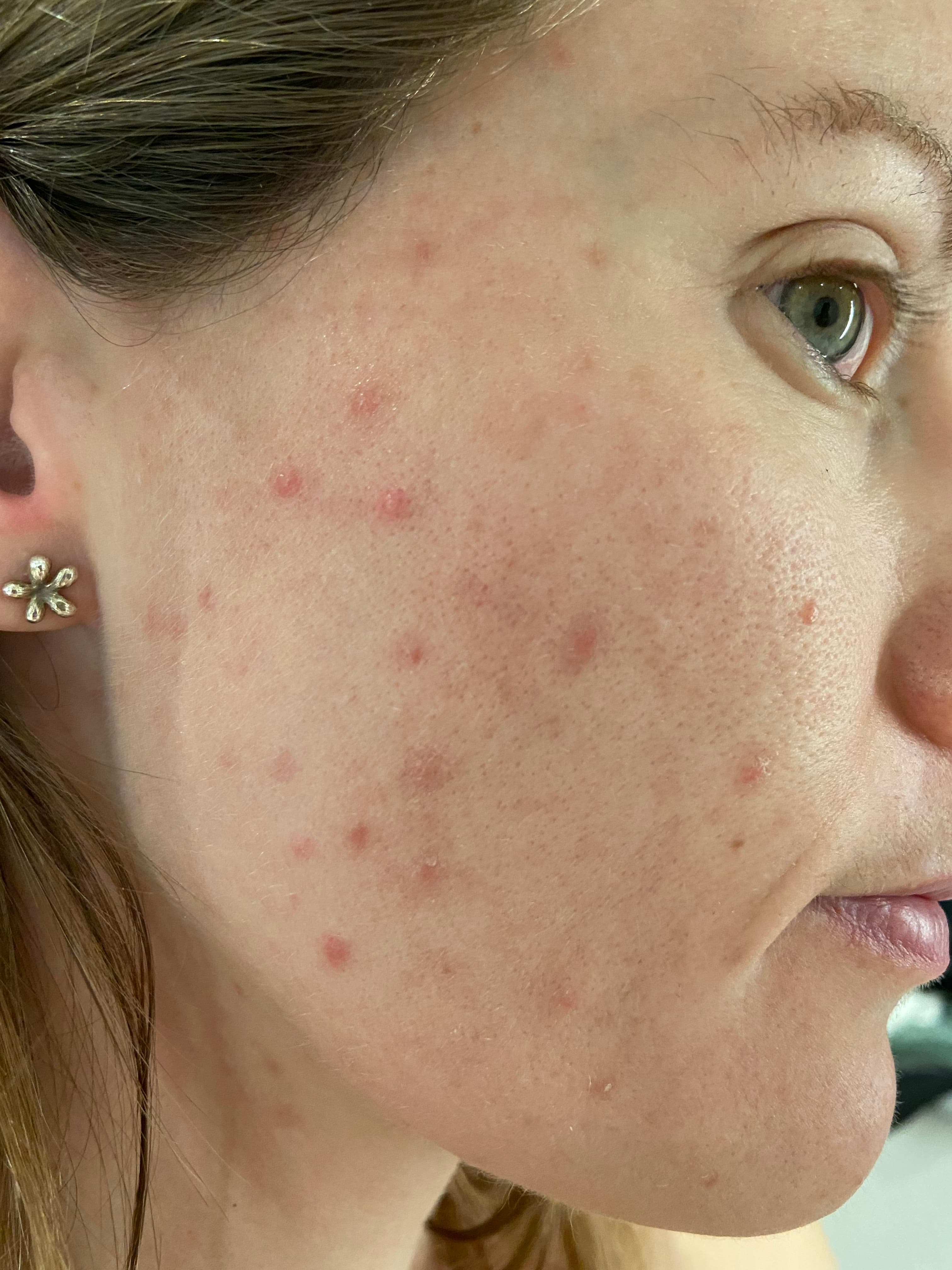 Before
 After
AfterKeep reading
- Ingredient · azelaic acid
- Ingredient · niacinamide
- Ingredient · salicylic acid
- Ingredient · retinol
- Ingredient · tranexamic acid
- Condition · acne scars and marks
- Condition · acne and blemishes
- Condition · pigmentation
- Condition · sensitive skin
- Read · how to fade post acne marks
- Read · pie vs pih acne marks
- Read · acne scars
- Read · best ingredients for acne scars and marks
- Read · how to get rid of pimples
Citations
- Madan S, et al. Post-acne erythema treatment: A systematic review of the literature. J Cosmet Dermatol. 2022;21(4):1379-1392.PMID 35076997
- Davis EC, Callender VD. Postinflammatory hyperpigmentation: a review of the epidemiology, clinical features, and treatment options in skin of color. J Clin Aesthet Dermatol. 2010;3(7):20-31.PMID 20725554
- Williams HC, Dellavalle RP, Garner S. Acne vulgaris. Lancet. 2012;379(9813):361-372.PMID 21880356