
Tranexamic acid
A well-supported option for melasma and stubborn uneven tone when used consistently. Strong clinical data for topical use, but melasma usually needs sunscreen and realistic expectations—not one ingredient alone.
At a glance
What Tranexamic acid does for skin, and how to read the practical safety signals.
- Melasma evidence: Randomised trials show topical tranexamic acid can reduce MASI scores with fewer irritation complaints than hydroquinone in some studies.
- Mechanism: Works on pigmentation through plasmin-related pathways and tyrosinase influence—not classic acid exfoliation.
- Patience required: Pigment fades slowly; combine with daily SPF and a simple supporting routine.
- Type
- Brightening active
- Rating
- Pregnancy
- Discuss with a clinician
- Comedogenic rating
- 0/5 (Won't clog pores)
- Vegan
- Yes
- Suited skin types
- All skin types
On this page
The short answer
Tranexamic acid confuses people immediately because it has acid in the name and behaves nothing like the acids you know from exfoliating serums.
It is a synthetic amino acid derivative originally used in medicine to reduce bleeding. In dermatology, topical and oral forms are studied mainly for melasma and stubborn uneven pigmentation. The mechanism involves plasmin-related pathways, inflammation, and tyrosinase activity—not dissolving dead cells off the surface.
If you have post-inflammatory marks, sun-driven patchiness, or melasma that keeps returning every summer, tranexamic acid belongs on your research list. It is not a quick fix. It is a slow, evidence-backed brightening option that works best with daily sunscreen and a routine you can maintain for months.
What the evidence actually shows
Topical TXA versus hydroquinone in melasma. A 2017 randomised double-blind trial[1] compared 5% topical tranexamic acid twice daily with 2% hydroquinone for 12 weeks in women with melasma. Both groups improved, with significant reductions in melanin level and MASI score. Notably, no drug-related side effects were reported in the tranexamic acid group, while 10% of the hydroquinone group reported erythema and irritation.
Where it sits among topical melasma agents. A 2023 systematic review and meta-analysis[2] of topical melasma treatments found tranexamic acid among agents with meaningful efficacy, alongside hydroquinone, azelaic acid, and others, while also noting that irritation rates for tranexamic acid were comparatively low in the included data.
Real-world combination use. A 2023 randomised study[3] found that 5% topical tranexamic acid alone improved modified MASI scores in facial melasma, and combining it with microneedling or fractional CO2 laser improved results further—though laser carried higher post-inflammatory hyperpigmentation risk in darker skin types.
The pattern I see in readers with pigmentation: tranexamic acid helps most when they stop rotating brighteners every three weeks and commit to SPF every morning. The ingredient is only half the story.
How to use it
- Concentration: many studies use 3–5% twice daily; follow your product's directions.
- When: usually morning and evening on affected areas or full face, depending on formula.
- Non-negotiable: broad-spectrum sunscreen daily. Without it, melasma keeps score.
- Timeline: think 8–12 weeks minimum before judging.
Start slowly if your skin is reactive. Tranexamic acid is generally well tolerated, but stacking it with every other brightener in the cabinet is how good intentions turn into barrier damage.
Where it fits in a routine
Tranexamic acid pairs logically with:
- Niacinamide: works on pigment transfer from a different angle; common in combined formulas.
- L-ascorbic acid: antioxidant morning support when your skin tolerates vitamin C.
- Retinol: slower renewal support for texture and photoaging overlap.
- Azelaic acid: another well-evidenced pigment and redness option; our Optimizer combines azelaic acid with niacinamide for that overlap.
There is no universal rule against combining brighteners, but simplicity usually wins for melasma. Two well-chosen actives plus SPF beat five serums you use inconsistently.
When it won't help
Tranexamic acid will not replace dermatologist-led melasma care when pigment is deep or hormonal triggers are untreated. It will not help acne on its own, fix oily skin, or erase pigment overnight.
Oral tranexamic acid has stronger systemic considerations and should only be used under medical supervision. This guide focuses on the topical story.
The practical takeaway
My goal with this guide was to gather the useful science on tranexamic acid in one place, so you can stop hunting for the next clever fix and do the simple, effective things your skin actually needs.
That is also why I made the Danish Skin Care Kit: a calm routine built around documented ingredients, and one that has helped more than 100,000 people with problem skin. If even the smallest question is still nagging you, send me an email at info@danishskincare.com.
Common questions
Is tranexamic acid an exfoliating acid?
No. Despite the name, it does not work like glycolic or salicylic acid. It targets pigment and inflammation pathways rather than dissolving dead skin cells.
What concentration of topical tranexamic acid is studied?
Many melasma trials use around 3–5% applied twice daily for 8–12 weeks. Cosmetic serums vary; consistency and sun protection matter as much as the number on the label.
Can I use tranexamic acid in pregnancy?
Topical use is less concerning than oral tranexamic acid, but data in pregnancy are limited. Most clinicians prefer to pause unproven brightening actives during pregnancy and discuss alternatives.
Reading a real label?
Scan a product to see how it is formulated
Upload a photo of the ingredient list and get a quick ingredient-by-ingredient read against the evidence-led database.
I recommend these products

Our Optimizer pairs niacinamide with azelaic acid for the redness-and-pigment overlap tranexamic acid users often also care about.

Daily broad-spectrum SPF with niacinamide is non-negotiable when treating melasma or post-inflammatory marks.

The Kit packages morning protection and evening support so pigment routines stay simple enough to maintain.
Skin conditions it actively helps with
Where the published evidence puts Tranexamic acid on the short list of active ingredients worth reaching for.
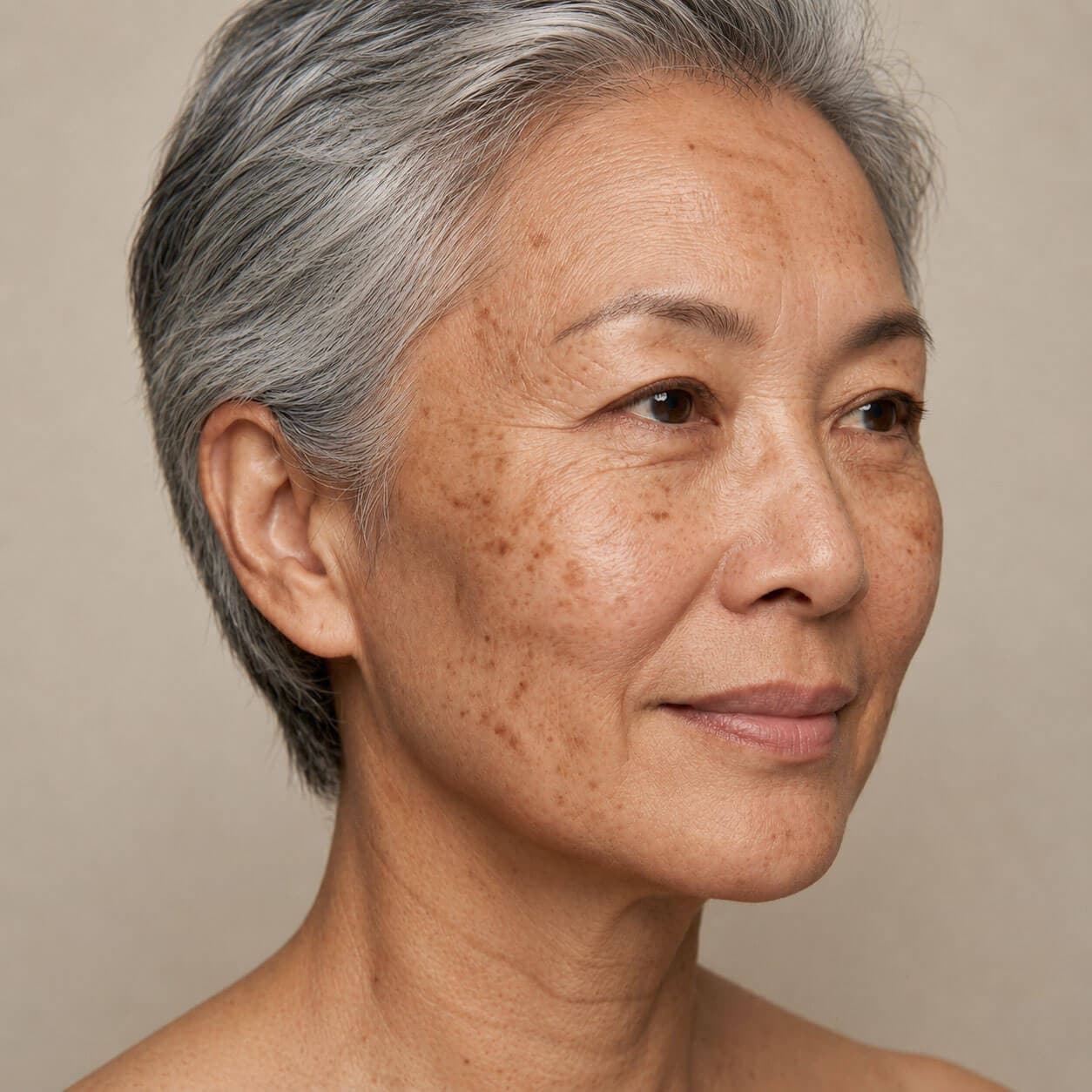
Pigmentation
Pigmentation is one of the most-asked-about, most-misunderstood skin concerns. Here's what's happening in your skin and the slow, evidence-led routine that actually fades it.

Signs of ageing
Wrinkles, sallowness, slack tone, and uneven pigment all share the same drivers. Here's the unglamorous routine that genuinely slows them.
Sensitive skin
"Sensitive" is a symptom, not a diagnosis. Learn what drives reactive skin, the routine that calms it, and what to leave out.
Related ingredients
Citations
- Atefi N, et al. Therapeutic Effects of Topical Tranexamic Acid in Comparison with Hydroquinone in Treatment of Women with Melasma. Dermatol Ther (Heidelb). 2017;7(3):417–424. — PMID 28748406
- Chang YF, et al. Efficacy and safety of topical agents in the treatment of melasma: What's evidence? A systematic review and meta-analysis. J Cosmet Dermatol. 2023;22(1):20–28. — PMID 36566490
- Mamdouh Kamal Dawaud S, et al. Efficacy and Safety of Topical Tranexamic Acid Alone or in Combination with Either Fractional Carbon Dioxide Laser or Microneedling for the Treatment of Melasma. Dermatol Pract Concept. 2023;13(3):e2023171. — PMID 37557109