
Methylpropanediol
A modern glycol solvent that helps treatment formulas spread cleanly and can boost preservative efficacy — common in leave-on actives like salicylic acid treatments.
At a glance
What Methylpropanediol does for skin, and how to read the practical safety signals.
- Solvent first: Dissolves and distributes actives evenly so leave-on treatments spread without patchiness.
- Power Treat base: Listed first in Perfect Skin Power Treat, where it carries 2% salicylic acid in a lightweight gel.
- Glycol alternative: Often used where formulators want propylene-glycol-like solvency with a slightly cleaner skin feel.
- Type
- Solvent
- Rating
- Pregnancy
- Considered safe
- Comedogenic rating
- 0/5 (Won't clog pores)
- Vegan
- Yes
- Suited skin types
- All skin types
On this page
The short answer
Methylpropanediol is the kind of ingredient you only notice when it is missing — because the treatment suddenly feels gloopy, patchy, or oddly sticky. INCI lists it as Methylpropanediol, also known as 2-methyl-1,3-propanediol.
It is a glycol solvent: clear, low-odour, and good at dissolving both water-loving and trickier actives so they distribute evenly through a formula. Formulators often reach for it when they want propylene glycol-like performance with a slightly cleaner skin feel.
In Danish Skin Care, it is the first-listed ingredient in Perfect Skin Power Treat — the base that carries salicylic acid as a lightweight leave-on evening treatment.
What the evidence actually shows
Safety as a cosmetic solvent. The 2024 CIR safety assessment of alkane diols[1] — which includes methylpropanediol — reviewed solvent, humectant, and skin-conditioning use across hundreds of reported cosmetic applications. The Expert Panel concluded that methylpropanediol is safe in cosmetics at described practices of use and concentration, with typical leave-on use reported up to roughly 20% in some product categories.
How glycols behave in skin models. A 2022 study[2] on glycol effects in stratum corneum found that short-chain glycols increase molecular mobility in lipids and protein components — relevant to how solvent bases help actives penetrate without the formula feeling harsh. Methylpropanediol was not the molecule tested directly, but the broader glycol class behaviour explains why these solvents appear in treatment gels rather than plain water.
Decades of glycol safety context. The propylene glycol CIR review[3] documents extensive dermal safety data for glycol solvents used as humectants and vehicles. Methylpropanediol entered the market more recently, but its functional role — solvency, spreadability, mild humectancy — sits in the same well-understood category.
How to use it
You use methylpropanediol by using the product it lives in:
- BHA treatment gels — evening leave-on formulas where even salicylic acid distribution matters.
- Lightweight serums — water-based textures that need a solvent beyond plain glycerin.
- Actives that need help dissolving — acids, botanical extracts, and other ingredients that would otherwise separate or clump.
Apply treatment products to clean, dry skin as directed. The solvent does its job in the background; your job is consistency.
Where it fits in a routine
Methylpropanediol supports formulas built around:
- Salicylic acid: the Power Treat pairing — solvent base plus pore-clearing BHA.
- Allantoin and aloe: soothing support in the same treatment gel.
- Chamomile flower water: botanical calm in a base that still spreads cleanly.
For acne and blemishes and oily skin, a spreadable leave-on treatment you actually use every evening beats a stronger formula you skip because it feels unpleasant.
When it won't help
Methylpropanediol will not clear pores, reduce breakouts, or fade marks on its own. It is the vehicle, not the driver.
People with very glycol-sensitive or severely compromised skin may occasionally find high-glycol treatments tingling — usually the active (salicylic acid, acids generally) plus overall barrier status matter more than methylpropanediol specifically.
The practical takeaway
My goal with this guide was to gather the useful science on methylpropanediol in one place, so you can stop hunting for the next clever fix and do the simple, effective things your skin actually needs.
That is also why I made the Danish Skin Care Kit: a calm routine built around documented ingredients, and one that has helped more than 100,000 people with problem skin. If even the smallest question is still nagging you, send me an email at info@danishskincare.com.
Common questions
What is methylpropanediol used for in skincare?
Mainly as a solvent and viscosity modifier in water-based treatments and serums. It helps actives dissolve evenly and can contribute mild humectancy and preservative boosting.
Is methylpropanediol the same as propylene glycol?
Both are glycols with similar solvency roles, but different structures. Methylpropanediol is often chosen when formulators want comparable spreadability with a lighter, less sticky feel on skin.
Is methylpropanediol good for acne treatments?
It does not treat acne itself, but it is useful in salicylic acid and BHA formulas because it keeps the active in a spreadable, leave-on base — which helps consistency, and consistency helps results.
Reading a real label?
Scan a product to see how it is formulated
Upload a photo of the ingredient list and get a quick ingredient-by-ingredient read against the evidence-led database.
Found in these Danish Skin Care products

Methylpropanediol is the primary solvent in Power Treat, helping 2% salicylic acid spread evenly as a leave-on evening treatment.

The Kit includes methylpropanediol through the Power Treat step, where it supports daily BHA use without a heavy or sticky base.
Skin conditions it actively helps with
Where the published evidence puts Methylpropanediol on the short list of active ingredients worth reaching for.
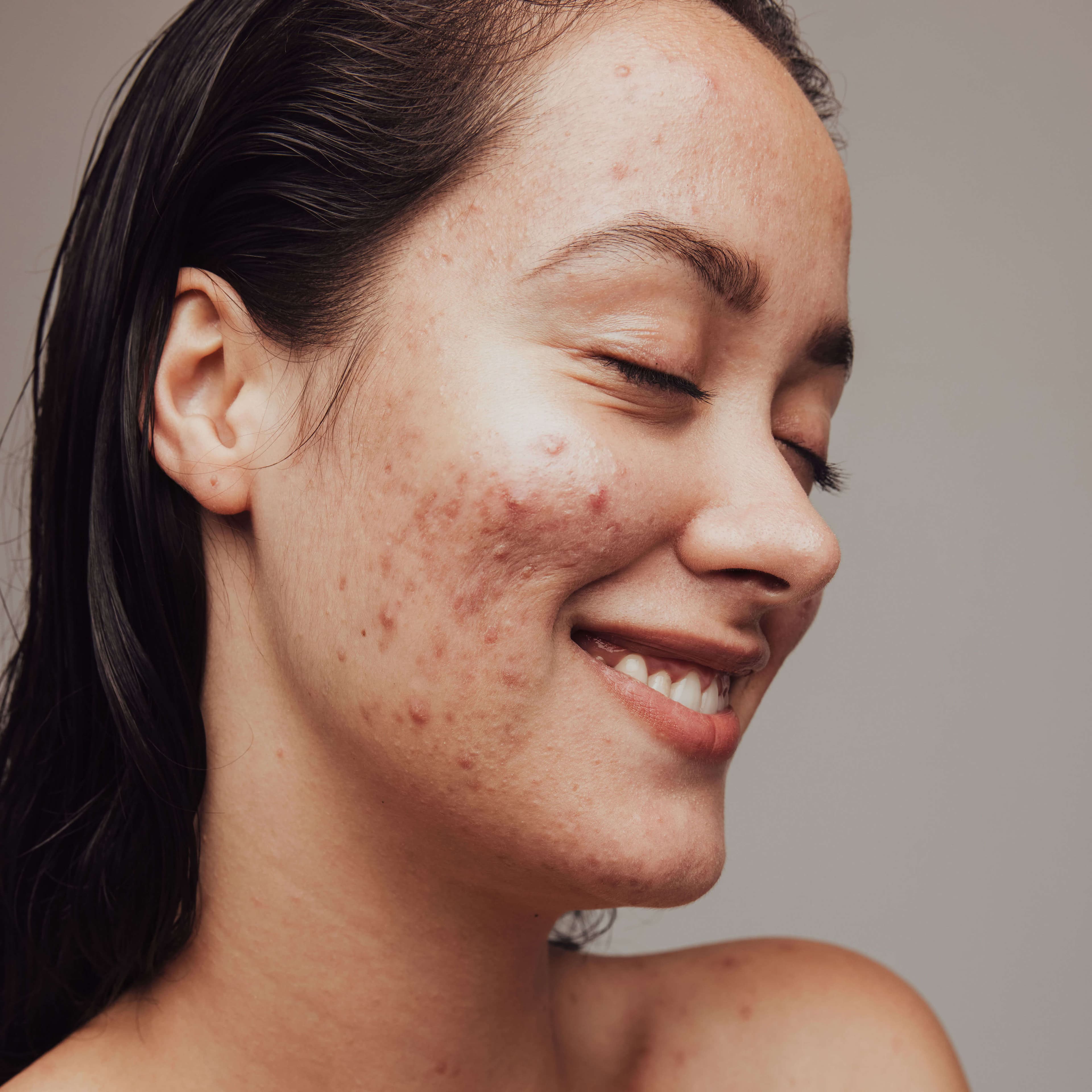
Acne and blemishes
A clear-headed guide to acne: what's actually happening in your skin, what the evidence says works, and a simple routine that doesn't make things worse.
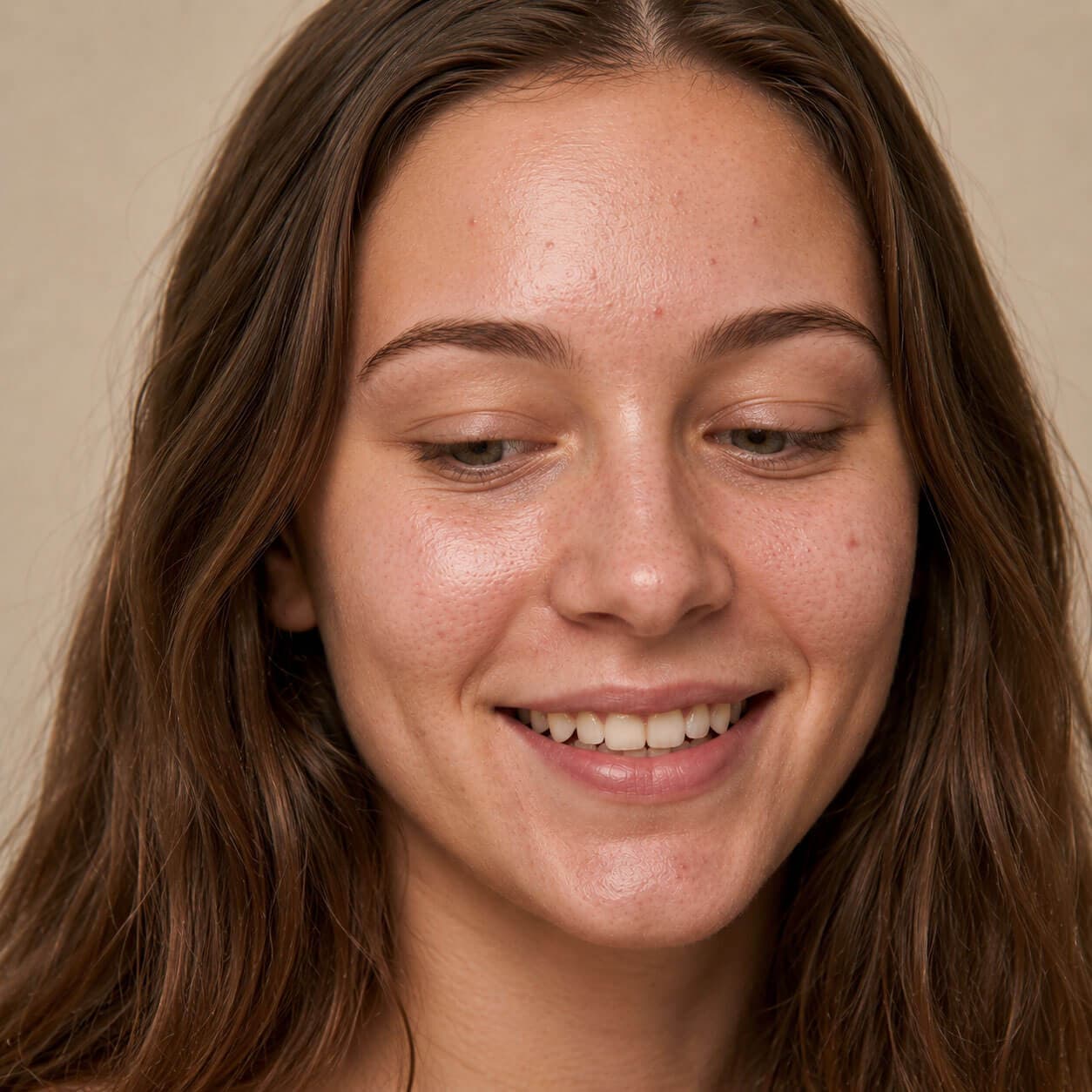
Combination skin
Oily T-zone, drier or normal cheeks, and a routine that has to address both without making either worse. Here's how to actually balance combination skin.
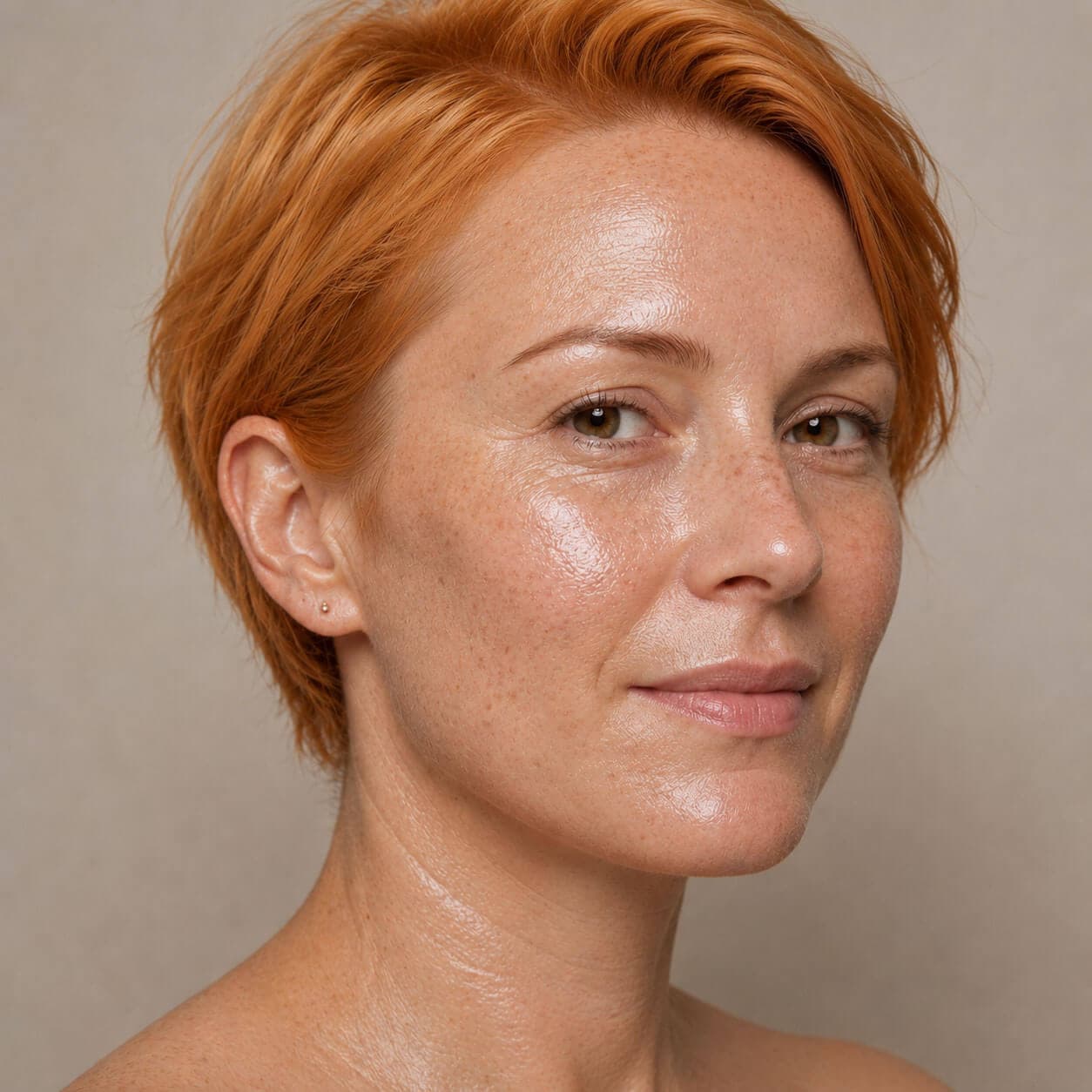
Oily skin
Oily skin isn't a problem to "fix". It's a feature with trade-offs. Here's what actually controls sebum, what doesn't, and the routine that works without stripping.
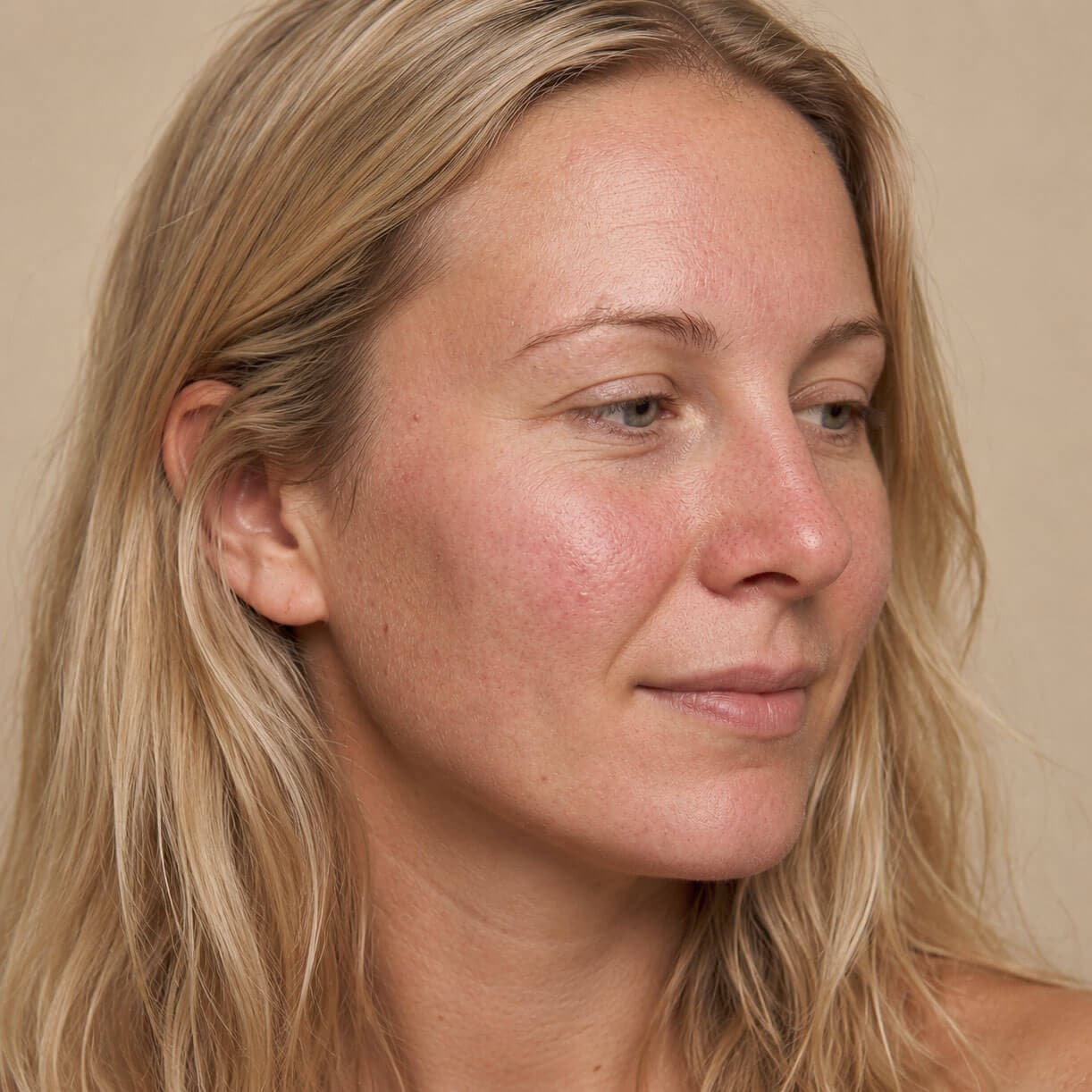
Sensitive skin
"Sensitive" is a symptom, not a diagnosis. Learn what drives reactive skin, the routine that calms it, and what to leave out.
Related ingredients
Citations
- Scott LN, et al. Safety Assessment of Alkane Diols as Used in Cosmetics. Int J Toxicol. 2024;43(2 Suppl):70S-131S. — PMID 38174390
- Kis N, et al. The effects of glycols on molecular mobility, structure, and permeability in stratum corneum. J Control Release. 2022;343:755-764. — PMID 35150813
- Fiume MM, et al. Safety assessment of propylene glycol, tripropylene glycol, and PPGs as used in cosmetics. Int J Toxicol. 2012;31(5 Suppl):245S-60S. — PMID 23064775