
Camellia Sinensis Leaf Extract
A well-tolerated green tea botanical used for antioxidant and comfort support in daily formulas. Helpful inside sensible routines, not a stand-alone acne or anti-ageing cure.
At a glance
What Camellia Sinensis Leaf Extract does for skin, and how to read the practical safety signals.
- Green tea extract brings polyphenol antioxidant support, especially EGCG, into water-based formulas.
- Clinical work on topical green tea has looked at sebum control and skin surface quality, not dramatic overnight change.
- Best understood as a calm support ingredient next to niacinamide, panthenol, and actives — not a reason to buy a twelve-step antioxidant shelf.
- Type
- Botanical extract
- Rating
- Pregnancy
- Considered safe
- Comedogenic rating
- 0/5 (Won't clog pores)
- Vegan
- Yes
- Suited skin types
- All skin types
On this page
The short answer
Camellia sinensis leaf extract is green tea — the same plant behind the cup, listed on an INCI label in a more cosmetic, less poetic form.
In skincare, it is mainly used as a botanical antioxidant and comfort support ingredient. The interesting chemistry lives in green tea polyphenols, especially EGCG, which have been studied for antioxidant activity, inflammation-related pathways, and how skin behaves under UV stress.
It is not a replacement for sunscreen. It is not a pore vacuum. And it is definitely not proof that your moisturiser should smell like a spa lobby.
Used well, green tea extract helps a sensible formula feel calmer and more complete — especially in routines built for oily skin, sensitive skin, or skin that needs actives without extra drama.
What the evidence actually shows
Sebum and surface quality. A 2013 study[1] compared topical green tea with lotus on facial sebum control in healthy volunteers and found measurable sebum-related changes with the green tea preparation. That is a modest, practical claim: green tea may help oily-feeling skin inside a daily formula, not transform your T-zone in one night.
Skin surface parameters. Another 2013 study[2] looked at combined topical lotus and green tea and reported improvements in facial skin surface parameters. Again, the honest translation is support and balance — not "erase ten years."
Photoprotection context. A 2011 review[3] summarises how green tea polyphenols may support skin photoprotection and relate to photocarcinogenesis pathways in research settings. That background matters for antioxidant positioning, but it does not mean a cream with green tea can replace a proper morning SPF step. Sunscreen still does the heavy lifting outdoors.
This is why I treat green tea as a team player. It sits nicely beside niacinamide, tocopherol, panthenol, and allantoin in formulas designed for real-life adherence.
Why formulators use it
Green tea extract can help a product by:
- adding antioxidant support without making the routine louder
- helping oily or combination skin feel more balanced in a moisturiser or treatment base
- improving formula comfort next to stronger actives such as salicylic acid or retinol
- keeping a water-based product feeling light and usable every day
The last point is underrated. People do not quit skincare because they lacked EGCG. They quit because the routine felt irritating, sticky, or like homework.
Where it fits in a routine
Green tea extract is easy to combine:
- Niacinamide: barrier and sebum support from a different angle.
- Aloe and chamomile flower water: the gentle botanical comfort stack.
- Salicylic acid: green tea can sit in the same leave-on treatment without turning pore care into a battle.
- Retinol: useful inside a moisturising night cream while tolerance builds.
There is no famous clash with green tea. If a product stings, look at the whole INCI list: fragrance, essential oils, harsh surfactants, or too many actives at once are usually the real story.
Who should consider it
Green tea makes sense if your skin is:
- oily or combination and you want antioxidant support without heaviness
- sensitive and trying to keep actives wearable
- acne-prone and building a routine that needs to stay gentle
- interested in long-term signs of ageing support inside SPF and retinoid habits, not instead of them
It will not replace prescription care for stubborn acne or rosacea. It is infrastructure — the calm background music, not the headline solo.
The practical takeaway
My goal with this guide was to gather the useful science on green tea extract in one place, so you can stop hunting for the next clever fix and do the simple, effective things your skin actually needs.
That is also why I made the Danish Skin Care Kit: a calm routine built around documented ingredients, and one that has helped more than 100,000 people with problem skin. If even the smallest question is still nagging you, send me an email at info@danishskincare.com.
Common questions
Is green tea extract the same as drinking green tea for your skin?
Not really. Topical extract is formulated for the skin surface; drinking tea is a separate story. The useful skincare claim is what the finished product does on your face, not what happens in a mug.
Does green tea extract treat acne?
Not by itself. It may help formulas feel calmer and support oily-skin routines, but clogged pores usually need ingredients such as salicylic acid, retinoids, or prescription care depending on severity.
Can sensitive skin use green tea extract?
Often yes in a fragrance-free, well-preserved formula. Botanical extracts can still annoy very reactive skin, so patch test if your barrier is in active protest mode.
Reading a real label?
Scan a product to see how it is formulated
Upload a photo of the ingredient list and get a quick ingredient-by-ingredient read against the evidence-led database.
Found in these Danish Skin Care products

Green tea sits in the leave-on salicylic acid treatment alongside aloe, glycerin, chamomile water, and allantoin.

Part of the morning cream's antioxidant and comfort stack with niacinamide, zinc PCA, panthenol, oat, and SPF filters.

Included in the night moisturiser base around retinol, urea, sodium hyaluronate, panthenol, and allantoin.

Supports the azelaic acid and niacinamide serum with panthenol, sodium hyaluronate, and chamomile water.

Green tea appears across several Kit steps as quiet antioxidant support inside a simple routine.
Skin conditions it actively helps with
Where the published evidence puts Camellia Sinensis Leaf Extract on the short list of active ingredients worth reaching for.
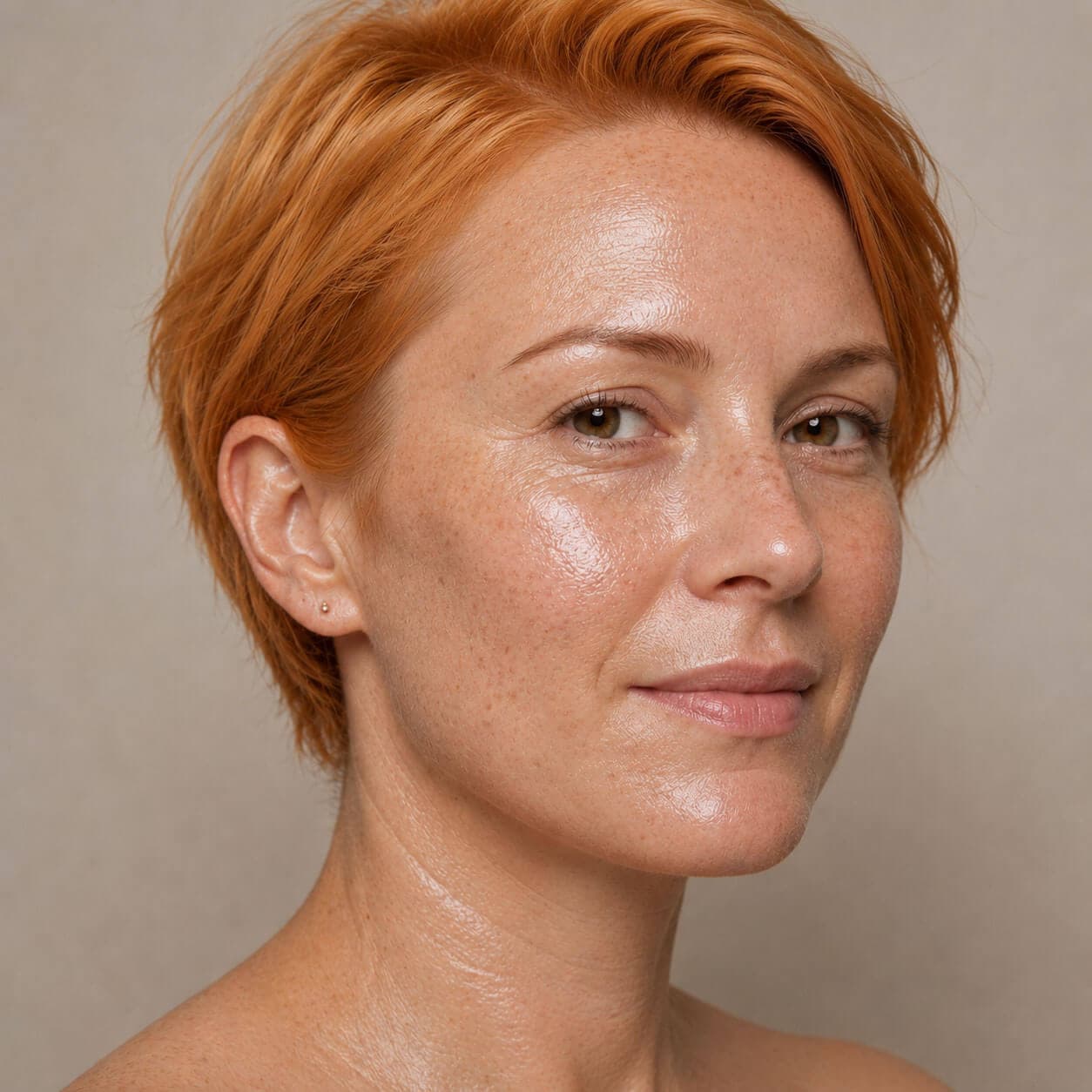
Oily skin
Oily skin isn't a problem to "fix". It's a feature with trade-offs. Here's what actually controls sebum, what doesn't, and the routine that works without stripping.
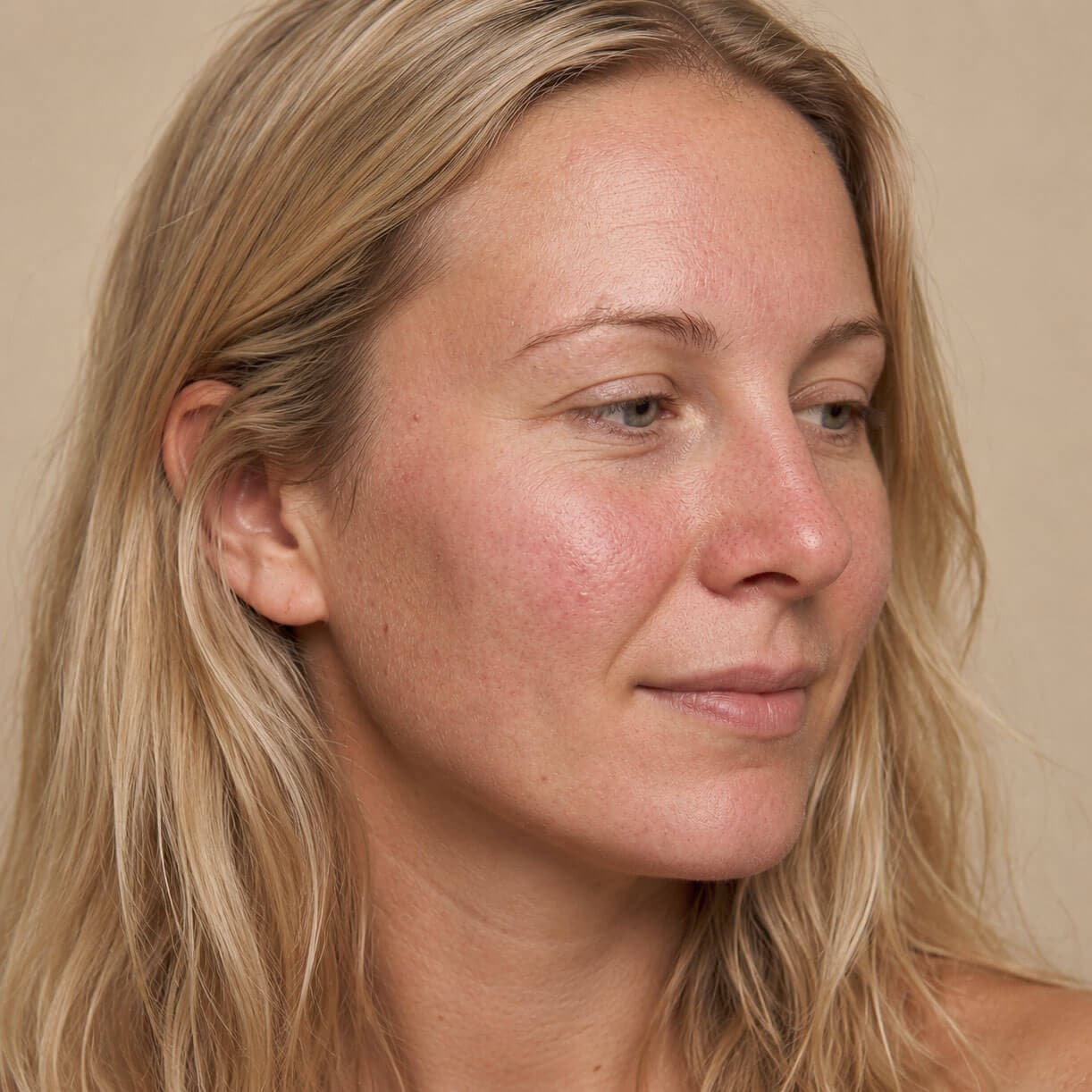
Sensitive skin
"Sensitive" is a symptom, not a diagnosis. Learn what drives reactive skin, the routine that calms it, and what to leave out.
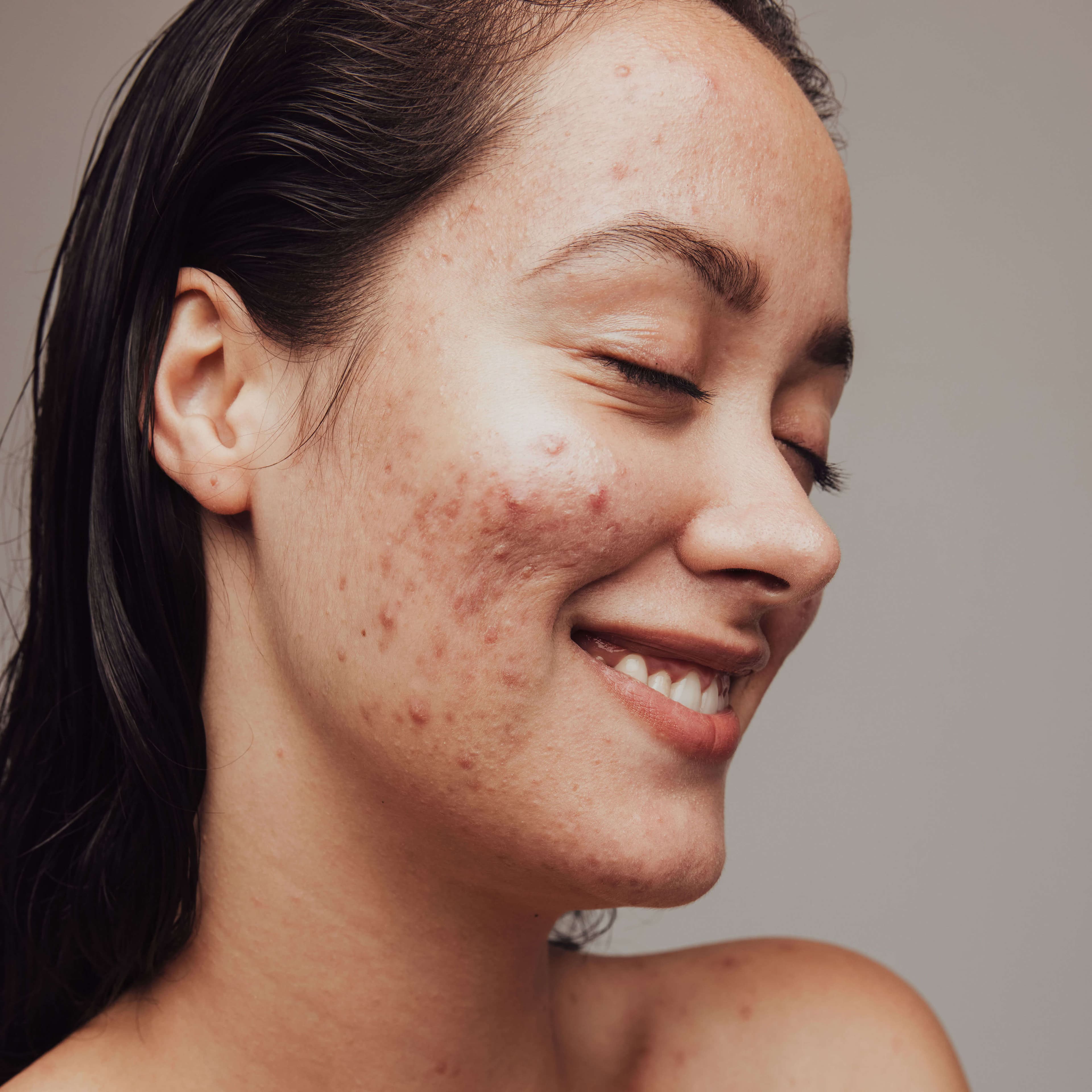
Acne and blemishes
A clear-headed guide to acne: what's actually happening in your skin, what the evidence says works, and a simple routine that doesn't make things worse.
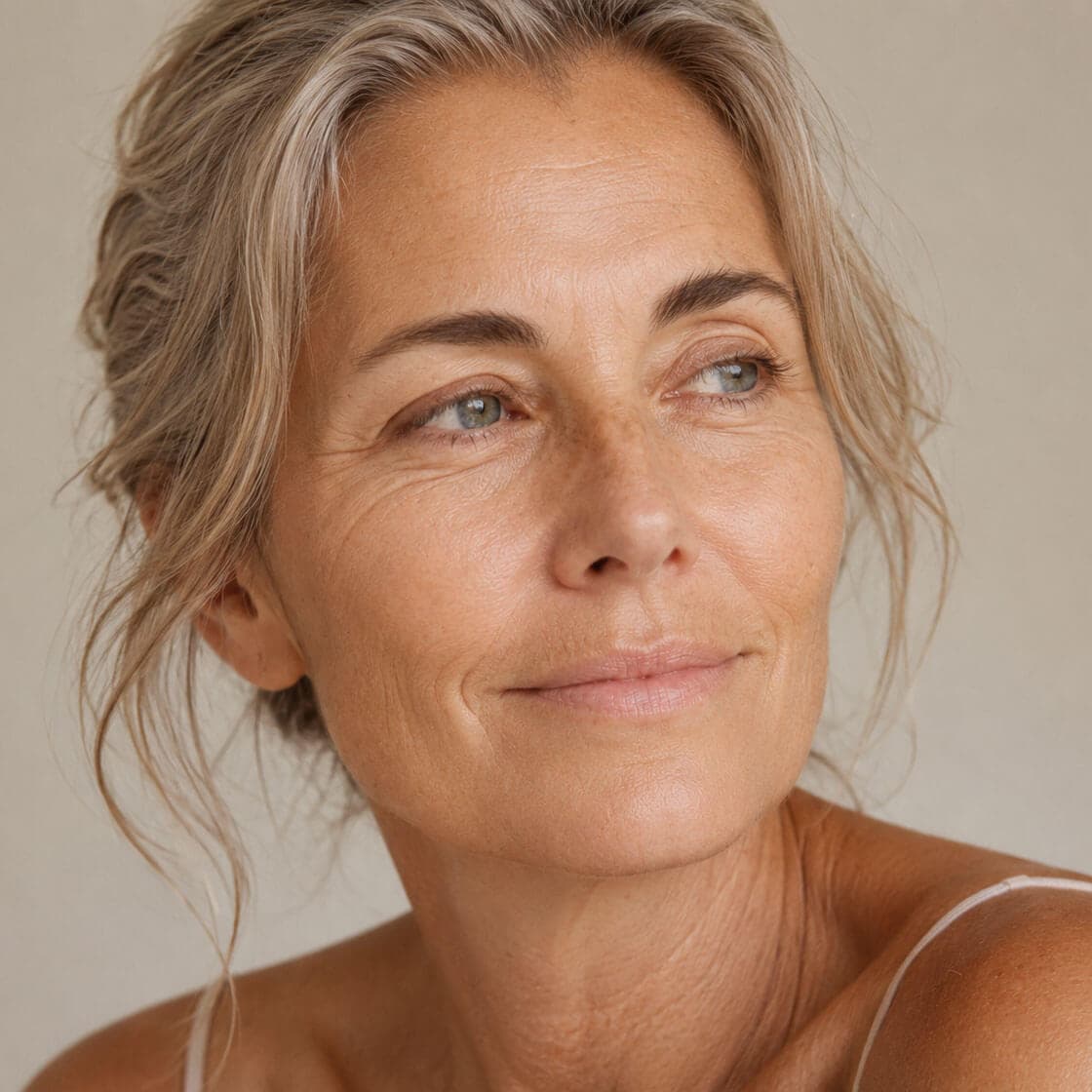
Signs of ageing
Wrinkles, sallowness, slack tone, and uneven pigment all share the same drivers. Here's the unglamorous routine that genuinely slows them.
Related ingredients
Citations
- Mahmood T, Akhtar N, Moldovan C. A comparison of the effects of topical green tea and lotus on facial sebum control in healthy humans. Hippokratia. 2013;17(1):64-67. — PMID 23935347
- Mahmood T, Akhtar N. Combined topical application of lotus and green tea improves facial skin surface parameters. Rejuvenation Res. 2013;16(2):91-97. — PMID 23267660
- Katiyar SK. Polyphenols: skin photoprotection and inhibition of photocarcinogenesis. Mini Rev Med Chem. 2011;11(14):1200-1215. — PMID 22070679