
Glycolic acid
The smallest AHA molecule, so it penetrates fast and delivers real collagen and texture data — provided you respect strength, frequency, and your skin barrier.
At a glance
What Glycolic acid does for skin, and how to read the practical safety signals.
- Smallest AHA: Penetrates quickly, which means results and irritation both arrive sooner than with larger acids.
- Collagen signal: Clinical work shows increased type I collagen mRNA and hyaluronic acid in treated skin.
- Strength spectrum: Daily leave-on (5–10%) and clinic peels (20–70%) are different products, not the same dial turned up.
- Type
- Acid
- Rating
- Pregnancy
- Considered safe
- Comedogenic rating
- 0/5 (Won't clog pores)
- Vegan
- Yes
- Suited skin types
- Oily,Combination,Mature,Acne-prone
On this page
The short answer
Glycolic acid is the smallest alpha hydroxy acid (AHA), which sounds like chemistry trivia until you realise size controls speed. Small molecule, fast penetration, visible exfoliation. It loosens the bonds between dead skin cells on the surface, speeds up turnover, and over time can improve texture, tone, and the look of sun damage.
It is also the AHA most likely to remind you that "active" and "gentle" are not synonyms if you treat every acid like a race.
I like glycolic for the person whose skin looks dull and slightly rough but whose pores are not the main story. Different problem, different tool than salicylic acid.
What the evidence actually shows
Collagen and hydration markers. Bernstein's study treated human skin with glycolic acid and measured increased type I collagen mRNA and hyaluronic acid content[1]. That is more than "it tingles so it must be working." It is a biological signal that the skin is responding to controlled exfoliation with renewal, more than temporary smoothness.
Photoaging. Van Scott and Yu's review on alpha hydroxy acids summarised decades of work on fine lines, mottled pigmentation, and surface roughness in sun-damaged skin[2]. Glycolic acid was the pioneer AHA in that field. The honest read: AHAs help surface signs of ageing; they do not replace retinoids or sunscreen for deep structural change.
Acne. The Cochrane review on topical acne treatments included fruit acids (AHAs) among options with some evidence for mild acne[3]. Glycolic is not my first pick for clogged pores — that is BHA territory — but it can help the post-breakout texture and pigmentation left behind.
How to use it
- Format: Toners, serums, and short-contact cleansers behave differently. Leave-on products do more work; rinse-off products are gentler but weaker.
- pH matters: Effective glycolic formulas sit around pH 3–4. Random "AHA glow" products with no pH control are often expensive water.
- Frequency: Two to three evenings per week to start. Increase only when your skin stays calm.
- Timing: Evening is safer while you learn tolerance. If you use it AM, SPF is mandatory — AHAs increase photosensitivity.
Stop using it on nights when your skin feels raw, wind-burned, or freshly peeled from something else. Rest days are not failure.
Where it fits in a routine
Glycolic acid works best in a routine that is not already fighting itself:
- Salicylic acid: alternate evenings, not same-night stacking, unless you enjoy describing your face as "interesting."
- Retinol: alternate nights during the build-up phase. Both increase turnover; together they increase drama.
- Niacinamide: can sit in the same routine on separate steps for barrier support.
- Lactic acid or mandelic acid: larger AHAs if glycolic feels too sharp — gentler entry points in the same family.
Cleanse, treat, moisturise, SPF. You do not need a toner, an essence, and a veil serum for glycolic to work.
When it won't help
Glycolic acid will not clear deep, oily blackheads the way salicylic does. It will not fix rosacea — and can easily flare it. It is a poor choice on compromised, eczema-adjacent, or freshly lasered skin.
High-strength peels belong in trained hands, not in a "more is more" bathroom experiment. If your goal is keratosis pilaris on the body, lactic acid often tolerates better on large areas.
And no acid replaces sunscreen for signs of ageing. Exfoliation reveals skin; SPF protects what you reveal.
My goal with this guide was to gather the useful science on glycolic acid in one place, so you can stop hunting for the next clever fix and do the simple, effective things your skin actually needs.
That is also why I made the Danish Skin Care Kit: a calm routine built around documented ingredients, and one that has helped more than 100,000 people with problem skin. If even the smallest question is still nagging you, send me an email at info@danishskincare.com.
Common questions
What percentage of glycolic acid should I use?
Leave-on home products: 5–10% at pH 3–4 is the usual starting range. Clinic peels at 20–70% are a different category entirely. Higher percentage is not a personality trait; it is a tolerance question.
Glycolic acid or salicylic acid?
Glycolic is water-soluble and works on surface texture, tone, and photoaging. Salicylic is oil-soluble and gets into pores. Oily, congested skin often needs BHA; dull, uneven, sun-damaged surface skin often responds to AHA.
How often can I use glycolic acid?
Start two to three evenings per week. Some people build to daily low-strength use; others stay at twice weekly forever and get great results. If your skin stings, tightens, or looks shiny in a bad way, you are going too fast.
Reading a real label?
Scan a product to see how it is formulated
Upload a photo of the ingredient list and get a quick ingredient-by-ingredient read against the evidence-led database.
I recommend these products

Our leave-on BHA uses salicylic acid for pore-focused exfoliation. Glycolic is the surface-renewal path when texture and tone are the main goal.

The right gentle cleanse before any acid — over-stripping first makes glycolic feel harsher than it needs to.

The Kit keeps the baseline routine simple so you can add a glycolic product without stacking five actives on day one.
Skin conditions it actively helps with
Where the published evidence puts Glycolic acid on the short list of active ingredients worth reaching for.

Signs of ageing
Wrinkles, sallowness, slack tone, and uneven pigment all share the same drivers. Here's the unglamorous routine that genuinely slows them.
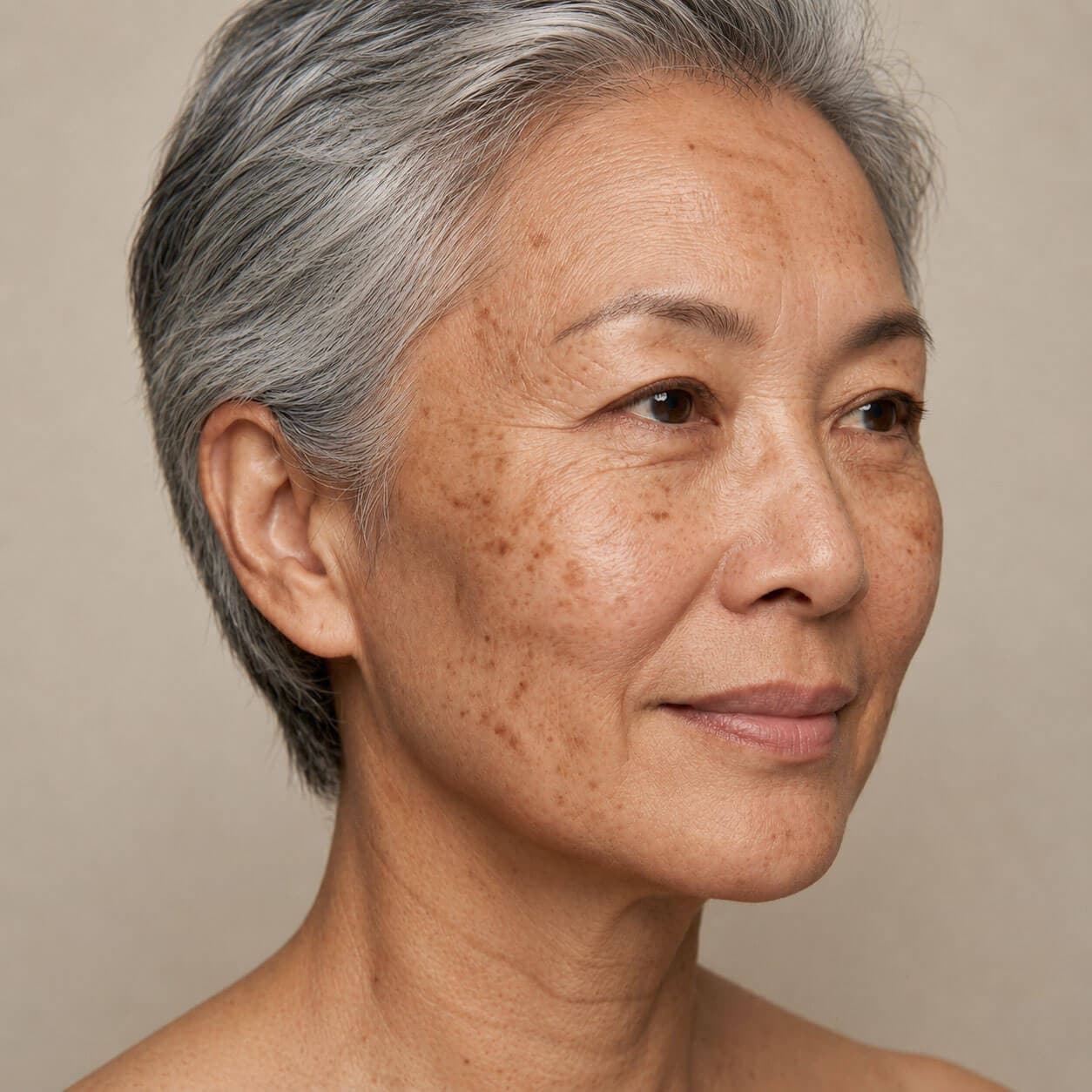
Pigmentation
Pigmentation is one of the most-asked-about, most-misunderstood skin concerns. Here's what's happening in your skin and the slow, evidence-led routine that actually fades it.
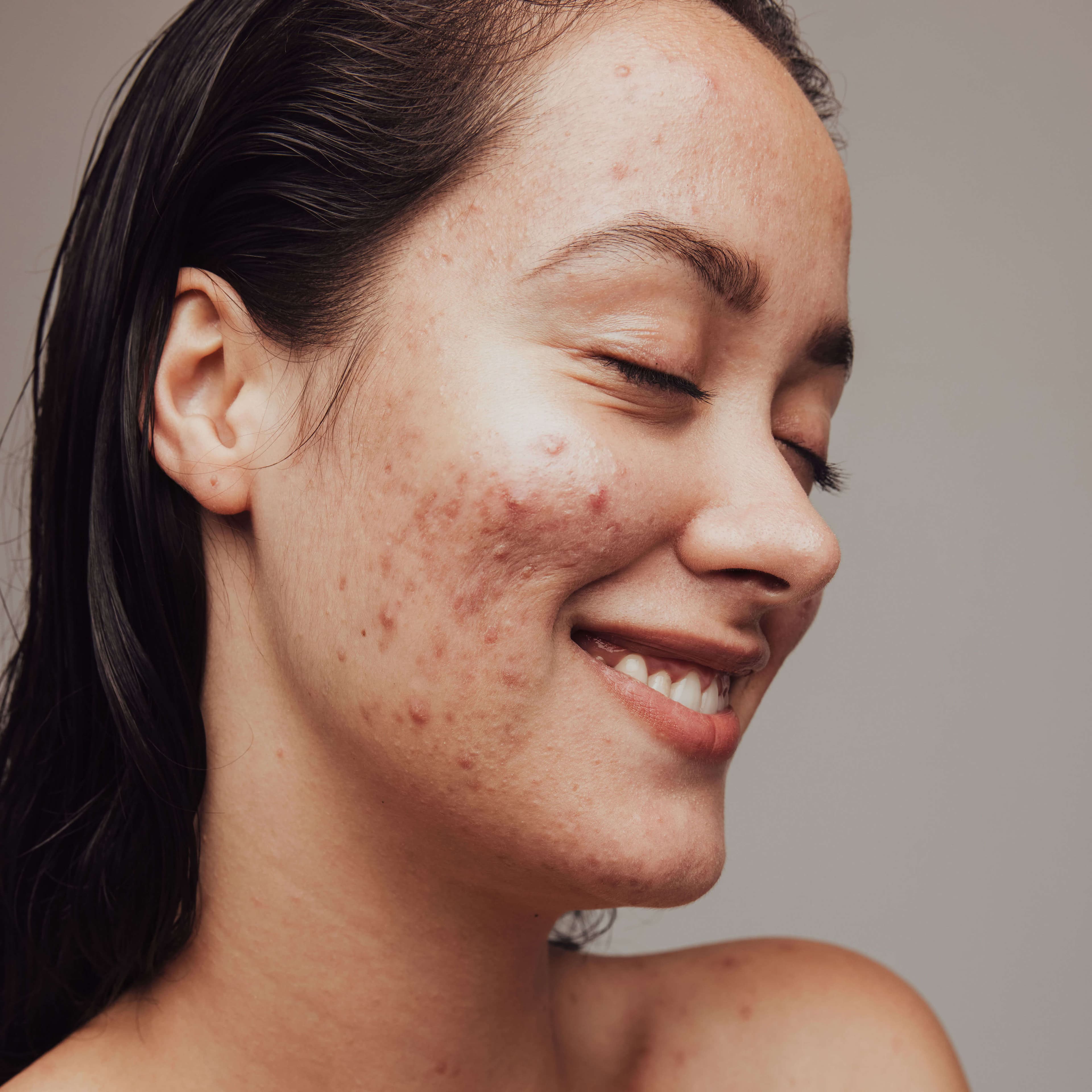
Acne and blemishes
A clear-headed guide to acne: what's actually happening in your skin, what the evidence says works, and a simple routine that doesn't make things worse.
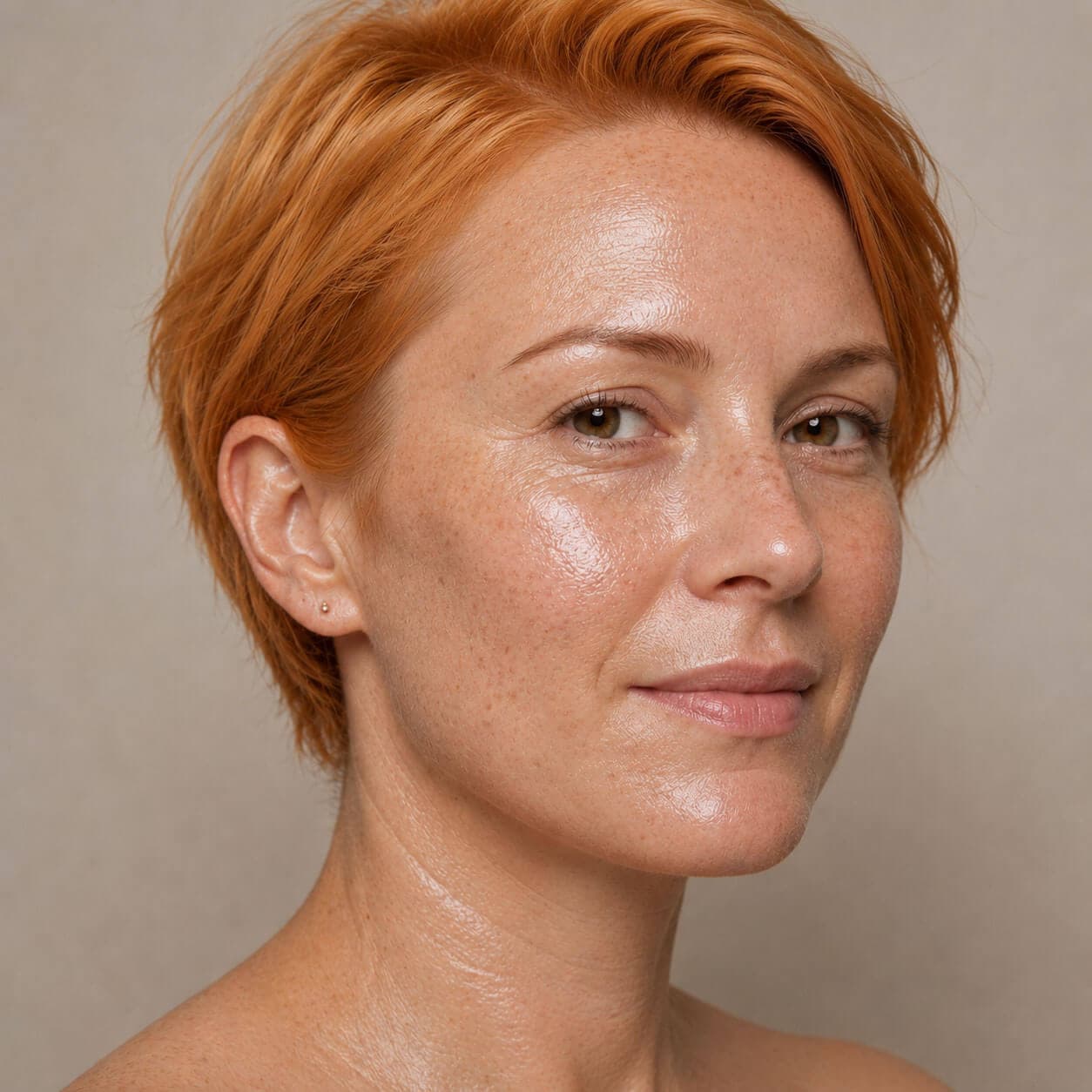
Oily skin
Oily skin isn't a problem to "fix". It's a feature with trade-offs. Here's what actually controls sebum, what doesn't, and the routine that works without stripping.
Related ingredients
Citations
- Bernstein EF, et al. Glycolic acid treatment increases type I collagen mRNA and hyaluronic acid content of human skin. Dermatol Surg. 2001;27(5):429–433. — PMID 11359487
- Van Scott EJ, Yu RJ. Alpha-hydroxyacids in the treatment of signs of photoaging. Clin Dermatol. 1996;14(2):217–226. — PMID 9117988
- Liu H, et al. Topical azelaic acid, salicylic acid, nicotinamide, sulphur, zinc and fruit acid (alpha-hydroxy acid) for acne. Cochrane Database Syst Rev. 2020;(5):CD011368. — PMID 32356369