
Lactic acid
A larger, slower AHA that exfoliates while pulling water into the skin — often the most tolerable acid for dry, sensitive, or first-time exfoliant users.
At a glance
What Lactic acid does for skin, and how to read the practical safety signals.
- Gentler AHA: Larger molecule than glycolic, so it penetrates more slowly and tends to irritate less.
- Humectant bonus: Lactic acid draws water into the skin while it exfoliates — unusual in the acid category.
- Barrier support: Clinical work shows improved epidermal and dermal quality, beyond surface smoothness.
- Type
- Acid
- Rating
- Pregnancy
- Considered safe
- Comedogenic rating
- 0/5 (Won't clog pores)
- Vegan
- Yes
- Suited skin types
- All skin types
On this page
The short answer
Lactic acid is an alpha hydroxy acid (AHA) with a reputation for being the polite member of the acid family. It exfoliates by loosening dead cells on the surface, like glycolic acid, but its larger molecule size means it penetrates more slowly. Less shock, less sting, often less peeling.
It also behaves partly like a humectant — it pulls water into the skin while it works. For dry skin that needs exfoliation but panics at anything labelled "peel," that combination matters.
I had oily, congested skin for years, so lactic acid was not my personal starting point. But it is often the first acid I suggest to readers whose skin feels tight, flaky, and easily offended — because renewal without demolition is the whole point.
What the evidence actually shows
Epidermal and dermal changes. Smith's study applied topical lactic acid and measured improvements in both epidermal and dermal quality — more than a temporary smooth feel[1]. That is the difference between an ingredient that polishes the surface and one that nudges the skin toward healthier structure over time.
Sensitive skin tolerance. Guéniche's work looked at lactic acid in sensitive skin and found that supporting barrier function and lipid synthesis reduced the stinging sensation people often report with AHAs[2]. Translation: the acid can work even on reactive skin if the formula and frequency respect the barrier. "Sensitive" is not a ban on actives; it is a call for slower introductions.
Practical targets. Lactic acid is widely used for rough texture, mild pigmentation, keratosis pilaris, and the dullness that comes with signs of ageing. It is not the strongest pore decongestant — leave that to salicylic acid.
How to use it
- Concentration: 5–10% in leave-on face products is a common starting range. Body lotions for KP often go higher because limb skin tolerates more.
- Frequency: Two to three evenings per week on the face. Daily low-strength body use is more common for arm and leg texture.
- Application: After cleansing, before moisturiser. If stinging persists beyond a mild tingle, rinse off and try a lower strength or fewer nights.
- SPF: AHAs increase photosensitivity. Morning sunscreen is part of the routine, not an optional accessory.
If your skin feels waxy, tight, or suddenly reactive to products that used to be fine, you are probably exfoliating too often. Pull back before you add more.
Where it fits in a routine
Lactic acid rewards simplicity:
- Glycolic acid: pick one primary AHA for your face rather than layering both.
- Mandelic acid: another gentler AHA option for pigmentation-focused routines.
- Sodium hyaluronate and allantoin: sensible support after exfoliation.
- Retinol: alternate nights while building tolerance to both.
A cleanser, one acid, one moisturiser, and SPF is a complete routine for many people. The rest is optional noise.
When it won't help
Lactic acid will not replace BHA for oily, blackhead-heavy congestion. It will not treat active inflammatory acne on its own. It is not a good idea on broken, eczematous, or freshly injured skin.
Very high-strength lactic peels are clinic procedures. Buying the strongest product online because "gentle acid" sounds contradictory is how people learn that their barrier had feelings.
If exfoliation keeps failing, the problem may be your cleanser or missing moisturiser, not the wrong acid brand.
My goal with this guide was to gather the useful science on lactic acid in one place, so you can stop hunting for the next clever fix and do the simple, effective things your skin actually needs.
That is also why I made the Danish Skin Care Kit: a calm routine built around documented ingredients, and one that has helped more than 100,000 people with problem skin. If even the smallest question is still nagging you, send me an email at info@danishskincare.com.
Common questions
Is lactic acid better than glycolic acid?
Neither is universally better. Glycolic is smaller and faster — good for oily, resilient skin and surface photoaging. Lactic is larger and humectant — often better for dry or sensitive skin and body texture like keratosis pilaris.
Can I use lactic acid every day?
Some people tolerate low-strength lactic serums or lotions daily, especially on the body. For the face, start two to three evenings per week and increase only if your barrier stays calm.
Is lactic acid good for dry skin?
Yes, relative to other acids. It exfoliates while binding water in the skin. Pair it with a proper moisturiser — the acid is not a substitute for one.
Reading a real label?
Scan a product to see how it is formulated
Upload a photo of the ingredient list and get a quick ingredient-by-ingredient read against the evidence-led database.
I recommend these products

Urea and sodium hyaluronate in our moisturiser pair well with lactic acid's hydration angle — exfoliate at night, barrier support after.

Morning SPF is essential when you are using any AHA. The Day Protector keeps that step simple.

Build the baseline cleanse-moisturise-SPF routine first, then add lactic acid once your skin is stable.
Skin conditions it actively helps with
Where the published evidence puts Lactic acid on the short list of active ingredients worth reaching for.

Dry skin
Dry skin is usually a barrier problem, not simply a water problem. Here's the difference between dry and dehydrated, why it matters, and the routine that actually helps.
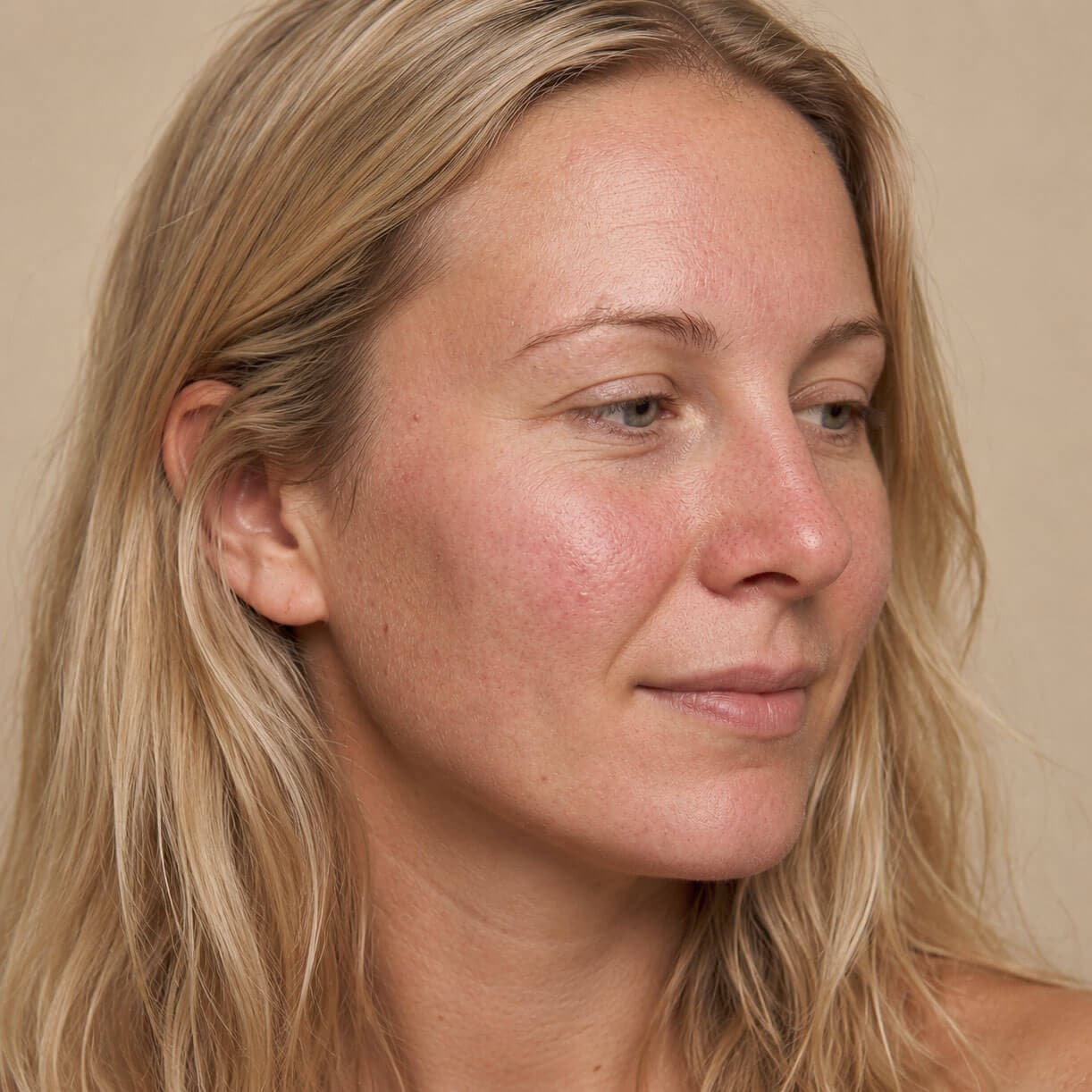
Sensitive skin
"Sensitive" is a symptom, not a diagnosis. Learn what drives reactive skin, the routine that calms it, and what to leave out.
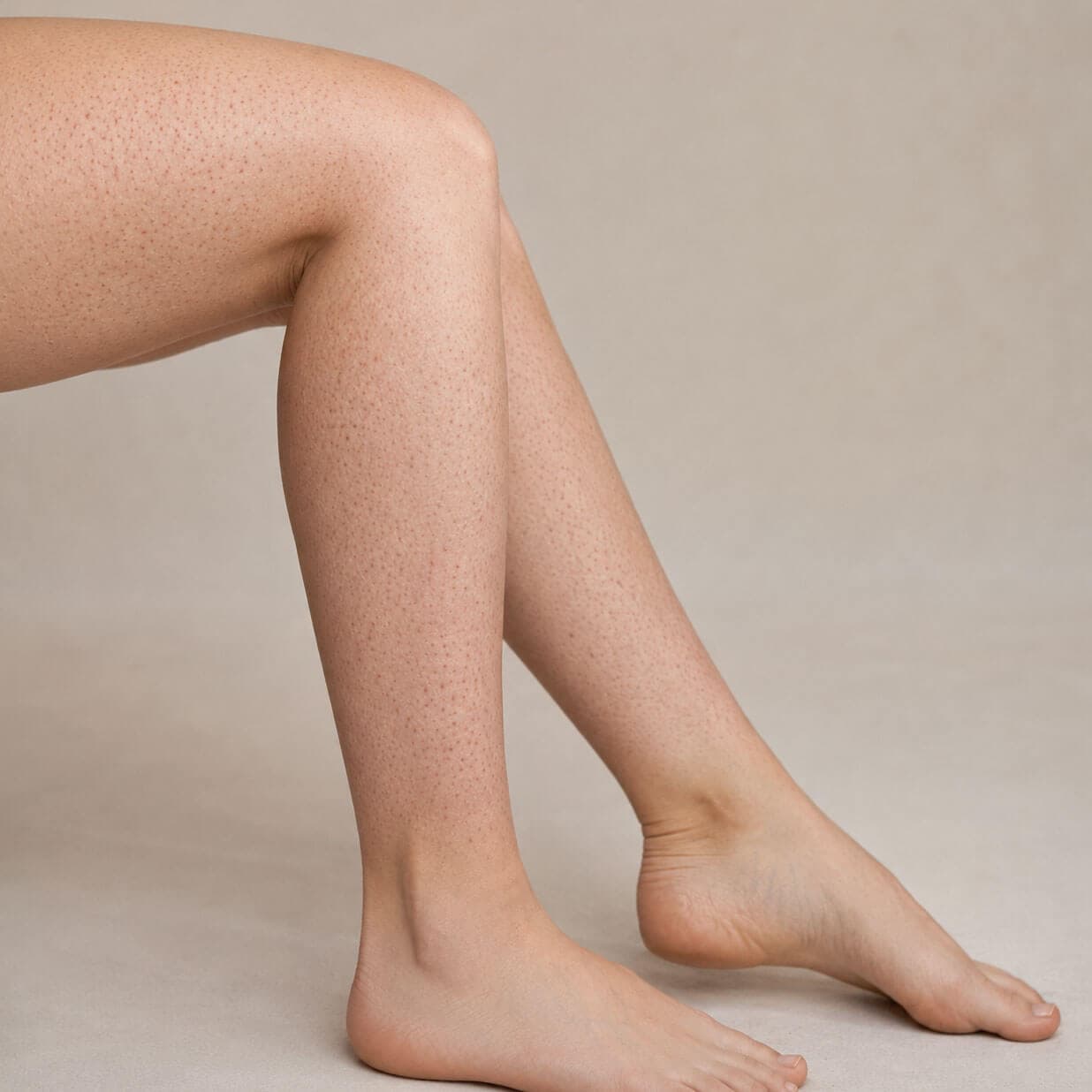
Keratosis pilaris ("chicken skin")
Keratosis pilaris (KP) is the small bumps on the backs of arms, thighs, and sometimes face. Here's what causes it, why scrubs make it worse, and what actually softens it.
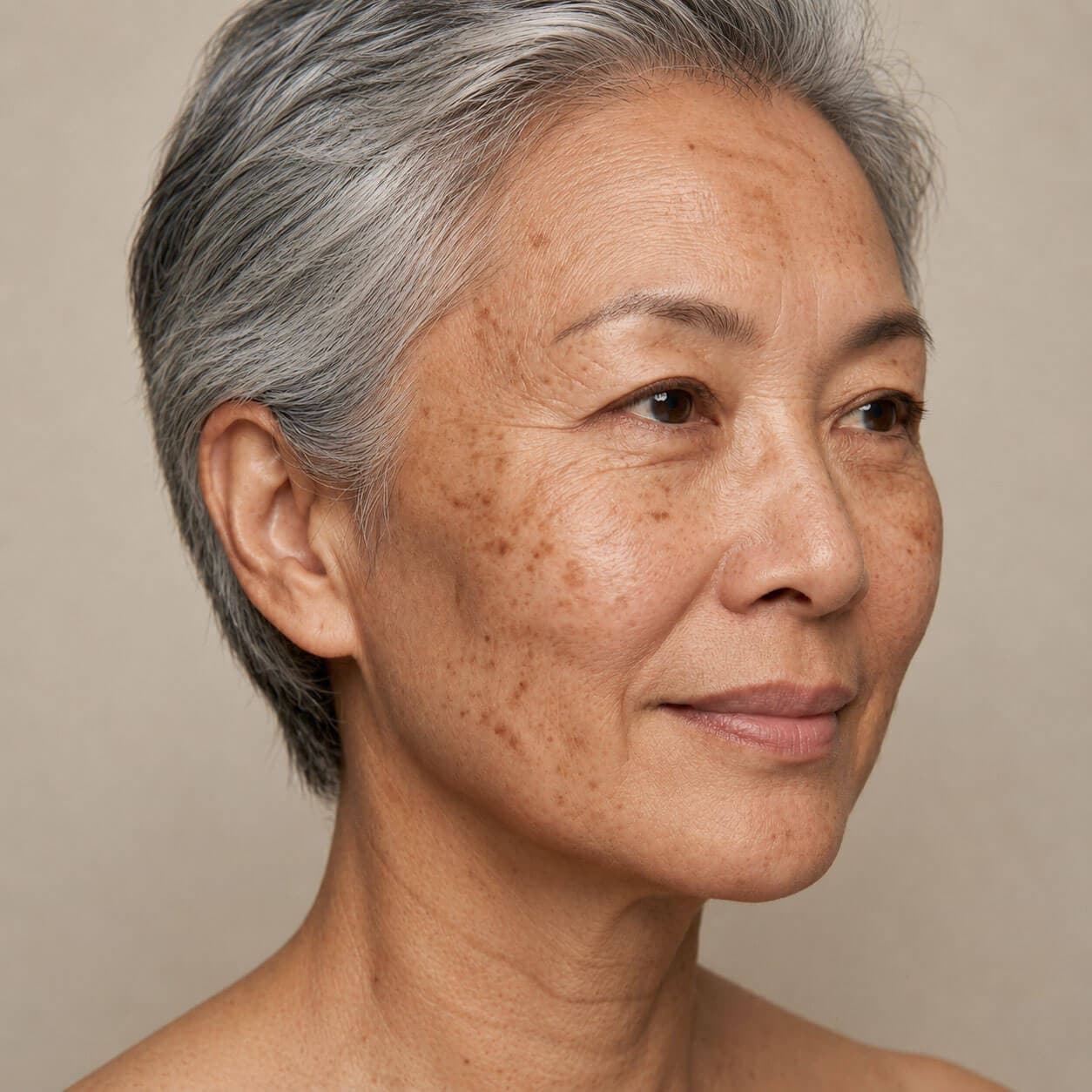
Pigmentation
Pigmentation is one of the most-asked-about, most-misunderstood skin concerns. Here's what's happening in your skin and the slow, evidence-led routine that actually fades it.
Related ingredients
Citations
- Smith WP, et al. Epidermal and dermal effects of topical lactic acid. J Am Acad Dermatol. 1996;35(3 Pt 1):388–391. — PMID 8784274
- Guéniche A, et al. Amelioration of lactic acid sensations in sensitive skin by stimulating the barrier function and improving lipid synthesis. J Cosmet Dermatol. 2018;17(6):1077–1083. — PMID 29728858