Does alcohol trigger rosacea? The honest answer
Alcohol can trigger rosacea flushing for some people, but it is not the cause of rosacea and it is not a universal rule. Here is how to test your own pattern without guilt.
On this page
I understand why alcohol and rosacea feels like an awkward topic.
Nobody wants a skincare article to sound like a lecture from a joyless dinner guest.
And nobody with rosacea-prone skin needs the old, unfair myth that redness means someone drinks too much. That myth has done enough damage. People who never drink can have rosacea. People who drink occasionally can have calm skin. People who flush after half a glass of red wine have not failed at skincare.
My own skin history was acne, oil, clogged pores, dehydration, and irritation. I have not had rosacea as my own diagnosis, so I will not pretend otherwise. But after helping customers and readers with redness-prone, reactive skin, I have seen this pattern many times:
Alcohol can be a trigger.
Guilt is not a treatment.
The short answer
Alcohol can trigger rosacea flushing in some people because it can dilate blood vessels, raise facial heat, and make an already reactive face more reactive. A 2018 review on rosacea triggers and alcohol[1] describes alcohol as a common trigger, while also separating that from the false idea that rosacea is caused by drinking.
That distinction matters.
Rosacea is a chronic inflammatory and vascular skin condition. Alcohol may set off a flare for some people, but it is not the moral origin story of your cheeks.
The practical answer is:
- If alcohol clearly makes you flush, treat it as a real trigger.
- If only one type of drink causes trouble, focus on that one.
- If alcohol does not affect your skin, you do not need to invent a rule.
- If redness, bumps, burning, or eye symptoms keep returning, skincare and trigger tracking may not be enough. Get medical help.
The 2019 National Rosacea Society management update[3] treats rosacea care as individual and phenotype-based. Normal human translation: what works depends on the signs in front of you.
Alcohol does not cause every red face
Start with the emotional part.
Rosacea has a long history of being unfairly associated with heavy drinking. That is one reason people feel embarrassed when alcohol is mentioned as a trigger. They hear "alcohol may flush rosacea" and it lands as "people will think I caused this."
No.
Alcohol can be a trigger without being the cause.
Think of rosacea-prone skin like a smoke alarm with a very sensitive setting. Heat, sun, stress, spicy food, hot drinks, irritating products, and alcohol can all set it off. But the toast did not build the smoke alarm. It only made it noisy.
The American Academy of Dermatology's trigger guidance[4] recommends identifying personal triggers because common flare drivers vary from person to person. Alcohol belongs on that list for many people. It does not belong in a shame story.
Why alcohol can make rosacea flush
Alcohol can increase blood flow near the surface of the skin.
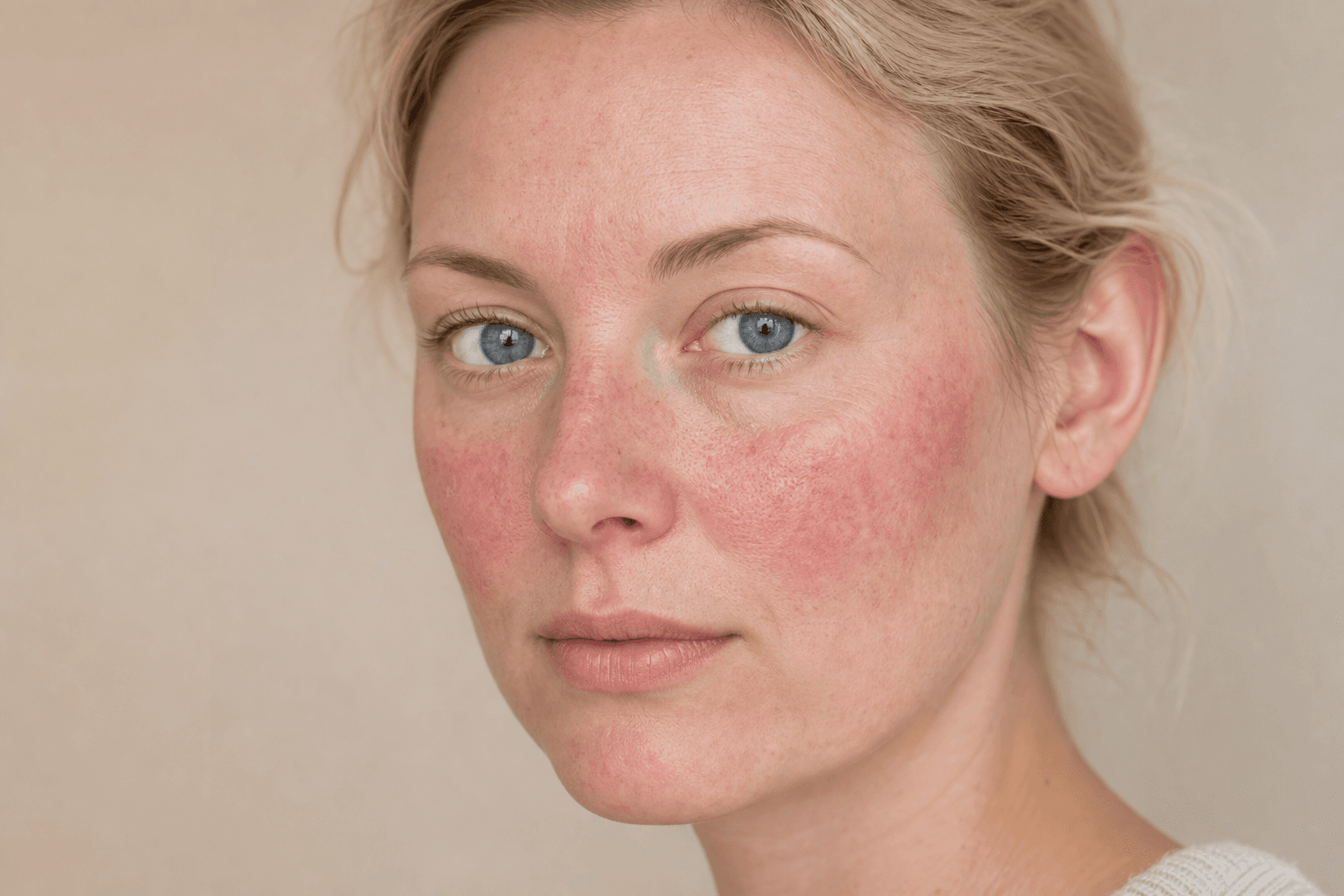
For someone without rosacea, that might mean a temporary warm face or a little pinkness. For rosacea-prone skin, the same vascular push can become:
- hot cheeks
- burning or stinging
- redness that lasts longer than expected
- visible vessels looking more obvious
- bumps that appear or feel angrier afterward
- a flare that stacks with heat, sun, spicy food, or stress
Alcohol often feels worse in real life than it looks on a simple trigger list. It rarely arrives alone.
A glass of wine may also come with:
- a warm restaurant
- spicy food
- poor sleep
- stress
- sun exposure earlier that day
- a hot shower before going out
- makeup removal with extra rubbing afterward
Then alcohol gets blamed for everything, or ignored completely, when the real problem may be the whole heat-and-irritation stack.
Rosacea does not always flare from one villain. Sometimes it flares from a crowded room of small annoyances.
Red wine, white wine, beer, and spirits: is one worse?
This is where the answer gets annoyingly nuanced.
Patient surveys and trigger lists often name red wine as a frequent alcohol-related trigger. The National Rosacea Society trigger list[5] includes alcohol, especially red wine, beer, bourbon, gin, vodka, and champagne among possible rosacea flare drivers.
That matches what many people report: red wine can create flushing quickly.
But research on developing rosacea is not exactly the same question as triggering a flare in someone who already has rosacea.
A large cohort study of 82,737 US women[2] found that higher alcohol intake was associated with higher risk of incident rosacea over 14 years. In that study, white wine and liquor showed the strongest beverage-specific associations. Red wine is still commonly reported as a flare trigger, but it was not the beverage most strongly linked with developing rosacea in that cohort.
So we need to keep two questions separate:
- Can this drink trigger my existing rosacea today?
- Is this drink associated with rosacea risk in population research?
Both questions are useful. They are not identical.
For your own face, the first question matters most on a Saturday evening.
How fast can alcohol trigger a flare?
Some people flush while they are still holding the glass.
Others notice heat later that evening. Some wake up the next morning with cheeks that feel rough, dry, tight, or more reactive. A few people do not notice a clear pattern until they track it for several weeks.
Try not to judge from one night unless the pattern is obvious.
A single flush could be alcohol. It could also be:
- a hot room
- spicy food
- dancing or exercise
- emotional stress
- a new sunscreen or makeup
- sun exposure earlier
- not enough sleep
- cleansing too aggressively afterward
Short, boring tracking helps here.
Not obsessive tracking. Not a spreadsheet with 47 columns and a category for "mildly annoyed by coworker."
Only enough information to learn something.
A simple 2-week alcohol trigger test
If you suspect alcohol is flaring your rosacea, use a calm test.
Step 1: Keep your skincare stable
Do not start a new acid, retinoid, vitamin C, cleanser, sunscreen, and moisturiser in the same week you are testing alcohol.
That turns the experiment into soup.
Keep the routine steady: gentle cleanse, moisturiser if needed, daily SPF, and no scrubs. If your skin is actively burning, use the rosacea flare reset guide before testing any trigger.
Step 2: Track the basics
For 2 weeks, write down:
- drink type
- amount
- whether the drink was cold, room temperature, or warm
- spicy food
- hot drinks
- sun or heat exposure
- exercise
- stress
- sleep
- new products
- when redness started
- how long it lasted
You are looking for repetition, not courtroom evidence.
Step 3: Test one drink category at a time
If red wine seems suspicious, test red wine first.
If spirits seem suspicious, test spirits.
If beer is fine but champagne makes your cheeks feel like a radiator, that is useful. The answer does not need to be "all alcohol forever." It can be "this drink, this amount, in this setting, is not worth it for my skin."
That is a much kinder rule.
Step 4: Change the context before banning everything
Sometimes the trigger is not only alcohol. It is alcohol plus heat.
You may do better with:
- a cooler room
- slower drinking
- water between drinks
- less spicy food at the same meal
- avoiding very hot showers afterward
- stopping at the amount where flushing usually begins
- choosing the drink that gives you the least trouble
This is not about making alcohol "healthy for rosacea." It is about learning whether small practical changes are enough for your skin.
For a broader trigger framework, read the full rosacea triggers guide.
What to do if your face flushes after alcohol
First, do not punish the skin.
A flushed rosacea-prone face is already warm, reactive, and annoyed. It does not need a scrub, a strong exfoliating acid, a drying toner, or a dramatic "detox" mask.
Use the boring plan:
- Move out of heat if you can.
- Sip water.
- Use lukewarm water, not hot water.
- Cleanse only if you need to remove sunscreen or makeup.
- Use fingertips, not a washcloth.
- Moisturise if your skin feels tight or dry.
- Use gentle SPF the next morning.
- Pause strong actives if the skin feels hot, stingy, or rough.
If you have persistent papules, pustules, visible vessels, swelling, thickening skin, or eye symptoms, alcohol reduction alone is not a complete treatment plan. The rosacea skincare routine can help with the daily baseline, but medical rosacea symptoms deserve clinician care.
Should you quit alcohol for rosacea?
Maybe.
But not because a blog post told you to panic.
A useful decision sounds more like this:
- "Red wine reliably makes my face burn for 24 hours, so I usually skip it."
- "White wine is worse for me than beer."
- "One drink is fine, but two drinks plus a hot restaurant causes a flare."
- "Alcohol does not seem to affect my rosacea, so I focus on sun, heat, and skincare irritation."
- "My flares are frequent even without alcohol, so I need a dermatologist, not a stricter trigger list."
That is the tone I want for rosacea care: honest, calm, and specific.
There is no skincare trophy for avoiding something that does not affect you. There is also no need to keep repeating a trigger that clearly makes your skin miserable.
What about alcohol in skincare products?
Different topic, but worth a quick note.
Drinking alcohol and alcohol in skincare are not the same issue.
Short-chain alcohols in products, such as alcohol denat. or ethanol-heavy toners, can sting or dry some rosacea-prone skin, especially when the barrier is irritated. Fatty alcohols, such as arachidyl alcohol, are different. They are waxy texture ingredients that can make creams feel smoother and richer.
So do not judge an ingredient by one scary word.
Judge the whole formula and your skin's response.
If a product burns, stings, or leaves you red for hours, stop using it. If a moisturiser contains a fatty alcohol and your skin feels comfortable, there is no reason to panic.
The bottom line
Alcohol can trigger rosacea for some people.
It can also be irrelevant for others.
The right question is not "Is alcohol bad?" It is "Does this drink, at this amount, in this setting, repeatedly make my skin worse?"
Track the pattern. Keep the routine gentle. Avoid shame. And if your rosacea is active even when you manage triggers well, get proper medical support.
Your face does not need a moral lecture.
It needs fewer flare loops.
People also ask
Does alcohol always trigger rosacea?
No. Alcohol is a common rosacea trigger, but it is not universal. Some people flush from red wine, spirits, beer, or champagne; others notice little difference. Track your own pattern before making strict rules.
Which alcohol is worst for rosacea?
Patient surveys often name red wine as a common flare trigger, while cohort research has linked white wine and liquor with higher risk of developing rosacea. For your own skin, the worst drink is the one that repeatedly causes flushing or burning.
Is rosacea caused by drinking alcohol?
No. Rosacea can affect people who never drink. Alcohol may trigger flares or be associated with rosacea risk in some research, but it is not proof that someone caused their skin condition.
What should I do if my face flushes after drinking?
Cool down gently, drink water, avoid hot showers, skip harsh actives, and return to a simple routine. If flushing, bumps, burning, or eye symptoms keep happening, ask a dermatologist for individual care.
The routine I would keep steady while testing alcohol
If alcohol is one of your rosacea triggers, the answer is not to attack your face the next morning. Over the last 15 years, I have helped more than 100,000 people with problem skin, and reactive skin keeps teaching the same lesson: the calmer routine usually wins. The Danish Skin Care Kit gives you that steady base - gentle cleansing, barrier support, and daytime SPF - while you learn whether wine, spirits, heat, stress, or something else is really driving the flare.

The calm base routine I would use when alcohol or other triggers make rosacea-prone skin flush: gentle cleansing, barrier support, and daily SPF without adding more irritation.
Full transparency: Danish Skin Care is my own company — I formulated these products and earn from every sale. That's exactly why I only recommend them where they genuinely fit the guide you just read.
Real results from simple routines
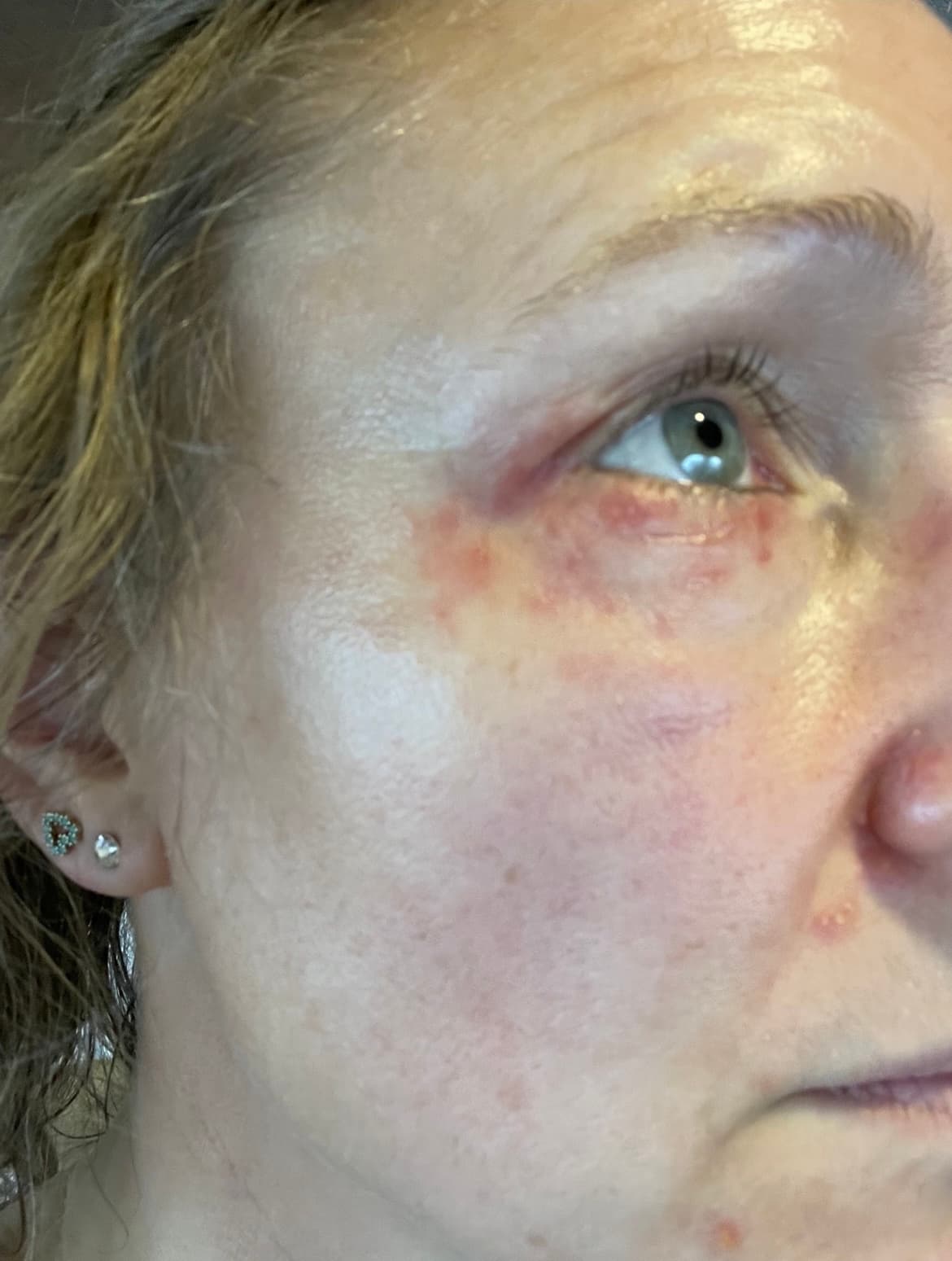
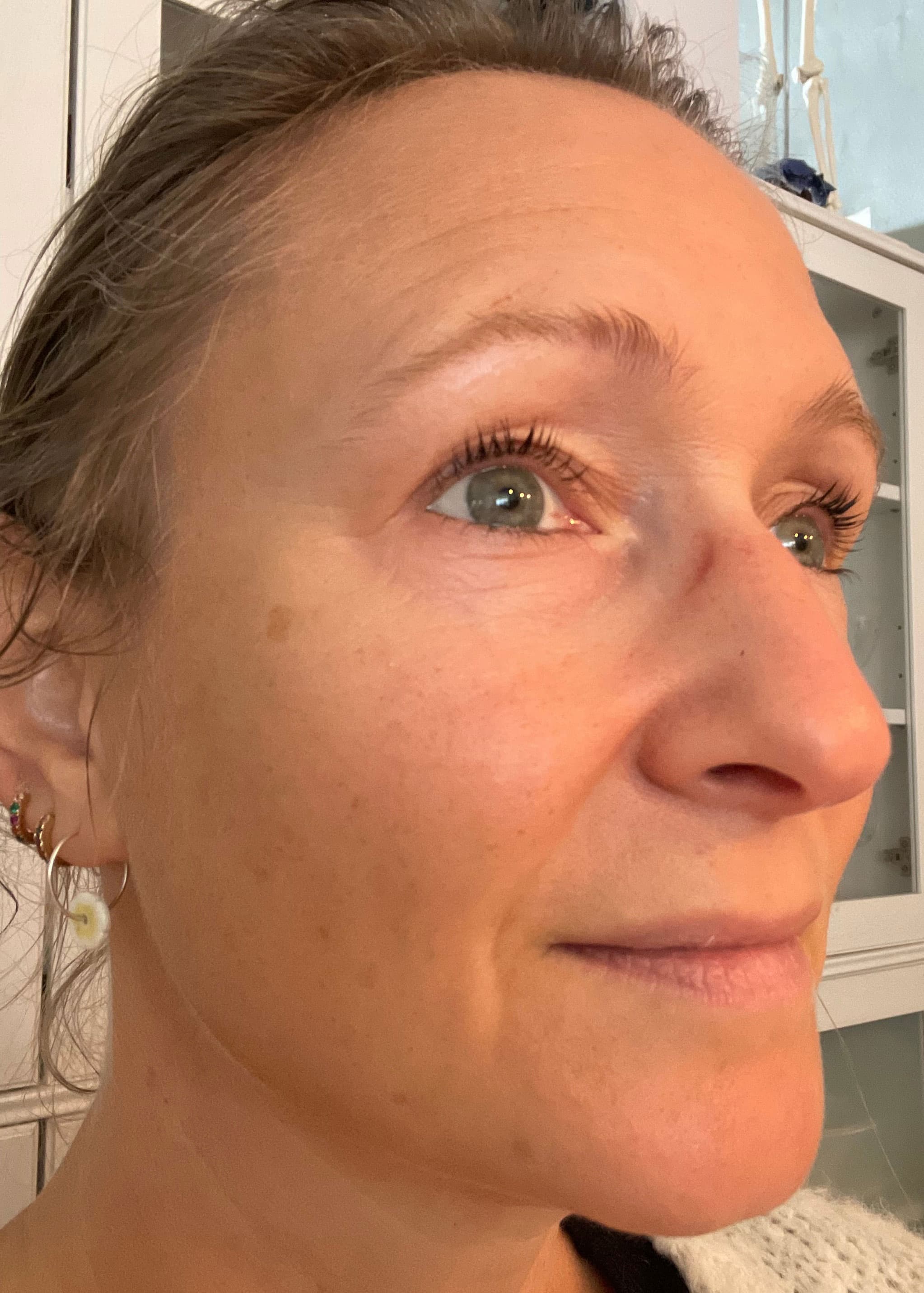
A few real before-and-after cases from people using Danish Skin Care for skin concerns related to this guide. No filters, no miracle promise. Consistent skincare over time.
 Before
 After
After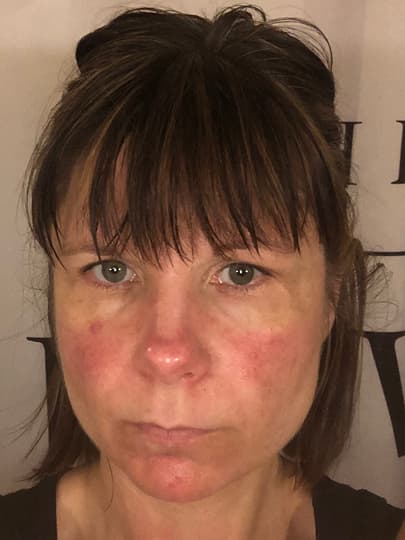 Before
 After
After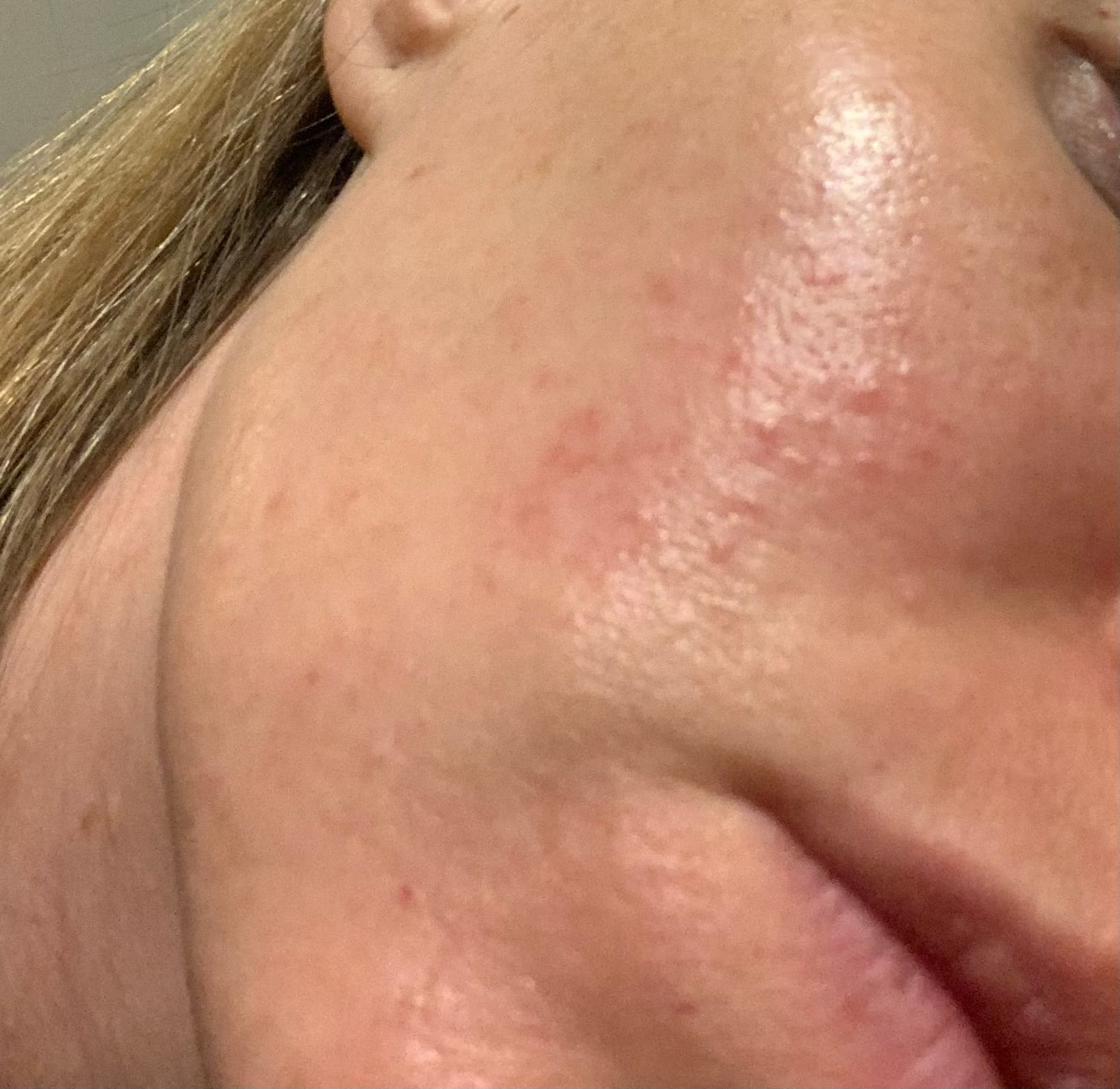 Before
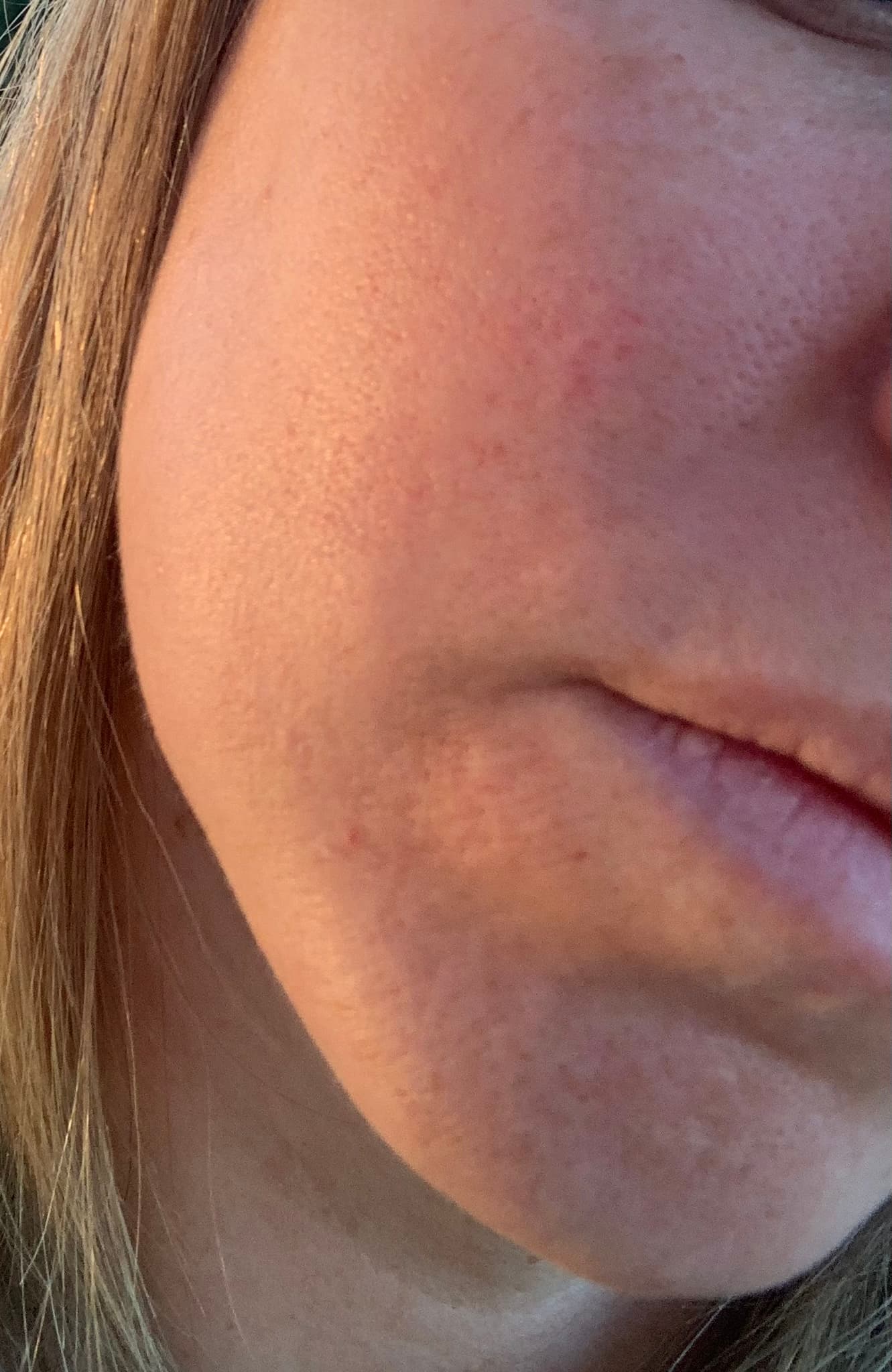 After
AfterKeep reading
- Ingredient · azelaic acid
- Ingredient · niacinamide
- Ingredient · sodium hyaluronate
- Ingredient · panthenol
- Ingredient · allantoin
- Condition · rosacea
- Condition · sensitive skin
- Condition · perioral dermatitis
- Read · rosacea triggers
- Read · rosacea skincare routine
- Read · how to calm rosacea flare
- Read · rosacea symptoms
- Read · best sunscreen for rosacea
- Read · best ingredients for rosacea
- Read · rosacea acne
Citations
- Alinia H, Tuchayi SM, James SM, et al. Rosacea Triggers: Alcohol and Smoking. Dermatol Clin. 2018;36(2):123-126.PMID 29499795
- Li S, Cho E, Drucker AM, Qureshi AA, Li WQ. Alcohol intake and risk of rosacea in US women. J Am Acad Dermatol. 2017;76(6):1061-1067.e2.PMID 28434611
- Thiboutot D, et al. Standard management options for rosacea: The 2019 update by the National Rosacea Society Expert Committee. J Am Acad Dermatol. 2020;82(6):1501-1510.PMID 32035944
- American Academy of Dermatology Association. Triggers could be causing your rosacea flare-ups.AAD
- National Rosacea Society. Factors That May Trigger Rosacea Flare-Ups.NRS