
Silica
A mineral-derived texture and absorbent ingredient used to reduce shine, improve slip, and make formulas feel smoother. Useful in moderation, not a skin treatment.
At a glance
What Silica does for skin, and how to read the practical safety signals.
- Texture role: Helps formulas feel smoother, softer, and less greasy.
- Oil-absorbent: Often used in matte sunscreens, powders, and oil-control products.
- Route matters: Skin-use silica is a different safety conversation from inhaling fine loose powders.
- Type
- Mineral absorbent
- Rating
- Pregnancy
- Considered safe
- Comedogenic rating
- 0/5 (Won't clog pores)
- Vegan
- Yes
- Suited skin types
- All skin types
On this page
The short answer
Silica is a mineral-derived ingredient used for texture, slip, and oil absorption.
You often see it in matte sunscreens, primers, powders, and lightweight skincare formulas. It can make a product feel smoother and less greasy. It does not treat oily skin at the source.
Think of it as a blotting-paper ingredient, not an oil-gland therapist.
What the evidence actually shows
Skin penetration data. A 2023 study[1] investigated synthetic amorphous silica used in cosmetics and focused on whether it penetrates skin. The practical point for skincare readers is that topical cosmetic use is assessed very differently from inhaling dust.
Cosmetic safety. The Cosmetic Ingredient Review amended safety assessment[2] reviewed silica and silicates as cosmetic ingredients and supports their safe use under appropriate cosmetic conditions.
Why inhalation gets discussed. ATSDR's silica toxicology summary[3] explains that inhalation exposure is the bigger concern for fine silica particles, especially occupational or dust exposure. That is not the same exposure as silica suspended inside a cream or sunscreen.
Where it fits in skincare
Silica can help a formula:
- feel less greasy
- blur shine
- spread more smoothly
- improve powdery or soft-focus finish
- reduce tack in sunscreen or primer textures
This is why oily skin often sees silica in mattifying products.
Where it can go wrong
Silica can make a product feel too dry if the whole formula leans very matte.
If your oily skin is also dehydrated, a silica-heavy product may look elegant for an hour and then leave you tight by lunch. In that case, fix the water support first with humectants and a light moisturiser.
Surface matte is not the same as healthy barrier.
What it will not do
Silica will not:
- reduce sebum production
- clear acne
- dissolve blackheads
- replace niacinamide
- repair a damaged skin barrier
It helps the product finish. That can be valuable because daily use depends on feel. But do not ask a texture ingredient to do a treatment active's job.
The practical takeaway
My goal with this guide was to gather the useful science on silica in one place, so you can stop hunting for the next clever fix and focus on a simple, effective routine.
That is also why I made the Danish Skin Care Kit: a calm routine built around documented ingredients, and one that has helped more than 100,000 people with problem skin. If even the smallest question is still nagging you, send me an email at info@danishskincare.com.
Common questions
What does silica do in skincare?
Silica is used mainly for texture, slip, oil absorption, and a softer or more matte product finish.
Is silica bad for skin?
For normal topical use in well-formulated cosmetics, silica is generally considered safe. Inhalable loose powders are a separate safety conversation.
Can silica treat oily skin?
No. It can absorb surface shine and improve texture, but it does not regulate sebum production like niacinamide can.
Reading a real label?
Scan a product to see how it is formulated
Upload a photo of the ingredient list and get a quick ingredient-by-ingredient read against the evidence-led database.
Found in these Danish Skin Care products

The Kit focuses on balanced textures and oil control through a complete routine, not drying the skin with powders alone.
Skin conditions it actively helps with
Where the published evidence puts Silica on the short list of active ingredients worth reaching for.
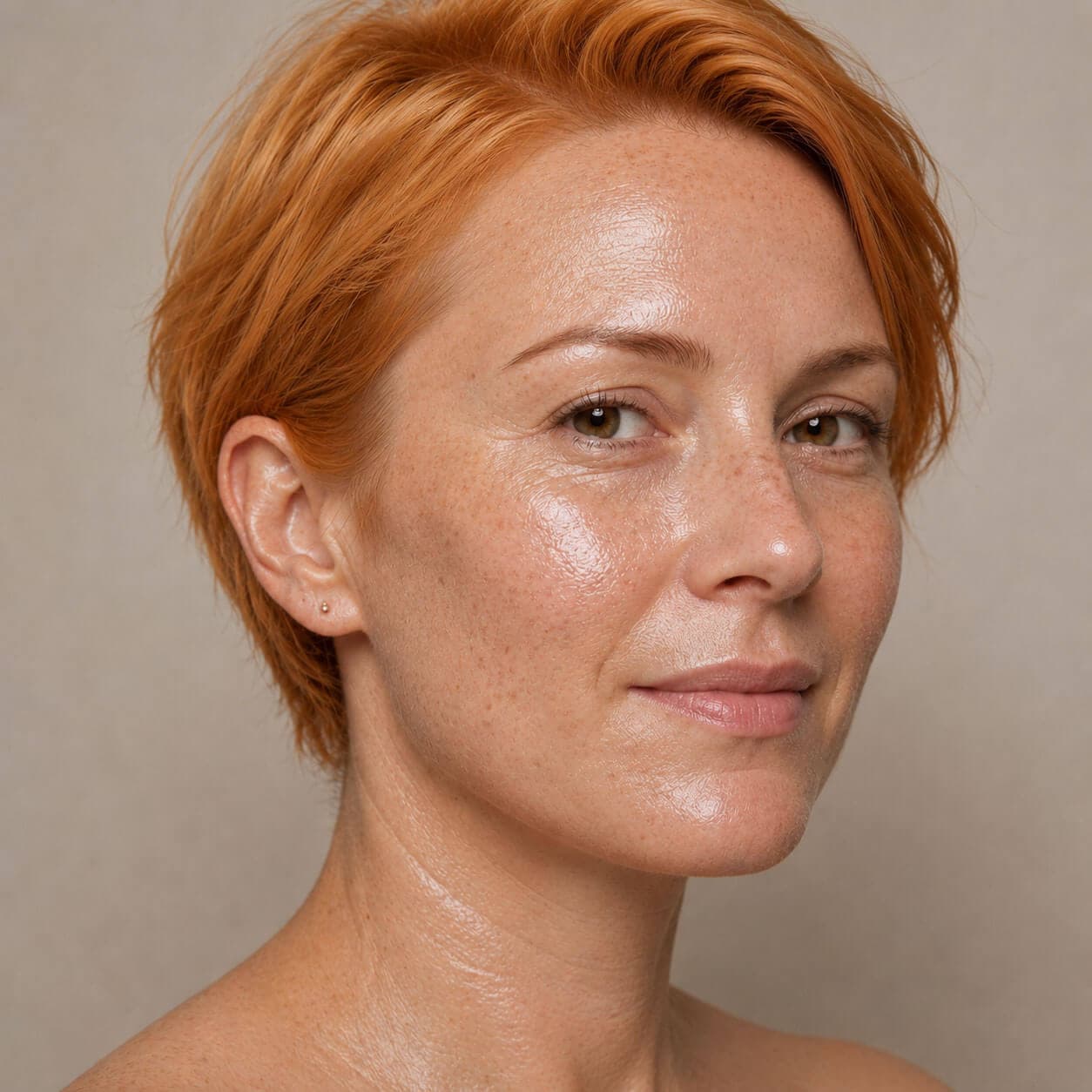
Oily skin
Oily skin isn't a problem to "fix". It's a feature with trade-offs. Here's what actually controls sebum, what doesn't, and the routine that works without stripping.

Combination skin
Oily T-zone, drier or normal cheeks, and a routine that has to address both without making either worse. Here's how to actually balance combination skin.
Related ingredients
Citations
- Wohlleben W, et al. Investigation on the skin penetration of synthetic amorphous silica (SAS) used in cosmetic products. Regul Toxicol Pharmacol. 2023;144:105487. — PMID 37541533
- Amended Safety Assessment of Silica and Silicates as Used in Cosmetics. Cosmetic Ingredient Review. 2019. — CIR safety assessment
- Agency for Toxic Substances and Disease Registry. ToxFAQs for Silica. — ATSDR