
How to wash your face when you have acne
Acne-prone skin needs clean skin, not punished skin. Here is how to wash your face without scrubbing pimples into more redness.

On this page
When I had acne, washing my face felt like the one thing I could control.
So I controlled it aggressively. Hot water. Too much cleanser. That extra little scrub around a pimple because surely the problem needed more effort. My skin did not become clearer from that energy. It became redder, tighter, and much easier to annoy.
After helping more than 100,000 people with problem skin, I keep seeing the same pattern: acne makes people feel dirty, even when acne has nothing to do with dirt.
That misunderstanding is expensive for the skin barrier.
The short answer
Wash acne-prone skin gently, twice a day for most people, and after heavy sweating when needed.
Use lukewarm water, a mild cleanser, and your fingertips. Rinse well. Pat dry. Then use the leave-on treatment and moisturiser that do the acne work.
The important part is this: cleansing removes surface oil, sunscreen, makeup, sweat, and residue. It does not reach inside a clogged follicle and scrub acne out of existence.
Acne begins in the pilosebaceous unit - the follicle plus oil gland - where sebum, sticky shedding, Cutibacterium acnes, and inflammation can stack together[1]. A cleanser can support that routine. It cannot replace it.
Why acne-prone skin gets over-washed
Acne has a rude way of making normal skin feel unclean.
You see a pimple. You feel oil. The obvious human reaction is to wash again. And if the pimple is still there, maybe wash harder. This feels logical in the mirror. It is less logical inside the follicle.
The clog is not sitting politely on top of the face.
It is inside the pore, where oil and dead skin cells have formed a traffic jam. That is why a good acne routine usually needs a leave-on active like salicylic acid, plus barrier support and time.
If you remember one sentence from this guide, make it this:
Clean the skin. Do not punish it for having acne.
What harsh cleansing does to the barrier
Cleansers work because surfactants help water mix with oil and residue.
That is useful. It is also why formula quality matters. A review on cleanser science explains that surfactants can extract skin components, remain in the stratum corneum after rinsing, and disrupt barrier properties when the system is too aggressive[2].
In normal bathroom language: the wrong cleanser, used too often or too roughly, can leave the skin clean but cranky.
Cranky acne-prone skin tends to:
- sting when you apply moisturiser
- look redder around pimples
- feel tight after washing
- tolerate acne treatment poorly
- tempt you into changing products again
If that sounds familiar, the issue may not be that you need a stronger cleanser. You may need a calmer one.
The acne-safe way to wash your face
The American Academy of Dermatology recommends a gentle, non-abrasive, alcohol-free cleanser, applied with fingertips and lukewarm water, while avoiding washcloths, mesh sponges, and scrubbing because they can irritate skin[3].
That advice is wonderfully unglamorous. I like it for exactly that reason.
Step 1: Use lukewarm water
Hot water feels productive. It is mostly good at making already irritated skin louder.
Use water that feels comfortable, not steamy. If your face is red before the cleanser even lands, turn the temperature down.
Step 2: Use your fingertips
Your fingertips are enough.
Not a brush. Not a rough cloth. Not a silicone gadget you bought during a late-night "this will fix me" moment.
Massage the cleanser lightly over the skin for about 20 to 30 seconds. Focus on areas where SPF, makeup, sweat, or oil collects: hairline, nose creases, chin, jaw, and around the mouth.
Step 3: Rinse more carefully than you scrub
Leftover cleanser can irritate.
Rinse around the hairline, sides of the nose, and jaw. These are the places where residue loves to hide and later pretend to be a mysterious breakout.
Step 4: Pat dry
Do not rub the face red with a towel.
Pat dry, then move on. Acne care is not a polishing project.
Morning cleanse or no morning cleanse?
Some people with oily or acne-prone skin feel better with a gentle morning cleanse.
Others, especially if they are dry, sensitive, or using acne treatment at night, do better with water in the morning and a proper cleanse in the evening.
Both can be reasonable.
Use your skin's reaction as the test:
- If you wake up very oily, use a gentle morning cleanse.
- If you wake up tight or flaky, rinse with water and moisturise.
- If you wore a heavy night balm, cleanse lightly.
- If your skin burns after every cleanse, pause and reassess the cleanser, water temperature, and active use.
The best rule is the one your skin can repeat without complaining.
Evening cleansing matters more
Evening is where most acne-prone routines need the cleanser to show up.
By then, the skin may have SPF, makeup, sweat, pollution, sebum, and hair product residue sitting on it. If you wear makeup, the guide to makeup breakouts explains why residue patterns can matter. If SPF seems to trigger bumps, read the sunscreen breakout guide before giving up on protection.
If one gentle cleanse removes everything, stop there.
If your sunscreen or makeup is water-resistant, you may need double cleansing: a mild removal step first, then a gentle water-based cleanser. Keep both steps calm. Double cleansing is not double punishment.
What about oil-free and non-comedogenic cleansers?
Labels can help, but they cannot think for you.
For acne-prone skin, oil-free, non-comedogenic, and "won't clog pores" can be useful filters. They are not guarantees. A cleanser can be oil-free and still feel stripping. A product can be non-comedogenic and still irritate you.
The finished formula matters.
Look for:
- gentle or mild cleanser language
- no gritty scrub particles
- no strong alcohol feel
- fragrance-free if your skin is reactive
- a texture that rinses clean without squeaking
That last word - squeaking - is not a compliment. Skin is not a dinner plate.
What to do after cleansing
This is where acne routines often go wrong.
People cleanse, see that acne is still there, and assume the cleanser failed. It did not fail. It finished its job.
After cleansing:
- Pat the skin dry.
- Apply your leave-on acne treatment if it is a treatment night.
- Moisturise.
- Use SPF in the morning.
For clogged pores, blackheads, whiteheads, and mild inflamed pimples, salicylic acid is often a sensible leave-on starting point. For oiliness and redness support, niacinamide can fit well. For severe, painful, scarring, or persistent acne, the 2024 acne guidelines include prescription options because some acne needs medical tools[4].
That is not failure. That is matching the tool to the job.
Signs you are washing too much
You may be over-cleansing if your skin:
- feels tight within minutes of washing
- burns when moisturiser touches it
- flakes around pimples
- gets shiny quickly but still feels dry underneath
- looks redder after every cleanse
- tolerates fewer and fewer products
The guide on tight skin after washing goes deeper into that pattern. The short version: tight does not mean clean. Tight usually means the barrier is annoyed.
My practical routine
If you have acne and keep over-washing, I would simplify the routine like this:
Morning
- Gentle cleanse or water rinse, depending on how your skin feels.
- Lightweight moisturiser.
- SPF.
Evening
- Gentle cleanse.
- Salicylic acid leave-on 2 to 4 nights per week if tolerated.
- Moisturiser.
After heavy sweating
- Rinse or cleanse when practical.
- Do not leave sweat, SPF, and friction sitting for hours if your skin breaks out after workouts.
This is not exciting. Good. Exciting routines are often how acne-prone skin ends up with a personality crisis.
The bottom line
Washing your face with acne should make the next step easier. It should not leave the skin red, tight, and ready to argue.
Cleanse gently. Use lukewarm water. Let your acne treatment do the pore work. Keep the barrier comfortable enough that you can repeat the routine for weeks.
Over the years, I have learned that many people do not need more effort. They need less friction.
For acne-prone skin, calm repetition beats aggressive cleansing almost every time.
People also ask
How often should I wash my face if I have acne?
For most people, morning and evening is enough, with an extra gentle cleanse after heavy sweating. Washing more often usually adds irritation, not faster clearing.
Can washing my face too much make acne worse?
It can make acne-prone skin more irritated, tight, and reactive. Acne starts inside the follicle, so over-washing the surface does not fix the clog.
Should I use a scrub if I have pimples?
No. Scrubs and rough tools can irritate inflamed pimples and the surrounding skin. Use fingertips, lukewarm water, and a gentle cleanser.
Is cleanser enough to clear acne?
Usually not. Cleansing removes surface oil, sunscreen, makeup, and sweat. Acne often needs a consistent leave-on treatment such as salicylic acid, retinoids, or medical care when the pattern is deeper or scarring.
The routine I prefer when cleansing has become too aggressive
If acne makes you wash harder, the routine needs to calm the room down. I built the Danish Skin Care Kit so cleansing stays gentle, salicylic acid does the pore work, moisturiser keeps the barrier comfortable, and SPF protects the marks that pimples can leave behind.

A simple acne routine for people who keep over-cleansing: gentle wash, leave-on salicylic acid, barrier support, and SPF in one steady system.
Full transparency: Danish Skin Care is my own company — I formulated these products and earn from every sale. That's exactly why I only recommend them where they genuinely fit the guide you just read.
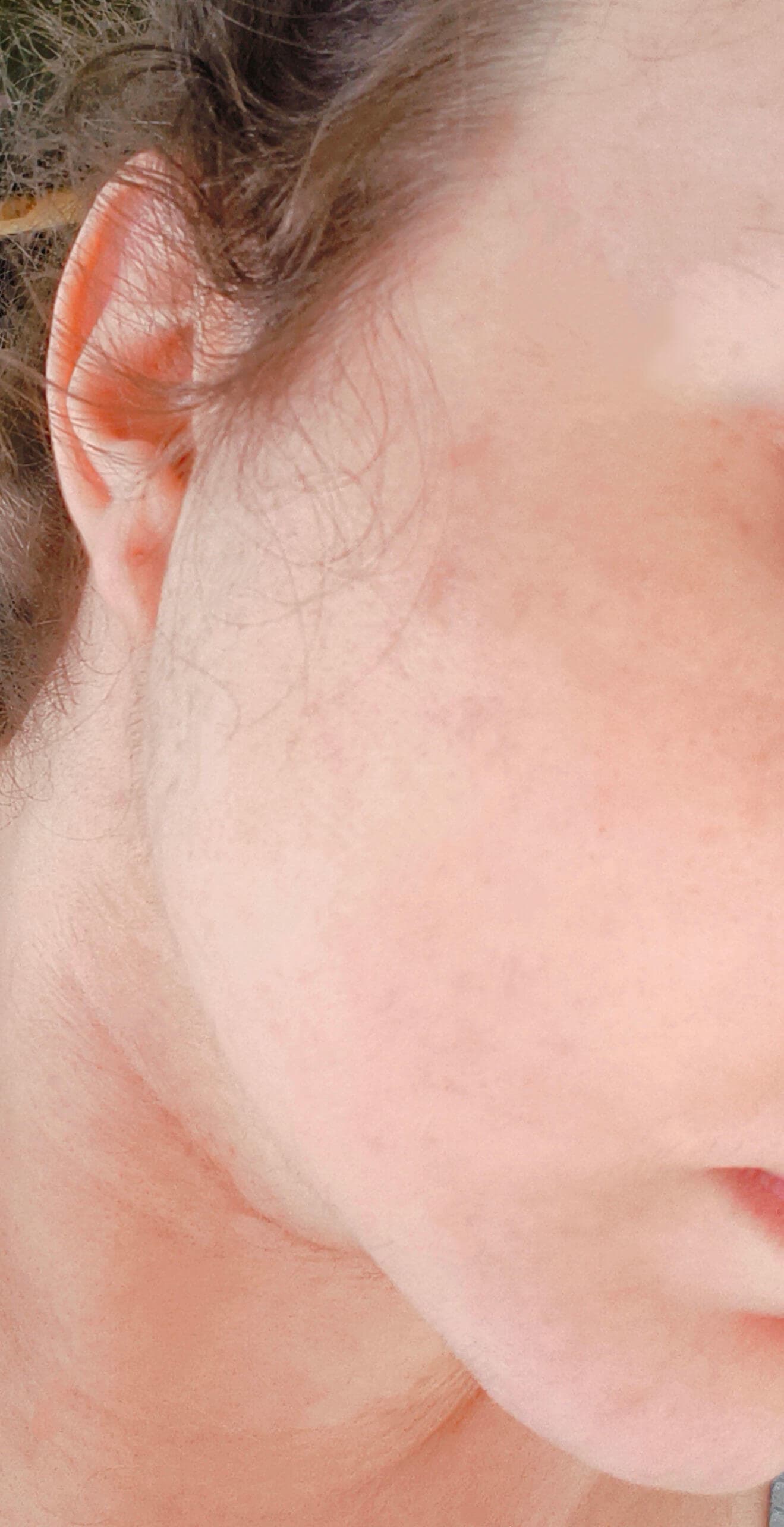
Real results from simple routines
A few real before-and-after cases from people using Danish Skin Care for skin concerns related to this guide. No filters, no miracle promise. Consistent skincare over time.
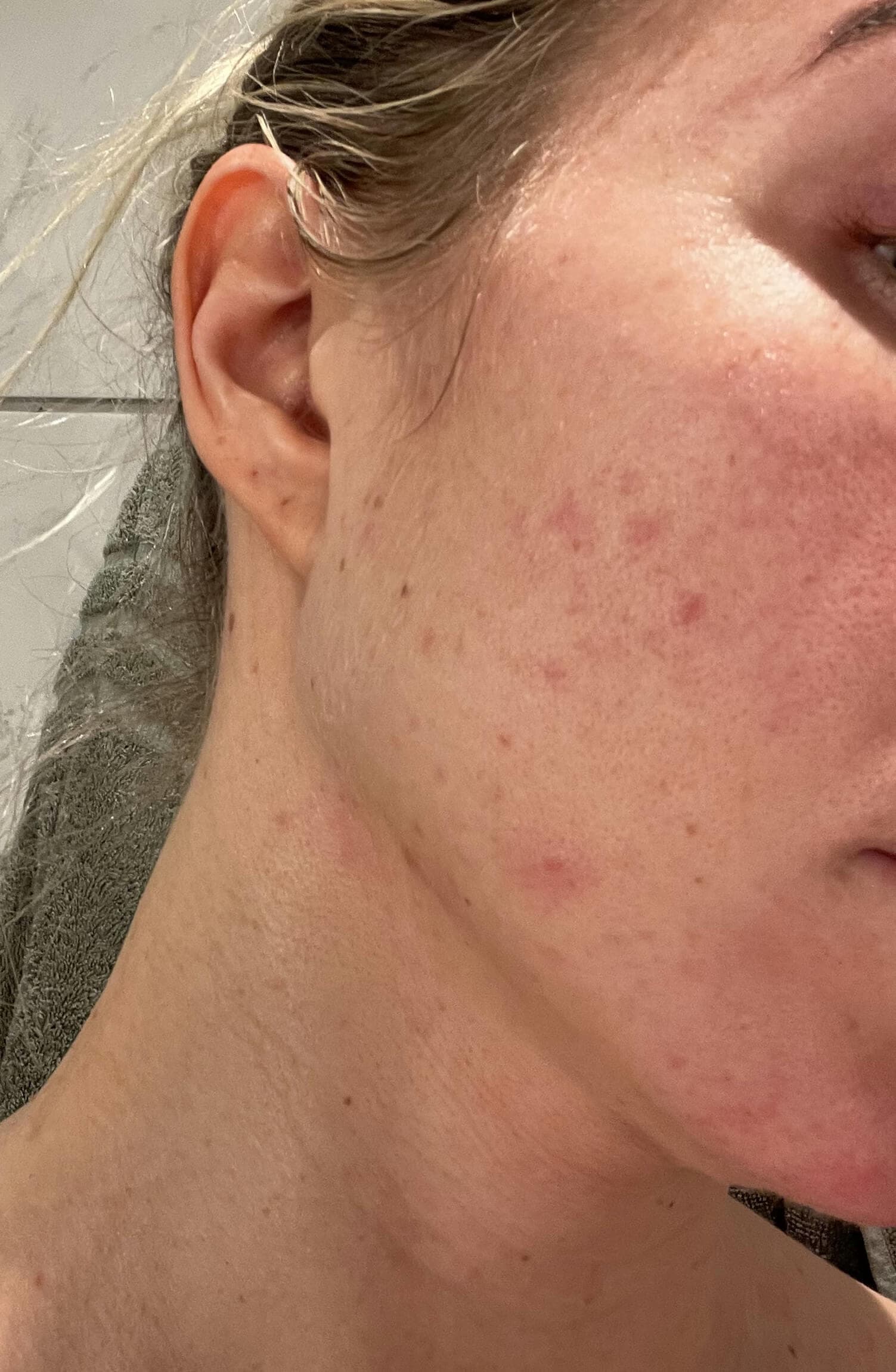 Before
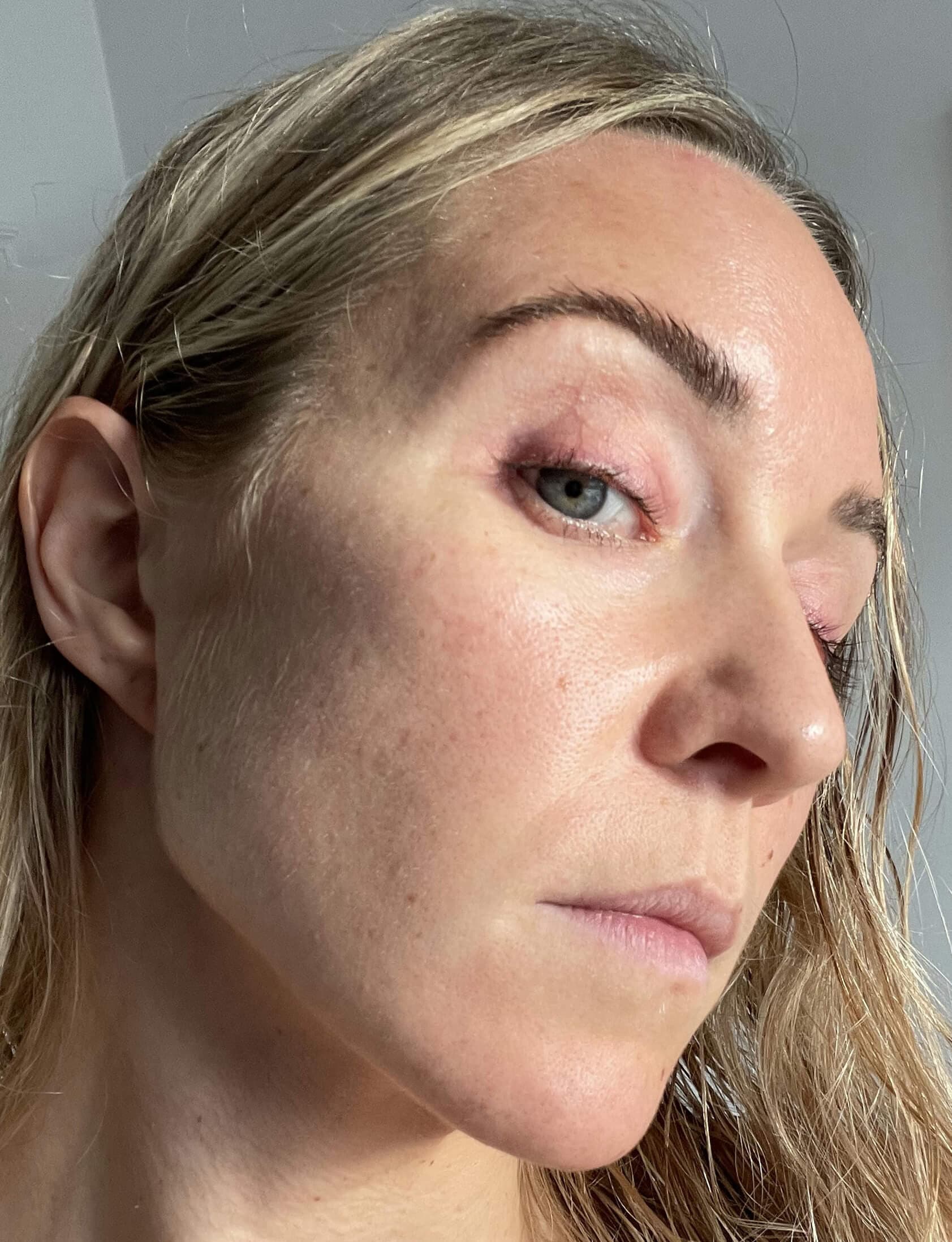 After
After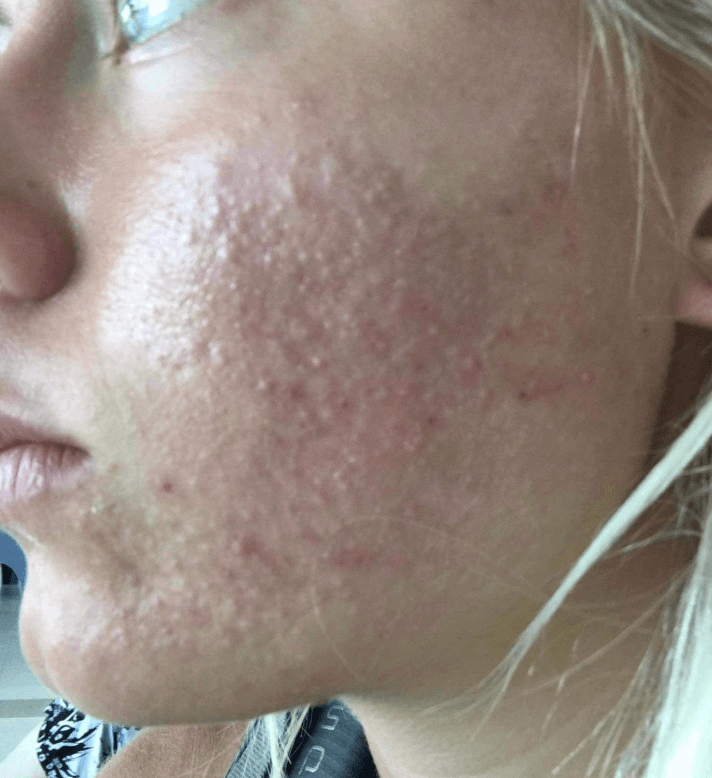 Before
 After
After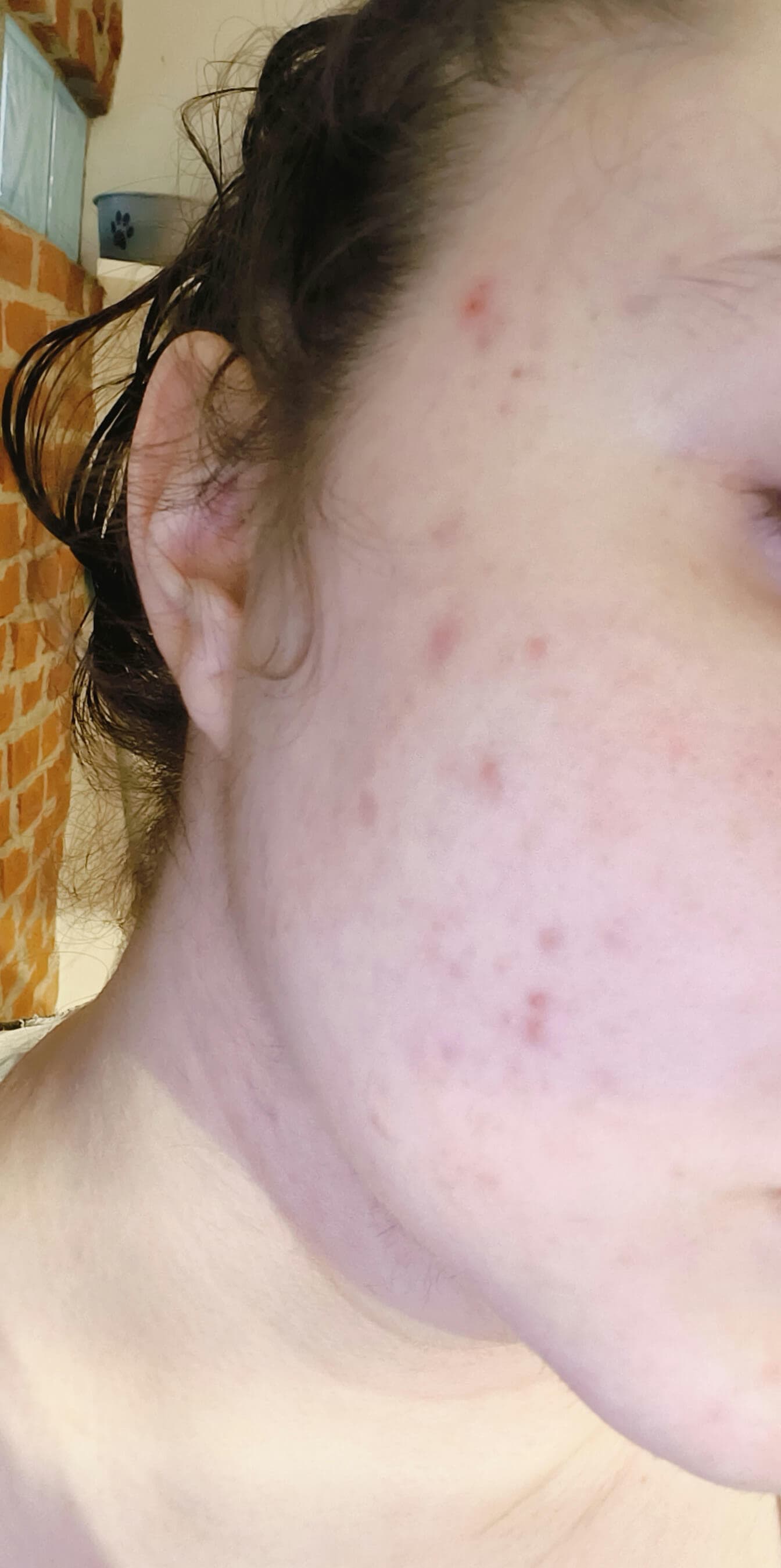 Before
 After
AfterKeep reading
- Ingredient · decyl glucoside
- Ingredient · salicylic acid
- Ingredient · niacinamide
- Ingredient · glycerin
- Ingredient · sodium pca
- Condition · acne and blemishes
- Condition · sensitive skin
- Condition · oily skin
- Condition · blackheads
- Read · how to get rid of pimples
- Read · why does my skin feel tight after washing
- Read · best skincare routine for clogged pores
- Read · why does makeup break me out
- Read · why do i break out after sunscreen
Citations
- Williams HC, Dellavalle RP, Garner S. Acne vulgaris. Lancet. 2012;379(9813):361-372.PMID 21880356
- Walters RM, Mao G, Gunn ET, Hornby S. Cleansing formulations that respect skin barrier integrity. Dermatol Res Pract. 2012;2012:495917.PMID 22927835
- American Academy of Dermatology. Face washing 101.AAD
- Reynolds RV, Yeung H, Cheng CE, et al. Guidelines of care for the management of acne vulgaris. J Am Acad Dermatol. 2024;90(5):1006.e1-1006.e30.PMID 38300170