
Decyl Glucoside
A non-ionic alkyl glucoside surfactant used in gentle cleansers and foaming products. Useful for mild cleansing, but possible contact allergy means reactive skin should still pay attention.
At a glance
What Decyl Glucoside does for skin, and how to read the practical safety signals.
- Cleansing role: Helps water mix with oil, sunscreen residue, and daily grime so a cleanser can rinse them away.
- Milder lane: Alkyl glucosides are often chosen for gentle cleanser systems, not acne treatment.
- Allergy caveat: Decyl glucoside can trigger allergic contact dermatitis in a small patch-tested population, especially alongside other glucosides.
- Type
- Cleansing surfactant
- Rating
- Pregnancy
- Considered safe
- Comedogenic rating
- 0/5 (Won't clog pores)
- Vegan
- Yes
- Suited skin types
- All skin types
On this page
The short answer
Decyl glucoside is a cleansing surfactant.
INCI lists it as Decyl Glucoside. It belongs to a family called alkyl glucosides, which are non-ionic surfactants used in cleansers, body washes, shampoos, makeup removers, and some emulsions.
In normal bathroom language: it helps a cleanser lift oil and residue so water can rinse them away. It is useful. It is not an acne treatment hiding in a foam.
What the evidence actually shows
Cosmetic safety and function. A Cosmetic Ingredient Review safety assessment[1] evaluated decyl glucoside and other alkyl glucosides in cosmetics. The panel concluded they are safe in current practices of use and concentration when formulated to be non-irritating, and noted that most function as surfactants.
That is the sensible frame. Decyl glucoside belongs in formula architecture. It helps the product clean, foam, or emulsify. It does not tell the oil glands to calm down.
Allergy is possible. A North American Contact Dermatitis Group analysis[2] found positive reactions to decyl and/or lauryl glucoside in 2.0% of 24,097 patch-tested patients. That was a referral population, not everyone using a cleanser at home, but the signal matters if your skin reacts to many "gentle" products.
Mild does not mean invisible to every immune system. Mild means a well-formulated product is designed to clean without unnecessary harshness.
How to use it
You do not need to buy decyl glucoside separately.
You may see it inside:
- gel cleansers
- foaming face washes
- body washes
- shampoos
- makeup removers
- baby or sensitive-skin cleansers
Judge the finished cleanser, not the ingredient name alone. A gentle formula can still feel tight if it is overused, rubbed too hard, or paired with hot water and too many actives.
Where it fits in a routine
Decyl glucoside sits in the cleansing step.
For acne-prone skin, the goal is residue control without barrier drama. That matters if you wear makeup that may be breaking you out, heavy SPF, or hair products that migrate onto the face.
For sensitive skin, it can be a good sign in a cleanser, but it is not a free pass. If a cleanser leaves you burning, itching, or rashy, stop and consider a patch test with medical guidance.
How it compares with other surfactants
Surfactants are not a moral ranking.
- Sodium Laureth Sulfate: an anionic surfactant that cleans well and can be mild in the right blend.
- Cocamidopropyl Betaine: amphoteric support surfactant often used to soften cleanser feel.
- Decyl glucoside: non-ionic, often chosen for mildness and foam support.
The finished blend matters more than picking one heroic surfactant. Cleansers work as teams.
When it will not help
Decyl glucoside will not:
- unclog pores by itself
- fade post-acne marks
- replace moisturiser
- replace sunscreen
- treat dermatitis
- prove a whole formula is irritation-free
If your face feels tight after washing, look at the whole routine: water temperature, cleansing frequency, active use, and moisturiser timing.
The practical takeaway
My goal with this guide was to gather the useful science on decyl glucoside in one place, so you can stop hunting for the next clever fix and focus on a simple, effective routine.
That is also why I made the Danish Skin Care Kit: a calm routine built around documented ingredients, and one that has helped more than 100,000 people with problem skin. If even the smallest question is still nagging you, send me an email at info@danishskincare.com.
Common questions
What does Decyl Glucoside do in skincare?
It works as a mild non-ionic surfactant, helping cleansers foam, spread, and rinse away oil, sunscreen, makeup residue, and daily grime.
Is Decyl Glucoside good for acne?
It is not an acne active. It can support acne-prone skin by helping a cleanser remove residue gently, while ingredients such as salicylic acid or retinoids do the pore-clearing work.
Can Decyl Glucoside irritate skin?
Yes. It is generally used in gentle products, but patch-test studies show some people develop contact allergy to decyl glucoside or related alkyl glucosides.
Reading a real label?
Scan a product to see how it is formulated
Upload a photo of the ingredient list and get a quick ingredient-by-ingredient read against the evidence-led database.
I recommend these products

The useful lesson from decyl glucoside is cleanser balance: remove residue without making the barrier feel punished.
Skin conditions it actively helps with
Where the published evidence puts Decyl Glucoside on the short list of active ingredients worth reaching for.
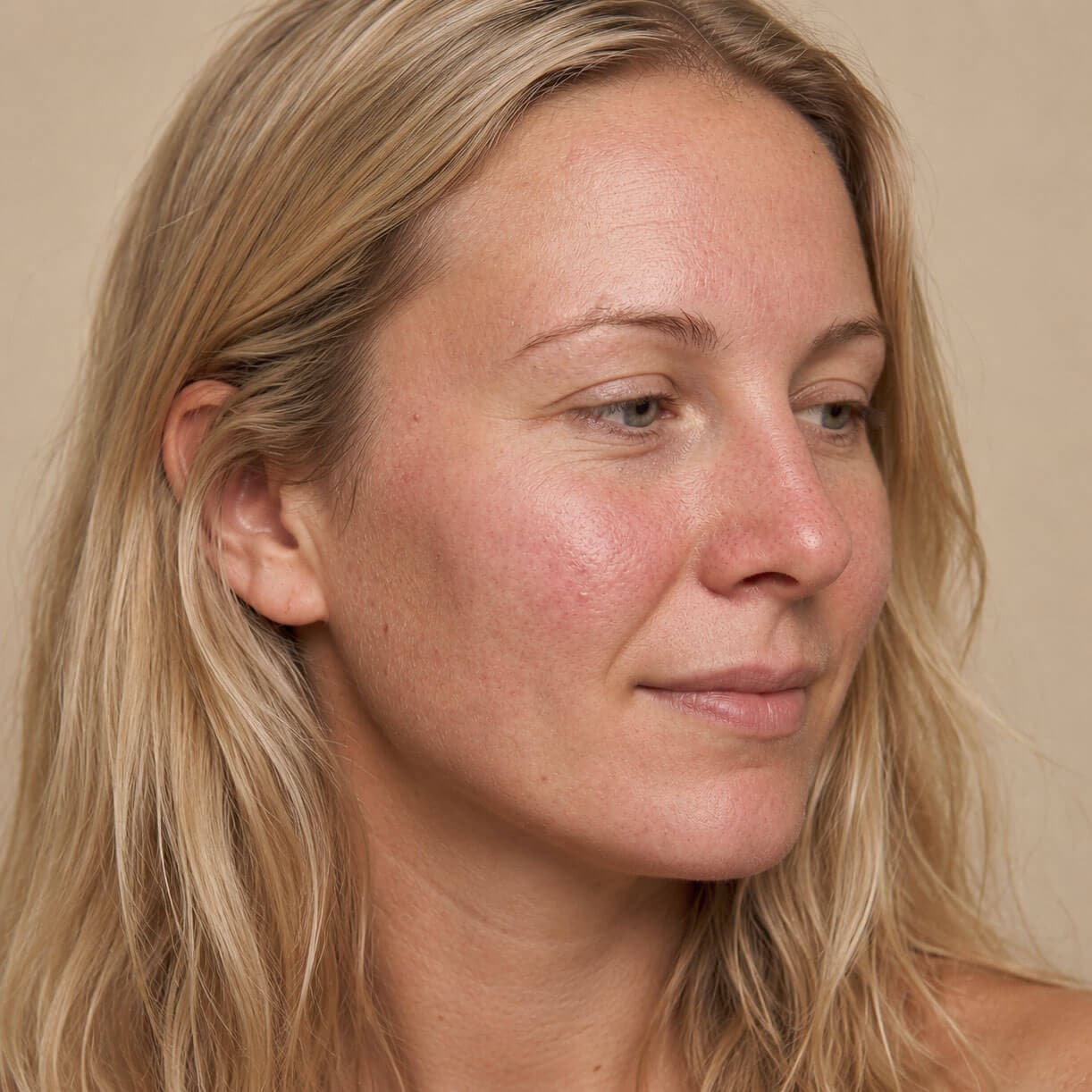
Sensitive skin
"Sensitive" is a symptom, not a diagnosis. Learn what drives reactive skin, the routine that calms it, and what to leave out.
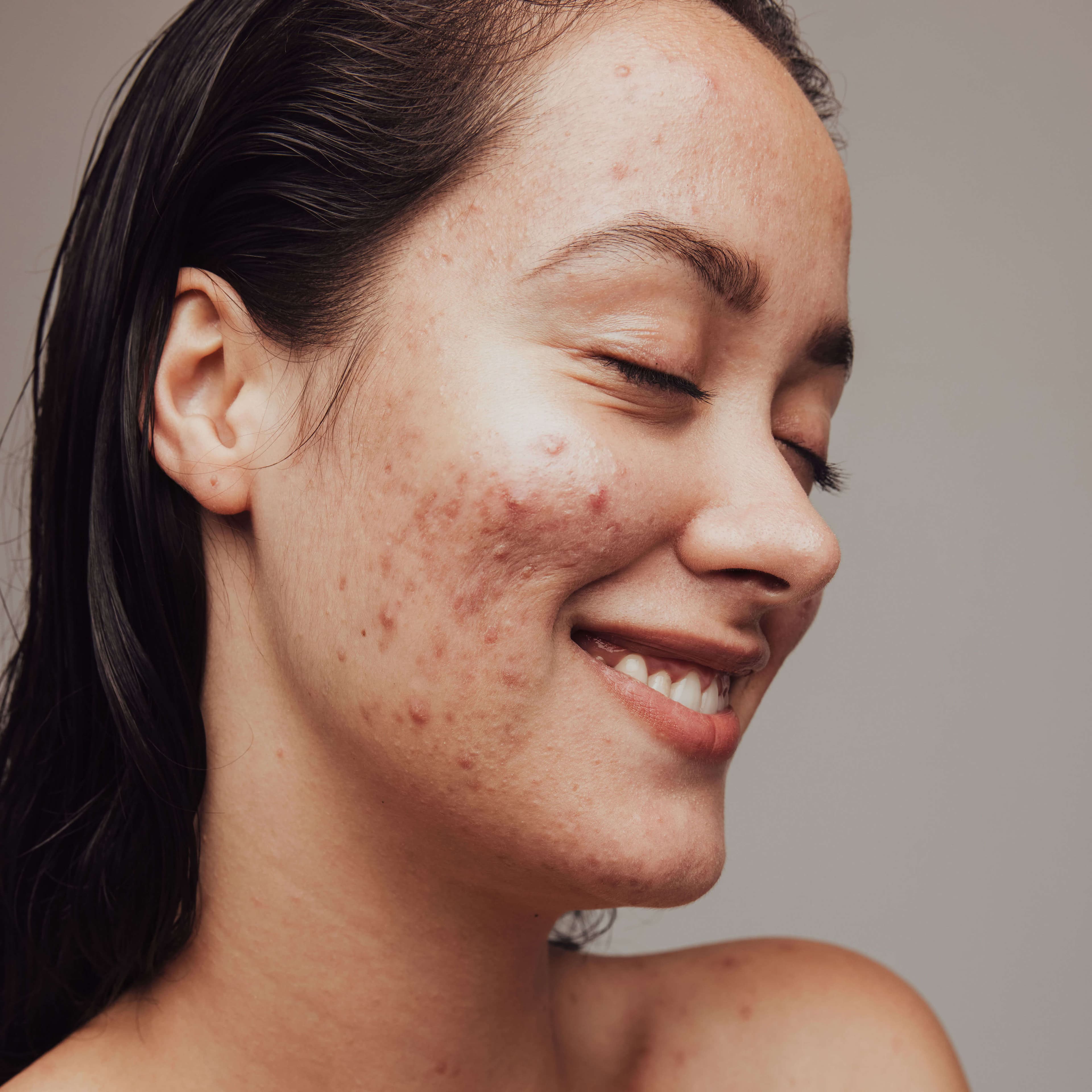
Acne and blemishes
A clear-headed guide to acne: what's actually happening in your skin, what the evidence says works, and a simple routine that doesn't make things worse.

Oily skin
Oily skin isn't a problem to "fix". It's a feature with trade-offs. Here's what actually controls sebum, what doesn't, and the routine that works without stripping.

Dry skin
Dry skin is usually a barrier problem, not simply a water problem. Here's the difference between dry and dehydrated, why it matters, and the routine that actually helps.
Related ingredients
Citations
- Fiume MM, Heldreth B, Bergfeld WF, et al. Safety assessment of decyl glucoside and other alkyl glucosides as used in cosmetics. Int J Toxicol. 2013;32(5 Suppl):22S-48S. — PMID 24174472
- DeKoven JG, Warshaw EM, Zug KA, et al. Patch testing with glucosides: The North American Contact Dermatitis Group experience, 2009-2018. Dermatitis. 2022;33(5):334-342. — PMID 35551968