
Sodium PCA
A sodium salt of pyrrolidone carboxylic acid — part of the skin's natural moisturizing factor. Reliable humectant support in cleansers and creams, not a solo treatment for barrier disease.
At a glance
What Sodium PCA does for skin, and how to read the practical safety signals.
- Sodium PCA is the sodium salt of PCA, one of the components that helps skin hold water in the outer layers.
- Works best inside a full moisturising base with glycerin, emollients, and barrier support — not as a single-ingredient miracle bottle.
- Generally well tolerated and useful when skin feels tight after cleansing or in dry indoor air.
- Type
- Humectant
- Rating
- Pregnancy
- Considered safe
- Comedogenic rating
- 0/5 (Won't clog pores)
- Vegan
- Yes
- Suited skin types
- All skin types
On this page
The short answer
Sodium PCA is the sodium salt of PCA — pyrrolidone carboxylic acid, also called pyroglutamic acid on some labels.
PCA belongs to the skin's natural moisturizing factor (NMF), the water-binding mixture in the outer stratum corneum that helps skin feel supple instead of chalky. Sodium PCA is simply a cosmetic-friendly, water-soluble version formulators use in cleansers, serums, and creams.
It is not exciting marketing copy. It is the kind of ingredient that makes a good formula feel quietly smarter.
What the evidence actually shows
Safety in cosmetics. A 2019 Cosmetic Ingredient Review safety assessment[1] evaluated PCA and its salts, including sodium PCA, as used in cosmetics and reported them safe under current use practices. That matters because humectants only help if you actually use the product — and safe, boring ingredients make daily use easier.
Why NMF matters for hydration. A 2023 review[2] on moisturising at the molecular level explains how the stratum corneum depends on NMF components, barrier lipids, and corneocyte structure working together — not on one hero molecule splashed on top. Sodium PCA fits that story as NMF support, not magic water injection.
When NMF goes low. A 2012 study[3] found that mild atopic dermatitis patients had lower lactate and potassium levels in stratum corneum NMF, linked to reduced hydration. The paper is about broader NMF biology, not sodium PCA alone, but it underlines the practical point: when the outer skin's water-holding chemistry is off, skin feels dry and fragile — and sensible humectants can help inside a complete formula.
That is the honest sodium PCA claim: hydration infrastructure, not a diagnosis or cure for eczema-level barrier disease.
How it works in real products
Sodium PCA is a humectant. It attracts and holds water in the upper skin layers, which helps:
- reduce that tight feeling after cleansing
- make moisturisers feel more complete on dry skin
- support dehydrated oily skin without adding grease
You will almost always see it beside teammates:
- Glycerin: the workhorse humectant almost every good formula already uses.
- Sodium hyaluronate: another water-binding molecule with a different size profile.
- Urea: stronger NMF-adjacent support in some night creams.
- Zinc PCA: a related zinc salt used more for sebum balance than plain hydration.
In my experience, sodium PCA is especially useful in a gentle cleanser because it helps the face feel clean without the "I need three layers of cream immediately" panic that harsh washes create.
Where it fits in a routine
Sodium PCA needs almost no special technique:
- Morning and evening are both fine.
- Especially helpful after cleansing and inside moisturisers for sensitive or combination skin.
- No famous clash with niacinamide, retinol, or salicylic acid.
If your skin still feels dry, sodium PCA alone will not fix a routine built on stripping cleansers, daily scrubs, and zero moisturiser. Fix the habits first; then humectants can do their quiet job.
When it will not help
Sodium PCA will not clear acne, fade deep pigmentation, or replace prescription barrier care. It will not outrun a formula full of fragrance, essential oils, and aggressive surfactants.
It is comfort and water-holding support — the plumbing, not the fireworks.
The practical takeaway
My goal with this guide was to gather the useful science on sodium PCA in one place, so you can stop hunting for the next clever fix and do the simple, effective things your skin actually needs.
That is also why I made the Danish Skin Care Kit: a calm routine built around documented ingredients, and one that has helped more than 100,000 people with problem skin. If even the smallest question is still nagging you, send me an email at info@danishskincare.com.
Common questions
What is the difference between PCA and sodium PCA?
PCA is 2-pyrrolidone-5-carboxylic acid, a natural moisturizing factor component. Sodium PCA is its sodium salt — the form you usually see on INCI lists because it dissolves well in water-based formulas.
Is sodium PCA the same as hyaluronic acid?
Both are humectants, but different molecules. Sodium PCA is part of the skin's natural moisturizing factor family. Hyaluronic acid is a larger polysaccharide. Good moisturisers often use both rather than forcing a choice.
Can oily skin use sodium PCA?
Yes. Humectants help skin hold water without adding heavy oil. Oily skin can still be dehydrated; sodium PCA addresses the water side inside a sensible formula.
Reading a real label?
Scan a product to see how it is formulated
Upload a photo of the ingredient list and get a quick ingredient-by-ingredient read against the evidence-led database.
Found in these Danish Skin Care products

Sodium PCA in the cleanser helps cleansing feel less stripping alongside glycerin and a mild surfactant system.

Part of the night cream humectant stack with glycerin, urea, sodium hyaluronate, and panthenol in both skin-type variants.

The Kit includes sodium PCA in the Face Wash and Moisturizer so hydration support shows up early and late in the routine.
Skin conditions it actively helps with
Where the published evidence puts Sodium PCA on the short list of active ingredients worth reaching for.

Dry skin
Dry skin is usually a barrier problem, not simply a water problem. Here's the difference between dry and dehydrated, why it matters, and the routine that actually helps.
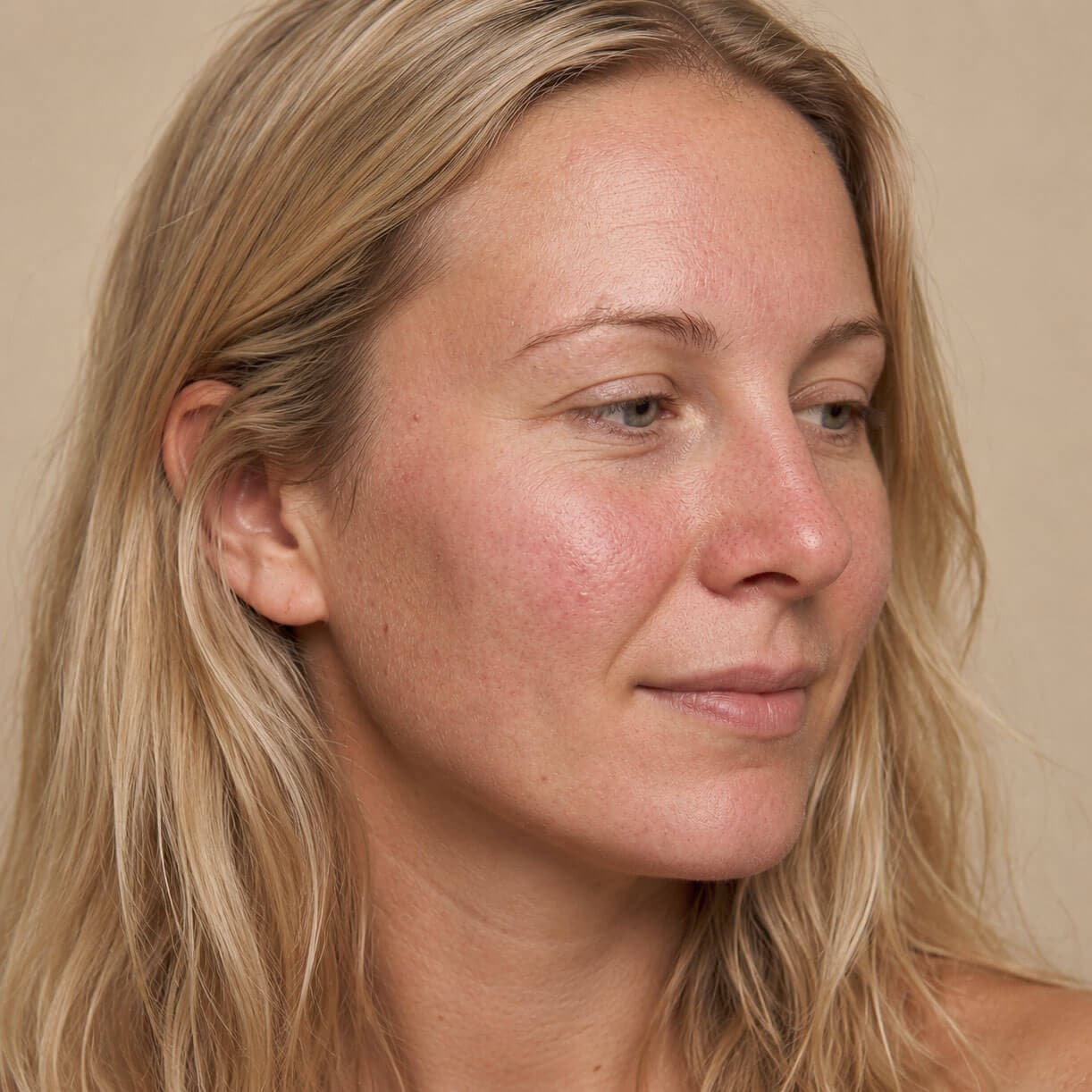
Sensitive skin
"Sensitive" is a symptom, not a diagnosis. Learn what drives reactive skin, the routine that calms it, and what to leave out.

Combination skin
Oily T-zone, drier or normal cheeks, and a routine that has to address both without making either worse. Here's how to actually balance combination skin.

Acne and blemishes
A clear-headed guide to acne: what's actually happening in your skin, what the evidence says works, and a simple routine that doesn't make things worse.
Related ingredients
Citations
- Fiume MM, Heldreth B, Bergfeld WF, et al. Safety Assessment of PCA (2-Pyrrolidone-5-Carboxylic Acid) and Its Salts as Used in Cosmetics. Int J Toxicol. 2019;38(3_suppl):48S-59S. — PMID 31522652
- Voegeli R, Rawlings AV. Moisturizing at a molecular level - The basis of Corneocare. Int J Cosmet Sci. 2023;45(2):139-151. — PMID 36453857
- Sugawara T, Kikuchi K, Tagami H, et al. Decreased lactate and potassium levels in natural moisturizing factor from the stratum corneum of mild atopic dermatitis patients are involved with the reduced hydration state. J Dermatol Sci. 2012;66(2):154-159. — PMID 22464763