
How to stop breakouts after shaving
Breakouts after shaving are often razor bumps, irritation, folliculitis, or acne made worse by friction. Here is the calm routine fix.
On this page
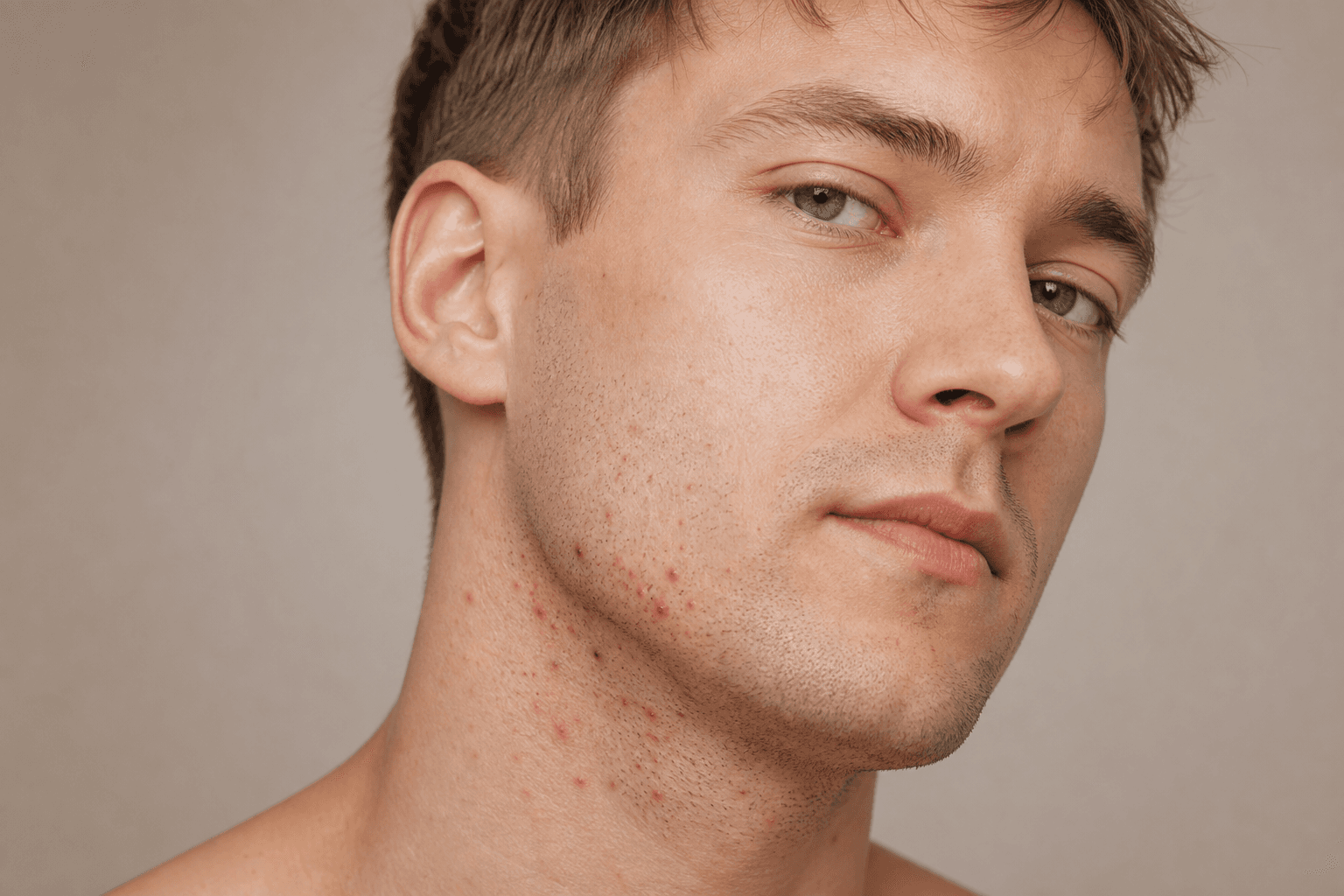
When my acne was bad, shaving felt unfair.
I would try to look more put together, then my jawline would answer with red bumps. Helpful. Very elegant. Exactly the confidence boost a face needs.
If shaving gives you breakouts, the first job is to work out what kind of bump you are dealing with. Acne and razor bumps can look similar, but the routine details are different.
The short answer
To stop breakouts after shaving:
- Do not shave irritated skin too closely.
- Soften hair first with warm water.
- Use enough slip.
- Shave with the direction of hair growth.
- Avoid repeated passes.
- Moisturise after.
- Use salicylic acid on non-shave nights if clogged pores are part of the pattern.
Pseudofolliculitis barbae - often called razor bumps - happens when cut hairs re-enter the skin and trigger inflammation, especially in curved or coarse hair types[1]. That is different from classic acne, even though both can show up as red bumps around the beard area, neck, jaw, underarms, or bikini line. If the bumps are less about shaving and more about collars, sweat, or hair-product residue, the guide to pimples on the neck is the better match.
Acne, razor bumps, or folliculitis?
Look at the pattern.
More likely razor bumps:
- bumps follow shaved hair areas
- hairs look trapped or curled back
- bumps appear after a close shave
- neck and jawline are worst
- dark marks follow each bump
More likely acne:
- bumps also appear where you do not shave
- blackheads, whiteheads, and oily congestion are present
- flares follow hormones, stress, or routine changes
- shaving makes the area worse but is not the only trigger
Possible folliculitis:
- tender bumps around follicles
- pus-filled spots
- spreading soreness
- worsening despite better shaving
If you are unsure, get medical advice. Guessing for months can leave marks. If the bumps follow waxing rather than shaving, the guide to pimples after waxing is a closer match.
Change the shave before changing everything else
The closest shave is not always the best shave for bump-prone skin.
Try:
- shaving after a warm shower
- using a gentle shaving gel or cream with slip
- using light pressure
- shaving with the grain
- limiting passes
- rinsing the blade often
- replacing dull blades
- using an electric trimmer if close shaving keeps causing bumps
A review of pseudofolliculitis treatment options[2] explains that reducing or stopping close shaving can be one of the most effective ways to calm the condition, though that is not always practical for work, culture, or personal preference.
So we make the shave less hostile.
What to put on after shaving
After shaving, think barrier first:
- Rinse with lukewarm water.
- Pat dry.
- Apply a simple moisturiser.
- Skip stinging aftershave.
- Use SPF in the morning, especially if bumps leave marks.
Avoid applying strong acids, retinol, benzoyl peroxide, or fragrance-heavy products immediately on raw, freshly shaved skin. If a product makes you do the silent bathroom inhale, it may not belong on shave day.
Where acne actives fit
If you also get clogged pores, salicylic acid can help. Use it on non-shave nights or only when the skin is calm.
If bumps are inflamed acne lesions, the acne and blemishes guide can help you separate acne care from shave care. Acne guidelines support several topical options, including benzoyl peroxide and retinoids[3]. But do not stack them all into the same freshly shaved area and hope bravery becomes tolerability.
For example:
- Shave morning: moisturiser and SPF.
- Evening after shave: cleanser and moisturiser only.
- Next evening: salicylic acid if skin feels calm.
- Other nights: moisturiser, or retinol if already tolerated.
Marks after shaving bumps
Post-shave bumps can leave brown or red marks, especially if you pick.
The two most useful habits are boring:
- reduce new bumps
- use daily sunscreen
Brightening products cannot keep up if shaving creates a new injury every two days.
My final advice
Breakouts after shaving are not a reason to attack your skin.
Make the shave gentler, make the routine calmer, and put pore-clearing actives where they belong: on calm skin, at a frequency you can tolerate. A less close shave that leaves your skin peaceful is often better than a perfect shave that starts a three-day argument.
People also ask
Why do I get pimples after shaving?
Post-shave bumps can be acne, razor irritation, ingrown hairs, or folliculitis. The pattern, timing, hair type, and location matter.
How do I stop shaving bumps on my face?
Use less pressure, shave with the grain, avoid repeated passes, moisturise after, and consider a less close shave if ingrown hairs keep returning.
Can salicylic acid help shaving breakouts?
It can help clogged pores and some ingrown-prone texture, but use it on non-shave nights or when skin is calm. Do not acid-treat raw shave burn.
When should I see a dermatologist for shaving bumps?
Get help if bumps are painful, pus-filled, scarring, spreading, leaving dark marks, or not improving after technique changes.
The shave-day routine I would calm down
When shaving causes bumps, the answer is rarely a stronger aftershave. I would make the whole routine less aggressive. The Danish Skin Care Kit gives a gentle cleanser, moisturising support, SPF, and a controlled salicylic acid step you can use away from shave irritation instead of turning the neck and jaw into a daily treatment zone.

A simple base for shave-prone breakouts: gentle cleansing, moisturiser, SPF, and salicylic acid only when the skin tolerates it.
Full transparency: Danish Skin Care is my own company — I formulated these products and earn from every sale. That's exactly why I only recommend them where they genuinely fit the guide you just read.
Real results from simple routines
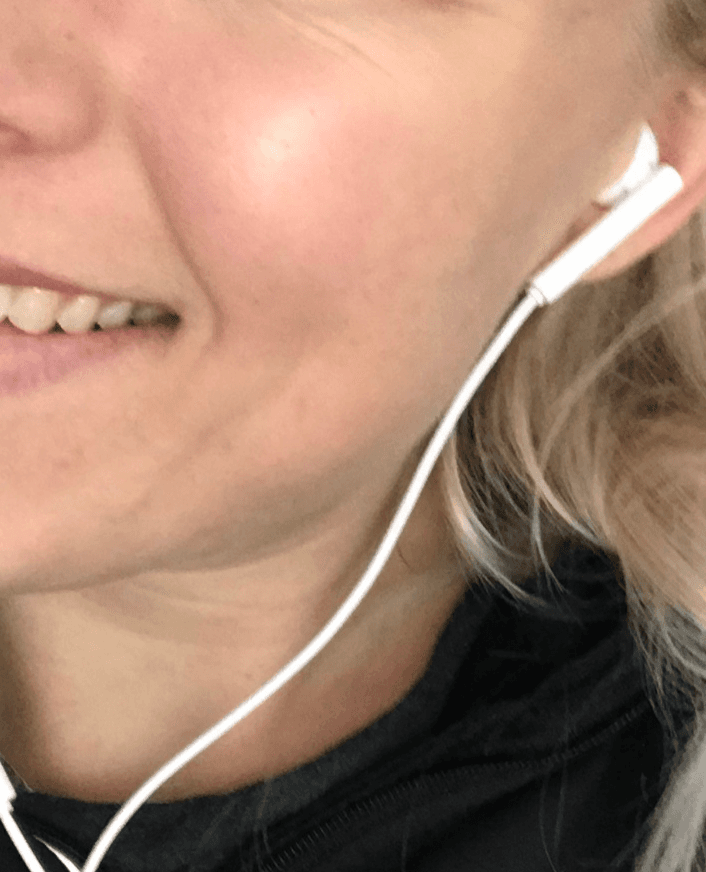
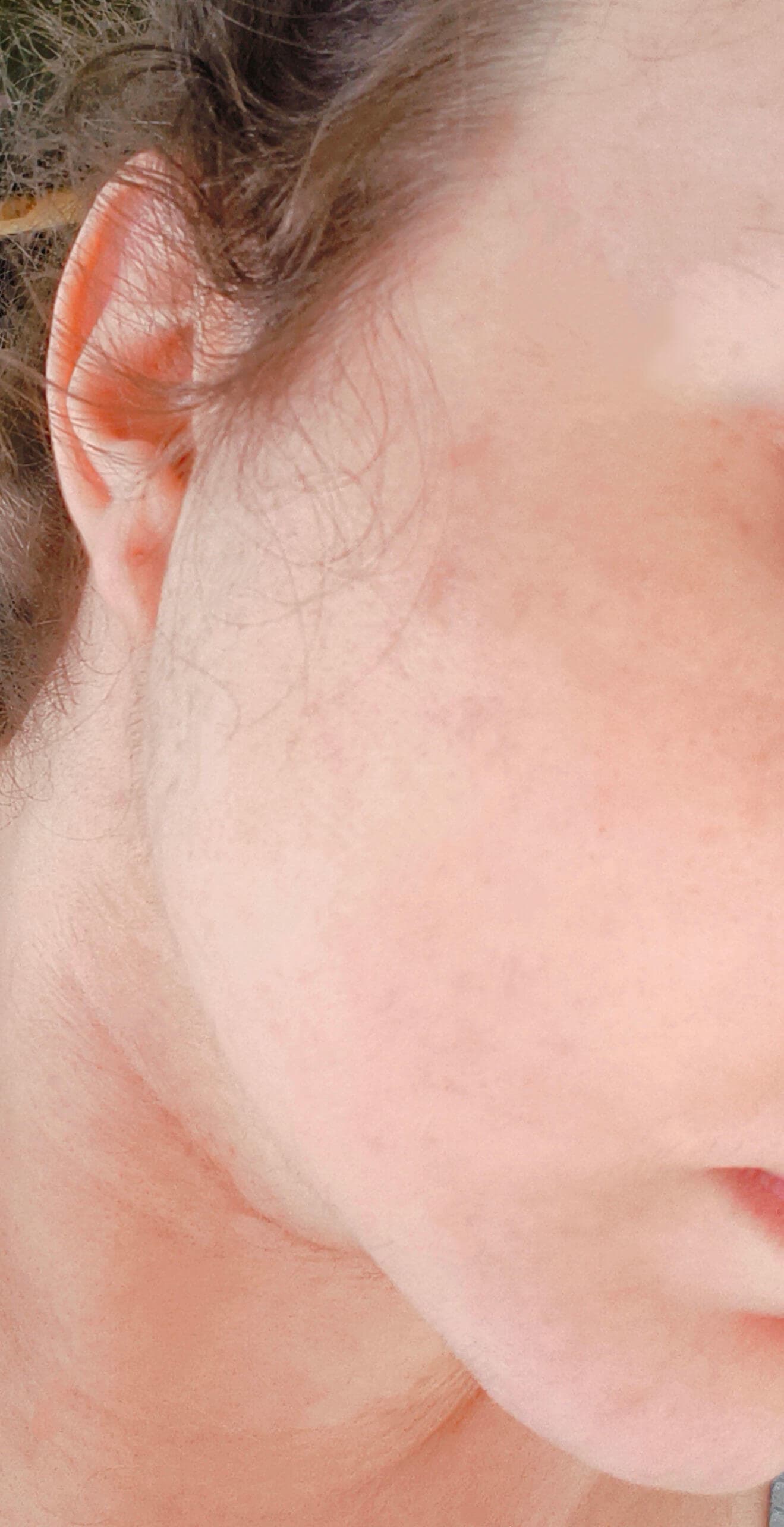
A few real before-and-after cases from people using Danish Skin Care for skin concerns related to this guide. No filters, no miracle promise. Consistent skincare over time.
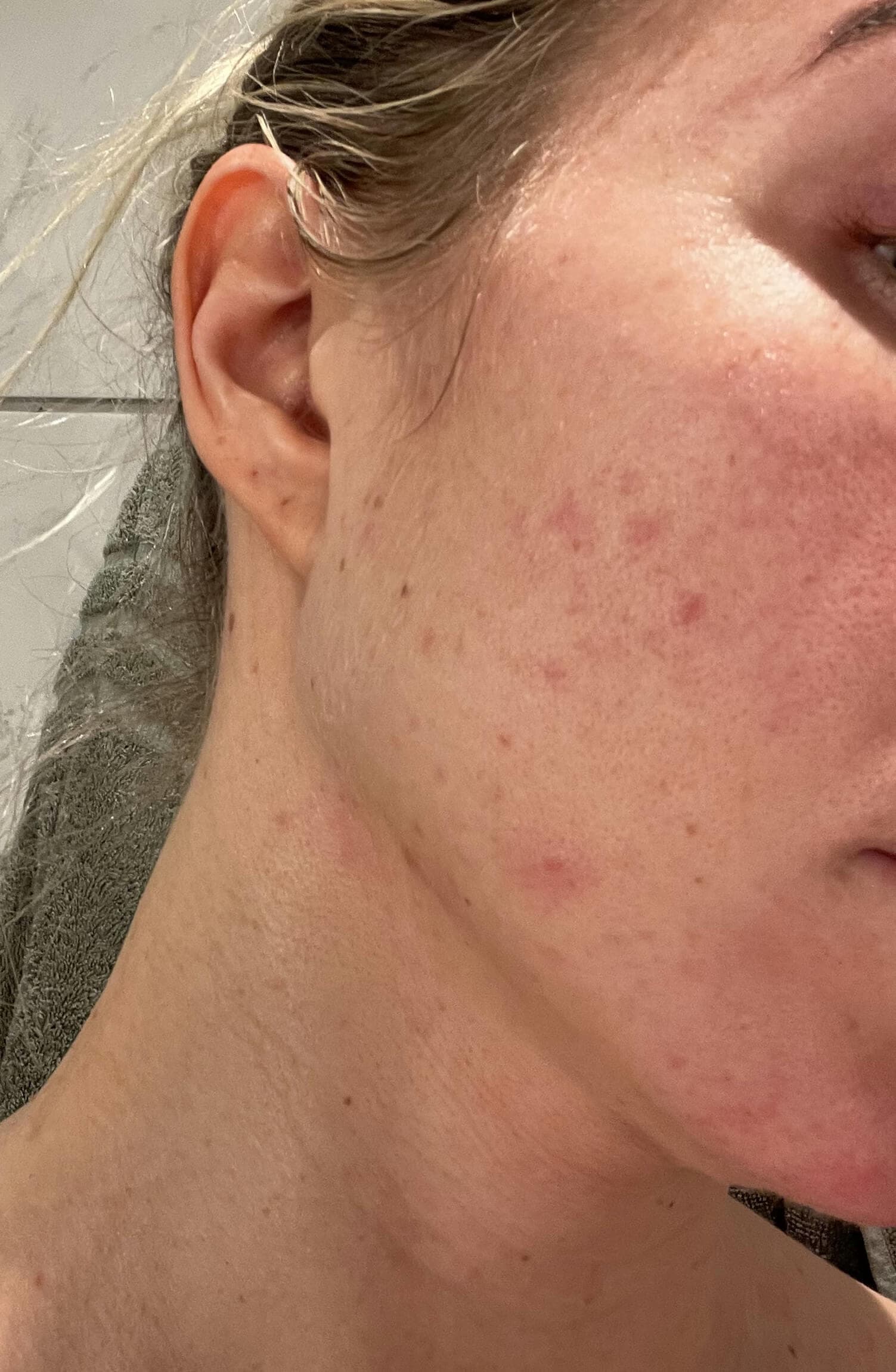 Before
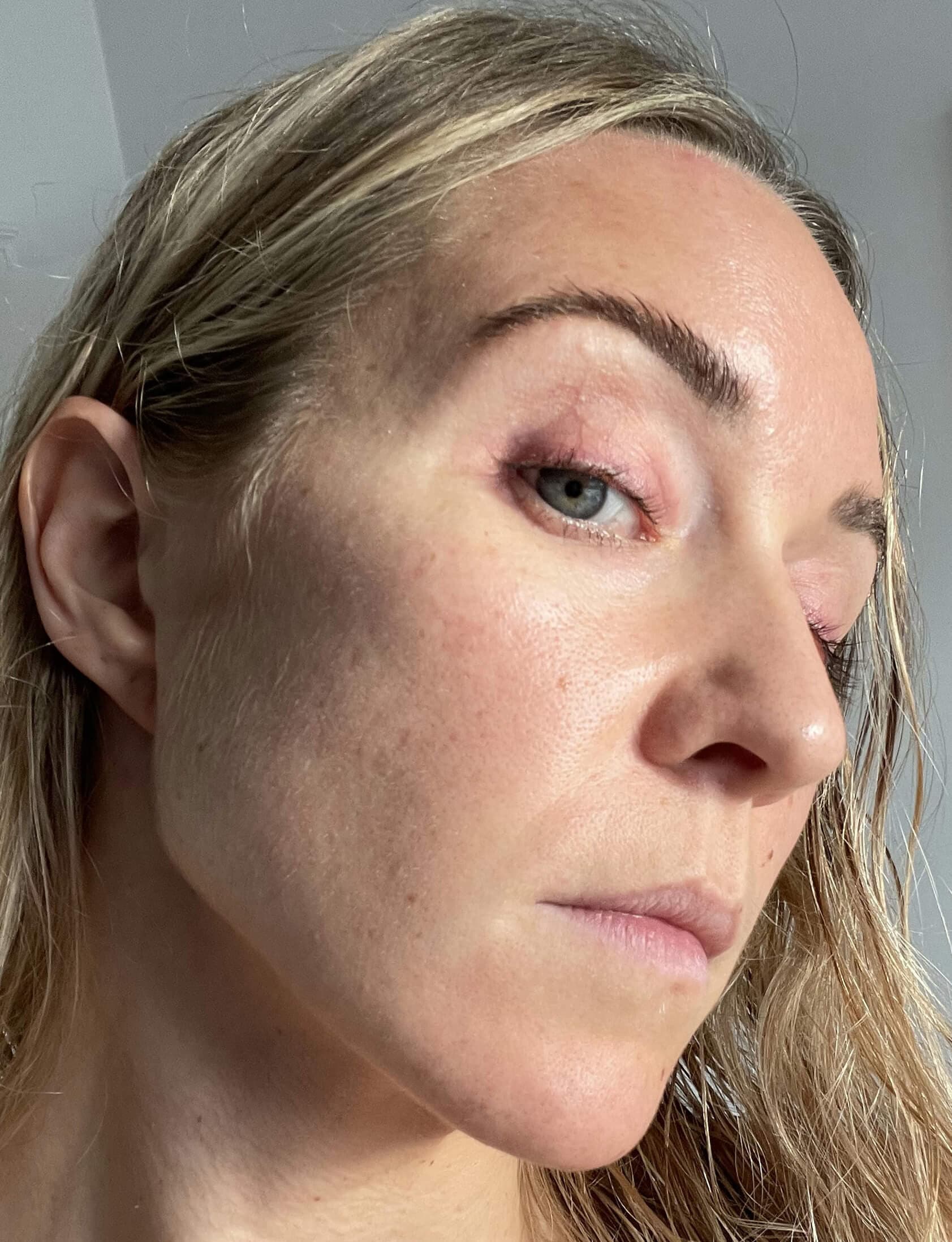 After
After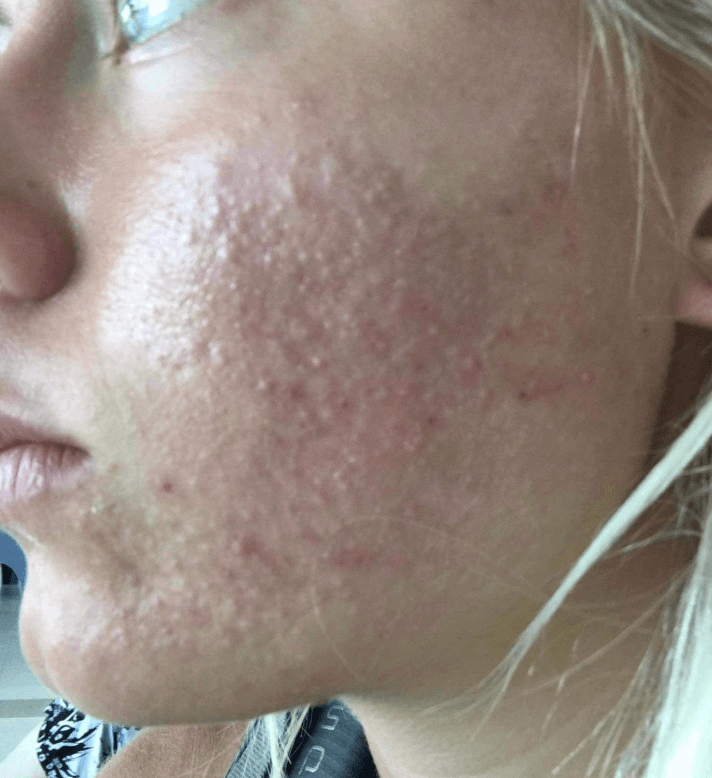 Before
 After
After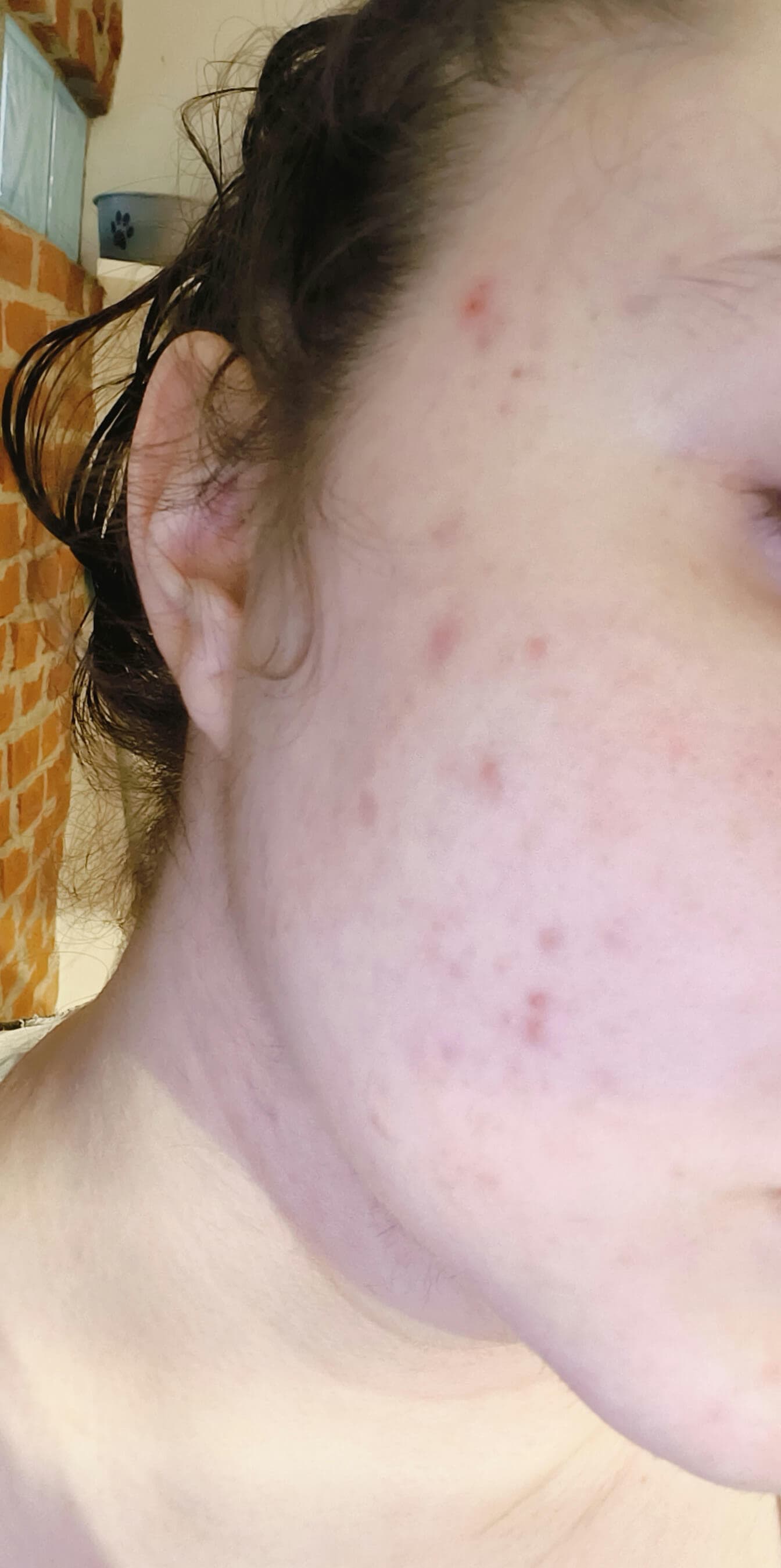 Before
 After
AfterKeep reading
- Ingredient · salicylic acid
- Ingredient · benzoyl peroxide
- Ingredient · niacinamide
- Ingredient · panthenol
- Ingredient · allantoin
- Condition · acne and blemishes
- Condition · sensitive skin
- Condition · pigmentation
- Read · why do i get pimples on my neck
- Read · how to get rid of chin acne
- Read · how to get rid of pimples
- Read · best skincare routine for clogged pores
- Read · why do pimples leave red marks
- Read · how to repair skin barrier after over exfoliating
Citations
- Perry PK, Cook-Bolden FE, Rahman Z, Jones E, Taylor SC. Defining pseudofolliculitis barbae in 2001: a review of the literature and current trends. J Am Acad Dermatol. 2002;46(2 Suppl Understanding):S113-S119.PMID 11807451
- Ogunbiyi A. Pseudofolliculitis barbae; current treatment options. Clin Cosmet Investig Dermatol. 2019;12:241-247.PMC6585396
- Zaenglein AL, et al. Guidelines of care for the management of acne vulgaris. J Am Acad Dermatol. 2016;74(5):945-973.PMID 26897386