
Why do I get pimples after waxing?
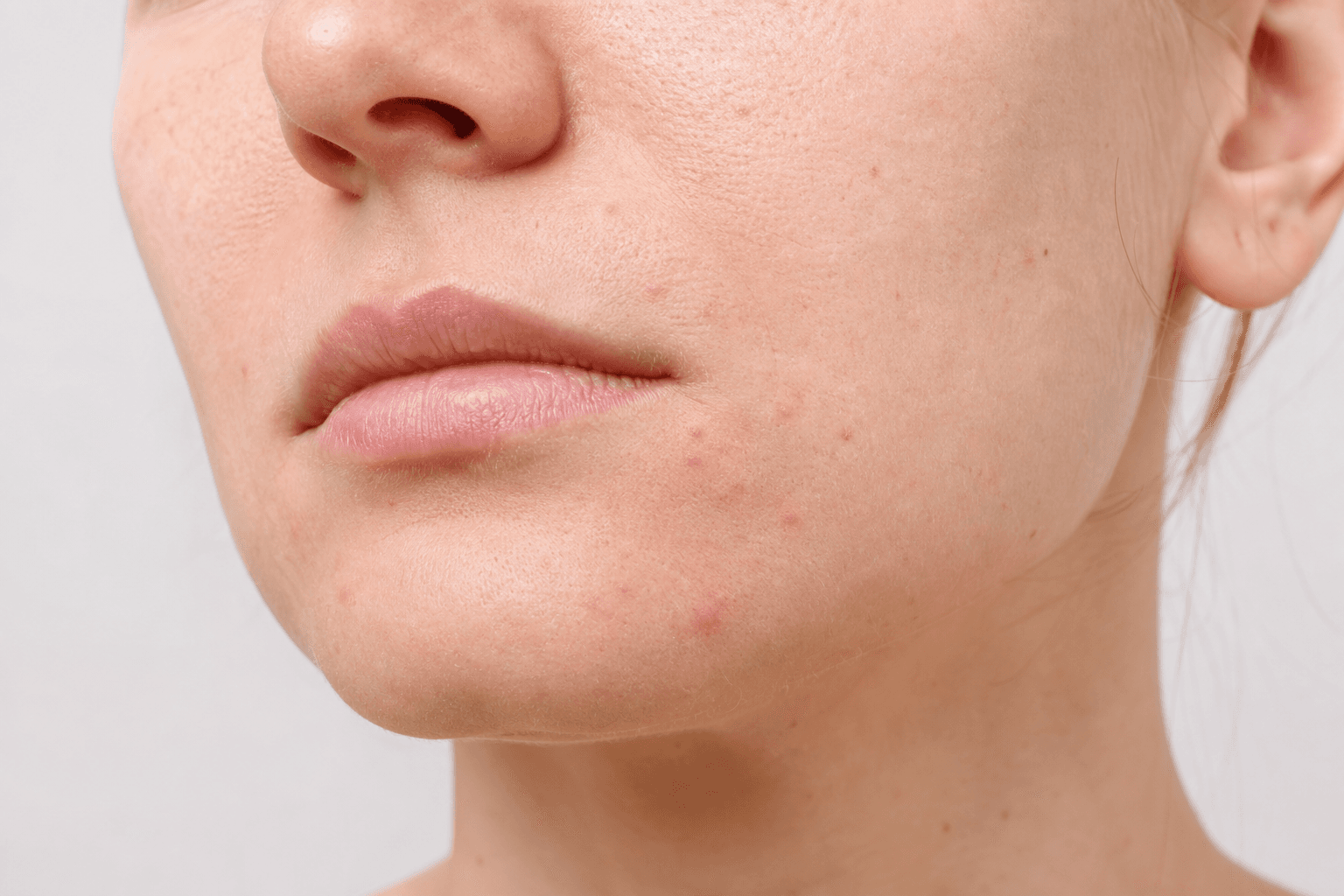
Pimples after waxing are often irritation, ingrown hairs, folliculitis, or acne-prone pores reacting to friction and aftercare. The fix starts with calmer skin, not harsher exfoliation.
On this page
Waxing has a special way of promising smooth skin and then sending little red complaints the next day.
I know the acne version of that feeling well: you do something because you want to feel cleaner, smoother, more put together, and the skin replies with bumps. Thank you, skin. Very collaborative.
If you get pimples after waxing, the first question is simple: are they acne, irritation, ingrown hairs, or folliculitis?
The short answer
Pimples after waxing can happen because waxing pulls hair from the follicle, irritates the surrounding skin, and leaves the area more reactive for a short time.
DermNet explains that pseudofolliculitis can happen on areas where hair is shaved or plucked, including underarms, pubic areas, and legs[1]. Waxing is not shaving, but it still belongs to the broader hair-removal family where follicles can become irritated or ingrown-prone.
That does not mean waxing is bad for everyone. It means some skin needs gentler timing and aftercare.
Which kind of bump is it?
Use the clues.
More likely irritation:
- redness appears quickly after waxing
- the area feels hot, tender, or stingy
- bumps are small and settle within a few days
More likely ingrown hairs or pseudofolliculitis:
- bumps follow the direction of hair growth
- a trapped hair is visible
- bumps repeat in the same waxed area
- brown or red marks follow each bump
Possible folliculitis:
- bumps are centered on follicles
- spots are tender or pus-filled
- the area worsens instead of calming
- bumps spread
A review of pseudofolliculitis treatment options notes that stopping or changing the hair-removal trigger can be central to improvement[2]. Annoying advice, I know. Also useful.
What not to do right after waxing
Freshly waxed skin does not need a personality test.
For the first day or two, avoid:
- scrubs
- exfoliating acids
- retinoids
- benzoyl peroxide on raw skin
- heavy fragrance
- tight friction-heavy clothing on body areas
- picking at tiny bumps
If you already use salicylic acid, wait until the area feels calm before applying it. Acne actives work better on skin that is not already shouting.
Better aftercare
Keep it boring:
- Cleanse gently.
- Pat dry.
- Use a light, plain moisturiser if the area feels dry or tight.
- Avoid touching the area.
- Use sunscreen on exposed waxed skin.
- Let redness calm before active treatment.
If waxing the upper lip or chin keeps triggering bumps, read pimples around the mouth and chin acne too. Sometimes waxing is only one part of a larger acne pattern.
If ingrown hairs keep coming back
Repeated ingrown hairs may need a different approach: trimming, threading, less frequent waxing, laser hair removal, or medical guidance depending on skin tone, hair type, area, and budget.
An Arch Dermatology paper on pulsed infrared laser treatment describes pseudofolliculitis as a disorder of repetitively removed coarse or curly hair, including shaving, waxing, or plucking, where hair can re-enter the skin and trigger inflammation[3].
The point is not that everyone needs laser. The point is that repeated bumps are a follicle problem, not a moral failure in your exfoliation routine.
The practical takeaway
Pimples after waxing are usually a sign that the follicle and barrier need calmer treatment.
Do less right after waxing. Do not scrub raw skin. Wait before acids. Watch whether bumps are acne, ingrown hairs, irritation, or folliculitis. If the same area keeps reacting, change the hair-removal method instead of asking your skin to tolerate the same argument forever.
People also ask
Why do I get pimples after waxing?
Waxing can irritate follicles, trigger ingrown hairs, aggravate acne-prone pores, or contribute to folliculitis. The timing and location help separate the cause.
How long do waxing bumps last?
Mild irritation often calms within a few days. Persistent, painful, pus-filled, or recurring bumps need a more careful plan and sometimes medical advice.
Should I exfoliate after waxing bumps?
Do not exfoliate raw freshly waxed skin. Once calm, gentle exfoliation may help ingrown-prone areas, but harsh scrubbing usually makes the problem louder.
Can waxing cause ingrown hairs?
Yes. Any hair-removal method that disrupts the follicle can contribute to ingrown hairs in some people, especially where hair is coarse, curved, or repeatedly removed.
Keep reading
- Ingredient · salicylic acid
- Ingredient · panthenol
- Ingredient · allantoin
- Ingredient · glycerin
- Condition · acne and blemishes
- Condition · sensitive skin
- Condition · pigmentation
- Read · how to stop breakouts after shaving
- Read · why do i get pimples around my mouth
- Read · why do i get pimples on my neck
- Read · how to get rid of pimples
- Read · why do pimples leave red marks
Citations
- DermNet NZ. Pseudofolliculitis barbae.DermNet NZ
- Ogunbiyi A. Pseudofolliculitis barbae; current treatment options. Clin Cosmet Investig Dermatol. 2019;12:241-247.PMC6585396
- Ross EV, et al. Treatment of pseudofolliculitis with a pulsed infrared laser. Arch Dermatol. 2000;136(11):1343-1346.Arch Dermatol. 2000