
Why do I get pimples on my neck?
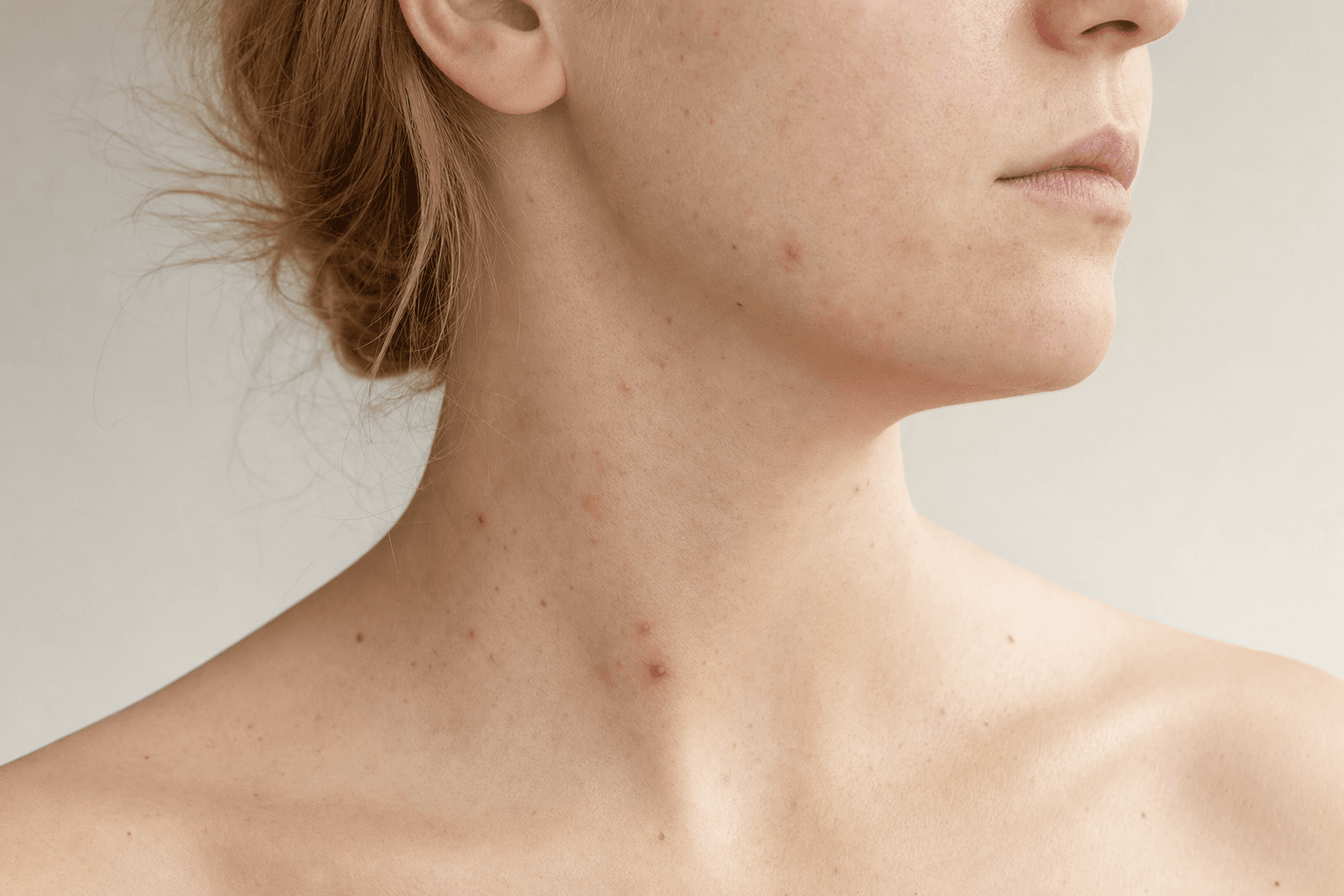
Neck pimples usually come from the same acne process as face breakouts, with extra help from sweat, collars, hair products, shaving, and friction.
On this page
I used to think of acne as a face problem.
Then I learned the annoying truth: acne has no respect for borders. It can sit under the jaw, behind the ears, around the collar, and on the neck exactly where a shirt rubs or where you hoped nobody would notice. Very polite of it.
Over the last 15 years, I have helped more than 100,000 people with problem skin, and neck pimples come up more often than people expect. They are also easy to over-treat, because the neck feels like "not quite face" skin. So people scrub harder, use stronger spot treatments, and end up with pimples plus irritation. A generous little disaster.
The short answer
You usually get pimples on your neck because the follicles there can go through the same acne process as the face: clogged pores, sebum, bacteria, and inflammation.
The acne guidelines describe acne as an inflammatory disease of the pilosebaceous follicle, with follicular hyperkeratinization, sebum production, Cutibacterium acnes, and inflammation all playing roles[1]. Your neck has follicles too. Add sweat, collars, shaving, hair products, sunscreen residue, or friction, and the area can become a very good place for bumps to complain.
Neck pimples often show up as:
- small red bumps under the jaw
- clogged pores along the sides of the neck
- pimples where collars, scarves, helmet straps, or sports gear rub
- bumps after shaving
- breakouts near the hairline from styling products
- tender deeper spots that behave like jawline acne
If shaving is the clear trigger, read the guide to breakouts after shaving. If the bumps appear after sweat and tight clothing, acne mechanica is a useful term to know.
Why the neck is so easy to irritate
The neck gets treated badly in many routines.
It gets leftover cleanser. Leftover hair conditioner. Perfume. Sunscreen. Shirt collars. Scarf friction. Razor pressure. Then, when bumps appear, it gets the harshest acne product in the cabinet because we are all apparently optimists under stress.
That is why I like to separate neck breakouts into patterns.
If the bumps sit under the jaw
Under-jaw bumps often travel with chin acne, jawline acne, or naturally acne-prone skin. The routine should treat the neck as part of the acne area, but gently.
Use a cleanser that removes residue without leaving the skin tight. Then use a leave-on acne treatment only where the skin tolerates it.
If the bumps follow collars or straps
When pimples line up with a collar, scarf, helmet strap, gym top, or necklace, friction is probably part of the story.
This does not mean you are dirty. It means a follicle is being rubbed, warmed, occluded, or annoyed again and again. Reduce the physical trigger first. Product changes alone cannot outsmart a collar that irritates the same spot every day.
If the bumps appear after shaving
Shaving can create a confusing mix of acne, razor bumps, and irritated follicles. If hairs curl back into the skin, the problem may be razor bumps, not classic acne.
Use less pressure, shave with the grain where possible, and avoid applying strong acids or fragrance right after shaving. Your neck is not a cutting board.
If the bumps are itchy and very uniform
Acne is not the only thing that makes bumps on the neck. Itchy, same-size bumps can point toward folliculitis or another acne lookalike.
That is where a dermatologist or qualified clinician matters. A calm routine helps many acne-prone necks, but it cannot diagnose every bump from across the internet.
The microcomedone problem
Many pimples start before you can see them.
StatPearls describes the microcomedone as the primary lesion and precursor for acne, formed by a small hyperkeratotic plug in the follicle[2]. In normal words: dead cells and oil can begin making a tiny blockage before the bump becomes visible.
That is why neck acne often improves slowly. You are not only calming today's red bump. You are trying to reduce the next set of clogged follicles that have already started forming.
Newer acne research also reminds us that inflammation can happen very early, even before or alongside microcomedone formation[3]. This is one reason I prefer calm consistency over punishment. Angry skin is rarely better at healing.
A simple routine for neck pimples
Try this for several weeks before judging the result.
Morning
- Rinse or cleanse the neck if you wake up oily, sweaty, or covered in product residue.
- Apply a light moisturiser if the skin feels dry or tight.
- Use SPF on exposed neck skin.
- Keep hair products away from the neck where possible.
If your neck gets shiny or sweaty, blot or rinse later. Do not keep re-washing with a strong cleanser.
Evening
- Cleanse the neck when you wash your face or shower.
- Apply salicylic acid to acne-prone neck areas if your skin tolerates it.
- Moisturise if the neck feels dry, tight, or stingy.
- Keep treatment off freshly shaved or visibly irritated skin until it calms.
Salicylic acid is useful when the problem is clogged pores, blackheads, and small pimples. If your neck burns every time you apply it, pause. Burning is feedback, not a badge of discipline.
What to change outside the bathroom
Neck pimples often need one boring lifestyle audit.
Look at:
- shirt collars and scarves that rub the same spot
- helmet straps, headphones, or sports gear
- hair conditioner running down the neck in the shower
- styling products touching the hairline or neck
- shaving pressure and dull blades
- sleeping with heavy hair products against the neck
- sunscreen or makeup not fully removed at night
Choose one or two likely triggers. Do not redesign your entire life by Tuesday. Skincare works better when the plan is small enough to repeat.
What not to do
Please do not scrub neck pimples.
Scrubbing can make the area more inflamed, especially if the bumps are already red or shaving-related. I would also avoid:
- alcohol-heavy toners that leave the neck tight
- applying several acne actives at once
- picking bumps under the jaw
- using body acne products on the neck without checking irritation
- treating itchy identical bumps for months without getting them checked
The neck is visible, sensitive, and constantly moving. It deserves boring care.
When neck pimples need medical help
See a dermatologist or qualified clinician if the bumps are:
- painful, deep, or cyst-like
- leaving scars or dark marks
- itchy and very uniform
- spreading quickly
- not improving after a steady routine
- appearing with swollen lymph nodes, fever, or significant tenderness
That is not meant to scare you. It is the calm line between skincare and medicine.
The practical takeaway
Neck pimples usually need two things: less irritation around the follicles and a simple acne routine that you can repeat.
Cleanse gently. Reduce friction. Keep hair and shaving triggers in mind. Use salicylic acid only where it makes sense. Then give the skin enough time to show you the pattern.
If you want the simplest baseline, keep the neck routine boring. Boring is underrated. Boring often works.
People also ask
Why am I getting pimples on my neck?
Most neck pimples are acne or acne-like follicle irritation. Sweat, collars, shaving, hair products, sunscreen, and friction can make the area more breakout-prone.
Are neck pimples hormonal?
They can be, especially if they appear with jawline or chin breakouts, but neck pimples are not always hormonal. Location, timing, shaving, sweat, and product residue all matter.
Should I use acne products on my neck?
Yes, if the bumps behave like acne and your skin tolerates the product. Start gently because neck skin can irritate faster than the cheeks or forehead.
When should I see a doctor for neck bumps?
Get help if the bumps are painful, itchy, very uniform, spreading quickly, leaving scars, or not improving after a calm routine. Folliculitis, dermatitis, and other conditions can mimic acne.
The neck routine I would keep simple
Neck pimples are one of those problems that tempt people into doing too much: stronger scrubs, more acids, extra spot treatments, and then a scarf to hide the irritation. I built the Danish Skin Care Kit for the opposite reason. After helping more than 100,000 people with problem skin, I have seen how often acne-prone skin improves when the routine is clear enough to repeat: cleanse gently, treat clogged pores, moisturise, and protect exposed skin.

A simple acne-prone skin baseline for neck breakouts: gentle cleansing, 2% salicylic acid where clogged pores need help, barrier support, and daily SPF on exposed skin.
Full transparency: Danish Skin Care is my own company — I formulated these products and earn from every sale. That's exactly why I only recommend them where they genuinely fit the guide you just read.
Real results from simple routines
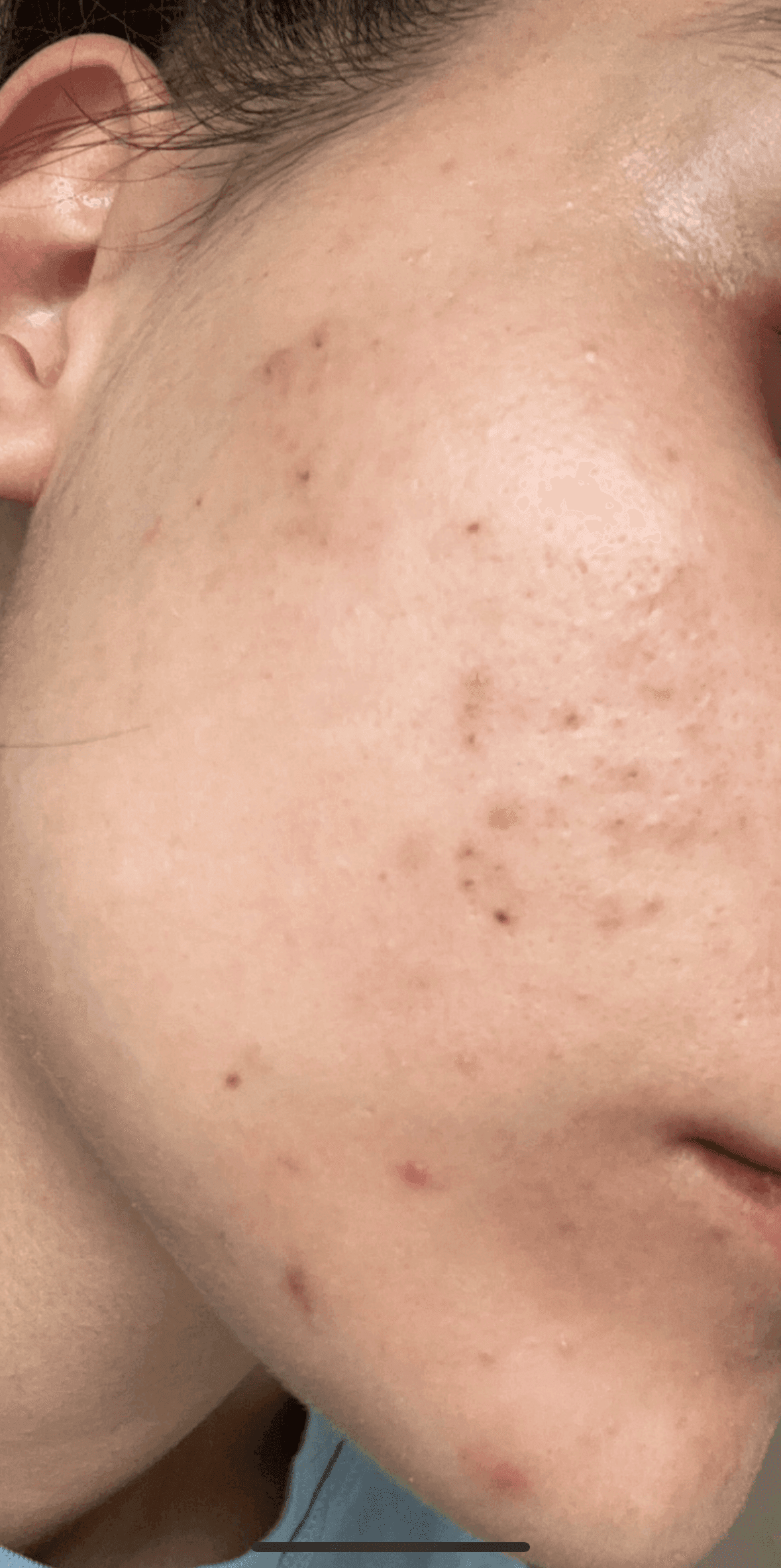
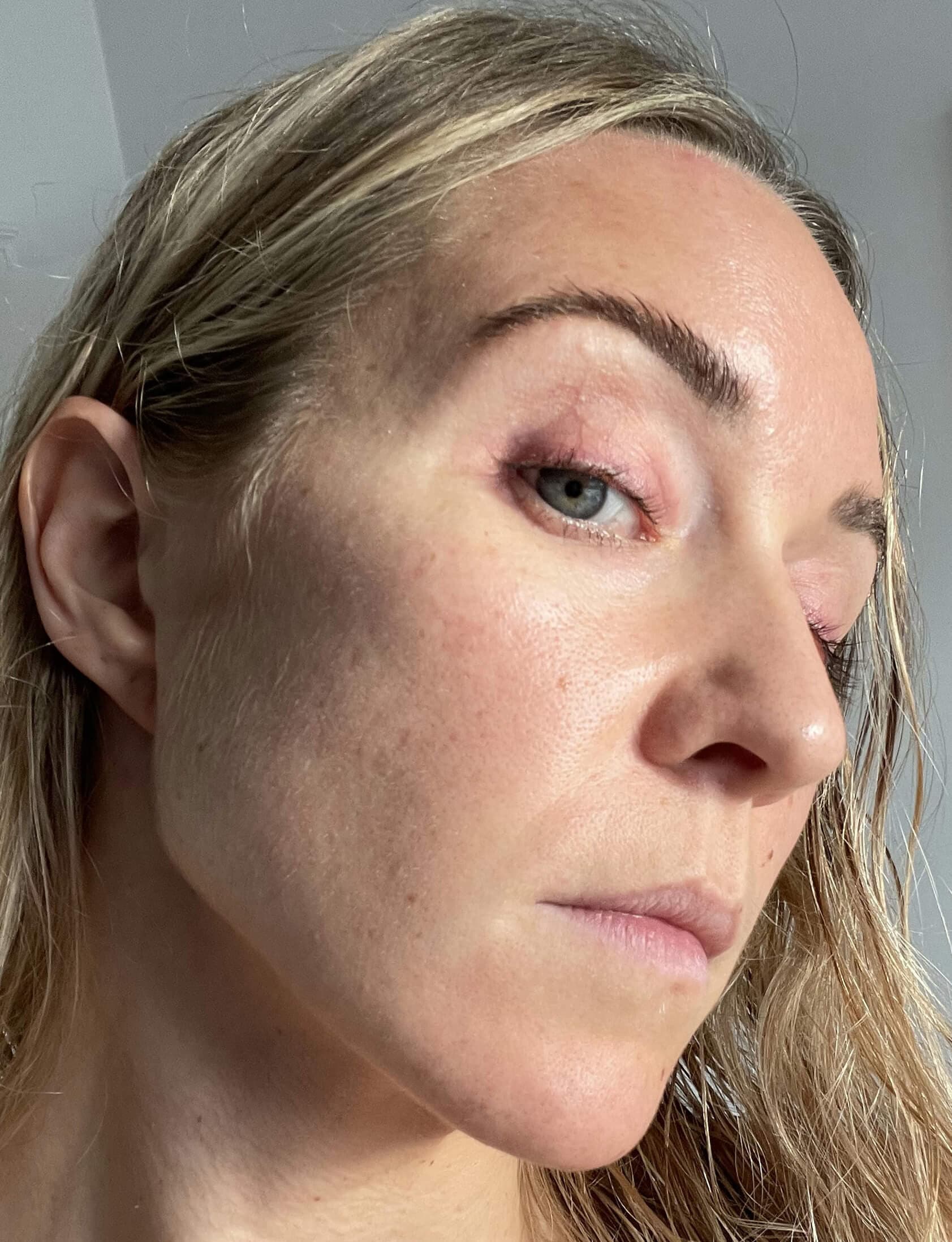
A few real before-and-after cases from people using Danish Skin Care for skin concerns related to this guide. No filters, no miracle promise. Consistent skincare over time.
 Before
 After
After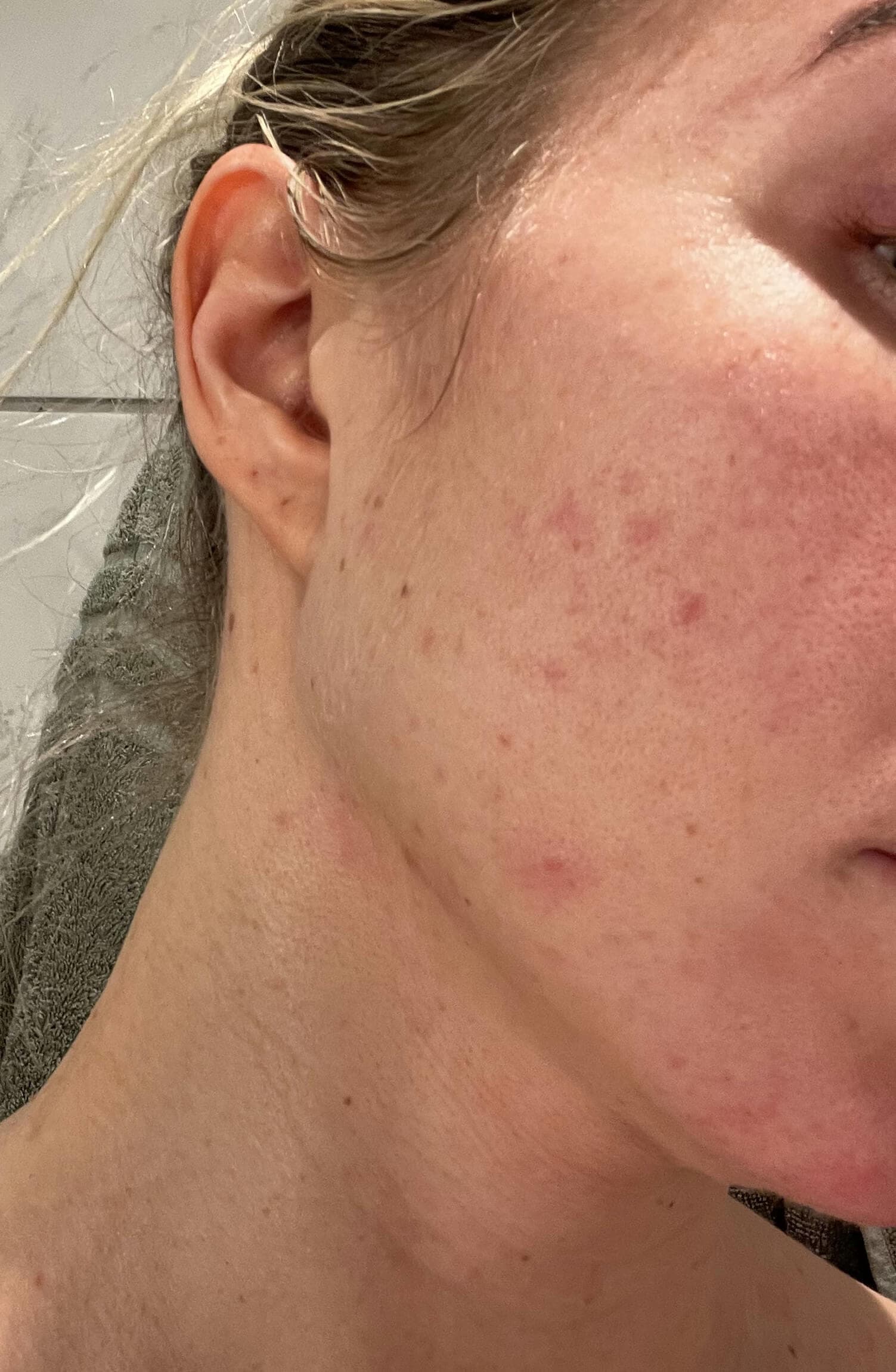 Before
 After
After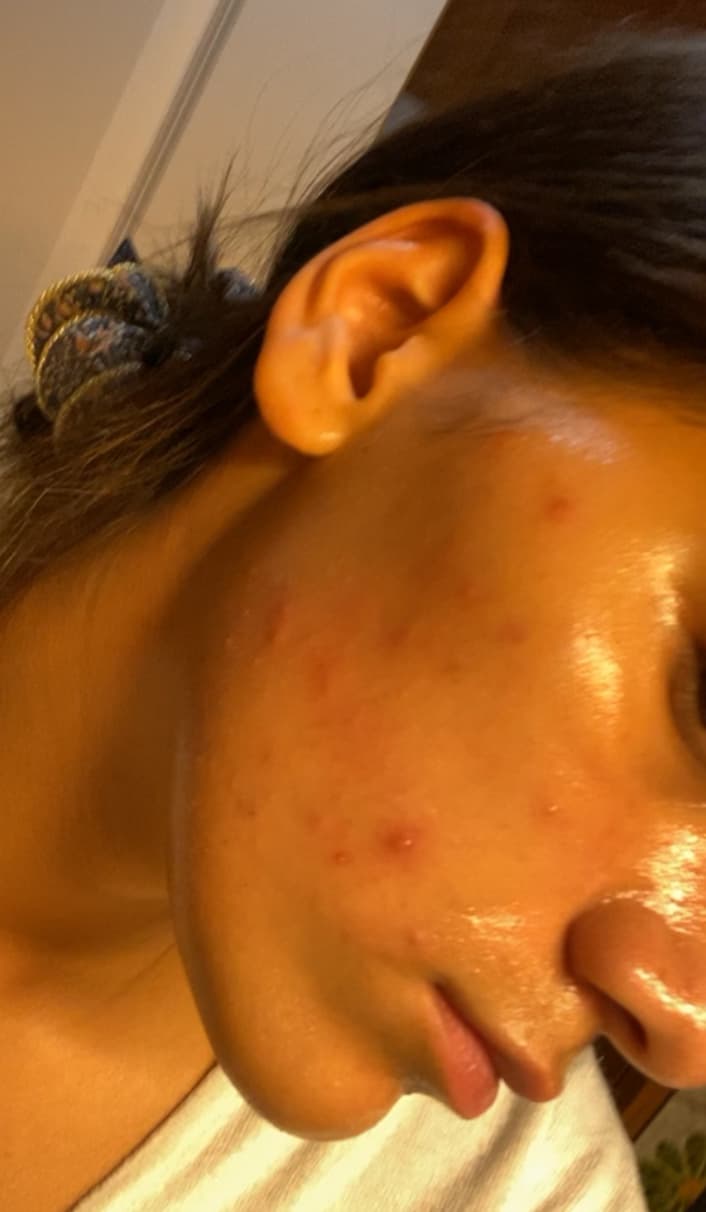 Before
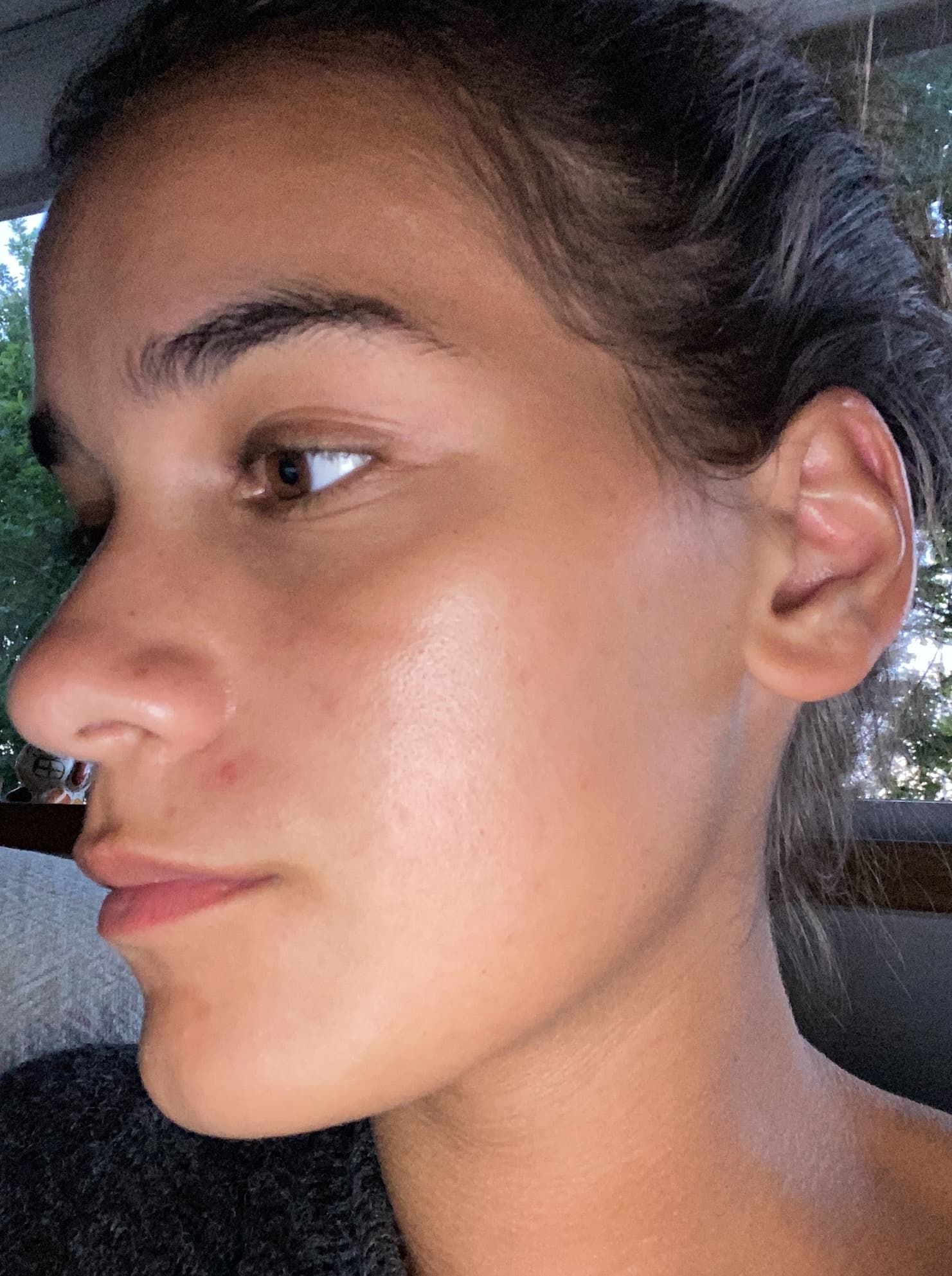 After
AfterKeep reading
- Ingredient · salicylic acid
- Ingredient · benzoyl peroxide
- Ingredient · niacinamide
- Ingredient · zinc pca
- Ingredient · glycerin
- Condition · acne and blemishes
- Condition · blackheads
- Condition · oily skin
- Condition · sensitive skin
- Read · how to stop breakouts after shaving
- Read · how to prevent workout breakouts
- Read · best skincare routine for clogged pores
- Read · how to wash your face with acne
- Read · why do i get pimples on my cheeks
Citations
- Zaenglein AL, et al. Guidelines of care for the management of acne vulgaris. J Am Acad Dermatol. 2016;74(5):945-973.e33.PMID 26897386
- Acne Vulgaris. StatPearls. Updated 2024. NCBI Bookshelf.NCBI Bookshelf
- Del Rosso JQ, Kircik LH. The sequence of inflammation, relevant biomarkers, and the pathogenesis of acne vulgaris: what does recent research show and what does it mean to the clinician? J Drugs Dermatol. 2013;12(8 Suppl):s109-s115.PMID 23986176