
Benzoyl peroxide
The gold-standard over-the-counter antibacterial for acne. Kills Cutibacterium acnes, helps prevent antibiotic resistance, and works at surprisingly low concentrations.
At a glance
What Benzoyl peroxide does for skin, and how to read the practical safety signals.
- Releases oxygen free radicals that kill acne-causing bacteria without the resistance problems of topical antibiotics.
- 2.5% can match higher strengths for many people, with less dryness and peeling.
- Bleaches fabric and hair. White pillowcases and old T-shirts are your friends.
- Type
- Active
- Rating
- Pregnancy
- Discuss with a clinician
- Comedogenic rating
- 0/5 (Won't clog pores)
- Vegan
- Yes
- Suited skin types
- Oily,Acne-prone,Combination
On this page
The short answer
Benzoyl peroxide is the workhorse antibacterial in acne treatment. It releases oxygen into the pore, kills Cutibacterium acnes (the bacterium involved in inflamed breakouts), and helps break up the keratin plugs that feed whiteheads and papules. Unlike topical antibiotics, bacteria do not easily develop resistance to it. That is why dermatology guidelines keep putting it near the top of the list.
I had inflamed papules across my jaw for years before I understood that scrubbing harder was not the answer. Benzoyl peroxide was one of the first actives that actually changed the pattern: fewer angry red spots, less of the slow-burn inflammation that leaves marks behind. It is not gentle. It bleaches towels. But for inflammatory acne, it works.
What the evidence actually shows
Efficacy versus placebo. Yang's 2020 Cochrane review found that benzoyl peroxide as monotherapy or add-on treatment is more effective than placebo or no treatment for improving acne, based on participant-reported improvement over 10 to 12 weeks. The certainty of evidence varies by comparison, but the direction is clear: BPO does something real.
Concentration and tolerability. Fakhouri's 2009 review summarised decades of BPO data. Effectiveness is similar at 2.5%, 5%, and 10%, but irritation scales with concentration. Lower strength first is not being cautious for the sake of it. It is how most people stay on the product long enough for it to work.
Combination therapy. Zhong's 2023 network meta-analysis of 221 trials ranked oral isotretinoin at the top for severe acne, but among topicals, combinations of retinoid plus benzoyl peroxide featured prominently. BPO also helps prevent antibiotic resistance when paired with topical antibiotics, which is why standalone antibiotic gels have fallen out of favour in modern guidelines.
Versus salicylic acid. They solve different problems. Salicylic acid is oil-soluble and excels at blackheads and surface congestion. Benzoyl peroxide targets bacteria and inflammatory lesions. Many effective routines use both, on different areas or at different times, rather than forcing one to do both jobs.
How to use it
- Concentration: start at 2.5%. Move to 5% only if results plateau and your skin tolerates it.
- Format: gels and creams for all-over treatment; thinner gels for spot application.
- Frequency: once daily to start, usually evening. Build to twice daily on oily, tolerant skin if needed.
- Contact time: short-contact methods (apply, wait a few minutes, rinse) can help very reactive skin adapt.
- Fabric warning: it will bleach pillowcases, towels, and shirt collars. Plan accordingly.
Apply to dry skin after cleansing. Wait for any salicylic acid product to dry fully if you are using both in the same routine.
How to keep it comfortable
- Niacinamide in your moisturiser helps offset dryness and supports fading of post-breakout marks.
- A plain, fragrance-free moisturiser after BPO. Do not skip hydration because the product feels drying. That is how barriers crack.
- Alternate with retinol rather than stacking both at full strength on the same night until your skin proves it can handle the combination.
What to avoid in the same application
- Other strong oxidisers or high-strength acids on the same area at the same time. Irritation stacks fast.
- Retinol on the same night when you are still building tolerance to benzoyl peroxide.
- Topical antibiotics alone long term. If you need an antibiotic gel, guidelines favour BPO combinations to limit resistance.
When benzoyl peroxide is the wrong tool
If your breakouts are mostly blackheads and closed comedones with little inflammation, salicylic acid is usually the better first choice. BPO kills bacteria; it is less elegant at dissolving sebum plugs inside the pore.
If you have rosacea or very sensitive skin, benzoyl peroxide often triggers burning and rebound redness. Start elsewhere or use short-contact methods under clinician guidance.
And if you are pregnant or breastfeeding, skip benzoyl peroxide unless your doctor specifically recommends it. Azelaic acid and other alternatives exist for a reason.
The practical takeaway
My goal with this guide was to gather the useful science on benzoyl peroxide in one place, so you can stop hunting for the next clever fix and do the simple, effective things your skin actually needs.
That is also why I made the Danish Skin Care Kit: a calm routine built around documented ingredients, and one that has helped more than 100,000 people with problem skin. If even the smallest question is still nagging you, send me an email at info@danishskincare.com.
Common questions
What strength of benzoyl peroxide should I use?
Start at 2.5%. Fakhouri's review notes that 2.5%, 5%, and 10% are similarly effective for many patients, but higher concentrations cause more irritation without always clearing acne faster.
Can I use benzoyl peroxide with salicylic acid?
Yes, but usually not layered in the same application at full strength. Many people use salicylic acid across congestion-prone areas and benzoyl peroxide as a thin layer on inflamed spots, or alternate mornings and evenings.
Is benzoyl peroxide safe in pregnancy?
Most clinicians advise avoiding benzoyl peroxide during pregnancy unless specifically recommended. Safer alternatives often include azelaic acid and topical erythromycin. Always confirm with your doctor.
Reading a real label?
Scan a product to see how it is formulated
Upload a photo of the ingredient list and get a quick ingredient-by-ingredient read against the evidence-led database.
I recommend these products

Salicylic acid handles pore decongestion while benzoyl peroxide targets bacteria. Many routines use BPO on inflamed spots and BHA across congestion-prone areas.

The Kit does not contain benzoyl peroxide, but its cleanser and moisturisers give a stable base if you add a separate BPO treatment for inflamed breakouts.

Niacinamide helps calm post-breakout redness and pigmentation once benzoyl peroxide has quieted the active inflammation.
Skin conditions it actively helps with
Where the published evidence puts Benzoyl peroxide on the short list of active ingredients worth reaching for.
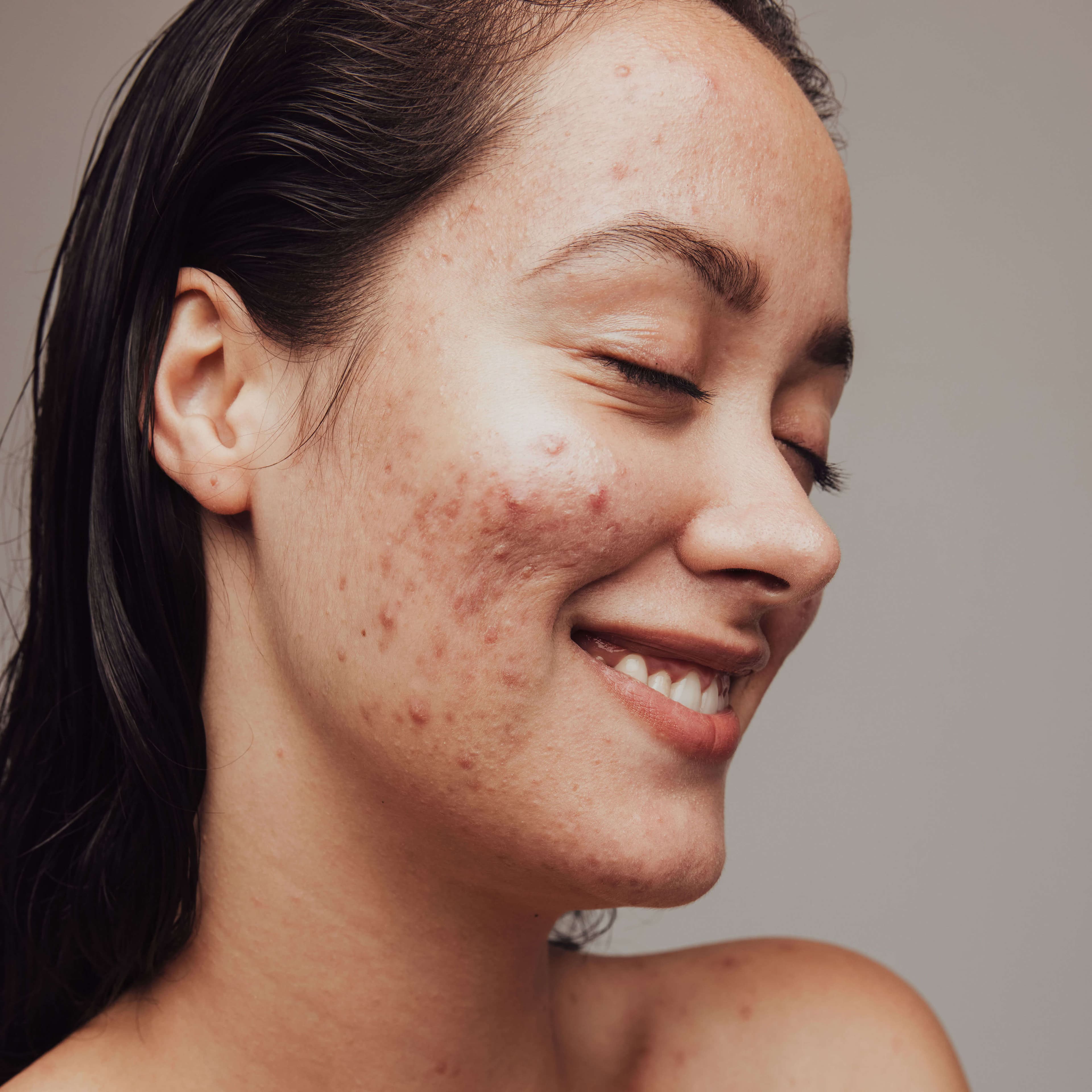
Acne and blemishes
A clear-headed guide to acne: what's actually happening in your skin, what the evidence says works, and a simple routine that doesn't make things worse.
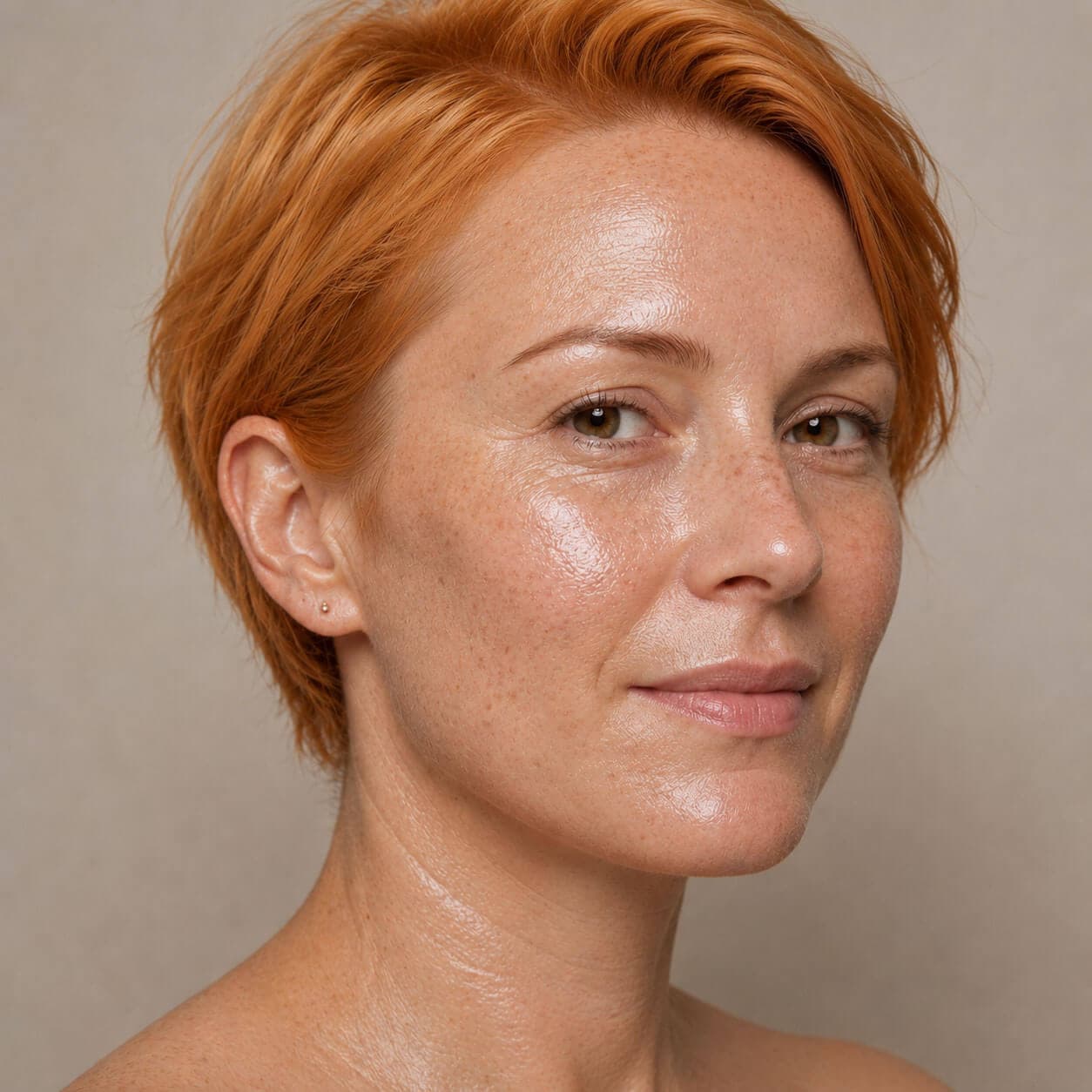
Oily skin
Oily skin isn't a problem to "fix". It's a feature with trade-offs. Here's what actually controls sebum, what doesn't, and the routine that works without stripping.

Blackheads
Blackheads are oxidised sebum, not dirt. Here's what they actually are, why pore strips and squeezing make them worse, and the routine that genuinely clears them.
Related ingredients
Citations
- Yang Z, et al. Topical benzoyl peroxide for acne. Cochrane Database Syst Rev. 2020;(3):CD011154. — PMID 32175593
- Fakhouri T, Yentzer BA, Feldman SR. Benzoyl peroxide: a review of its current use in the treatment of acne vulgaris. Expert Opin Pharmacother. 2009;10(15):2555–62. — PMID 19761357
- Zhong S, et al. Comparative efficacy of pharmacological treatments for acne vulgaris: a network meta-analysis of 221 randomized controlled trials. J Am Acad Dermatol. 2023;89(1):74–81. — PMID 37487721