
Why do I get pimples between my eyebrows?
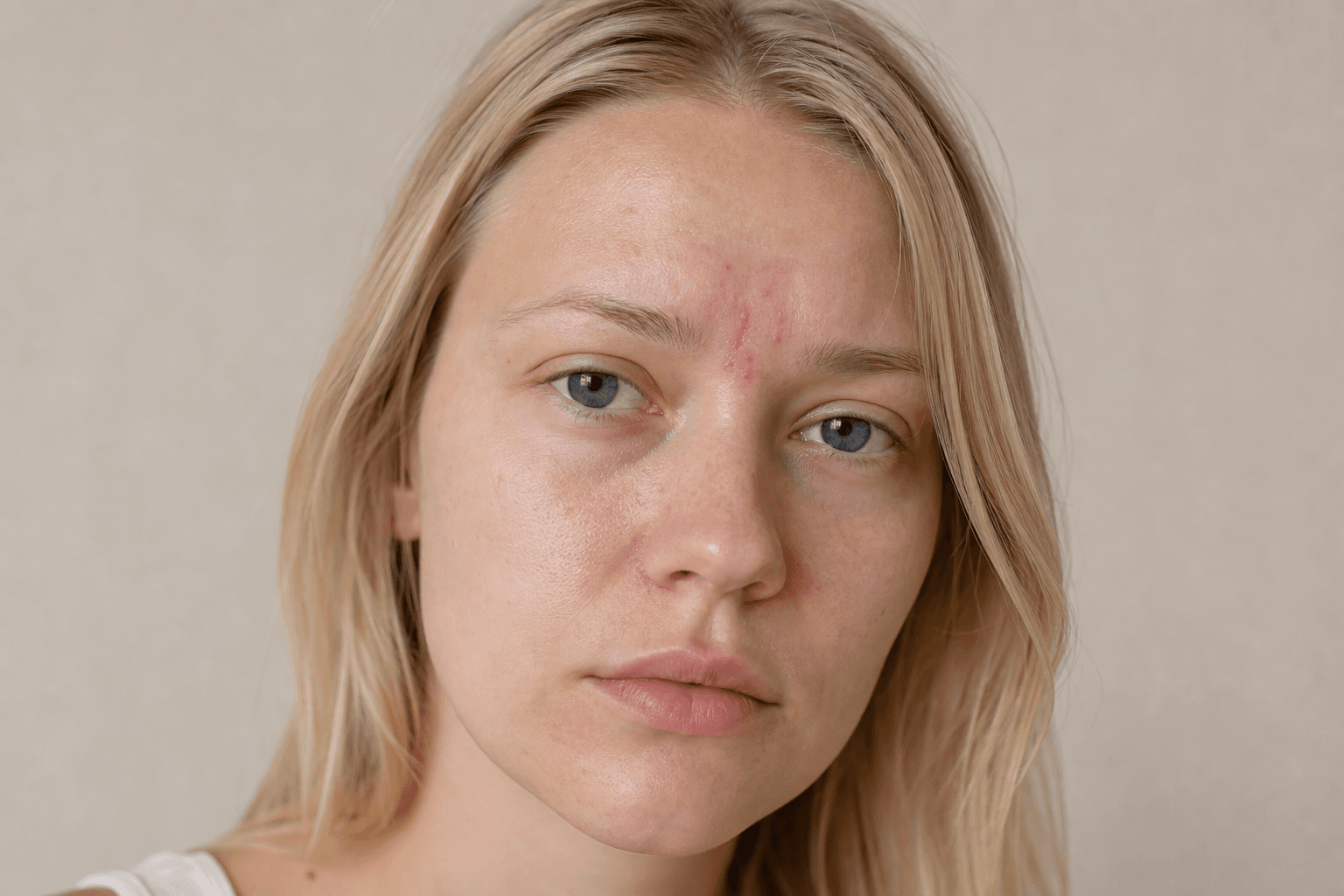
Pimples between the eyebrows usually come from oil, clogged pores, brow products, hair products, friction, or irritated skin in the oily T-zone.
On this page
I used to treat every small pimple on my face like it needed a separate investigation.
The cheek pimple had one theory. The chin pimple had another. And a bump between the eyebrows? That tiny thing could somehow occupy 40 percent of my brain before breakfast.
After helping more than 100,000 people with problem skin, I have learned that between-the-brow pimples are usually less mysterious than they feel. The area sits in the oily T-zone, catches sweat, collects brow and hair product residue, and gets touched more than we notice.
The short answer
Pimples between your eyebrows usually happen because pores in that small area get clogged with oil, dead skin cells, product residue, and inflammation.
Acne is a disease of the pilosebaceous unit - the pore, hair follicle, oil gland, and surrounding inflammation. A Lancet review[1] describes the main acne drivers as increased sebum, altered keratinisation, inflammation, and Cutibacterium acnes activity in follicles.
In bathroom language: the eyebrow area has little follicles, oil, sweat, product, and sometimes impatient fingers. That is enough to cause trouble.
Why this exact spot breaks out
The space between the brows is called the glabella. It is small, but it behaves like the rest of the T-zone.
Common triggers include:
- Oily T-zone skin. More oil can mean more material for clogged pores.
- Brow makeup. Waxy pencils, gels, pomades, and tinted products can sit in tiny brow hairs.
- Hair products. Styling cream, fringe products, dry shampoo, and oil can migrate down to the forehead.
- Sweat and hats. Heat plus friction can make pores angrier.
- Over-cleansing. Scrubbing between the brows can irritate the skin and make the area redder.
- Picking and tweezing. A little trauma around follicles can look like acne, especially if the skin is already reactive.
If your forehead also breaks out, read the guide to forehead acne. If the problem started after a new hair product, the guide on hair products breaking you out is the better next read.
Do brow products really matter?
They can.
A 2025 case-control study[3] found associations between some cosmetic use patterns and acne risk, including powders and products with comedogenic ingredients. That does not mean every brow pencil is evil. It means products left in a small oily zone deserve a fair test.
For one to two weeks, pause:
- Brow gel.
- Brow pomade.
- Heavy pencil.
- Hair wax or oil near the forehead.
- Thick sunscreen or makeup that collects in the brow hairs.
Keep cleansing gentle. You are trying to learn, not punish the area into cooperation.
The calm routine test
Try this for two weeks:
- Cleanse the forehead, brows, and nose bridge with a gentle cleanser at night.
- Use a soft cloth only if needed to remove makeup - no scrubbing.
- Keep brow products off the area during the test.
- Keep hair styling products away from the hairline.
- Use a leave-on salicylic acid product if the bumps look like clogged pores and your skin tolerates it.
- Moisturise lightly if the area gets dry or flaky.
The 2016 acne guidelines[2] include topical treatments such as benzoyl peroxide, retinoids, antibiotics, and salicylic acid among acne management options, depending on acne type and severity. For a small clogged-pore zone, I would start with the gentlest effective step you can repeat.
When it may not be simple acne
Sometimes eyebrow bumps are not classic pimples.
Get help if you notice:
- intense itching
- crusting or oozing
- spreading redness
- swelling near the eyes
- painful lumps
- rash after a new dye, wax, tint, or brow lamination
- flakes that keep returning around the brows and nose
This is where skincare stops being a mirror puzzle and becomes a clinician question. Especially near the eyes, caution is sensible.
My practical advice
Treat eyebrow pimples like acne-prone skin in a high-traffic area.
Cleanse well, remove brow products properly, keep hair products from sliding down, and avoid turning one small pimple into a nightly excavation site. If you want to add an active, add one. Then give it time.
Skincare gets easier when the routine stops arguing with the skin.
People also ask
Why do I get pimples between my eyebrows?
Most eyebrow-area pimples come from the same acne process as other facial breakouts: oil, clogged pores, inflammation, and bacteria inside follicles. Brow makeup, hair products, sweat, and friction can make that small zone worse.
Can eyebrow gel or pencil cause pimples?
Yes, brow products can contribute if they are heavy, waxy, irritating, or not removed well. Pause them for one to two weeks and reintroduce one at a time.
Should I pop pimples between my eyebrows?
No. The skin is small, visible, and easy to inflame. Picking can leave redness or marks. Treat the area like acne-prone skin, not a project.
When should I get help for eyebrow pimples?
Get medical advice if the bumps are painful, spreading, crusting, very itchy, close to the eyes, or not improving with a simpler routine.
The routine I would keep boring here
Between-the-brow pimples tempt people to scrub, tweeze, peel, and declare war on one tiny square of face. I would go calmer. The Danish Skin Care Kit keeps the routine simple enough to repeat: cleanse gently, use one sensible exfoliating step for clogged pores, moisturise, and protect the skin so the T-zone can settle instead of being poked every evening.

A simple acne-prone routine for the oily T-zone: gentle cleansing, a leave-on exfoliating step, moisturising support, and daytime protection without turning the eyebrow area into a product testing lab.
Full transparency: Danish Skin Care is my own company — I formulated these products and earn from every sale. That's exactly why I only recommend them where they genuinely fit the guide you just read.
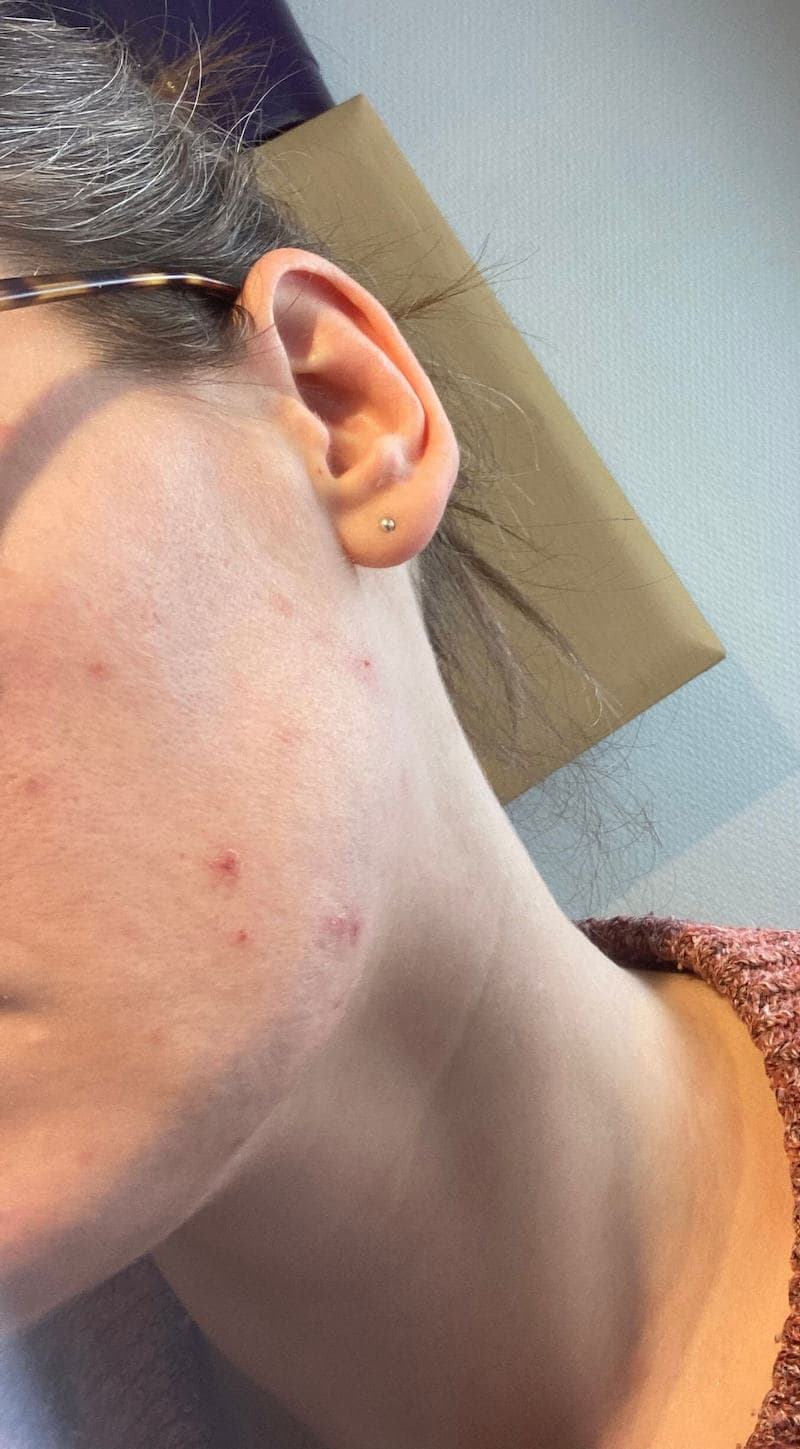
Real results from simple routines
A few real before-and-after cases from people using Danish Skin Care for skin concerns related to this guide. No filters, no miracle promise. Consistent skincare over time.
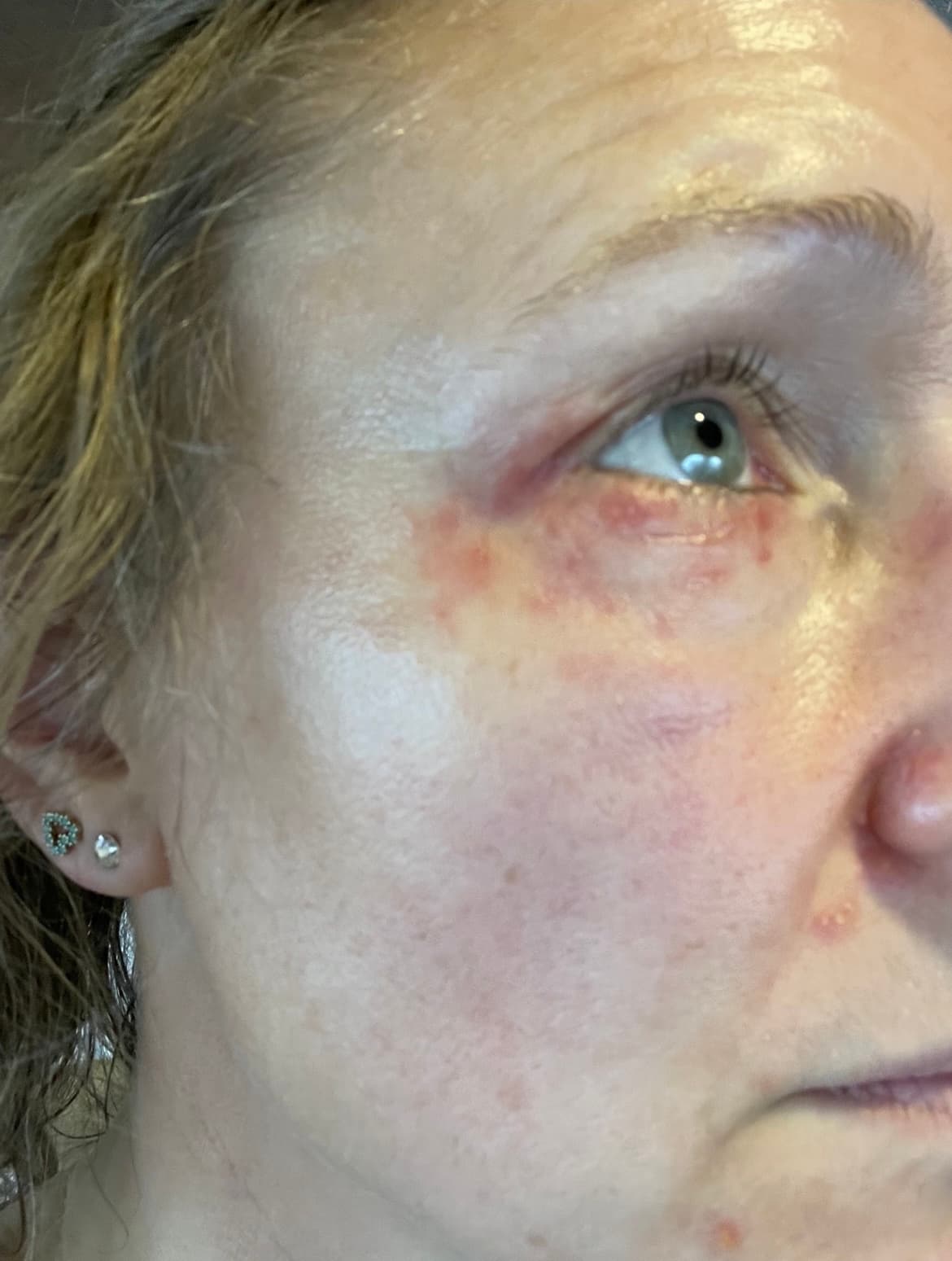 Before
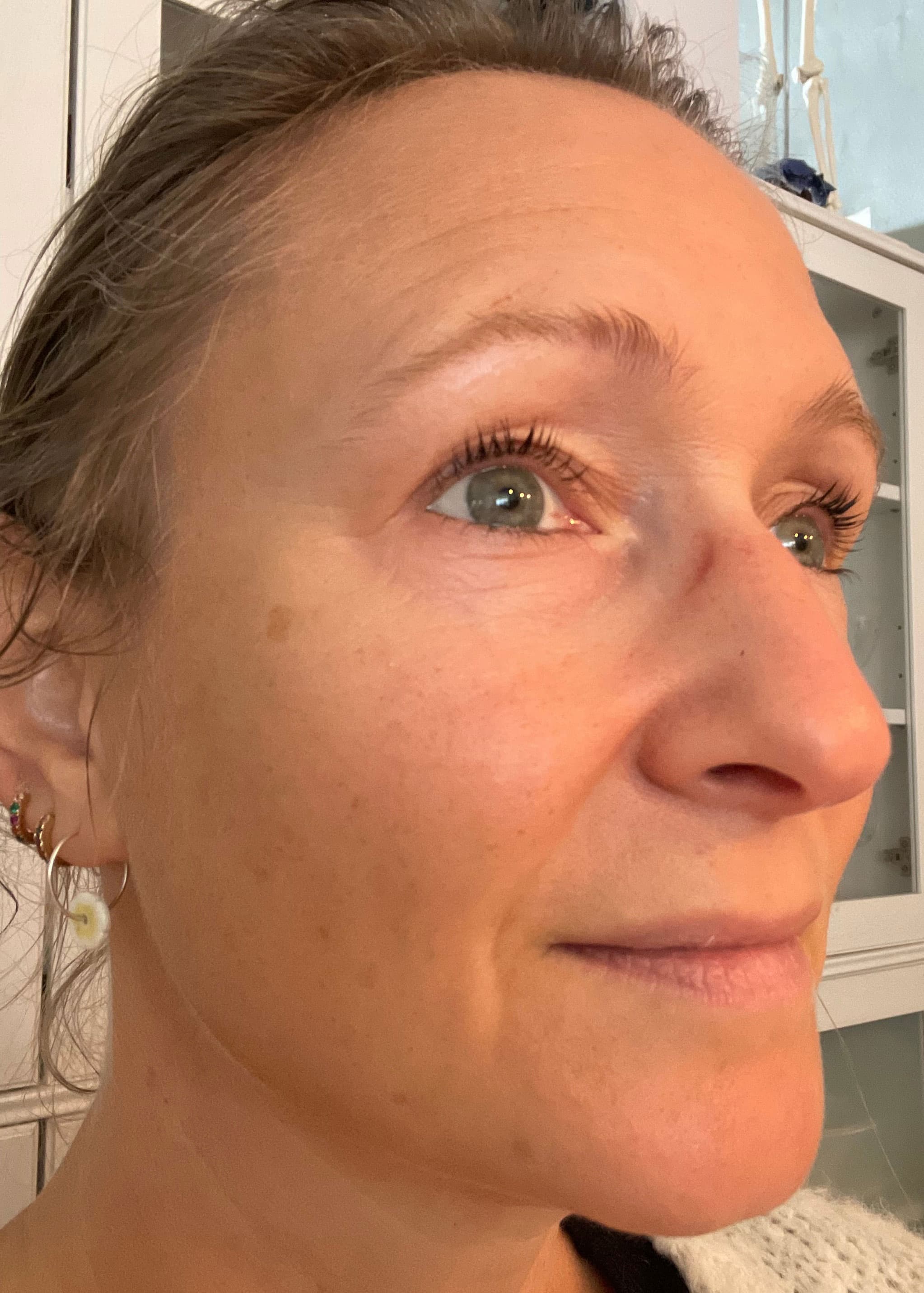 After
After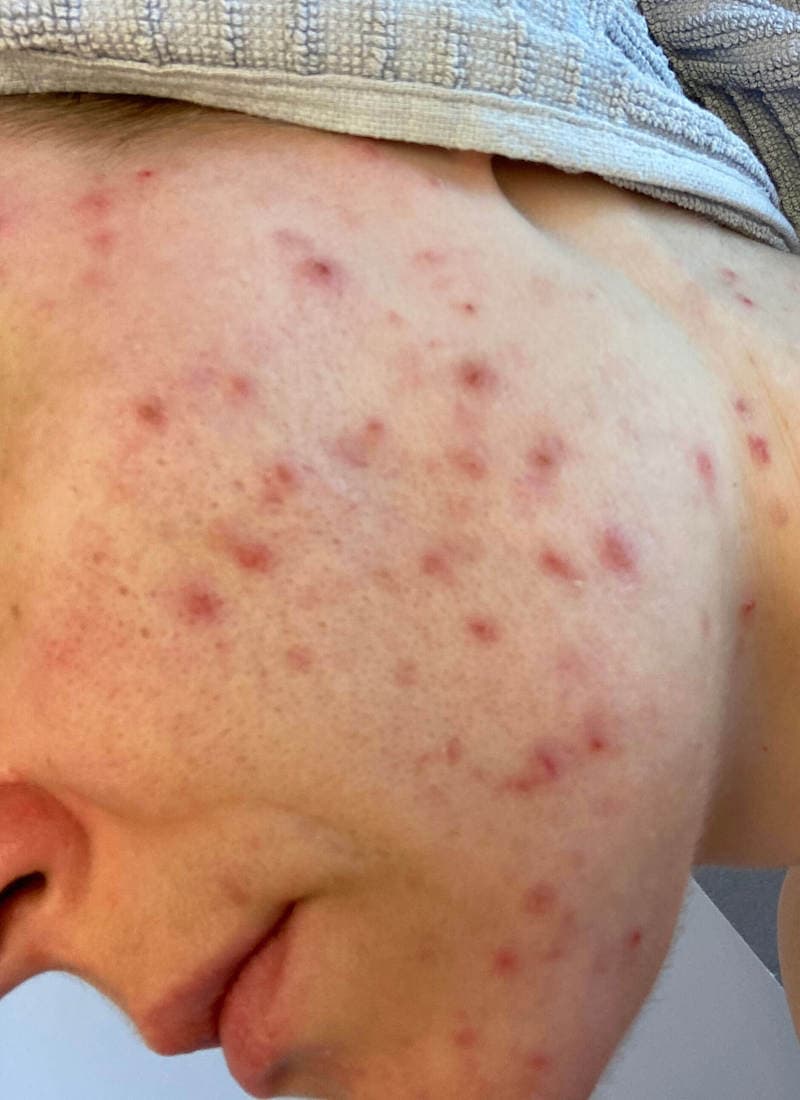 Before
 After
After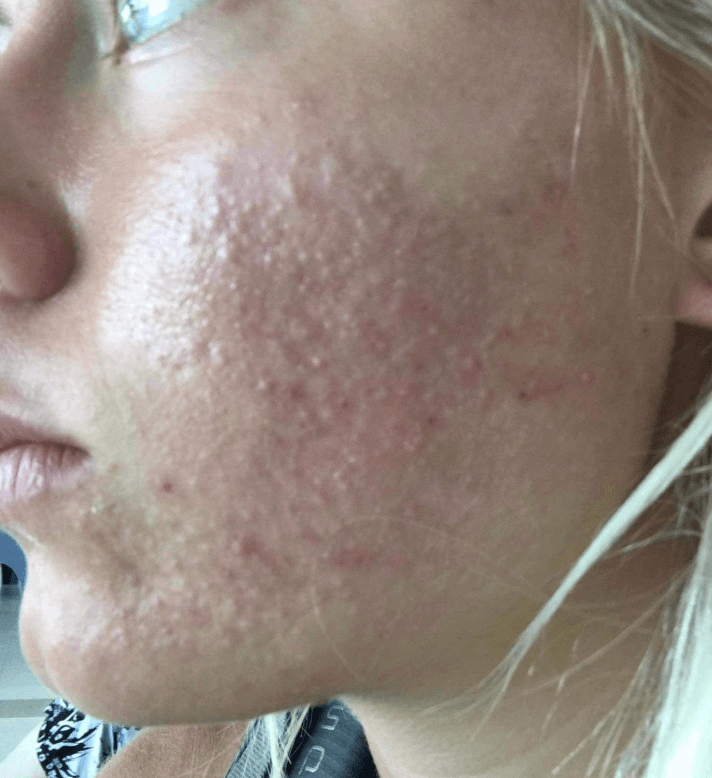 Before
 After
AfterKeep reading
- Ingredient · salicylic acid
- Ingredient · niacinamide
- Ingredient · zinc pca
- Ingredient · sodium ascorbyl phosphate
- Ingredient · glycerin
- Condition · acne and blemishes
- Condition · oily skin
- Condition · sensitive skin
- Read · how to get rid of forehead acne
- Read · are hair products breaking you out
- Read · why is my face oily by noon
- Read · what are blackheads
- Read · why does makeup break me out
Citations
- Williams HC, Dellavalle RP, Garner S. Acne vulgaris. Lancet. 2012;379(9813):361-372.PMID 21880356
- Zaenglein AL, Pathy AL, Schlosser BJ, et al. Guidelines of care for the management of acne vulgaris. J Am Acad Dermatol. 2016;74(5):945-973.e33.PMID 26897386
- A Case-Control Study Exploring the Association Between Cosmetic Use and Acne Risk: Implications for Prevention and Clinical Practice. J Multidiscip Healthc. 2025.PMCID PMC12323874