
How to get rid of closed comedones
Closed comedones need patient pore clearing, not squeezing. Here is the simple routine: gentle cleansing, salicylic acid, moisturiser, SPF, and time.
On this page
Closed comedones were the bumps that made me most impatient.
When I had acne and clogged pores, inflamed pimples at least looked like they were doing something. Closed comedones just sat there under the skin like tiny unpaid tenants. No drama. No opening. No immediate satisfaction.
I have seen many before-and-after cases where the real improvement came from treating them like slow follicle problems, not like dots that needed force.
The short answer
To get rid of closed comedones:
- Stop squeezing.
- Use 2% salicylic acid 2 to 4 nights per week.
- Cleanse gently.
- Moisturise so irritation does not take over.
- Wear SPF.
- Consider a retinoid later if your skin tolerates it.
- Give it 8 to 12 weeks.
Acne forms in the pilosebaceous unit, where oil, sticky shedding cells, bacteria, and inflammation interact[1]. A closed comedone is part of that same acne process, but the plug stays covered by skin.
What closed comedones look like
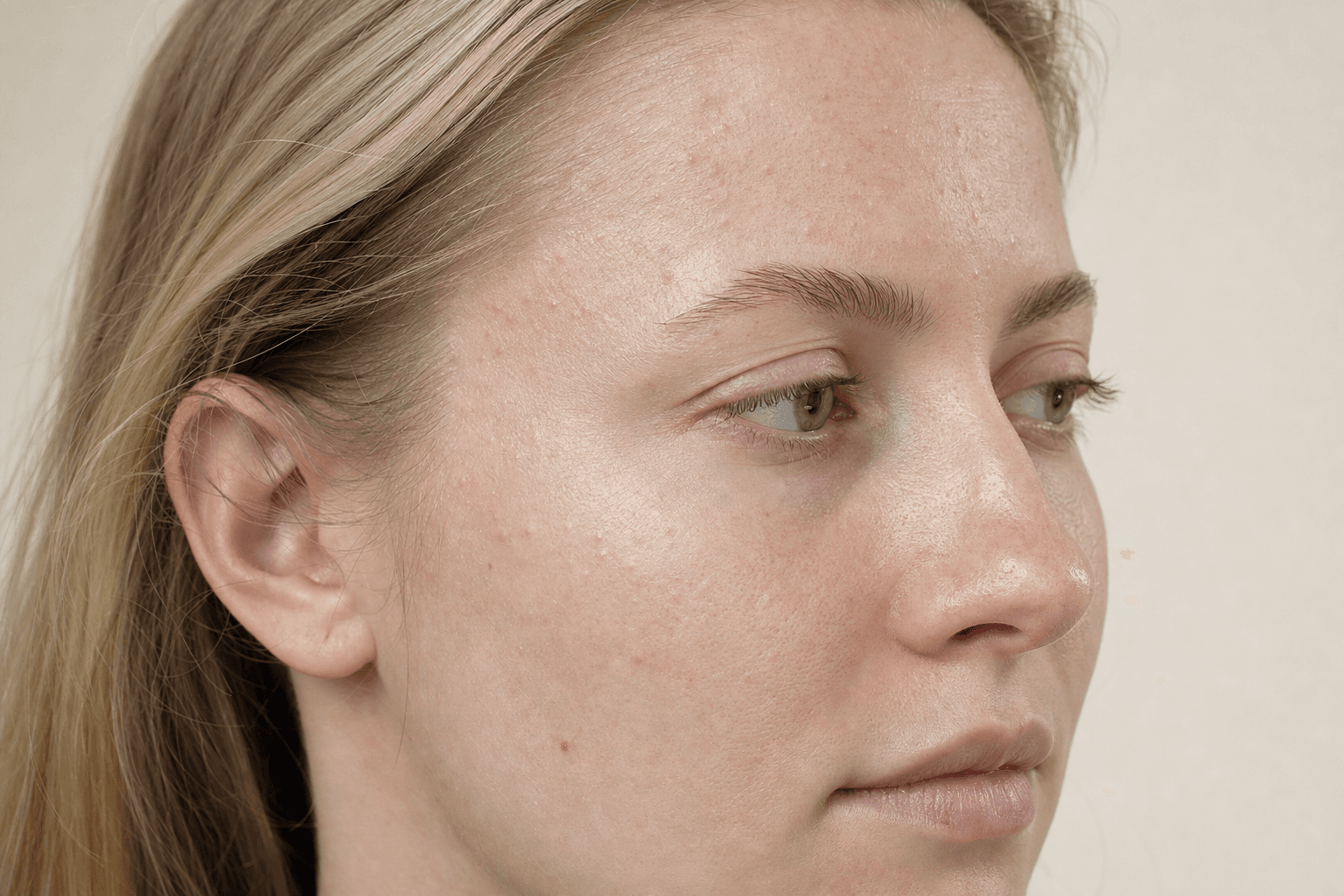
Closed comedones often look like:
- small flesh-coloured bumps
- tiny whiteheads without a clear opening
- rough texture on the forehead, cheeks, or chin
- bumps that look worse in side lighting
- pores that feel clogged but are not red or painful
They are not the same as inflamed pimples. They are not always milia. They are also not dirt.
That last point matters because dirt thinking leads to harsh cleansing. Harsh cleansing leads to irritated skin. Irritated skin is not famous for making acne easier.
Why salicylic acid is usually the first move
Salicylic acid is oil-soluble, which makes it practical for clogged follicles.
A clinical study[2] found salicylic acid pads improved acne lesions, including comedonal acne. It will not empty every bump overnight. It helps the clogging process become less sticky over repeated use.
Use it like this:
- start 2 nights per week
- apply a thin layer after cleansing
- moisturise after
- increase slowly only if skin stays calm
- reduce frequency if tightness, burning, or peeling starts
Closed comedones are already quiet. Your routine should be quiet too.
What about retinoids?
Retinoids can help comedonal acne by supporting normal skin-cell turnover. Acne guidelines[3] include topical retinoids among important acne treatments, especially when comedones are part of the pattern.
The practical catch is irritation.
If your skin is sensitive, start with salicylic acid or introduce a retinoid only on separate nights. Do not begin daily acid and nightly retinoid in the same week unless you enjoy writing apology letters to your barrier.
What not to do
Avoid:
- squeezing closed bumps
- scrub brushes
- pore strips on bumpy areas
- daily peel pads from day one
- heavy product layering because one bump annoyed you
- switching routines every few days
The hardest part of closed comedones is that you cannot see the follicle changing day by day. That does not mean nothing is happening.
Could it be something else?
Consider another explanation if the bumps:
- are very uniform and itchy
- sit around the eyes as firm pearly dots
- appeared suddenly after a medication or new product
- are inflamed, painful, or cystic
- do not change after 12 weeks of a consistent routine
Milia, folliculitis, dermatitis, and inflammatory acne can all look like "small bumps" in a mirror. If you are unsure, a dermatologist can save you months of guessing.
My final advice
Closed comedones need repetition, not pressure.
Cleanse gently. Use salicylic acid consistently. Moisturise enough that your barrier stays calm. Let the skin complete several turnover cycles before judging the plan.
It is not the most exciting answer. It is the one I trust.
People also ask
What gets rid of closed comedones?
A calm routine with gentle cleansing, 2% salicylic acid a few nights weekly, moisturiser, and SPF is a sensible first step. Retinoids can also help, but introduce them slowly.
Can I squeeze closed comedones?
It is better not to. Closed comedones sit under a thin surface layer, so squeezing can bruise the pore, create inflammation, and leave marks.
How long do closed comedones take to clear?
Give a consistent routine 8 to 12 weeks. Some bumps soften earlier, but the full clogging cycle changes slowly.
Are closed comedones the same as milia?
No. Closed comedones are clogged follicles connected to acne biology. Milia are tiny keratin cysts and often need different handling.
The closed-comedone routine I would keep steady
Closed comedones reward boring consistency. The Danish Skin Care Kit gives you the foundation I usually want here: cleanse gently, use salicylic acid repeatedly but not aggressively, moisturise, and protect the skin every morning. It is the routine I built after helping more than 100,000 people with problem skin who were tired of trying five new things every week.

A simple closed-comedone routine: cleanser, 2% salicylic acid treatment, moisturiser, and daily SPF.
Full transparency: Danish Skin Care is my own company — I formulated these products and earn from every sale. That's exactly why I only recommend them where they genuinely fit the guide you just read.
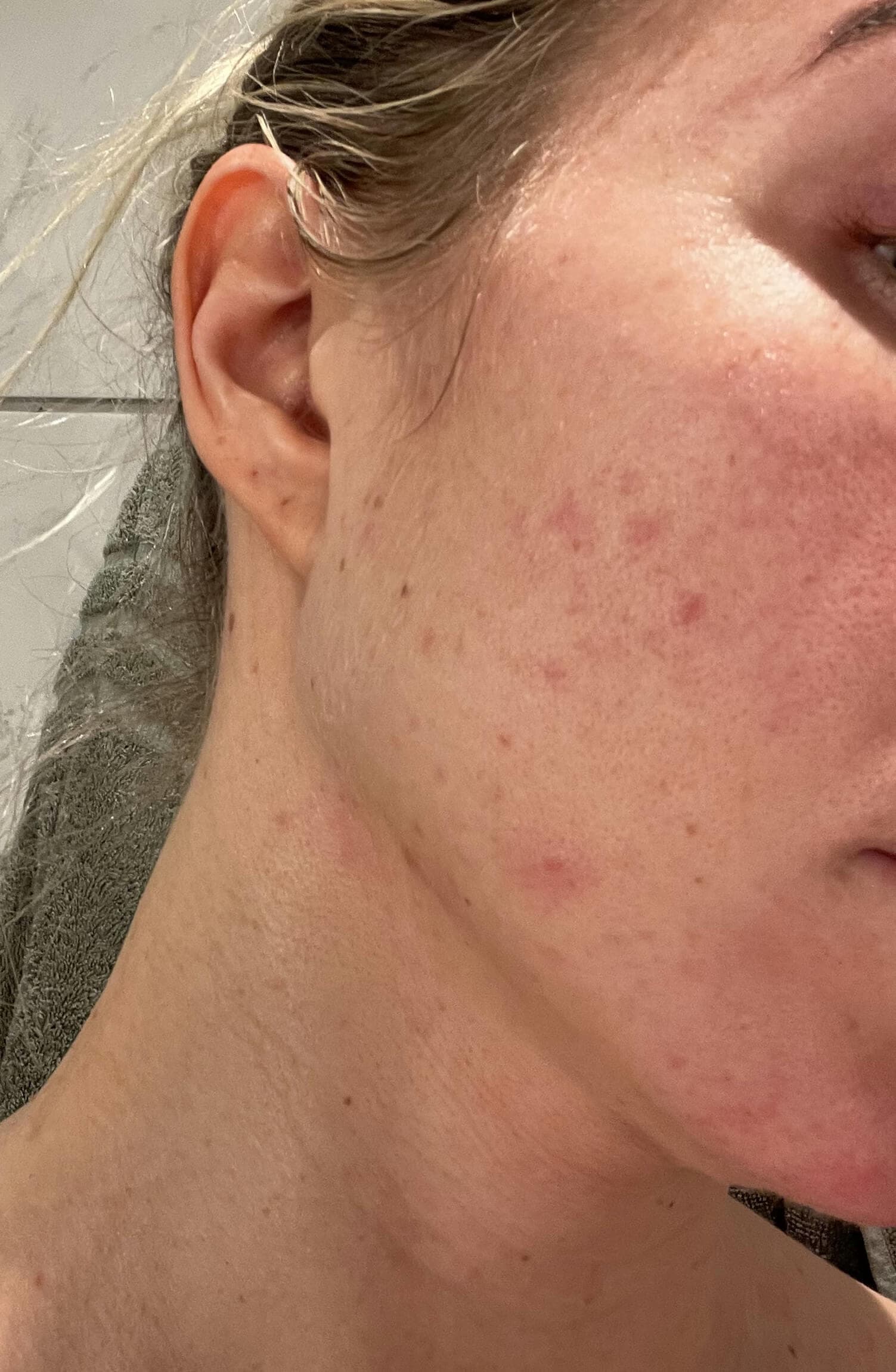
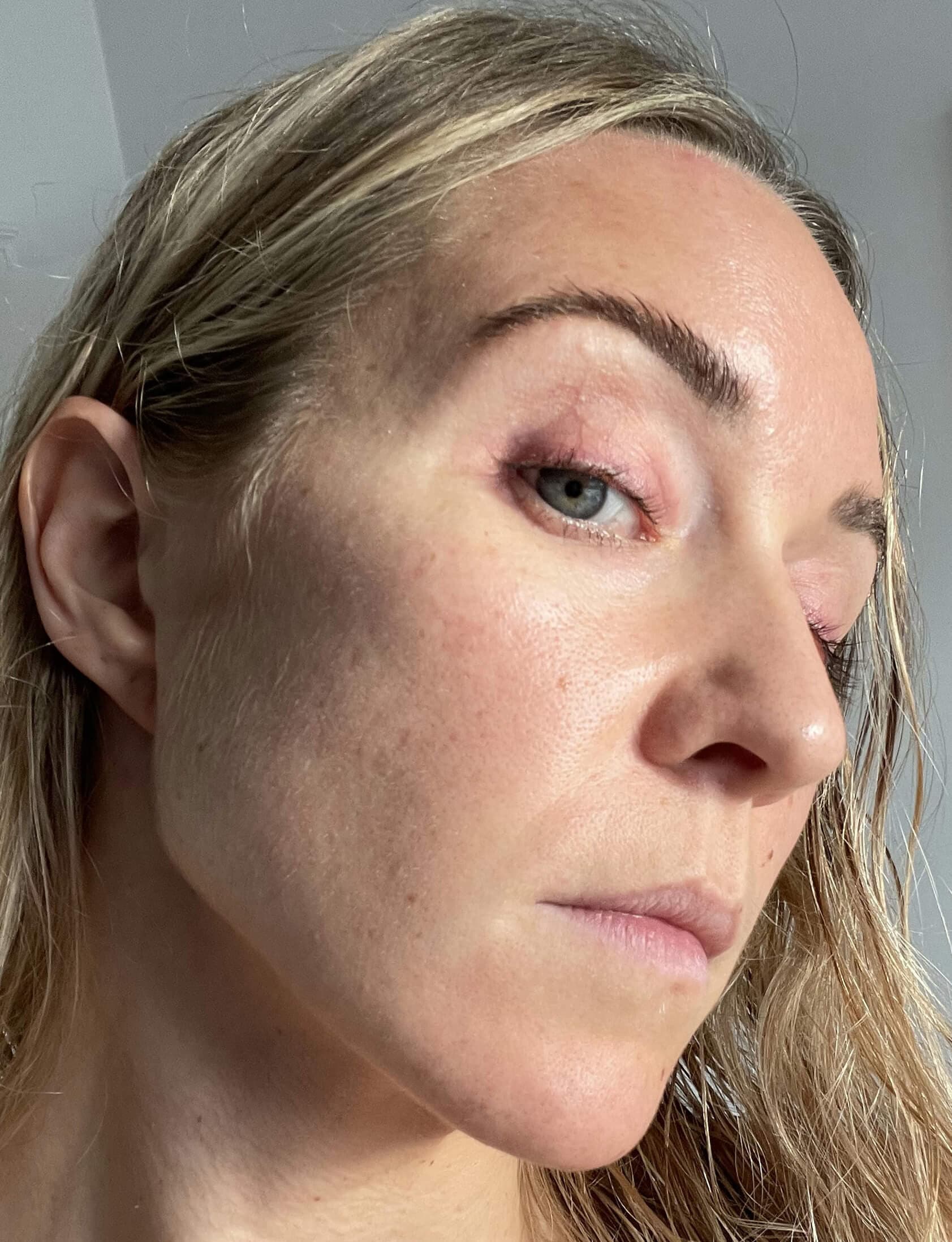
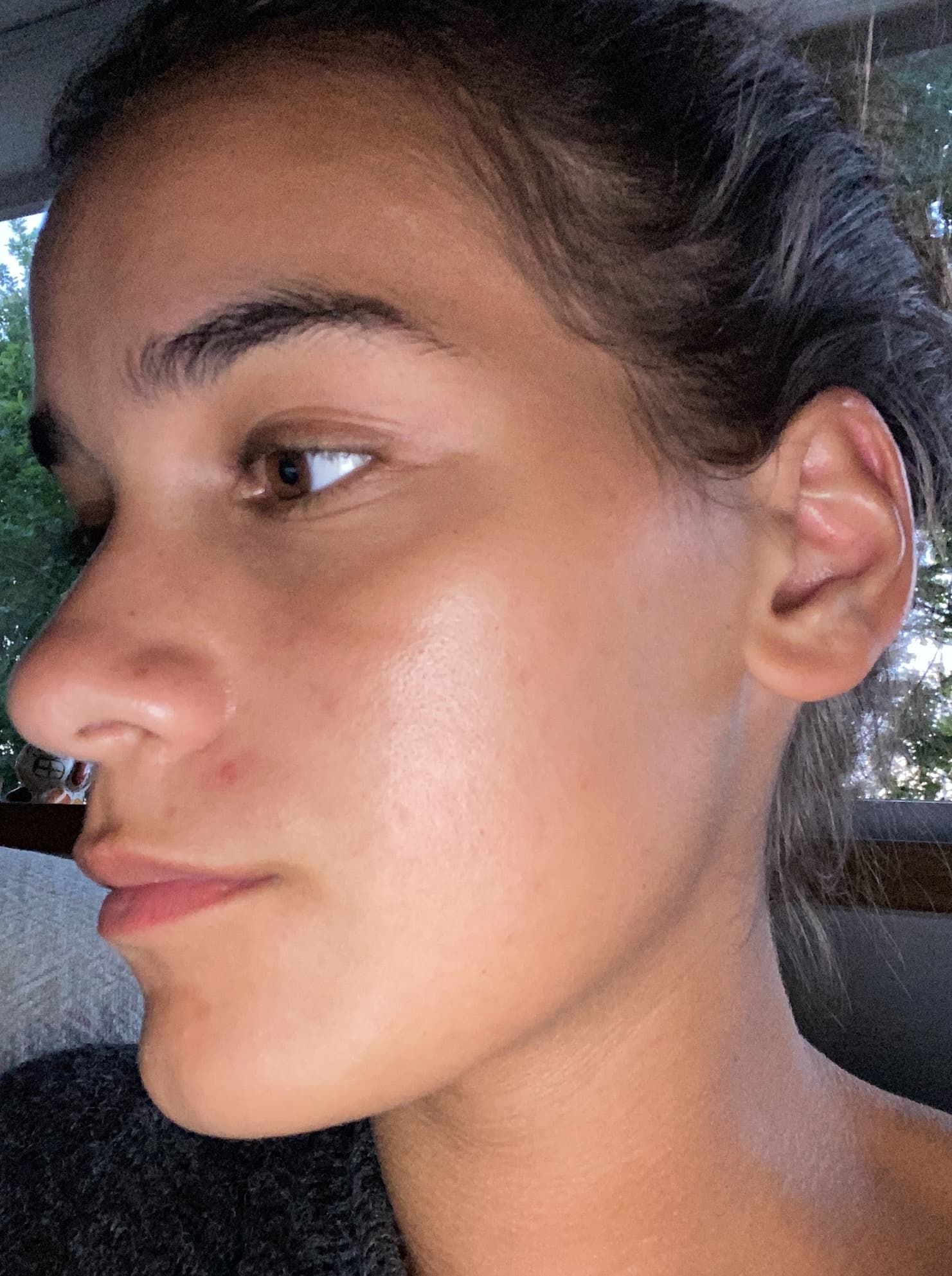
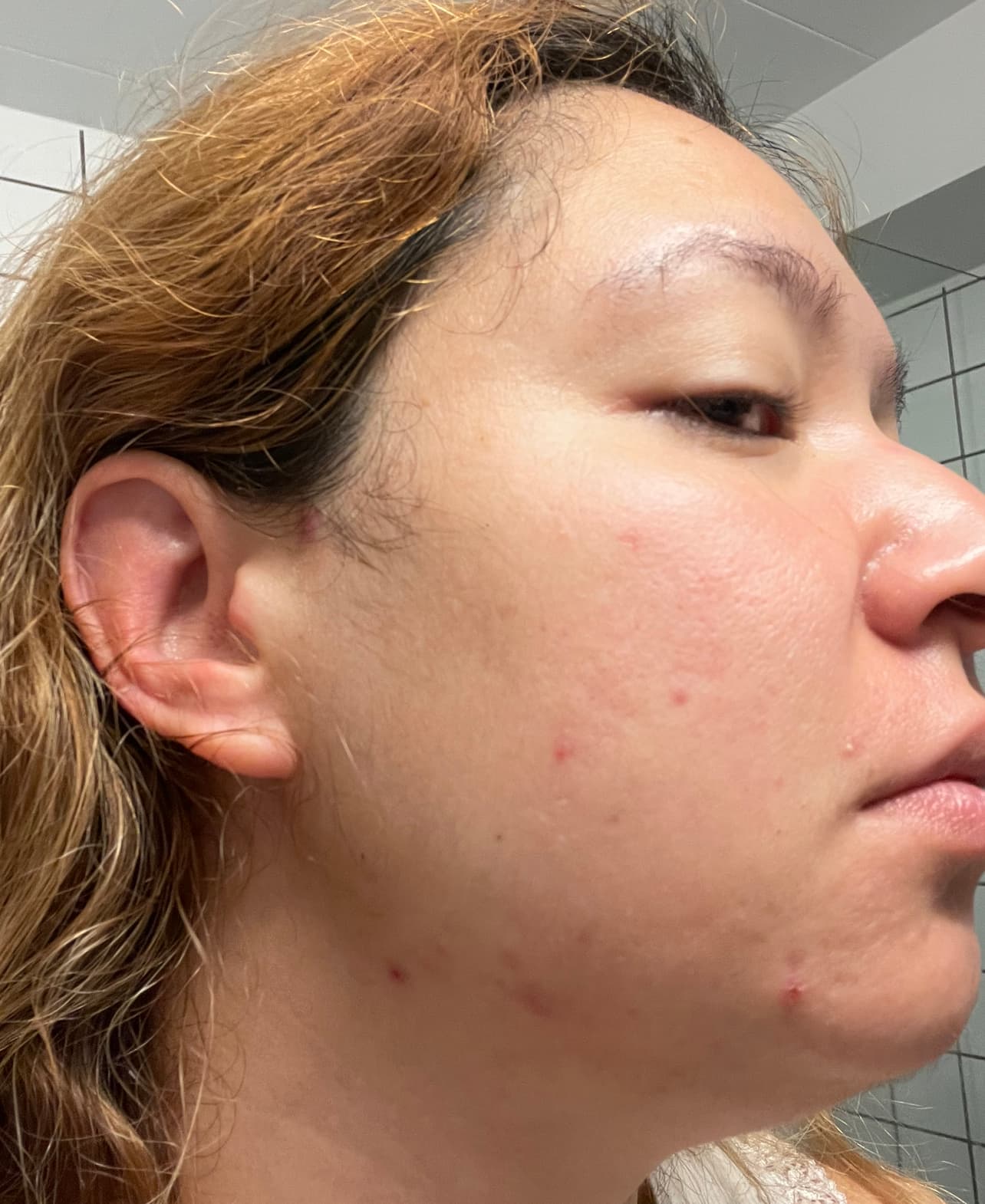
Real results from simple routines
A few real before-and-after cases from people using Danish Skin Care for skin concerns related to this guide. No filters, no miracle promise. Consistent skincare over time.
 Before
 After
After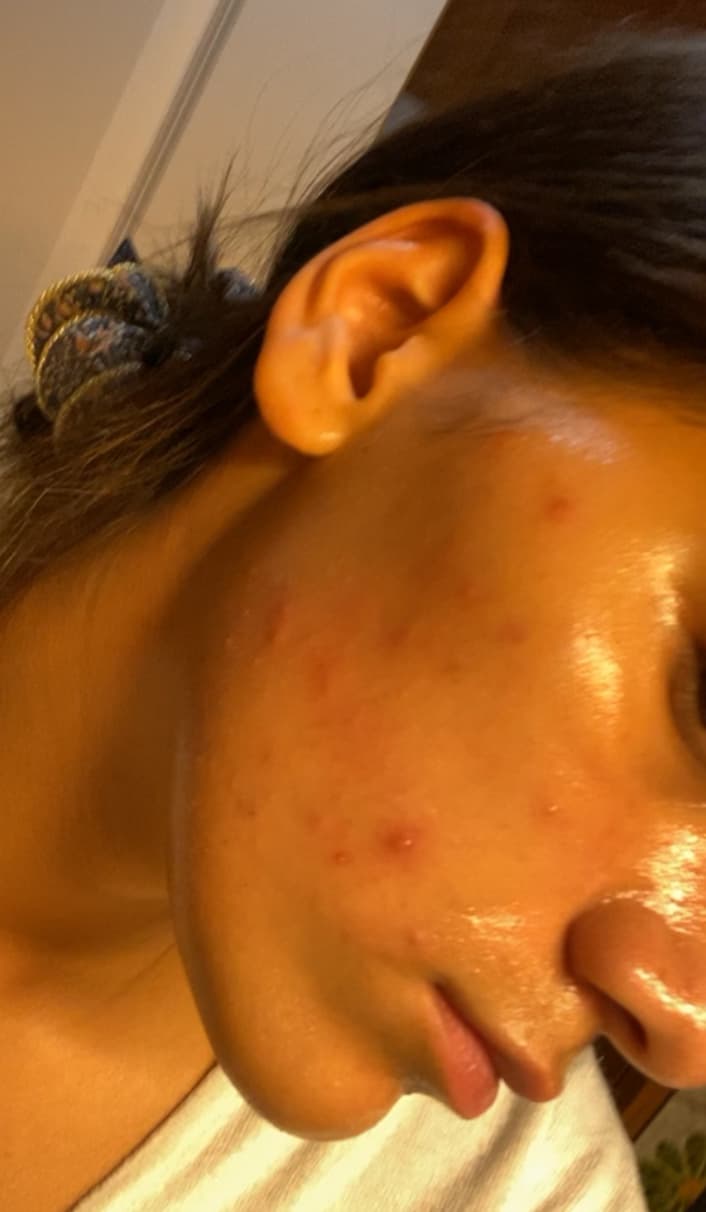 Before
 After
After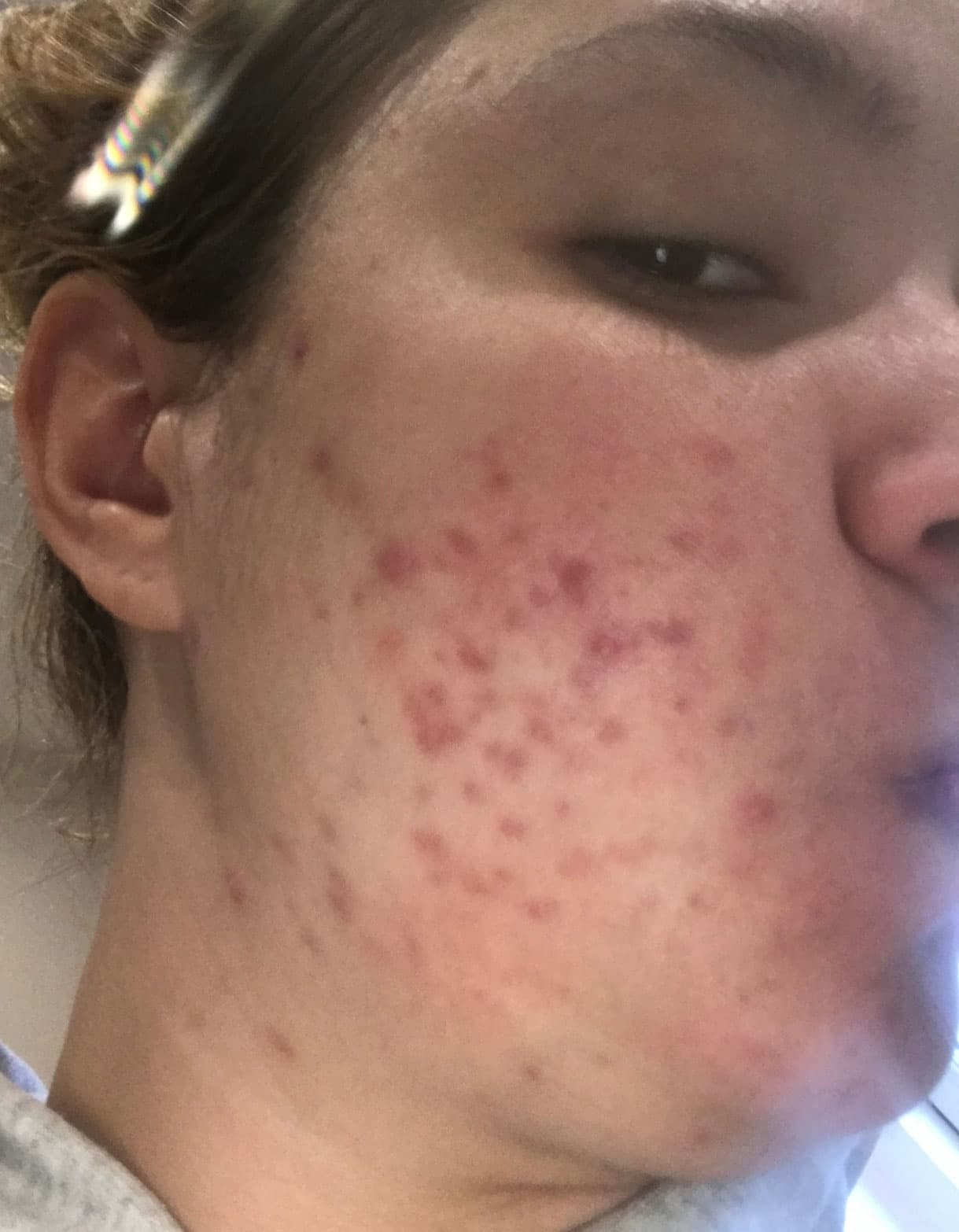 Before
 After
AfterKeep reading
- Ingredient · salicylic acid
- Ingredient · retinol
- Ingredient · niacinamide
- Ingredient · benzoyl peroxide
- Ingredient · glycerin
- Condition · acne and blemishes
- Condition · blackheads
- Condition · oily skin
- Condition · combination skin
- Read · best skincare routine for clogged pores
- Read · how to get rid of blackheads on nose
- Read · how to get rid of forehead acne
- Read · what are blackheads
- Read · why do i break out after sunscreen
Citations
- Williams HC, Dellavalle RP, Garner S. Acne vulgaris. Lancet. 2012;379(9813):361-372.PMID 21880356
- Zander E, Weisman S. Treatment of acne vulgaris with salicylic acid pads. Clin Ther. 1992;14(2):247-253.PMID 1535349
- Zaenglein AL, et al. Guidelines of care for the management of acne vulgaris. J Am Acad Dermatol. 2016;74(5):945-973.PMID 26897386