
Linoleic acid
An essential omega-6 fatty acid linked with barrier lipids and acne-prone sebum quality, but best treated as formula support rather than a stand-alone acne cure.
At a glance
What Linoleic acid does for skin, and how to read the practical safety signals.
- Barrier lipid: Linoleic acid is part of the fatty-acid story behind healthy stratum corneum lipids.
- Acne context: Acne-prone sebum has been associated with lower linoleic acid levels.
- Practical use: Most useful inside lightweight moisturisers or balanced oils, not as a heavy oil experiment.
- Type
- Fatty acid
- Rating
- Pregnancy
- Considered safe
- Comedogenic rating
- 2/5 (Low clogging risk)
- Vegan
- Yes
- Suited skin types
- Dry,Sensitive,Acne-prone,Combination,Mature
On this page
The short answer
Linoleic acid is an essential omega-6 fatty acid. In skincare, it matters because fatty acids are part of the skin's lipid barrier, and acne-prone sebum often shows an altered fatty-acid pattern.
That does not mean you should pour a random oil on clogged pores. Acne-prone skin deserves precision, not kitchen chemistry with nicer packaging.
What the evidence actually shows
Acne-prone sebum. A classic acne paper[1] noted that people with acne have been observed to have lower linoleic acid levels in skin surface lipids. The authors proposed that low linoleate in sebum may contribute to follicular hyperkeratosis - the sticky cell buildup that helps create comedones.
Lipid quality, not only oil quantity. A 2010 acne lipid review[2] explains that acne is linked with changes in sebum composition, including altered fatty-acid balance and lower linoleic acid in acne-prone skin. That is useful nuance. Oily skin is not "dirty"; the composition of the oil and the follicle environment matter.
The practical takeaway is modest: linoleic acid belongs in the barrier-and-sebum conversation. It is not a replacement for salicylic acid, retinoids, benzoyl peroxide, or medical acne care when those are needed.
How to use it
Linoleic acid is best encountered inside:
- lightweight moisturisers
- barrier creams
- balanced facial oils for dry skin
- formulas built for acne-prone skin that avoid heavy residue
If your skin clogs easily, pay attention to the whole product. A formula can contain a sensible fatty acid and still feel too rich for you.
Where it fits in a routine
Linoleic acid pairs naturally with ceramides, cholesterol, niacinamide, and humectants such as glycerin. For clogged pores, keep the active pore step separate and simple: salicylic acid if tolerated, moisturiser, and sunscreen.
This is where many people go wrong. They hear "oil balance" and add more oils. The better move is usually a calmer routine with a lighter moisturiser and fewer experiments.
When it won't help
Linoleic acid will not extract blackheads, kill acne bacteria, or treat painful cystic acne. It also will not save a routine where every night is an acid night and every morning starts with tight, shiny skin.
Support ingredients work best after the routine stops fighting the skin.
The practical takeaway
My goal with this guide was to gather the useful science on linoleic acid in one place, so you can stop hunting for the next clever fix and focus on a simple, effective routine.
That is also why I made the Danish Skin Care Kit: a calm routine built around documented ingredients, and one that has helped more than 100,000 people with problem skin. If even the smallest question is still nagging you, send me an email at info@danishskincare.com.
Common questions
Is linoleic acid good for acne-prone skin?
It can be useful as barrier and lipid support. Acne-prone sebum is often lower in linoleic acid, but applying linoleic acid is not a complete acne treatment.
Does linoleic acid clog pores?
It depends on the whole formula. Lightweight, well-formulated products are different from applying a heavy oil and hoping for the best.
Is linoleic acid the same as oleic acid?
No. Both are fatty acids, but linoleic acid is an omega-6 polyunsaturated fatty acid, while oleic acid is a monounsaturated fatty acid.
Reading a real label?
Scan a product to see how it is formulated
Upload a photo of the ingredient list and get a quick ingredient-by-ingredient read against the evidence-led database.
I recommend these products

The night moisturiser focuses on barrier support with squalane, urea, sodium hyaluronate, panthenol, and retinol rather than asking a single fatty acid to solve acne.

The Kit keeps acne-prone barrier support simple: cleanse, treat clogged pores, moisturise, and protect.
Skin conditions it actively helps with
Where the published evidence puts Linoleic acid on the short list of active ingredients worth reaching for.

Dry skin
Dry skin is usually a barrier problem, not simply a water problem. Here's the difference between dry and dehydrated, why it matters, and the routine that actually helps.
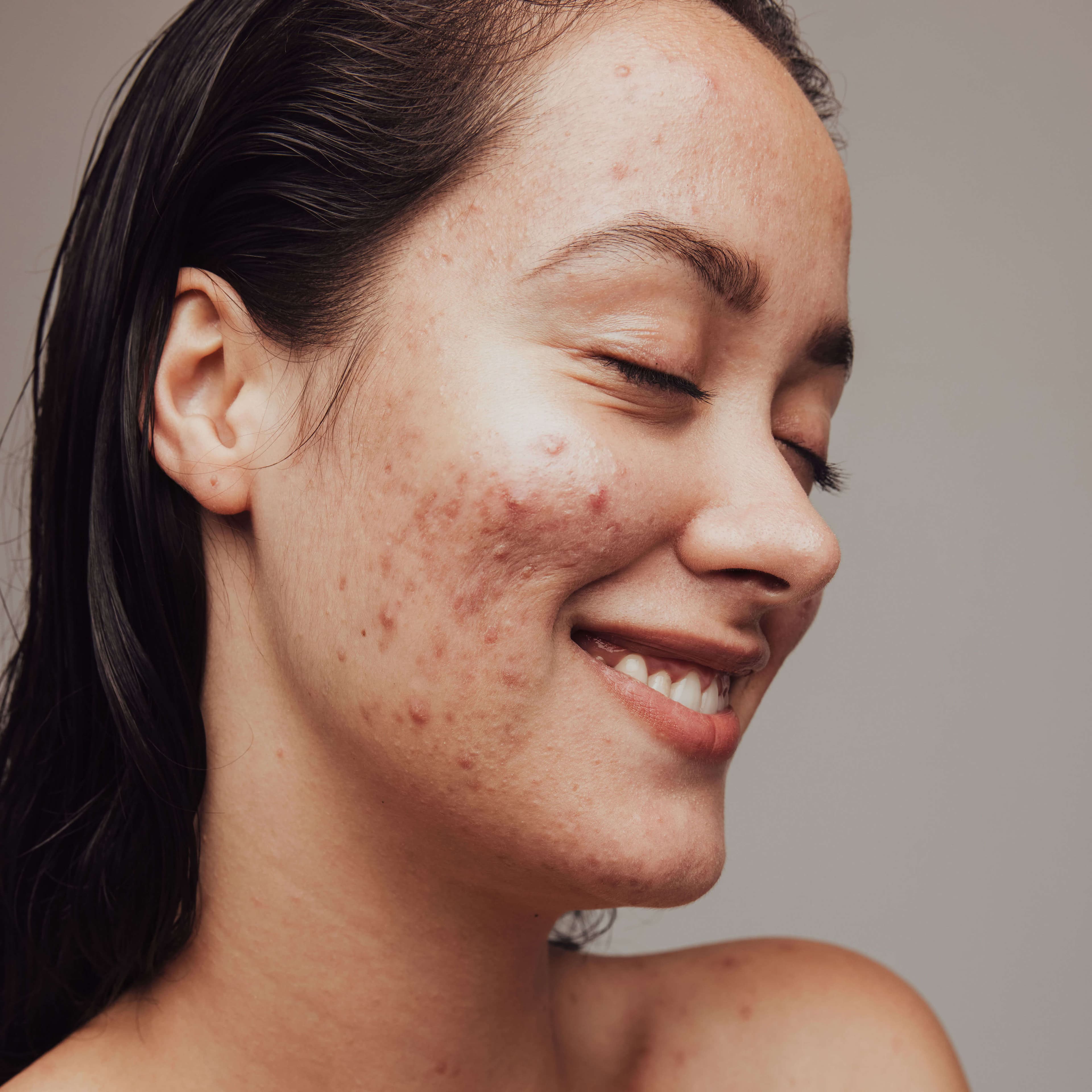
Acne and blemishes
A clear-headed guide to acne: what's actually happening in your skin, what the evidence says works, and a simple routine that doesn't make things worse.

Blackheads
Blackheads are oxidised sebum, not dirt. Here's what they actually are, why pore strips and squeezing make them worse, and the routine that genuinely clears them.
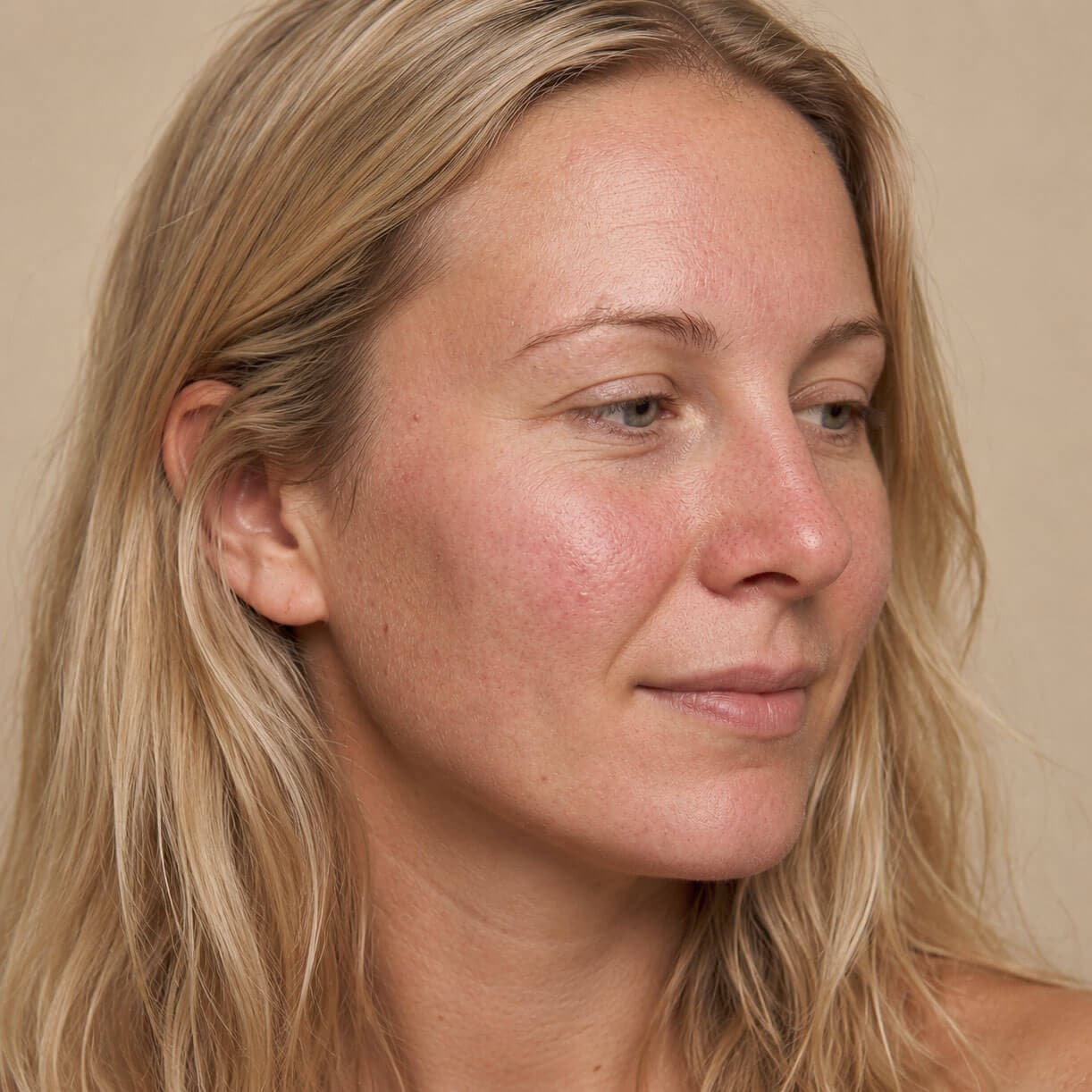
Sensitive skin
"Sensitive" is a symptom, not a diagnosis. Learn what drives reactive skin, the routine that calms it, and what to leave out.