
Kojic acid
A well-known tyrosinase inhibitor for melasma and post-inflammatory marks. Effective, but often slower than hydroquinone and more likely to irritate sensitive skin.
At a glance
What Kojic acid does for skin, and how to read the practical safety signals.
- Blocks tyrosinase, the enzyme that drives excess melanin production in dark spots and melasma.
- Works best as part of a pigmentation routine with daily SPF, not as a single-ingredient miracle fix.
- Cosmetic use is typically capped around 1%; higher concentrations raise irritation risk without always improving results.
- Type
- Active
- Rating
- Pregnancy
- Considered safe
- Comedogenic rating
- 0/5 (Won't clog pores)
- Vegan
- Yes
- Suited skin types
- Combination,Oily,Normal,Mature
On this page
The short answer
Kojic acid is a tyrosinase inhibitor. That means it slows the enzyme your skin uses to manufacture melanin, the pigment behind sun spots, melasma, and the stubborn marks left after a breakout clears. It is one of the classic brightening actives, often found alongside niacinamide, vitamin C, or alpha-arbutin in serums aimed at pigmentation.
If you have been staring at the same patch on your cheek for months and wondering whether another bottle will finally move it: kojic acid can help. It is not instant, and it is not a substitute for sunscreen. But for many people with melasma or post-inflammatory hyperpigmentation, it is a legitimate piece of the puzzle.
What the evidence actually shows
Melasma. Sarkar's 2012 study compared 4% hydroquinone with a 0.75% kojic acid cream over 12 weeks. Hydroquinone worked faster early on, but kojic acid still produced meaningful improvement by the end of treatment. The takeaway is not that kojic acid is useless. It is that kojic acid tends to be the slower, gentler cousin in the family of tyrosinase blockers.
Combination therapy. Lim's 1999 split-face trial found that adding 2% kojic acid to a gel already containing glycolic acid and hydroquinone improved melasma clearance further. More than half of patients saw more than half their melasma clear on the kojic acid side. That pattern, stacking complementary actives rather than chasing one hero ingredient, matches what I see work in real routines.
Versus standard prescription blends. Chansakulporn's 2024 split-face study compared a cosmetic cream with 5% alpha-arbutin and 2% kojic acid against triple combination cream for melasma. Pigment scores improved in both groups, but the arbutin-kojic side had fewer adverse events and lower recurrence after stopping. For readers who want brightening without jumping straight to the heaviest prescription options, that is encouraging.
Mechanism. Kojic acid is produced by certain fungi during fermentation. On skin, it chelates copper at the tyrosinase active site and slows melanin synthesis. It also has some antioxidant activity. The practical version: it dims the factory output rather than scrubbing existing pigment off the surface.
How to use it
- Concentration: look for 0.5–1% in leave-on serums or creams. That is the well-studied cosmetic range.
- When: evening is common, after cleansing and before moisturiser. Some formulas work in the morning if your skin tolerates them, but SPF is non-negotiable either way.
- Frequency: start three nights per week. If there is no stinging or redness after two weeks, move toward nightly use.
- Sunscreen: every morning, without debate. Tyrosinase inhibitors plus UV is like mopping the floor while someone keeps spilling coffee on it.
Kojic acid can destabilise in some formulas and turn colour. A slightly amber product is not automatically bad, but if it smells off or irritates more than it used to, replace it.
How to keep it comfortable
- Niacinamide works on pigment transfer, not production. The two complement each other well and niacinamide often calms the irritation kojic acid can cause.
- Retinol speeds up shedding of pigment-loaded surface cells. Alternate nights at first rather than stacking both on the same evening.
- A plain barrier moisturiser after application. Brightening routines fail when the skin barrier gets angry and inflammation creates new marks.
When kojic acid is the wrong tool
If your pigmentation is deep melasma driven by hormones, or if you have very reactive sensitive skin, kojic acid alone may irritate before it helps. Contact dermatitis is the most common side effect. Readers with rosacea often find kojic acid too stingy for daily use.
And if you are skipping SPF, no brightening active will win long term. That includes kojic acid, hydroquinone, and everything else in the category.
The practical takeaway
My goal with this guide was to gather the useful science on kojic acid in one place, so you can stop hunting for the next clever fix and do the simple, effective things your skin actually needs.
That is also why I made the Danish Skin Care Kit: a calm routine built around documented ingredients, and one that has helped more than 100,000 people with problem skin. If even the smallest question is still nagging you, send me an email at info@danishskincare.com.
Common questions
What percentage of kojic acid should I look for?
Most cosmetic formulas sit at 0.5–1%. The EU Scientific Committee on Consumer Safety considers up to 1% safe in leave-on products. Higher is not automatically better and often means more stinging.
Can I use kojic acid with retinol?
Yes, but not necessarily on the same night at first. Both can irritate. Many people alternate evenings or use kojic acid in the morning and retinol at night once the skin has settled.
Is kojic acid safe in pregnancy?
Low-concentration topical kojic acid is generally considered low risk, but pigmentation in pregnancy often has a hormonal component that needs SPF and clinician guidance. Discuss your specific situation with your doctor.
Reading a real label?
Scan a product to see how it is formulated
Upload a photo of the ingredient list and get a quick ingredient-by-ingredient read against the evidence-led database.
I recommend these products

Azelaic acid and niacinamide tackle pigmentation from different angles than kojic acid. A sensible base routine if you want to add kojic acid separately.

The Kit covers cleanser, SPF with niacinamide, retinol, and salicylic acid. Pigmentation fades faster when the foundation is consistent.

Salicylic acid helps clear congestion that feeds post-inflammatory marks, the dark spots kojic acid is often bought to fade.
Skin conditions it actively helps with
Where the published evidence puts Kojic acid on the short list of active ingredients worth reaching for.
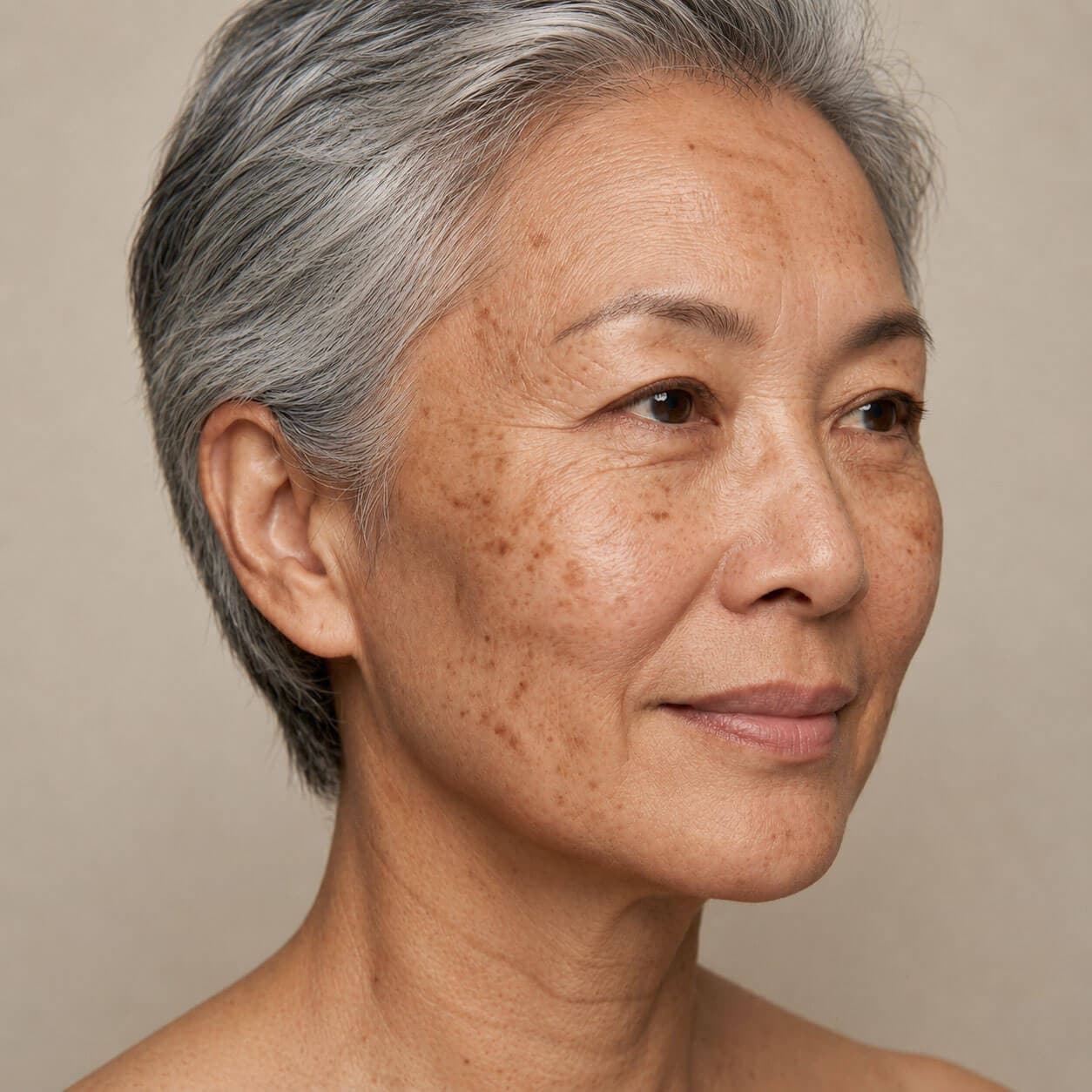
Pigmentation
Pigmentation is one of the most-asked-about, most-misunderstood skin concerns. Here's what's happening in your skin and the slow, evidence-led routine that actually fades it.
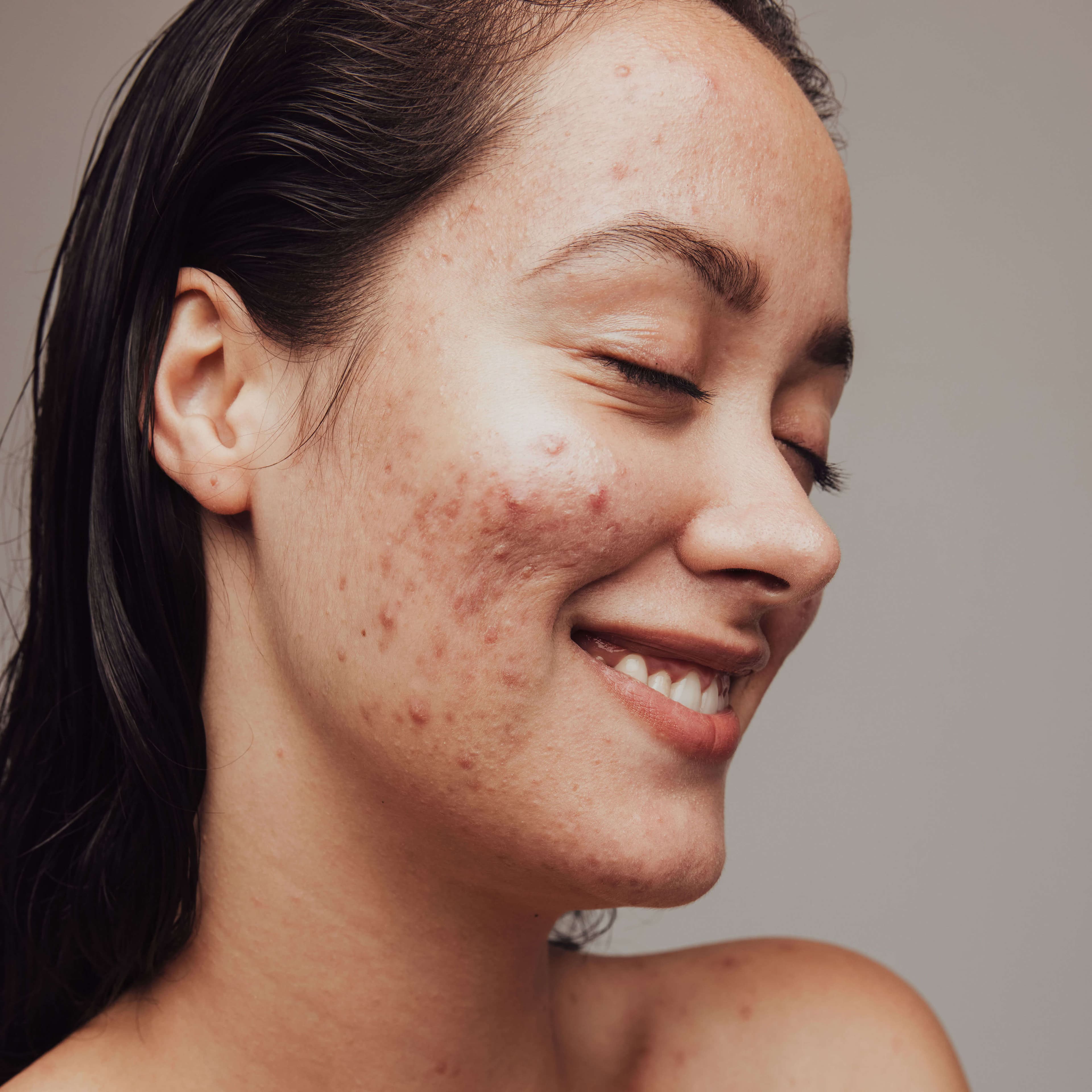
Acne and blemishes
A clear-headed guide to acne: what's actually happening in your skin, what the evidence says works, and a simple routine that doesn't make things worse.
Related ingredients
Citations
- Sarkar R, et al. A comparative study of the efficacy of 4% hydroquinone vs 0.75% kojic acid cream in the treatment of facial melasma. Indian J Dermatol. 2012;57(5):393. — PMID 23716817
- Lim JT. Treatment of melasma using kojic acid in a gel containing hydroquinone and glycolic acid. Dermatol Surg. 1999;25(4):282–4. — PMID 10417583
- Chansakulporn S, et al. The efficacy of topical cosmetic containing alpha-arbutin 5% and kojic acid 2% compared with triple combination cream for the treatment of melasma. J Cosmet Dermatol. 2024. — PMID 39555866