
Why do I get pimples around my mouth?
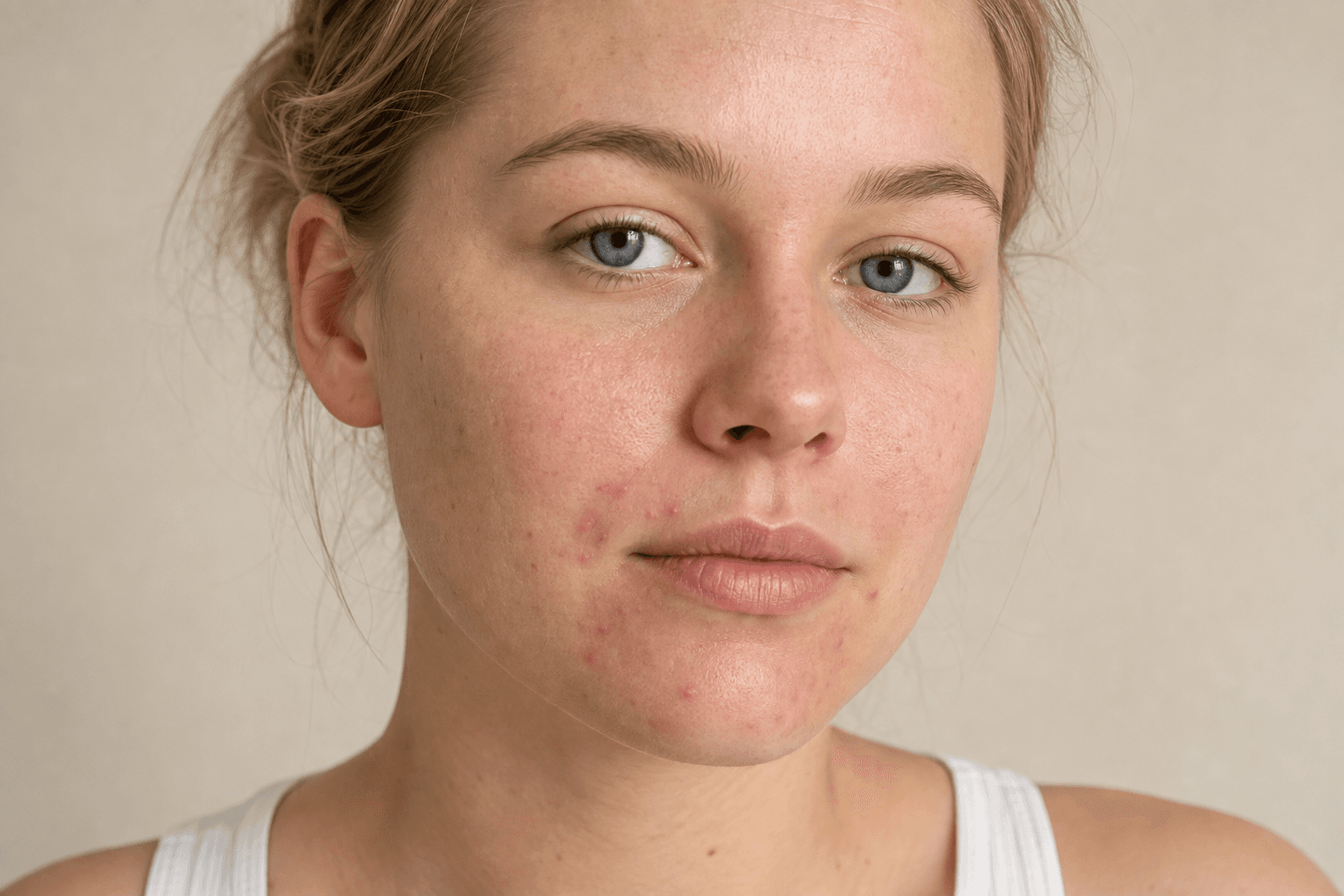
Mouth-area pimples can be acne, product-triggered clogged pores, mask friction, or perioral dermatitis. The pattern tells you how gentle the fix should be.
On this page
When I had acne, the pimples around my mouth were the ones I negotiated with the most.
Cheek pimples were visible. Forehead bumps were annoying. But a spot at the corner of the mouth had its own personality. You feel it when you smile, talk, eat, shave, apply lip balm, brush your teeth, and then - because we are human - check it in the mirror seven times.
After helping more than 100,000 people with problem skin, I have learned that mouth-area breakouts need a calmer first question: is this acne, or is the skin around the mouth irritated in a different way?
The short answer
Pimples around the mouth usually come from one of four patterns:
- Normal acne around the chin and lower face.
- Product-triggered clogged pores from lip balm, makeup, SPF, or heavy creams.
- Friction and occlusion from masks, shaving, scarves, or touching the face.
- Perioral dermatitis, which can look acne-like but needs a different approach.
Acne forms in the pilosebaceous unit - the hair follicle and oil gland - where sebum, sticky dead skin cells, Cutibacterium acnes, and inflammation can all contribute[1]. Around the mouth, that basic acne process meets toothpaste residue, lip products, masks, shaving, and a lot of face movement.
So the answer is not "wash harder." Please do not punish your mouth area. It already has enough drama from lunch.
First, rule out perioral dermatitis
This is the important fork in the road.
Perioral dermatitis is an acne-like rash around the mouth, nose, or eyes. A 2014 review describes it as a common acneiform facial eruption and notes that topical corticosteroid use on the face often comes before it; steroid creams can calm it briefly, then rebound when stopped[2].
Clues that mouth bumps may be perioral dermatitis:
- many tiny bumps rather than mixed acne lesions
- burning, stinging, tightness, or scaling
- redness around the mouth, nostrils, or sometimes eyes
- a clear rim of normal skin right next to the lip
- recent use of steroid cream, nasal steroid spray, heavy balms, or many new products
- acne treatments make the area angrier
If that sounds like your skin, do not escalate acids, retinoids, or benzoyl peroxide. Read the perioral dermatitis guide and get medical help if it persists. Treating perioral dermatitis like stubborn acne is one of skincare's most reliable ways to make a small problem loud.
If it is acne, look at what touches the area
Mouth-area acne often has an outside helper.
Lip balm, makeup, SPF, and heavy creams
If bumps sit exactly where lip balm spreads beyond the lip line, where concealer gathers, or where a heavy night cream sits on the lower face, think about acne cosmetica.
Kligman and Mills described acne cosmetica in 1972 as acne linked to cosmetic exposure[3]. That does not make cosmetics bad. It means a formula can be perfectly nice on one face and too cloggy or irritating for another person's mouth area.
Try this for two weeks:
- keep lip balm on the lips, not the surrounding skin
- avoid fragranced lip products if the area is reactive
- remove makeup and SPF gently every evening
- pause the newest lower-face product first
- do not change five products at once
One suspect at a time. Your skin cannot answer a questionnaire with six new variables.
Masks, scarves, shaving, and face touching
The area around the mouth also gets friction.
Classic acne mechanica literature describes acne triggered by pressure, friction, heat, and occlusion[4]. Around the mouth, that can mean masks, helmet straps, winter scarves, shaving friction, or the hand-under-chin work pose that somehow feels productive.
Helpful changes:
- wash reusable masks and scarves often
- change disposable masks when damp
- shave with less pressure and fewer passes
- rinse toothpaste from the corners of the mouth and chin
- stop resting the chin in your hand while working
You do not need a sterile life. You need fewer repeated irritations in the same square centimetre.
A calm routine for mouth-area acne
If the pattern looks like true acne - blackheads, whiteheads, closed comedones, and normal inflamed pimples - keep the routine steady for 8 to 12 weeks.
Morning
Cleanse gently if you wake up oily. If the area is dry or reactive, rinse with lukewarm water instead.
Use a light moisturiser if needed, then sunscreen. This matters if mouth-area pimples leave red or brown marks, because UV exposure can make pigmentation linger.
Evening
Cleanse once, properly and gently. Remove makeup or water-resistant SPF without scrubbing the corners of the mouth.
If your skin tolerates it, use a 2% salicylic acid leave-on product a few nights per week. A clinical study of salicylic acid pads found improvement in acne lesions[5], and the practical reason is simple: salicylic acid can help inside oily, clogged follicles.
On the other nights, moisturise and leave the area alone. If the skin burns, flakes, or becomes rashy, stop and reassess. Irritation is feedback, not a challenge.
When to get help
The 2016 acne guidelines[6] include prescription options when over-the-counter care is not enough, including topical retinoids, benzoyl peroxide combinations, oral antibiotics in specific cases, hormonal options for some patients, and isotretinoin for severe acne.
See a dermatologist sooner if mouth-area breakouts:
- scar or become deep and painful
- spread quickly
- burn, scale, or look rash-like
- started after steroid cream use
- cluster around the nostrils or eyes
- do not improve after 8 to 12 weeks of consistent acne care
- make you anxious enough that you keep checking all day
Getting the diagnosis right is not overthinking. It is the shortest route to less irritated skin.
My final advice
If you keep getting pimples around your mouth, do not answer with a louder routine.
First decide which pattern you are dealing with: acne, product residue, friction, shaving irritation, or perioral dermatitis. Then make one calm change at a time.
The mouth area is easy to over-treat because you notice it every time you move your face. Give it fewer surprises. That is boring advice, which is often the kind skin likes best.
People also ask
Why do I keep getting pimples around my mouth?
Common reasons include acne-prone follicles, heavy lip or makeup products, toothpaste residue, mask friction, shaving irritation, touching the face, or perioral dermatitis.
How do I know if mouth bumps are acne or perioral dermatitis?
Acne usually includes blackheads, whiteheads, and mixed pimples. Perioral dermatitis often looks like tiny clustered bumps with burning, scale, sensitivity, and a pattern around the mouth, nose, or eyes.
Can lip balm cause pimples around the mouth?
Heavy or fragranced lip products can clog or irritate acne-prone skin around the lip border in some people. Keep balm on the lips, not the surrounding skin, and test one product at a time.
Should I use salicylic acid around my mouth?
Use it only if the pattern looks like acne and your skin tolerates it. Avoid salicylic acid during suspected perioral dermatitis, burning, scaling, or steroid-related flares.
The mouth-area acne routine I would keep boring
If the bumps around your mouth are acne - clogged pores, whiteheads, blackheads, or normal inflamed pimples - I would keep the routine simple enough to repeat. The Danish Skin Care Kit gives you gentle cleansing, salicylic acid for clogged pores, moisturiser, and SPF. If the pattern looks like perioral dermatitis, pause the acne actives and get the diagnosis checked instead.

A simple acne-focused base for mouth-area breakouts: gentle cleansing, a tolerated salicylic acid step, moisturising support, and daily SPF for marks.
Full transparency: Danish Skin Care is my own company — I formulated these products and earn from every sale. That's exactly why I only recommend them where they genuinely fit the guide you just read.
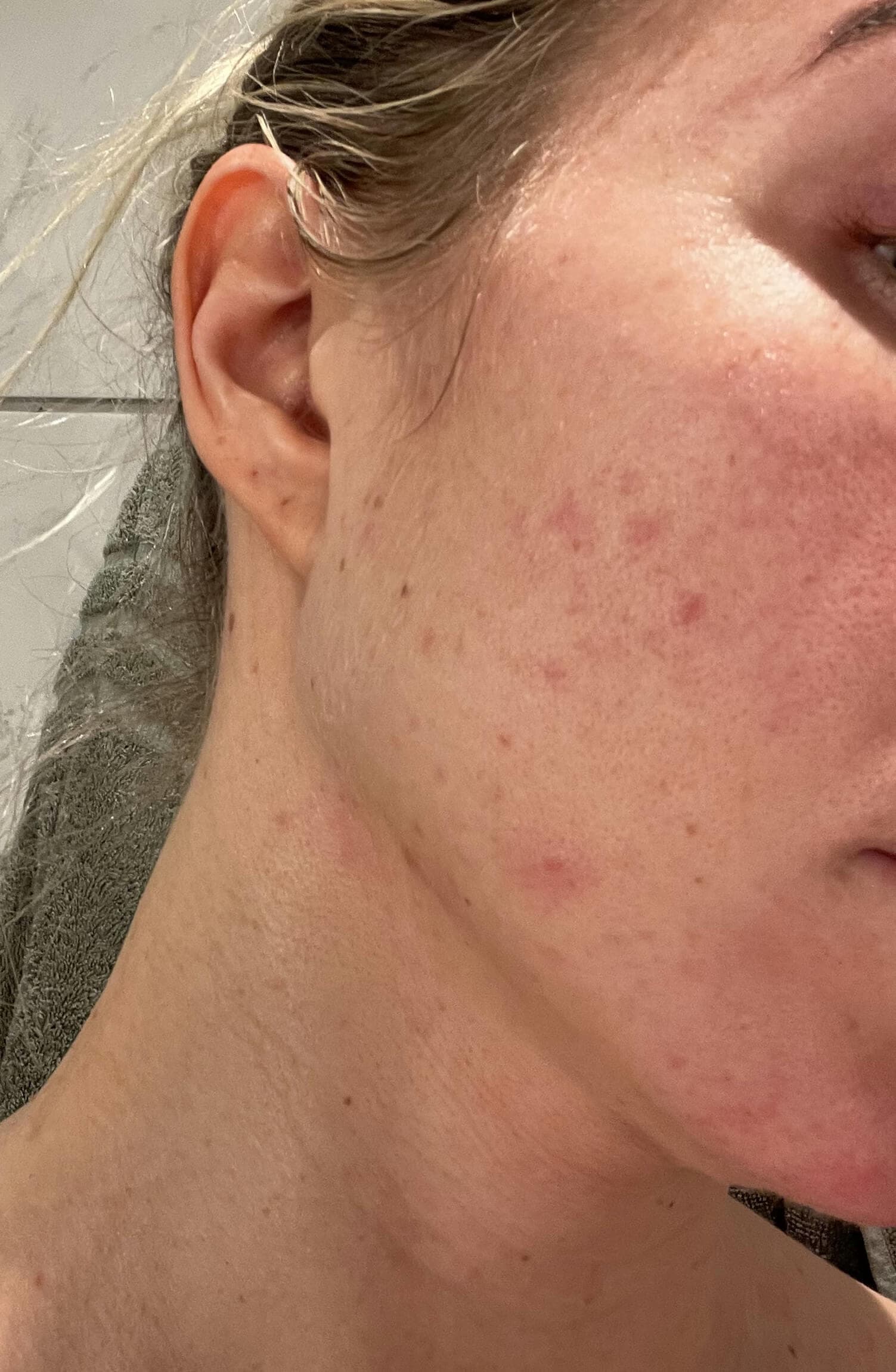
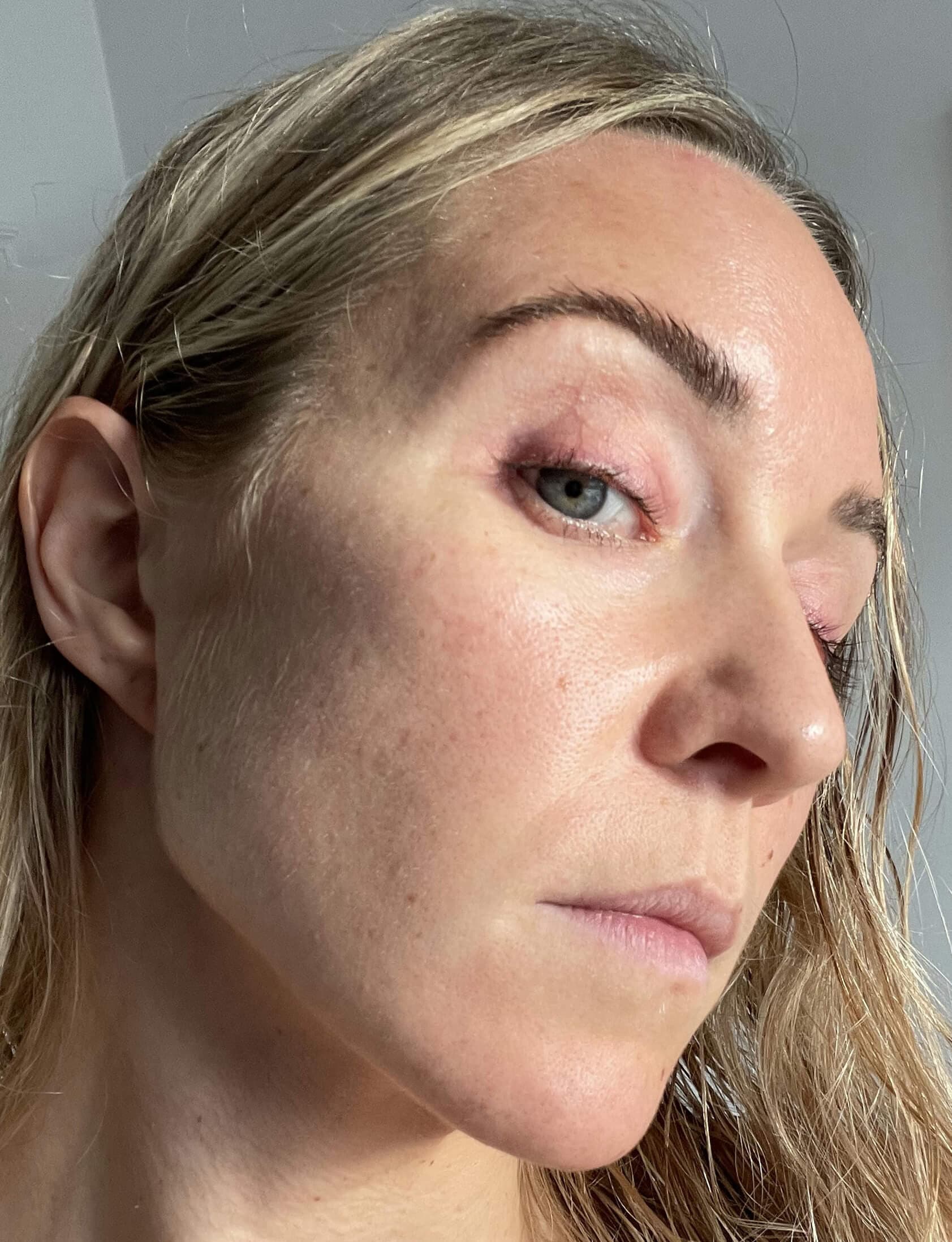
Real results from simple routines
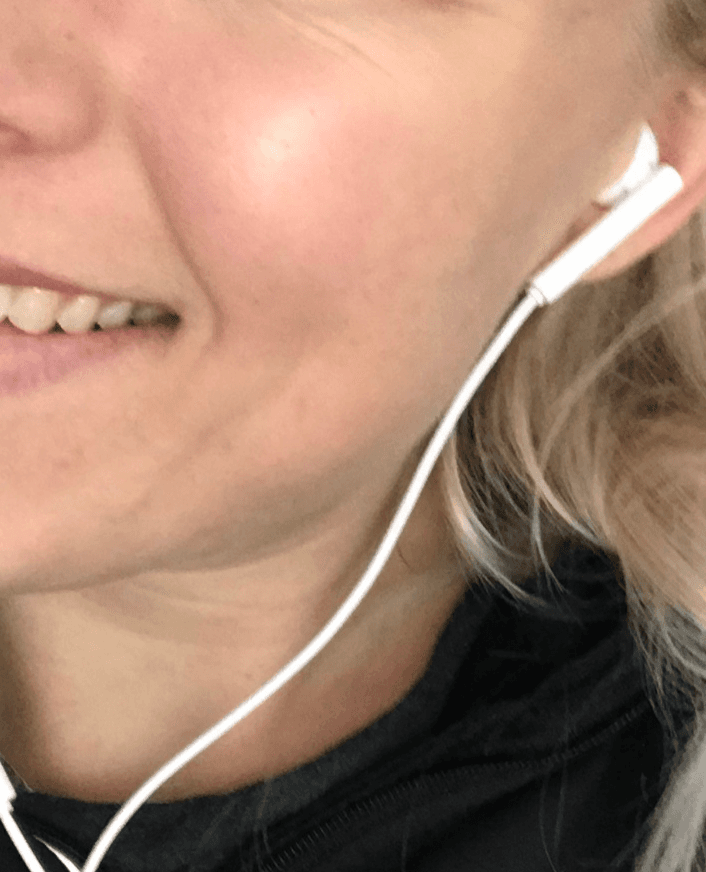
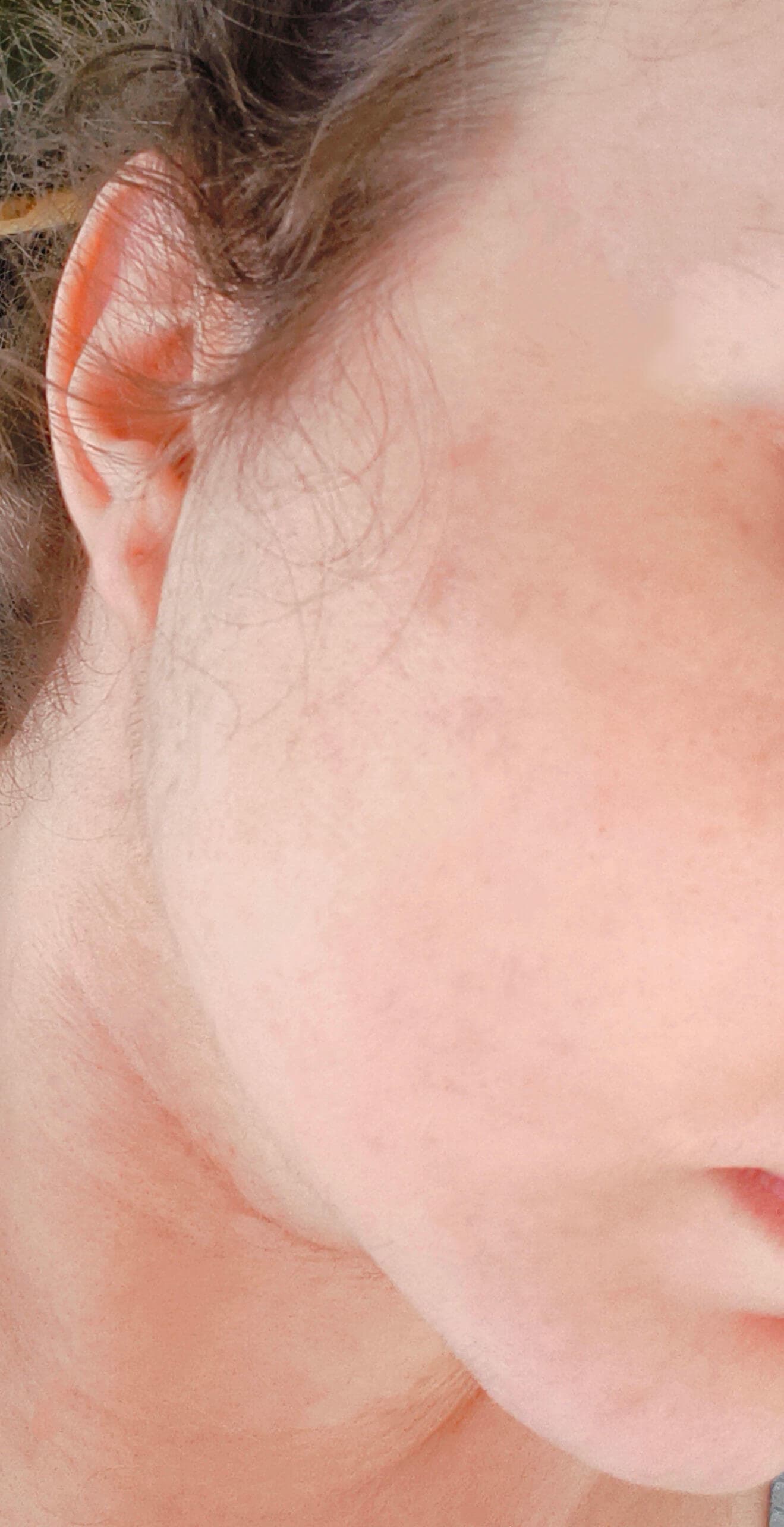
A few real before-and-after cases from people using Danish Skin Care for skin concerns related to this guide. No filters, no miracle promise. Consistent skincare over time.
 Before
 After
After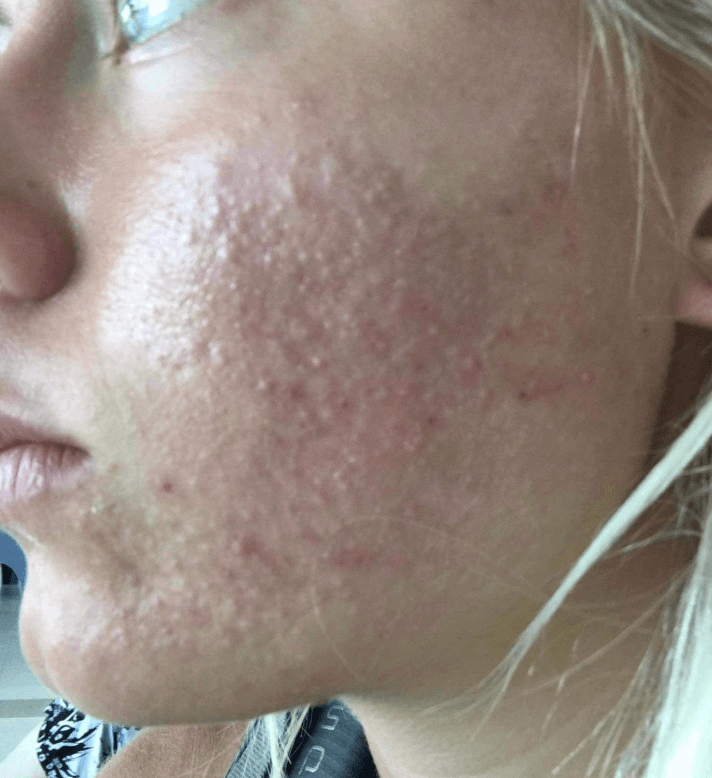 Before
 After
After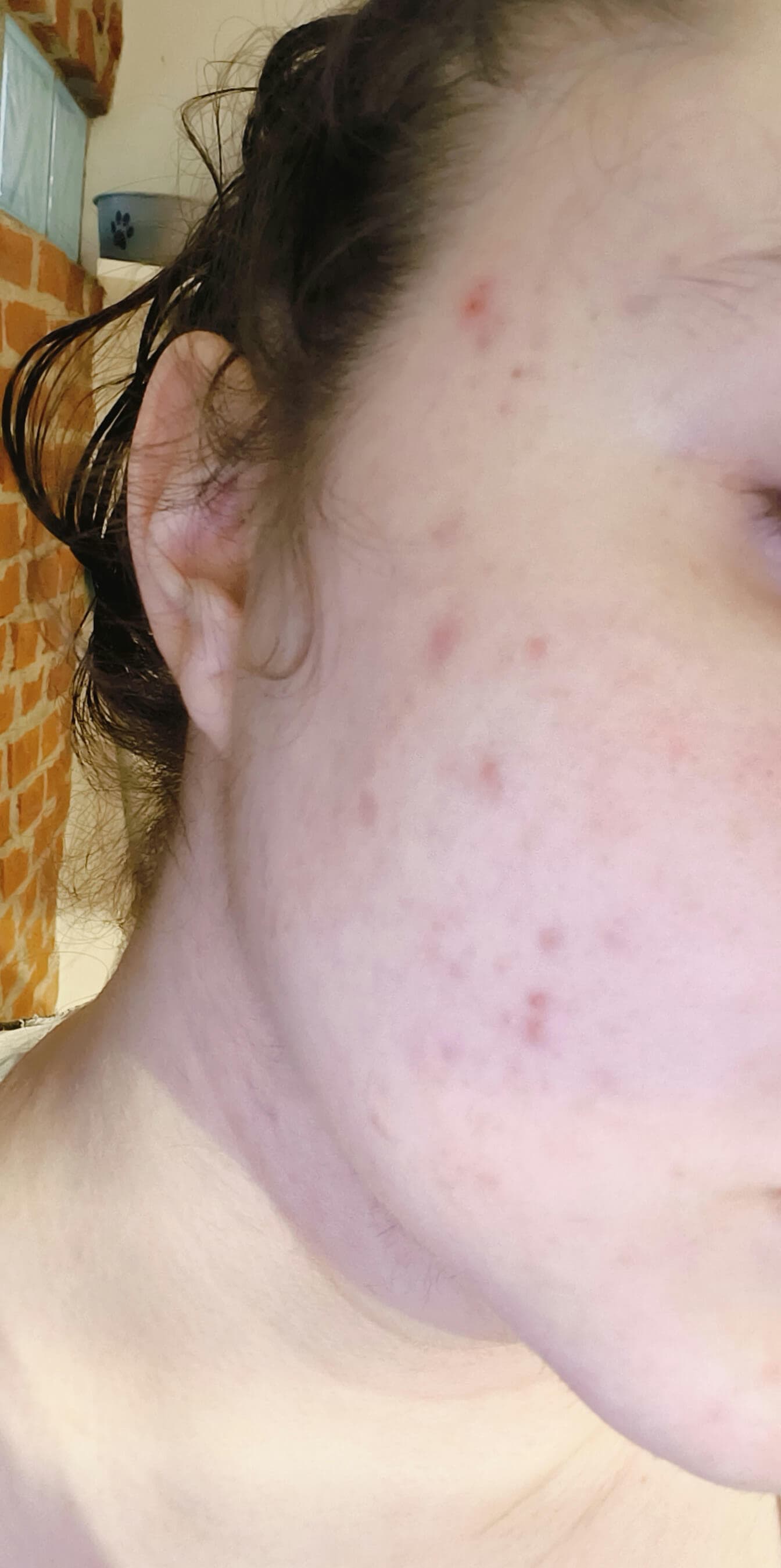 Before
 After
AfterKeep reading
- Ingredient · salicylic acid
- Ingredient · niacinamide
- Ingredient · benzoyl peroxide
- Ingredient · decyl glucoside
- Ingredient · dimethicone
- Condition · acne and blemishes
- Condition · perioral dermatitis
- Condition · sensitive skin
- Read · how to get rid of chin acne
- Read · rosacea vs perioral dermatitis
- Read · why does makeup break me out
- Read · how to stop breakouts after shaving
- Read · how to wash your face with acne
- Read · best skincare routine for clogged pores
Citations
- Williams HC, Dellavalle RP, Garner S. Acne vulgaris. Lancet. 2012;379(9813):361-372.PMID 21880356
- Tempark T, Shwayder TA. Perioral dermatitis: a review of the condition with special attention to treatment options. Am J Clin Dermatol. 2014;15(2):101-113.PMID 24623018
- Kligman AM, Mills OH Jr. Acne cosmetica. Arch Dermatol. 1972;106(6):843-850.PMID 4264346
- Mills OH Jr, Kligman AM. Acne mechanica. Arch Dermatol. 1975;111(4):481-483.PMID 123732
- Zander E, Weisman S. Treatment of acne vulgaris with salicylic acid pads. Clin Ther. 1992;14(2):247-253.PMID 1535349
- Zaenglein AL, et al. Guidelines of care for the management of acne vulgaris. J Am Acad Dermatol. 2016;74(5):945-973.e33.PMID 26897386