
Rosacea vs perioral dermatitis: how to tell the difference
Rosacea and perioral dermatitis can both cause red bumps and sensitive facial skin. The clues are distribution, triggers, blackheads, steroid history, and when symptoms need medical care.
On this page
Facial bumps are already annoying.
Facial bumps with two possible names are worse.
When I struggled with acne, I wanted every bump to come with a label. Blackhead. Whitehead. Pimple. Fine. At least then I knew which shelf in my brain to put it on.
Rosacea and perioral dermatitis are not always that tidy. They can both look red, bumpy, sensitive, and unfairly confident.
The short answer
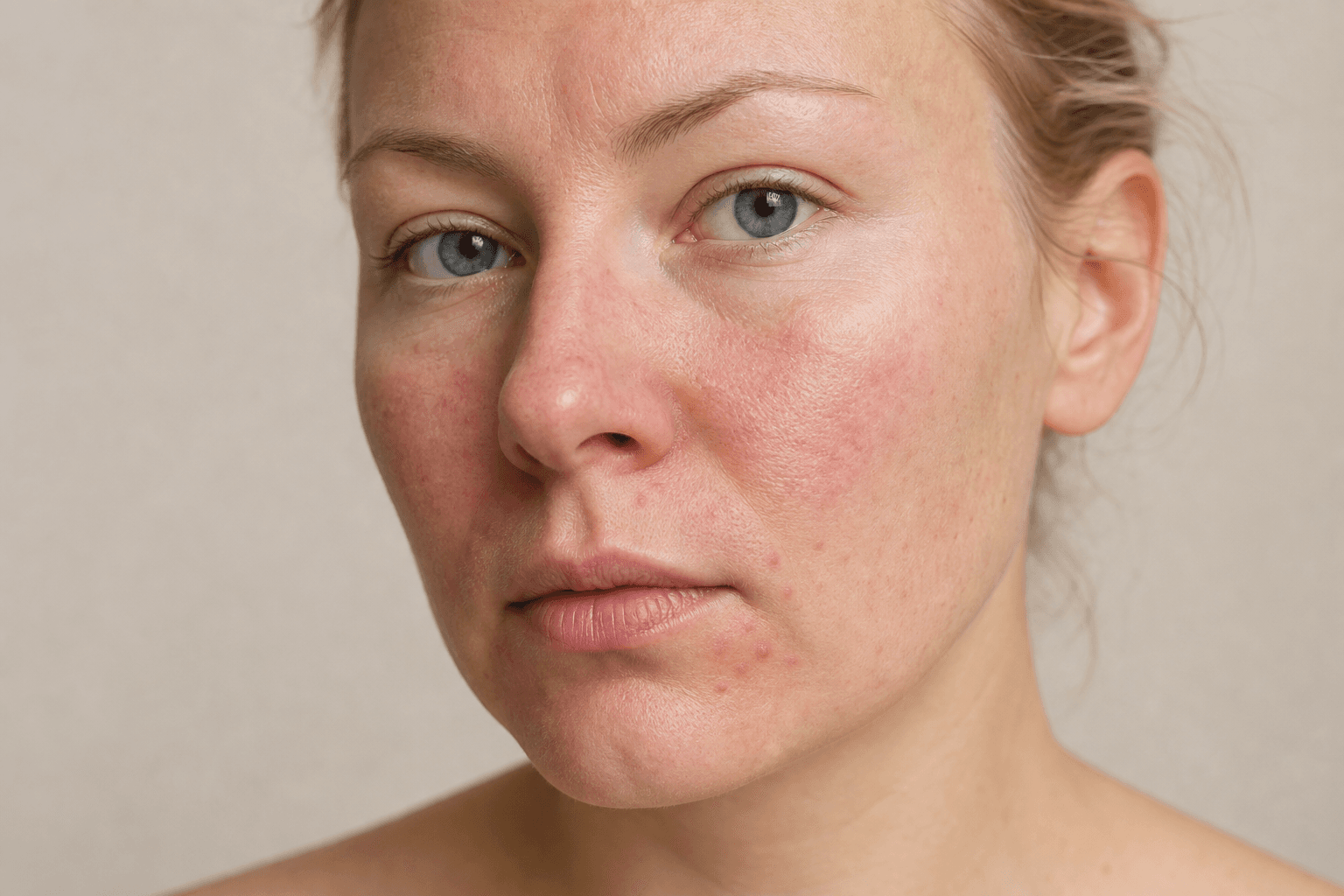
Rosacea often affects the central face - cheeks, nose, chin, and forehead - and may involve flushing, persistent redness, visible vessels, burning, stinging, bumps, pustules, or eye symptoms.
The AAD lists rosacea signs including flushing, persistent redness, visible blood vessels, acne-like breakouts, thickening skin, and eye symptoms[2].
Perioral dermatitis usually clusters around the mouth and can also affect skin around the nose or eyes. StatPearls describes it as inflammatory papules and pustules or pink scaly patches around the mouth, with possible periocular and paranasal involvement[1].
You can use clues. You cannot diagnose yourself perfectly from a mirror and a search result at midnight.
Quick comparison
Rosacea clues
Rosacea is more likely when you notice:
- flushing from heat, alcohol, spicy food, sun, stress, or exercise
- persistent cheek or nose redness
- visible vessels
- burning or stinging
- acne-like bumps without many blackheads
- eye dryness, grittiness, or irritation
- thickening skin, especially around the nose
Read the full rosacea symptoms guide if flushing and central redness are part of your pattern.
Perioral dermatitis clues
Perioral dermatitis is more likely when you notice:
- small bumps around the mouth
- bumps around the nose folds or eyes
- a clear-ish border near the lip edge
- dryness, scaling, or tightness around the rash
- a history of topical steroid use on the face
- worsening after rich creams, heavy occlusion, or irritating products
DermNet notes that periorificial dermatitis can affect facial areas around the mouth, nose, and eyes, and lists rosacea, acne, seborrheic dermatitis, and contact dermatitis among differential diagnoses[3].
That differential list is the polite medical way of saying: several things can look irritatingly similar.
The blackhead clue
Blackheads and whiteheads matter.
Acne usually includes comedones. Rosacea and perioral dermatitis can both create acne-like red bumps, but classic clogged pores point more toward acne.
This is one reason rosacea acne gets confusing. People see bumps and assume acne. Then they attack the skin with strong acne products. The skin becomes angrier. The bumps stay.
Not every bump wants the same treatment.
Be careful with steroid cream
This part matters.
Topical corticosteroids can trigger or worsen perioral dermatitis-like eruptions. StatPearls describes a strong association between perioral dermatitis and topical corticosteroid use, especially on the face[1].
So please do not keep applying steroid cream to facial bumps because it calmed them for two days.
That pattern can be a trap: better, then worse, then more cream, then worse again.
If a clinician prescribed it for a specific diagnosis, follow their guidance. If you are guessing from the medicine cabinet, stop guessing and ask for help.
What to do while you are unsure
Keep the routine quiet.
For the next couple of weeks, avoid:
- scrubs
- harsh exfoliating acids
- fragrance-heavy products
- heavy balm layering around the rash
- new retinoids
- multiple new serums
- steroid cream unless prescribed for this exact situation
Use:
- gentle cleanser
- light moisturiser if needed
- daily sunscreen you tolerate
- lukewarm water
- no picking
If the skin is burning or hot, the rosacea flare reset guide is a safer starting point than adding more treatment.
When to see a dermatologist
Get medical help if:
- the rash persists or spreads
- bumps are painful
- eye symptoms appear
- redness keeps worsening
- you have used steroid cream on the face
- you are not sure whether it is acne, rosacea, dermatitis, or allergy
Good diagnosis saves time. It also saves your skin from the classic internet routine: three actives, one panic purchase, and a face that now hates water.
The practical takeaway
Rosacea and perioral dermatitis can overlap in appearance, but the clues differ.
Look at location, flushing, visible vessels, blackheads, steroid history, and triggers. Then keep skincare boring while you get clarity.
Boring is underrated. Especially when your face is already making enough drama.
People also ask
Can rosacea look like perioral dermatitis?
Yes. Both can cause red bumps and sensitive facial skin. Distribution, flushing, visible vessels, steroid history, and absence or presence of comedones help narrow the possibilities.
Does perioral dermatitis have blackheads?
Usually no. Comedones point more toward acne. Rosacea and perioral dermatitis can both have acne-like bumps without classic blackheads.
Can steroid cream make perioral dermatitis worse?
Yes. Facial topical steroid use is strongly associated with perioral dermatitis and can create a rebound pattern. Ask a clinician before using steroid cream on facial bumps.
Should I treat rosacea and perioral dermatitis the same way?
No. Gentle skincare overlaps, but diagnosis and medical treatment can differ. Persistent or spreading symptoms deserve dermatologist care.
The routine I would keep while figuring out the diagnosis
When facial bumps might be rosacea or perioral dermatitis, the worst move is usually panic-layering. The Danish Skin Care Kit gives you the calm base I prefer after helping more than 100,000 people with problem skin: cleanse gently, support the barrier, protect during the day, and leave diagnosis and prescription decisions to a clinician when symptoms persist.

A simple, low-irritation base while you get clarity: gentle cleansing, moisturising, and SPF without adding five new variables.
Full transparency: Danish Skin Care is my own company — I formulated these products and earn from every sale. That's exactly why I only recommend them where they genuinely fit the guide you just read.
Real results from simple routines
A few real before-and-after cases from people using Danish Skin Care for skin concerns related to this guide. No filters, no miracle promise. Consistent skincare over time.
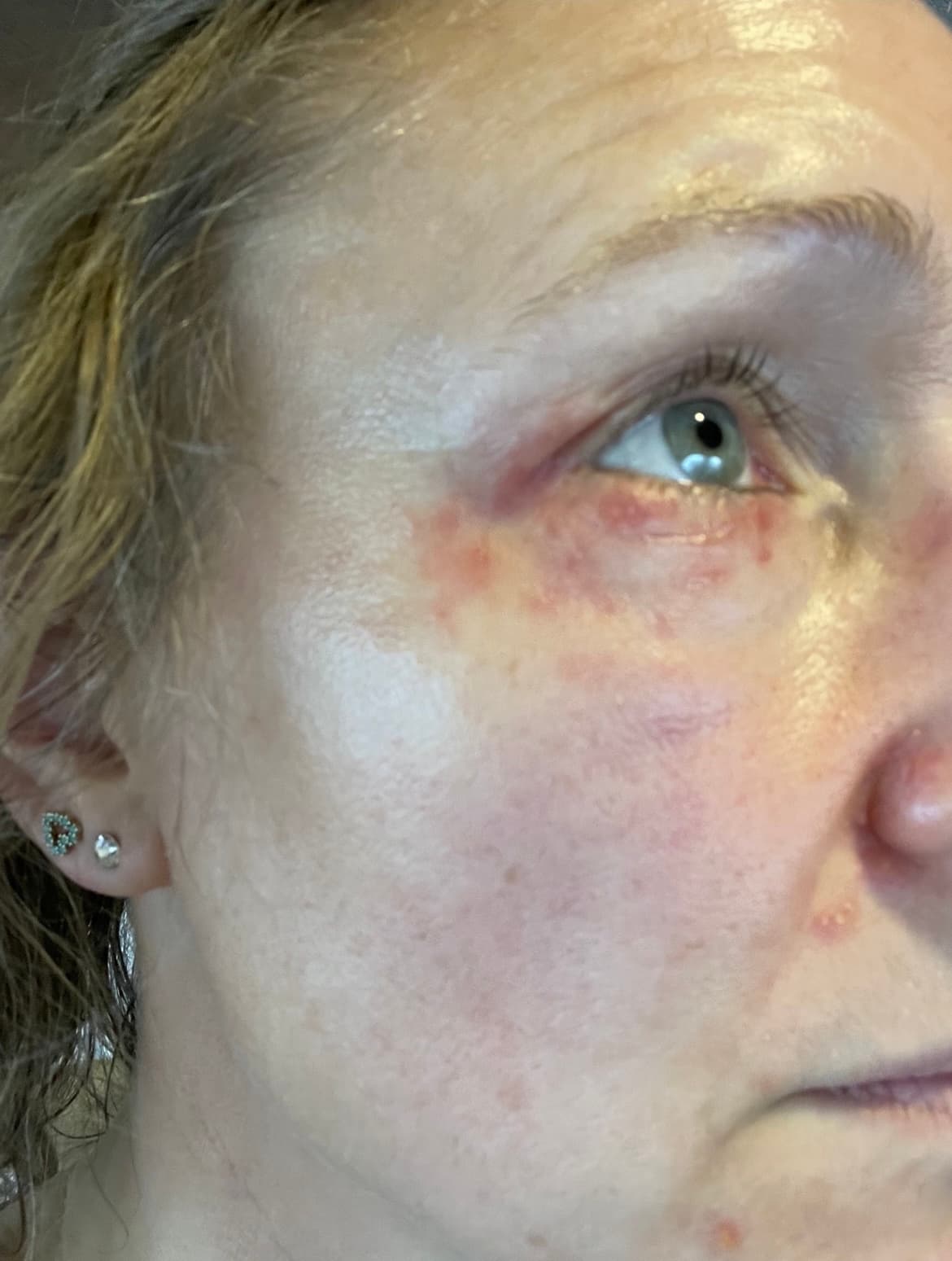 Before
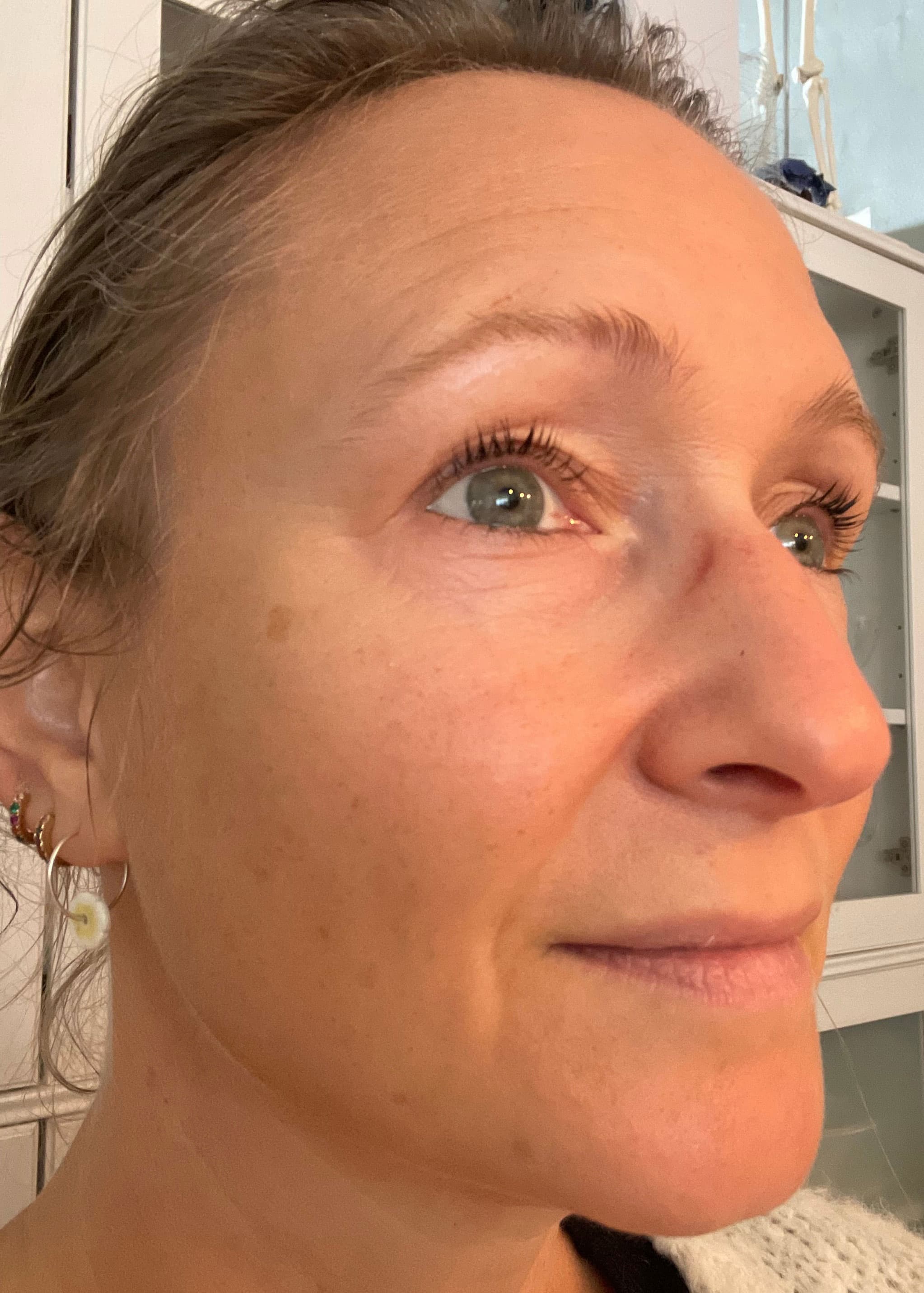 After
After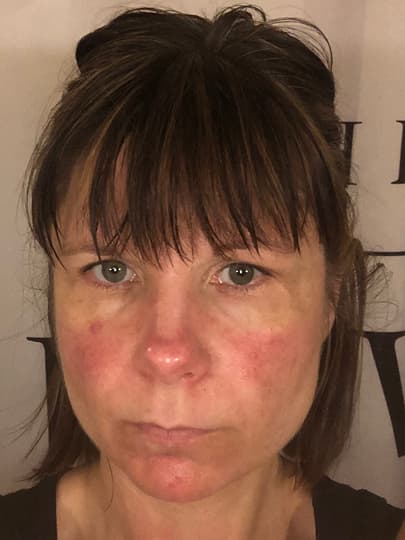 Before
 After
After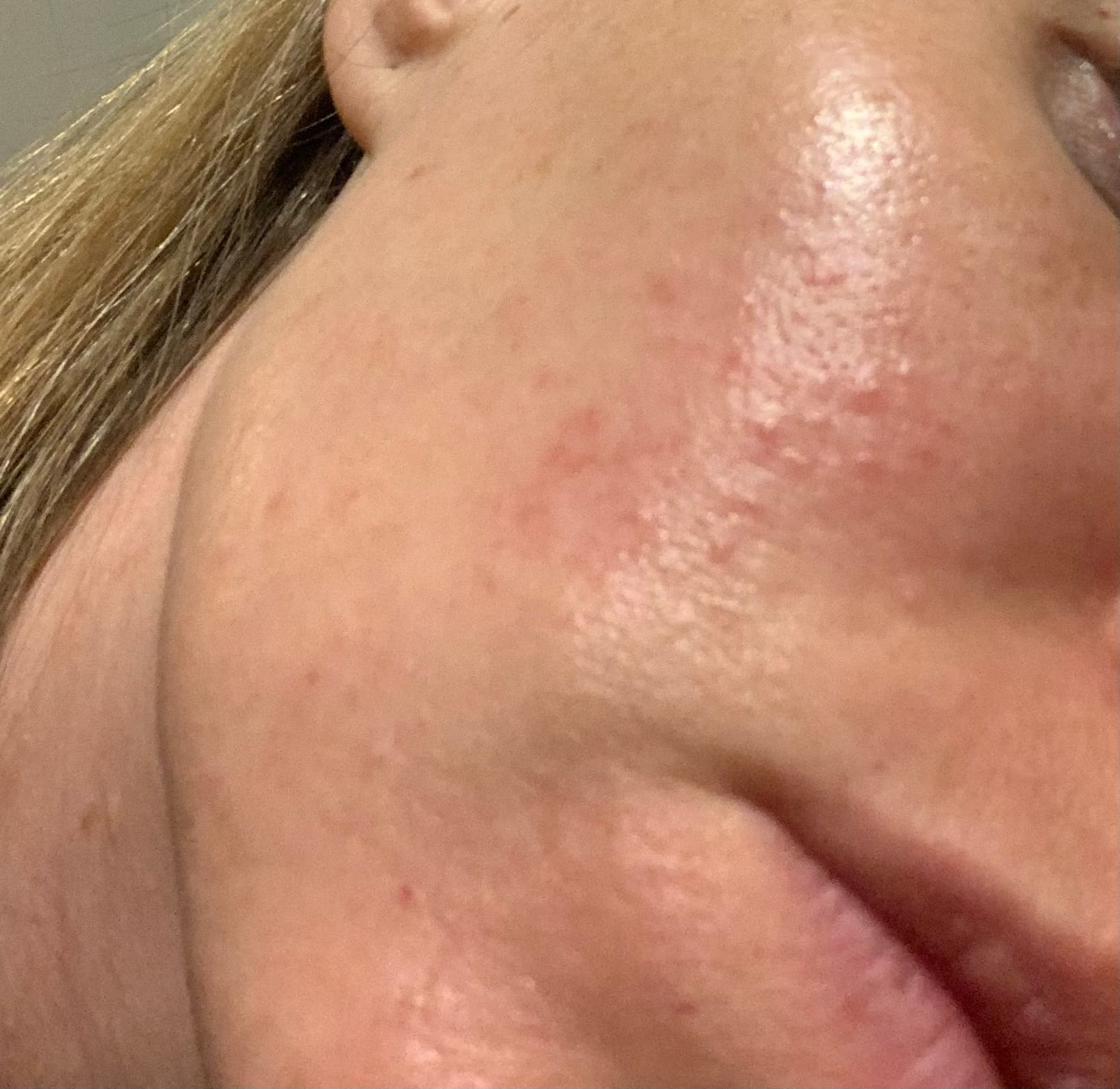 Before
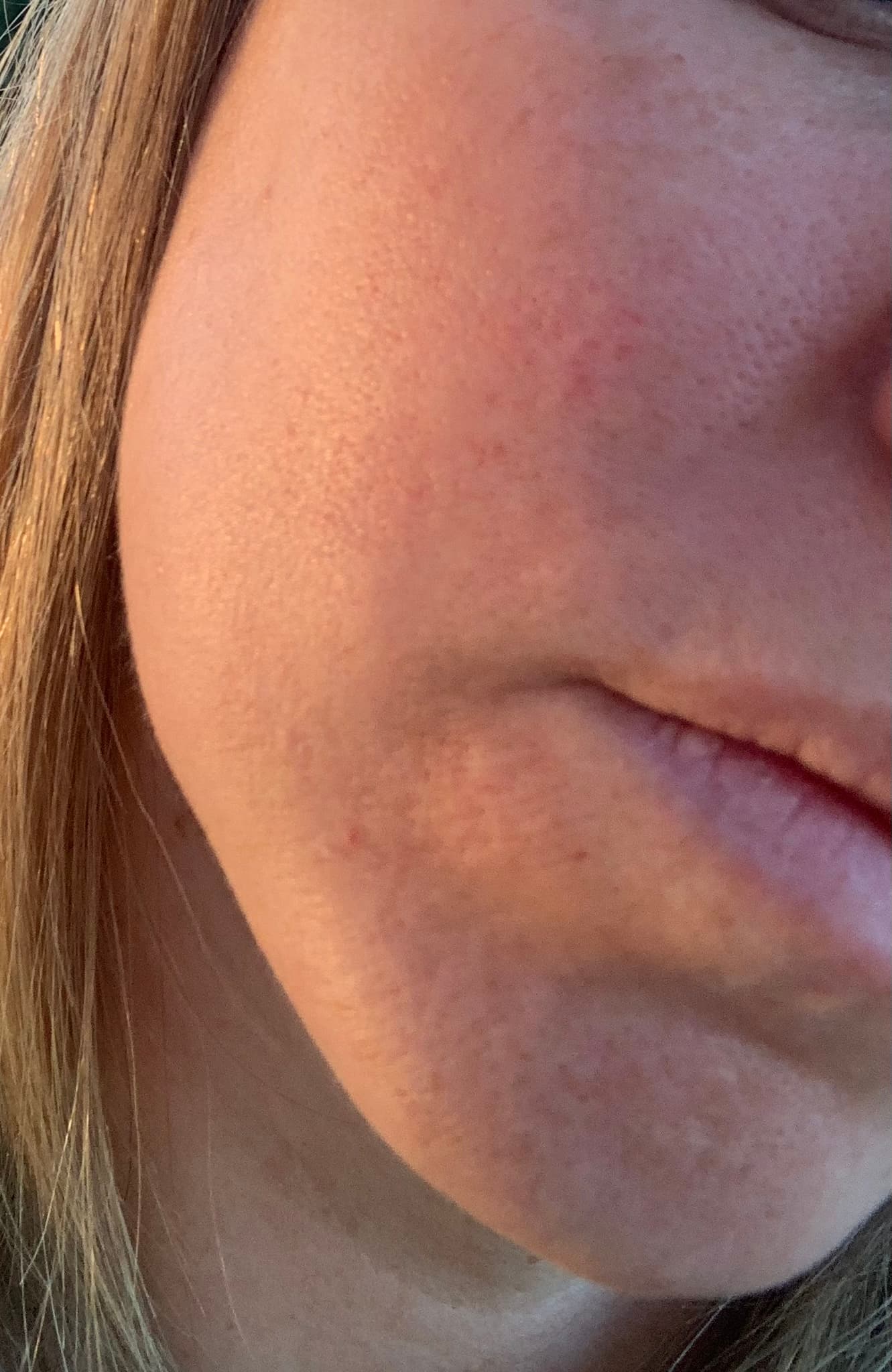 After
AfterKeep reading
- Ingredient · azelaic acid
- Ingredient · niacinamide
- Ingredient · sodium hyaluronate
- Ingredient · allantoin
- Ingredient · panthenol
- Condition · rosacea
- Condition · perioral dermatitis
- Condition · acne and blemishes
- Condition · sensitive skin
- Read · rosacea acne
- Read · rosacea symptoms
- Read · how to calm rosacea flare
- Read · best ingredients for rosacea
- Read · niacinamide for rosacea
Citations