
How to get rid of keratosis pilaris without scrubbing your skin raw
Keratosis pilaris is stubborn, harmless, and very easy to irritate. Here is the calm routine that softens bumpy arms, legs, and body skin without turning exfoliation into a hobby.
On this page
Keratosis pilaris has a talent for making perfectly healthy skin feel like a problem you should be able to polish away.
Tiny bumps on the backs of the arms. Rough patches on thighs. Red dots that look louder in bathroom lighting. Skin that feels like sandpaper even when you have not done anything wrong.
When I struggled with acne and irritated skin, I learned how quickly frustration turns into force. You scrub harder. You try stronger products. You stand in the shower with the determination of someone restoring old furniture.
KP does not reward that.
After helping more than 100,000 people with problem skin, I have seen the same pattern with bumpy body texture again and again: the skin usually improves when the routine becomes gentler, more consistent, and less dramatic.
The short answer
To get rid of keratosis pilaris, think softening, not sanding.
Keratosis pilaris happens when keratin - a normal skin protein - builds up inside hair follicles and forms tiny rough plugs. A 2008 clinical overview[1] describes KP as a common follicular hyperkeratosis that most often affects the upper arms, upper legs, and buttocks.
The routine is simple:
- Keep showers lukewarm and brief.
- Apply moisturiser to damp skin every day.
- Choose ingredients that soften rough plugs: urea, lactic acid, salicylic acid, or glycolic acid when tolerated.
- Avoid scrubs, rough mitts, picking, and hot water.
- Give the routine 8 to 12 weeks before judging it.
That timeline matters. KP texture changes slowly because you are not removing dirt from the surface. You are changing how stubborn keratin behaves inside tiny follicles.
Very glamorous. Very microscopic. Very annoying.
What keratosis pilaris looks and feels like
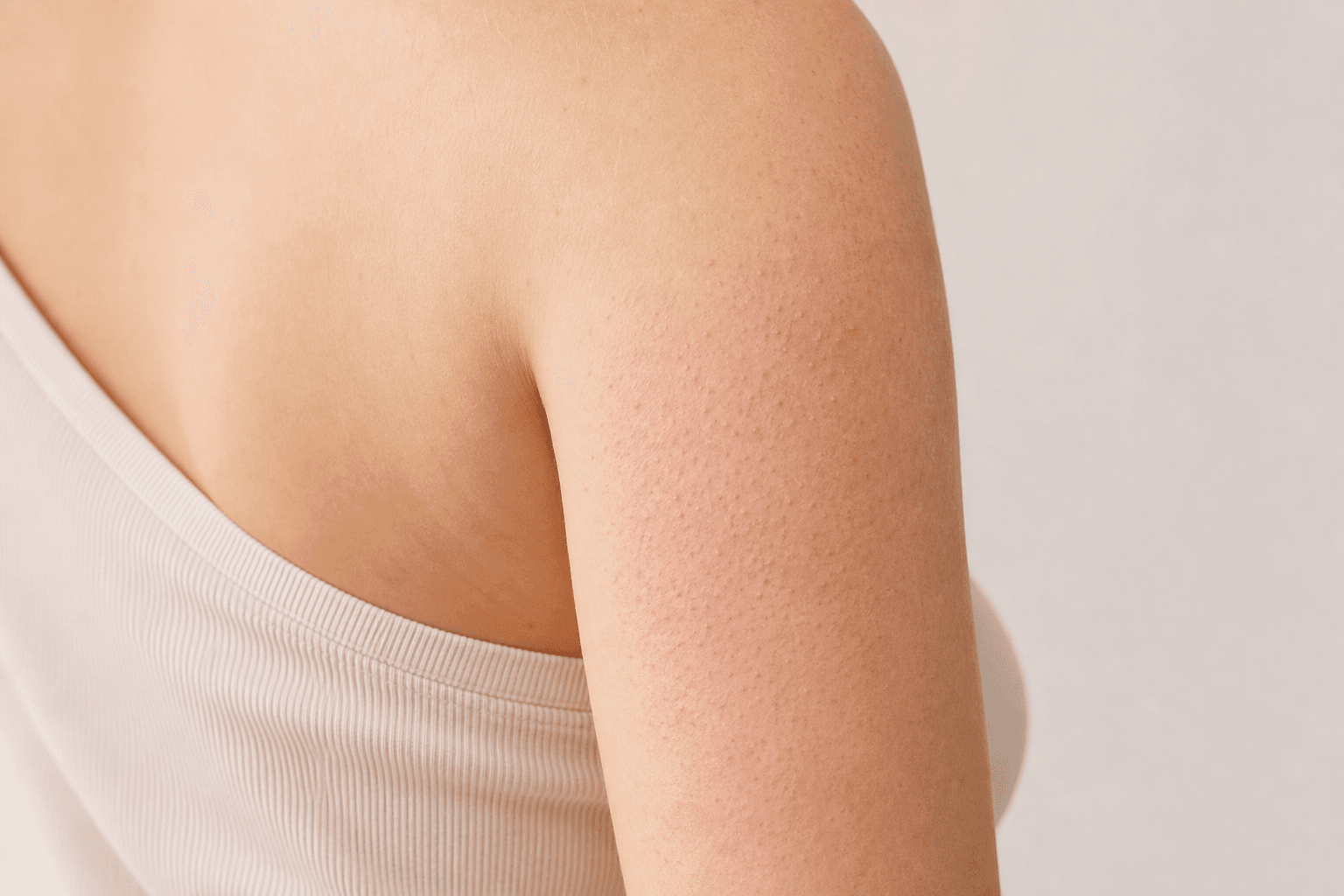
KP usually looks like many small, uniform bumps. They can be skin-coloured, red, pink, brown, or darker than the surrounding skin depending on your tone and how inflamed the follicles are.
Common areas include:
- Backs of the upper arms.
- Outer thighs.
- Buttocks.
- Sometimes shoulders, cheeks, or the lower legs.
It often feels rougher than it looks. That is why people describe it as "chicken skin", "goosebump skin", or "strawberry legs" when it appears on the legs.
KP is harmless. It is not contagious. It is not caused by being dirty. It is not a sign that your skin is failing a basic hygiene exam.
The emotional part is still real. If you avoid sleeveless tops, shorts, or beach days because your skin texture bothers you, that counts. Harmless does not always mean meaningless.
Why scrubs make KP worse
KP feels rough, so scrubbing feels logical.
The problem is location. The plug sits inside the follicle opening. A rough scrub mostly scratches the surface around it. That can leave the skin redder, drier, and more inflamed while the plug remains happily in place, like a tiny tenant ignoring all emails.
Mechanical exfoliation also makes people overdo it because the skin may feel briefly smoother right after washing. Then the dryness returns. The bumps look redder. You scrub again. The routine becomes a loop.
For KP, chemical softening is usually kinder than physical force.
What actually helps
Moisturise every day
KP often appears with dry or barrier-prone skin. When the surrounding skin is dry, the bumps feel sharper and look more obvious.
Apply moisturiser while the skin is slightly damp after showering. This is not a cute spa detail. Damp skin gives humectants water to bind, and the cream helps slow that water from escaping.
Good ingredient families include:
- Urea, which hydrates and, at higher strengths, helps soften rough keratin.
- Glycerin and sodium hyaluronate, which bind water in the upper skin.
- Squalane, fatty alcohols, and other emollients that make rough skin feel smoother.
- Panthenol and allantoin, which support comfort when the skin is easily irritated.
If daily moisturising sounds too basic, I understand. But KP is one of those conditions where boring habits do a lot of the quiet work.
Add a keratolytic carefully
Keratolytics loosen the stuck-together dead skin cells and keratin that make the follicle feel plugged.
Useful options include:
- Urea for hydration plus texture softening.
- Lactic acid for dry, rough body texture.
- Salicylic acid for follicle-focused smoothing, especially when bumps feel clogged.
- Glycolic acid for more resilient body skin that tolerates acids well.
A 2015 study[2] comparing 10% lactic acid and 5% salicylic acid creams found both improved KP over 12 weeks, with mild local irritation as the main side effect. That is a useful practical lesson: acids can help, but irritation still matters.
Start with 2 or 3 nights per week. If the skin becomes tight, itchy, shiny, hot, or stingy, reduce frequency. Your goal is smoother skin, not proof that you can suffer through a lotion.
Give it enough time
KP rarely changes in a week.
A 2022 systematic review[3] found that several topical treatments can improve the appearance of KP, but the evidence is mixed and outcomes vary. Translation: sensible care helps many people, but this is not an overnight erase-button condition.
Most people should look for:
- Softer feel after 2 to 4 weeks.
- Less scratchy texture by 6 to 8 weeks.
- Clearer improvement around 8 to 12 weeks.
- Maintenance after that, because KP often returns when the routine stops.
Take photos if you want to track it. Texture changes are hard to judge by memory, especially when you inspect your arm at 11:47 p.m. under bathroom lights that should be illegal.
What to stop doing
KP routines often fail because of irritation, not because the active ingredient was "too weak."
Try removing:
- Harsh scrubs.
- Exfoliating gloves and rough brushes.
- Long hot showers.
- Strong acids every day.
- Picking the plugs.
- Fragranced body products that leave the skin itchy or red.
- Tight clothing that rubs the same bumpy areas.
You do not need to treat your arms and legs like a kitchen pan.
A simple 12-week KP plan
Weeks 1 to 2
Change the boring habits first.
Keep showers lukewarm. Stop scrubs. Apply moisturiser to damp skin every day. If your skin is sensitive, do not add acids yet. Let the barrier calm down before you ask it to do more.
Weeks 3 to 6
Add one keratolytic 2 nights per week.
Choose urea, lactic acid, salicylic acid, or glycolic acid based on what your skin tolerates. Do not combine several strong actives at once on the same irritated patch. KP skin can be stubborn and sensitive at the same time, because skin has a sense of humour.
Weeks 7 to 12
Increase only if the skin is comfortable.
If the bumps feel softer and the skin is not angry, continue. If progress has stalled but your skin feels calm, you can increase active nights gradually. If redness, itching, burning, or peeling appears, step back.
By week 12, you should know whether the routine is helping. If the bumps are painful, very inflamed, spreading oddly, or not behaving like KP, get the diagnosis checked.
Arms, legs, and body areas need slightly different thinking
KP on the arms often bothers people because it is visible in short sleeves. If that is your main concern, read the focused guide to keratosis pilaris on arms.
KP on the legs often gets mixed up with shaving irritation, ingrown hairs, dry skin, or "strawberry legs." If your bumps are mostly on thighs or lower legs, the guide to keratosis pilaris on legs will help you sort the pattern.
The science is similar. The habits differ.
Arms deal with visibility, clothing friction, and sun exposure. Legs deal with shaving, tighter fabrics, winter dryness, and larger surface areas. Same keratin plug. Different daily annoyances.
When to see a dermatologist
Most KP is safe to manage at home.
See a dermatologist or qualified clinician if:
- The bumps are painful, crusting, infected-looking, or rapidly changing.
- You have severe itch or eczema-like patches.
- The pattern is one-sided or unusual.
- You are getting dark marks from picking or inflammation.
- You are unsure whether it is KP, folliculitis, acne, eczema, or ingrown hairs.
- The texture bothers you enough that you want stronger options like prescription treatments or laser advice.
No shame in that. Sometimes the most calming skincare move is getting the name of the problem right.
The bottom line
Keratosis pilaris is common, harmless, stubborn, and deeply unimpressed by panic scrubbing.
The best home plan is simple: daily moisture, gentle keratolytics, fewer friction triggers, no picking, and enough time. Aim for softer, calmer skin rather than a permanent cure.
Perfectly smooth skin is not the price of wearing short sleeves.
But if the bumps bother you, you are allowed to treat them with patience instead of force.
People also ask
Can you permanently get rid of keratosis pilaris?
Usually not permanently. Keratosis pilaris is often genetic and tends to come back when maintenance stops. The realistic goal is softer texture, fewer rough bumps, and less redness with consistent care.
What is the fastest way to smooth keratosis pilaris?
The fastest sensible route is daily moisturising plus a tolerated keratolytic such as urea, lactic acid, or salicylic acid. Even then, most people need 8 to 12 weeks. Harsh scrubbing may feel faster, but it often creates more redness.
Should I exfoliate keratosis pilaris every day?
Not with strong acids or scrubs. Moisturising can be daily, but active exfoliation is usually better a few nights per week at first. Increase only if the skin stays comfortable.
Is keratosis pilaris the same as acne?
No. KP is mostly a keratin plug inside the hair follicle. Acne involves clogged follicles too, but oil, bacteria, and inflammation play a different role. The treatments overlap a little, but the conditions are not the same.
A calmer routine for bumpy skin
Keratosis pilaris gets worse when the routine becomes a fight. My starting point is boring in the best way: hydrate the skin, loosen plugs gently, protect the barrier, and repeat long enough to see texture soften. The Danish Skin Care Kit follows that same routine-first thinking for face skin; for body KP, carry the same calm principles to arms, legs, and other bumpy areas.

A simple face routine when KP-prone skin also comes with clogged pores, dry texture, or irritation. For body KP, use the same logic: moisturise consistently, treat bumps gently, and avoid scrub damage.
Full transparency: Danish Skin Care is my own company — I formulated these products and earn from every sale. That's exactly why I only recommend them where they genuinely fit the guide you just read.
Real results from simple routines
A few real before-and-after cases from people using Danish Skin Care for skin concerns related to this guide. No filters, no miracle promise. Consistent skincare over time.
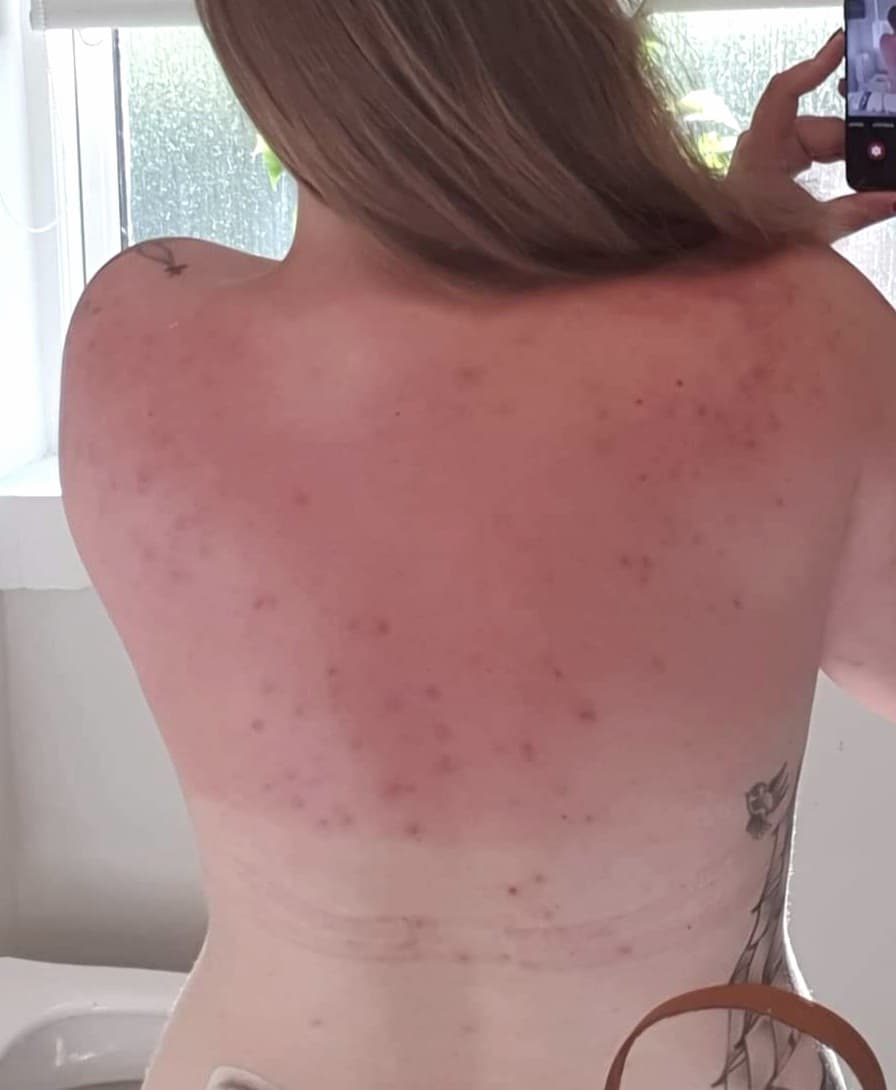 Before
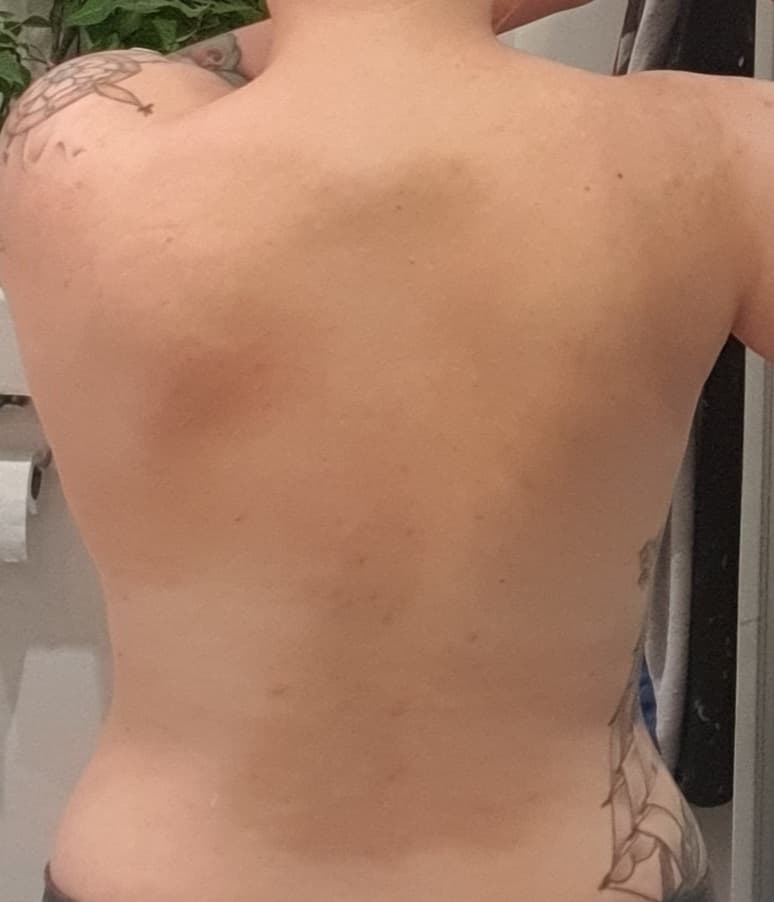 After
AfterKeep reading
- Ingredient · urea
- Ingredient · salicylic acid
- Ingredient · lactic acid
- Ingredient · glycolic acid
- Ingredient · retinol
- Ingredient · sodium hyaluronate
- Condition · keratosis pilaris
- Condition · dry skin
- Condition · sensitive skin
- Read · keratosis pilaris on arms
- Read · keratosis pilaris on legs
- Read · how to get rid of back acne
- Read · how to treat dry skin on face
- Read · what are blackheads
Citations
- Hwang S, Schwartz RA. Keratosis pilaris: a common follicular hyperkeratosis. Cutis. 2008;82(3):177-180.PMID 18856156
- Kootiratrakarn T, Kampirapap K, Chunhasewee C. Epidermal permeability barrier in the treatment of keratosis pilaris. Dermatol Res Pract. 2015;2015:205012.PMID 25802513
- Maghfour J, Ly S, Haidari W, Taylor SL, Feldman SR. Treatment of keratosis pilaris and its variants: a systematic review. J Dermatolog Treat. 2022;33(3):1231-1242.PMID 32886029