
How to fix dehydrated oily skin
Dehydrated oily skin needs water-binding support, gentler cleansing, and less stripping. More oil-control is often the thing making it worse.

On this page
Oily but dehydrated skin is the skincare version of being thirsty while standing in the rain.
I know the feeling well. When I had oily skin and acne, I thought the solution was to remove more oil. Stronger cleanser. More matte products. Less moisturiser. Then my skin looked shiny and felt tight, which is an impressive combination if your goal is confusion.
After helping more than 100,000 people with problem skin, I see this pattern constantly: oily skin often gets worse when we treat it like an enemy.
The short answer
To fix dehydrated oily skin:
- Stop stripping it.
- Use a mild cleanser.
- Add a light moisturiser with humectants.
- Keep salicylic acid or retinol at a tolerable frequency.
- Use niacinamide for oil and barrier support.
- Wear a sunscreen you can tolerate daily.
Oily skin means your sebaceous glands produce noticeable sebum. Dehydrated skin means the outer layer is not holding water comfortably. A 2023 barrier review[1] explains that moisturisation depends on water-binding ingredients, barrier lipids, and the structure of the stratum corneum working together.
Oil and water are different problems. That is the sentence I wish someone had handed me years earlier.
Signs your oily skin is dehydrated
You may notice:
- shine by midday
- tightness after washing
- makeup clinging to flakes
- skin that feels oily but rough
- stinging from products that used to be fine
- more clogged pores after harsh oil-control routines
- a need to blot often but moisturise at the same time
This does not mean your skin type has changed every Tuesday. It means your routine may be removing comfort faster than it adds support.
The cleanser reset
Your cleanser should remove sweat, sunscreen, makeup, and excess oil. It should not leave your face feeling like a freshly wiped window.
Try:
- cleansing once in the morning only if you wake up oily or sweaty
- using lukewarm water
- massaging with fingertips, not brushes
- stopping after 30 to 60 seconds
- moisturising while skin is slightly damp
If tightness appears ten minutes after cleansing, your first step is too aggressive or too frequent.
Hydrate without feeling greasy
Look for lightweight humectants:
- glycerin
- sodium PCA
- sodium hyaluronate
- betaine
- sorbitol
- panthenol
Humectants help bind water in the upper skin layers. Oily skin often likes them because they add comfort without the heavy feel of rich oils.
Then you still need a balanced formula around them. A pure humectant serum under a stripping routine is like bringing one glass of water to a house fire.
Control oil without drying yourself out
Niacinamide is useful here because it can support barrier comfort and oil balance. A 2006 study[2] found that 2% niacinamide reduced facial sebum measures over several weeks.
That does not mean you need three niacinamide products. One well-formulated morning step is plenty for many people.
Sebum is not waste. A review of sebaceous gland lipids[3] explains that surface lipids contribute to skin physiology. The goal is not zero oil. The goal is skin that behaves.
Where salicylic acid fits
If dehydrated oily skin also has blackheads or closed comedones, salicylic acid can help. Use it calmly:
- start 2 nights weekly
- avoid retinol on the same night at first
- moisturise after
- reduce if tightness increases
More acid is not more adult. Sometimes it is more laundry because your pillowcase is covered in flakes.
My final advice
Fix dehydrated oily skin by giving it water support without declaring war on oil.
Cleanse gently. Moisturise lightly. Use oil-control actives with manners. The routine should leave your skin less tight first, then less shiny over time. Calm skin is easier to improve than skin you keep provoking.
People also ask
Can oily skin be dehydrated?
Yes. Oil describes sebum. Dehydration describes water loss and barrier comfort. You can have excess shine and still feel tight.
Should dehydrated oily skin use moisturiser?
Yes. Choose a light moisturiser with humectants and barrier support. Skipping moisturiser often makes oily skin feel tighter and more reactive.
What ingredients help dehydrated oily skin?
Glycerin, sodium PCA, sodium hyaluronate, betaine, sorbitol, niacinamide, and panthenol can help in lightweight formulas.
Should I use salicylic acid on dehydrated oily skin?
Yes if clogged pores are present, but start slowly and moisturise. If salicylic acid makes tightness worse, reduce frequency.
The oily-skin routine I would make less drying
Dehydrated oily skin often improves when the routine stops trying to remove every trace of oil. The Danish Skin Care Kit keeps the balance practical: cleanse gently, use salicylic acid without overdoing it, moisturise every night, and protect the skin every morning with a light SPF step.

A light, repeatable routine for oily skin that feels tight: gentle cleanser, salicylic acid as tolerated, moisturiser, and SPF.
Full transparency: Danish Skin Care is my own company — I formulated these products and earn from every sale. That's exactly why I only recommend them where they genuinely fit the guide you just read.
Real results from simple routines
A few real before-and-after cases from people using Danish Skin Care for skin concerns related to this guide. No filters, no miracle promise. Consistent skincare over time.
 Before
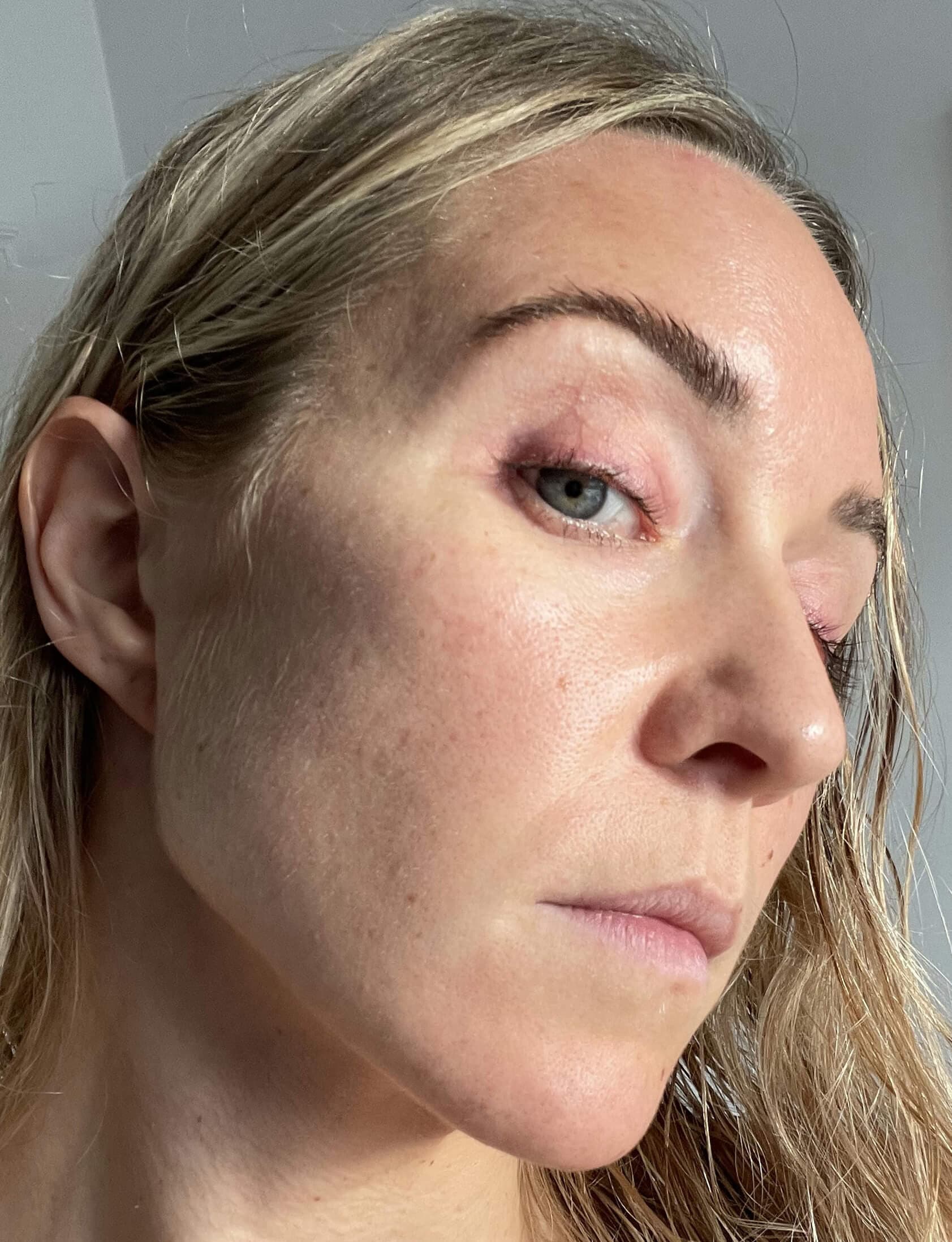 After
After Before
 After
After Before
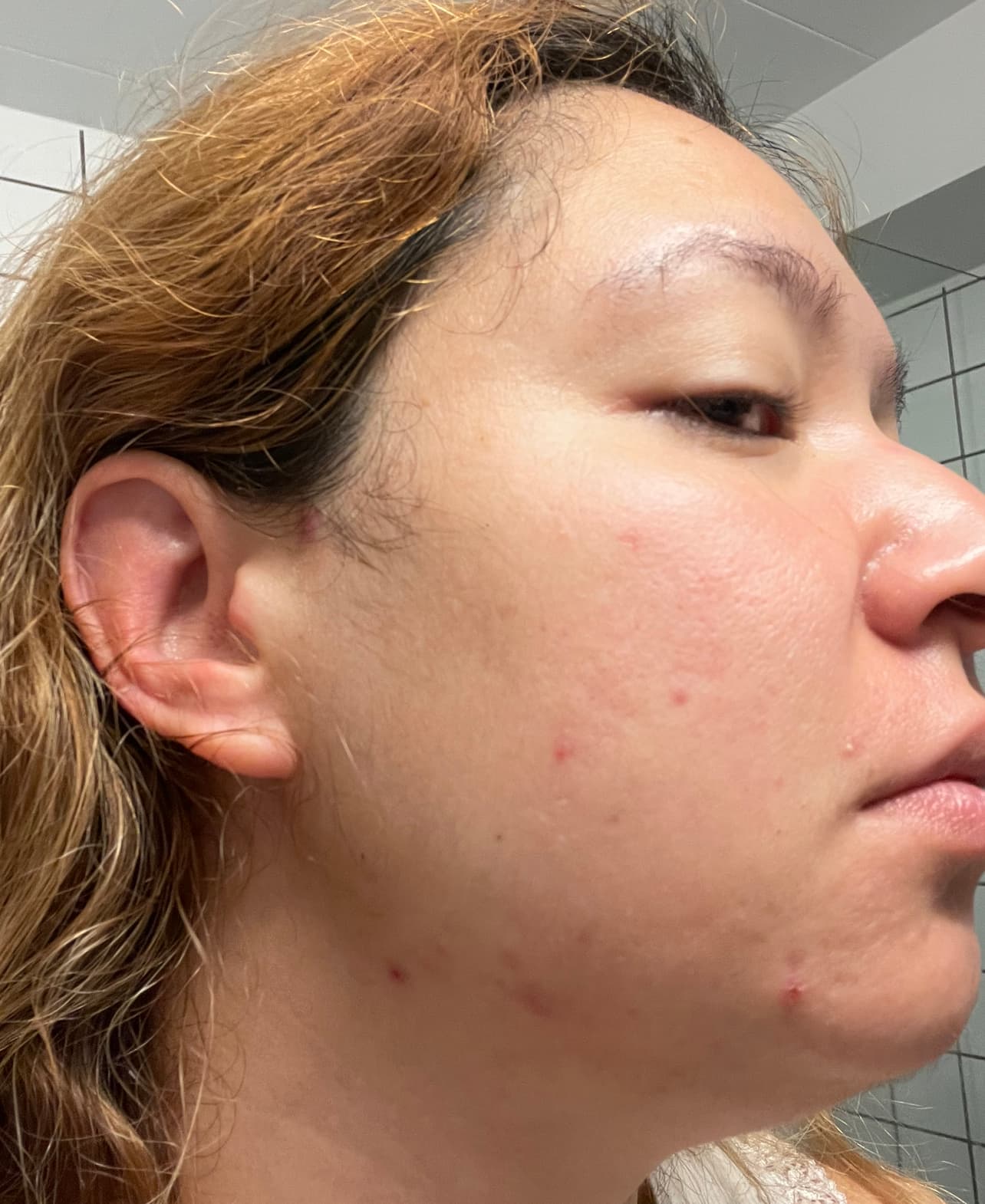 After
AfterKeep reading
- Ingredient · niacinamide
- Ingredient · glycerin
- Ingredient · sodium pca
- Ingredient · sodium hyaluronate
- Ingredient · betaine
- Condition · oily skin
- Condition · combination skin
- Condition · acne and blemishes
- Condition · sensitive skin
- Read · why is my skin oily and dry at the same time
- Read · how to get rid of oily skin
- Read · best skincare routine for clogged pores
- Read · why does my skin feel tight after washing
- Read · how to repair skin barrier after over exfoliating
Citations
- The Skin Barrier and Moisturization: Function, Disruption, and Mechanisms of Repair. Skin Pharmacol Physiol. 2023.PMID 37717558
- Draelos ZD, Matsubara A, Smiles K. The effect of 2% niacinamide on facial sebum production. J Cosmet Laser Ther. 2006;8(2):96-101.PMID 16766489
- Picardo M, Ottaviani M, Camera E, Mastrofrancesco A. Sebaceous gland lipids. Dermatoendocrinol. 2009;1(2):68-71.PMID 20224686