
Betaine
A small humectant and osmolyte used to make formulas feel more hydrating and less harsh. Useful support for dehydrated or easily stripped skin, not a treatment active.
At a glance
What Betaine does for skin, and how to read the practical safety signals.
- Hydration support: Helps formulas bind water without the sticky feel some people dislike from heavier humectant stacks.
- Different from CAPB: Betaine is not the same ingredient as cocamidopropyl betaine, the cleansing surfactant.
- Best as formula support: Useful in cleansers and moisturisers, but not a stand-alone acne or wrinkle treatment.
- Type
- Humectant
- Rating
- Pregnancy
- Considered safe
- Comedogenic rating
- 0/5 (Won't clog pores)
- Vegan
- Yes
- Suited skin types
- All skin types
On this page
The short answer
Betaine is a small water-loving molecule used in skincare as a humectant and skin-conditioning ingredient.
You may see it in cleansers, moisturisers, and lightweight hydration products. It helps the formula feel more comfortable and less drying, especially when skin is oily but tight or sensitive after cleansing.
It is not the same as cocamidopropyl betaine. That one is a cleanser surfactant. This one is the quieter hydration helper.
What the evidence actually shows
Cosmetic safety and function. A Cosmetic Ingredient Review safety assessment[1] lists betaine among alkyl betaines used in cosmetics and notes functions including humectant and skin conditioning. The panel concluded the reviewed ingredients were safe in present cosmetic practices when formulated to be non-irritating.
Why humectants matter. Moisturiser science is built around humectants, emollients, and occlusive support working together. A moisturiser review[2] explains that humectants help improve water content in the stratum corneum. Betaine sits in that support lane.
Barrier context. A 2023 skin-barrier review[3] describes hydration as a teamwork problem: water-binding ingredients, lipids, and barrier structure all matter. Betaine can help the water-binding side, but it does not replace the whole routine.
How it feels in formulas
Betaine is useful when a product needs hydration support without a heavy finish.
That makes sense for:
- lightweight moisturisers
- gentle cleansers
- oilier skin that still feels tight
- sensitive skin routines that need comfort, not another strong active
If glycerin is the classic hydration worker, betaine is the polite colleague who helps without making the texture too sticky.
Who should notice it
Betaine is worth noticing if your skin feels:
- tight after washing
- shiny but dehydrated
- easily irritated by cleansers
- uncomfortable in dry indoor air
It will not treat acne, rosacea, pigmentation, or wrinkles on its own. It helps make useful routines easier to tolerate. That matters, but it is still support work.
The practical takeaway
My goal with this guide was to gather the useful science on betaine in one place, so you can stop hunting for the next clever fix and focus on a simple, effective routine.
That is also why I made the Danish Skin Care Kit: a calm routine built around documented ingredients, and one that has helped more than 100,000 people with problem skin. If even the smallest question is still nagging you, send me an email at info@danishskincare.com.
Common questions
Is betaine the same as cocamidopropyl betaine?
No. Betaine is a humectant and skin-conditioning ingredient. Cocamidopropyl betaine is a surfactant used in cleansers.
Is betaine good for oily dehydrated skin?
Yes, as a supporting humectant inside a lightweight formula. It helps the water side of oily-but-tight skin without adding heavy oil.
Can betaine clear acne?
No. It can make an acne routine more comfortable, but clogged pores still need actives such as salicylic acid or retinoids when appropriate.
Reading a real label?
Scan a product to see how it is formulated
Upload a photo of the ingredient list and get a quick ingredient-by-ingredient read against the evidence-led database.
Found in these Danish Skin Care products

The Kit uses a humectant-first philosophy across the routine: water support, barrier comfort, and fewer separate products.
Skin conditions it actively helps with
Where the published evidence puts Betaine on the short list of active ingredients worth reaching for.
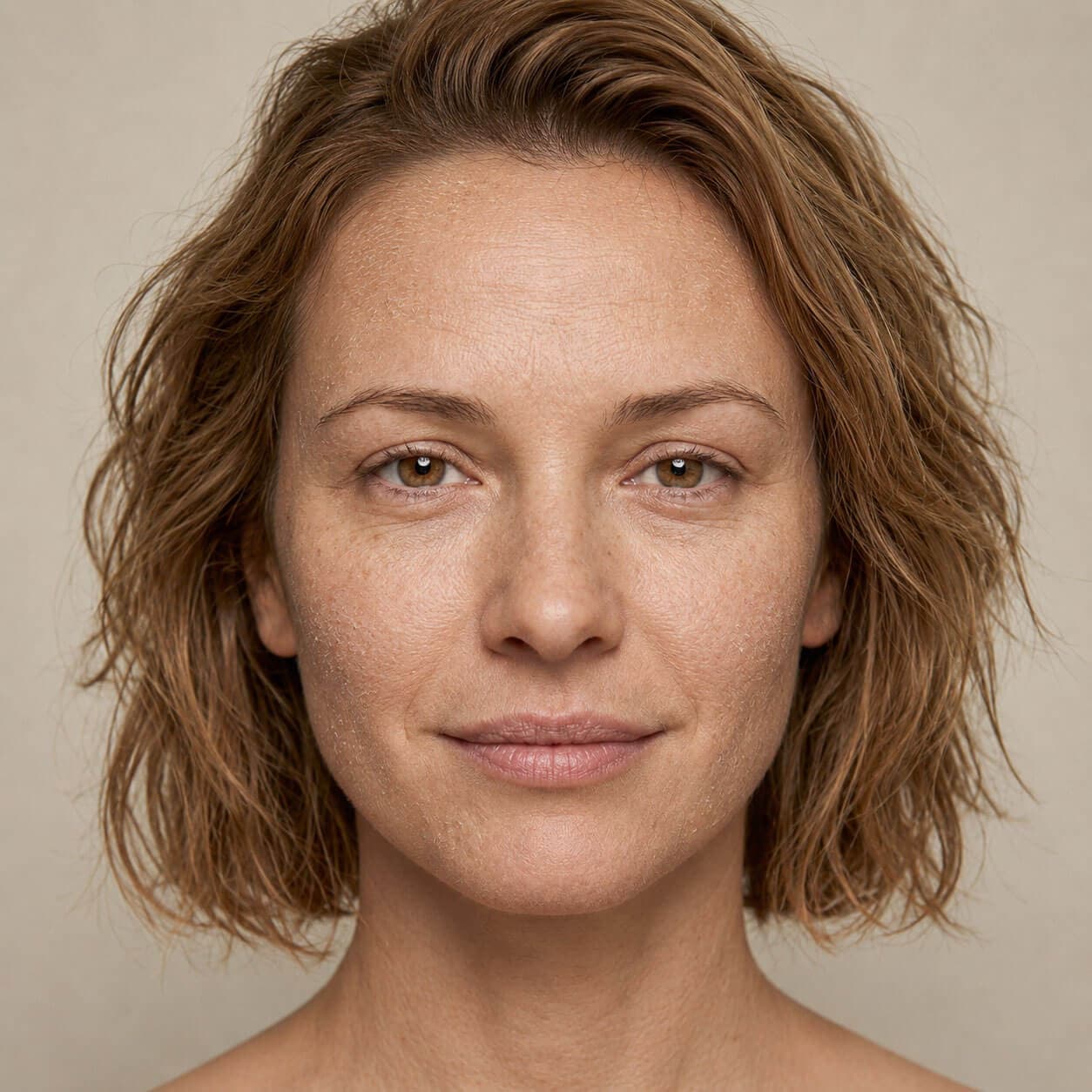
Dry skin
Dry skin is usually a barrier problem, not simply a water problem. Here's the difference between dry and dehydrated, why it matters, and the routine that actually helps.
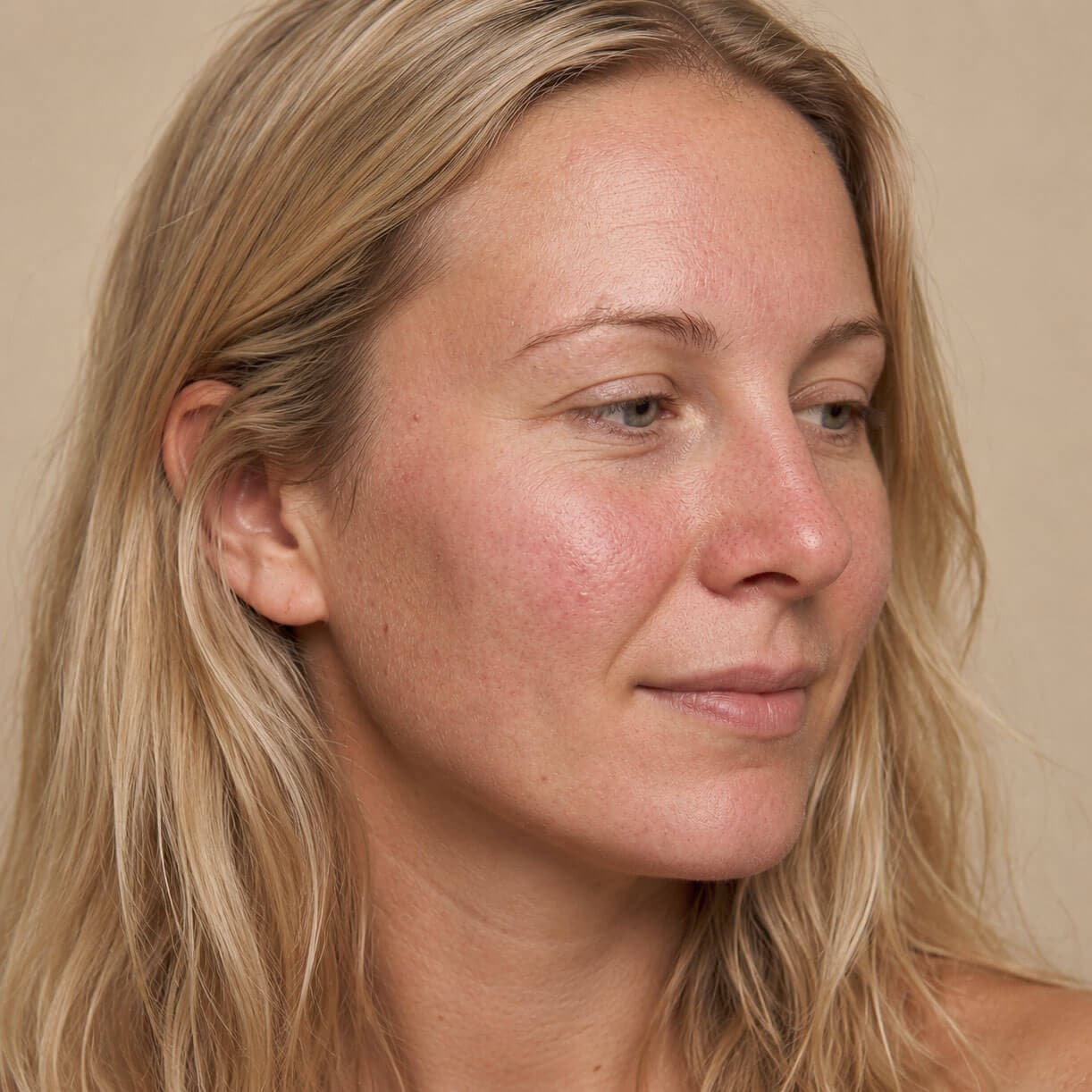
Sensitive skin
"Sensitive" is a symptom, not a diagnosis. Learn what drives reactive skin, the routine that calms it, and what to leave out.
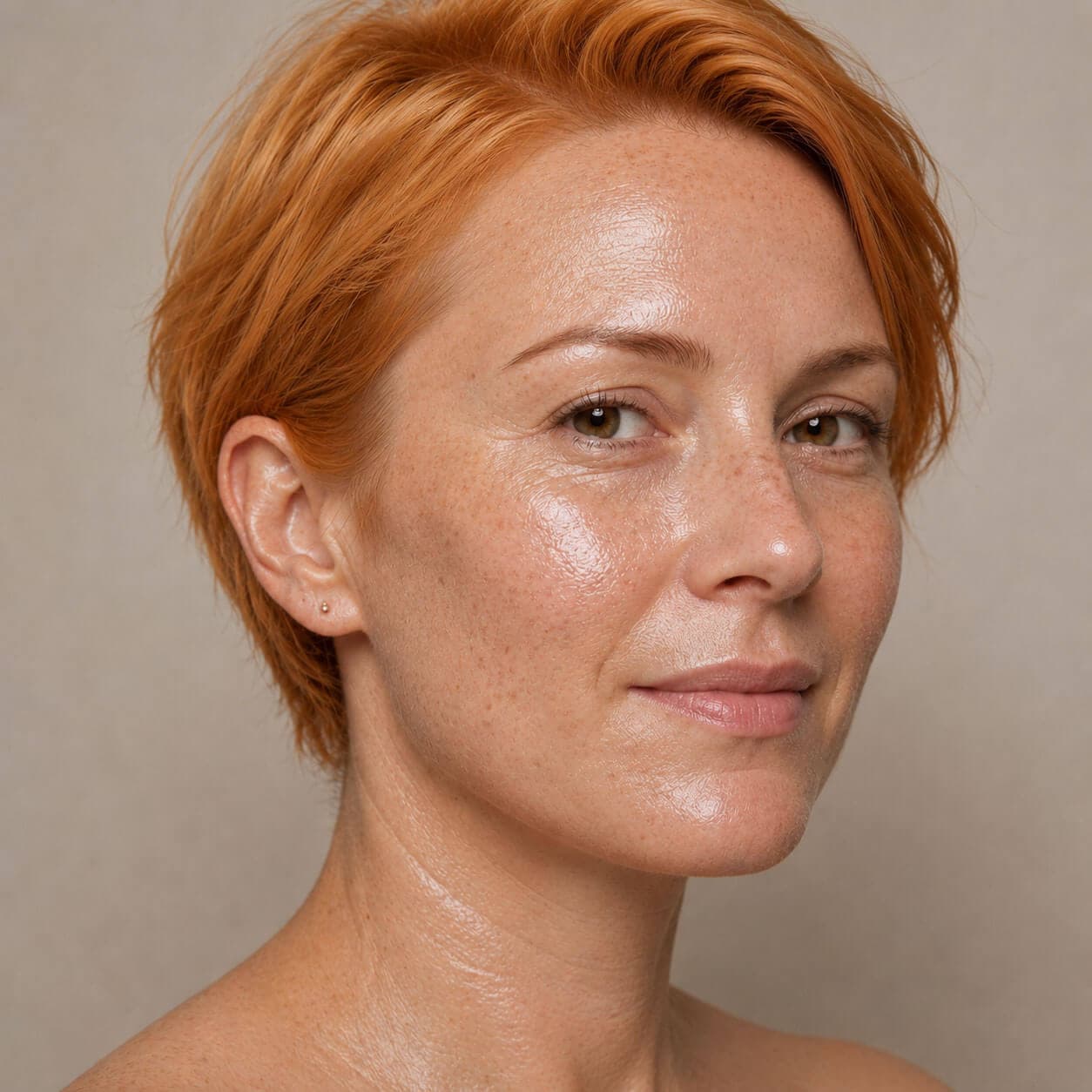
Oily skin
Oily skin isn't a problem to "fix". It's a feature with trade-offs. Here's what actually controls sebum, what doesn't, and the routine that works without stripping.
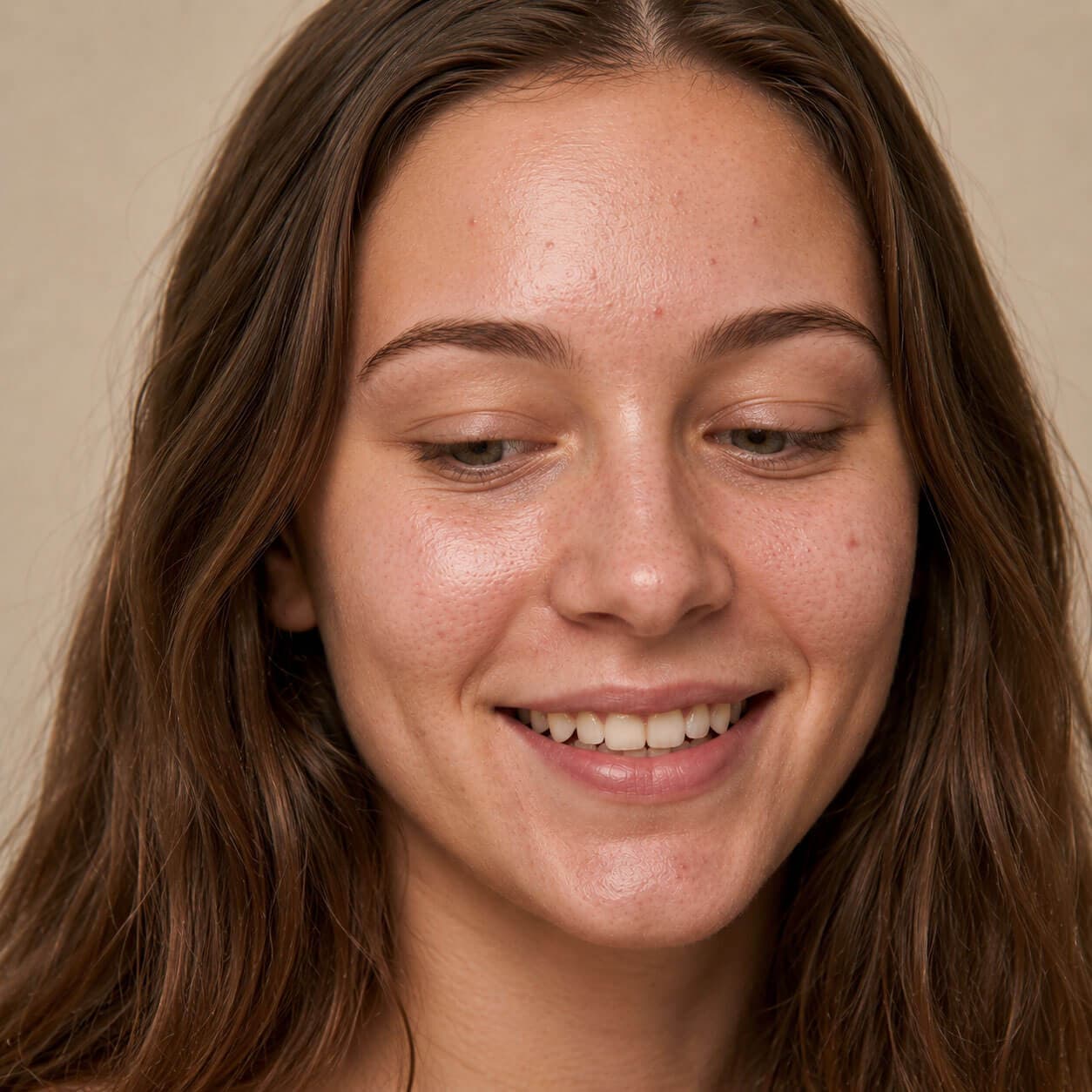
Combination skin
Oily T-zone, drier or normal cheeks, and a routine that has to address both without making either worse. Here's how to actually balance combination skin.
Related ingredients
Citations
- Safety Assessment of Alkyl Betaines as Used in Cosmetics. Int J Toxicol. 2018;37(3_suppl):28S-46S. — DOI 10.1177/1091581818773354
- Draelos ZD. Moisturizers: reality and the skin benefits. Dermatol Ther. 2012;25(3):229-233. — PMID 22913439
- The Skin Barrier and Moisturization: Function, Disruption, and Mechanisms of Repair. Skin Pharmacol Physiol. 2023. — PMID 37717558