
Best skincare routine for sensitive acne-prone skin
Sensitive acne-prone skin needs acne control without barrier punishment. Here is a simple routine that starts slow and keeps irritation low.

On this page
When I had acne, I wanted the strongest routine my face could survive.
That was the wrong measurement. Survival is a low standard for skincare.
Over the last 15 years, I have helped more than 100,000 people with problem skin, and sensitive acne-prone skin has taught me one thing repeatedly: the routine has to fight acne without fighting the person wearing the skin.
The before-and-after cases at the end of this guide show the trend I like most: fewer breakouts and calmer skin at the same time.
The short answer
The best routine for sensitive acne-prone skin is:
Morning
- Rinse or cleanse gently.
- Use lightweight moisturiser if needed.
- Apply broad-spectrum SPF.
Evening
- Cleanse once.
- Use 2% salicylic acid 1 to 3 nights weekly to start.
- Moisturise.
- Use recovery nights with moisturiser only.
Acne guidelines[1] support several topical acne treatments, including retinoids, benzoyl peroxide, salicylic acid, and combinations. The sensitive-skin problem is not whether acne treatments exist. It is whether your skin can tolerate them long enough for them to matter.
Why sensitive acne-prone skin is tricky
Sensitive skin often means burning, stinging, redness, itching, or discomfort from products that should feel ordinary.
A 2010 sensitive-skin review[2] points toward barrier disruption and nerve-response differences as part of the physiology. In normal language: the skin's "this is too much" alarm can be easier to trigger.
Acne routines often trigger that alarm with:
- harsh cleansers
- daily acids too soon
- retinoids introduced too fast
- benzoyl peroxide over large areas
- drying spot treatments
- too many new products at once
The goal is not to avoid all actives forever. The goal is to use the few that matter in a way your barrier can live with.
The cleanser rule
Cleanse properly, but do not chase squeaky clean skin.
If the face feels tight, shiny, or stingy after cleansing, the routine is starting in debt. A 2023 barrier review[3] explains that moisturisation and barrier function depend on water-binding ingredients and lipids working together. Stripping the skin before treatment makes everything harder.
For most people:
- cleanse once in the evening
- cleanse in the morning only if oily or sweaty
- use lukewarm water
- skip scrub brushes
- remove sunscreen without attacking the barrier
The active rule
Use one acne active at a time.
For sensitive clogged pores, salicylic acid is often the easiest first choice. Start low-frequency:
- Week 1: one night
- Week 2: two nights if comfortable
- Week 3 onward: stay there, or increase slowly
If your skin burns or peels, do not graduate yourself to the next level. This is not a skincare video game.
Where niacinamide fits
Niacinamide is useful when acne-prone skin is oily, red, or easily irritated.
A 2006 study[4] found that 2% niacinamide reduced facial sebum measures over several weeks. It is not an acne cure by itself, but it can support the routine environment: oil balance, barrier comfort, and visible redness.
That makes it a sensible morning support ingredient, especially in a moisturiser or SPF rather than as another separate serum you may not need.
What I would avoid
Avoid starting with:
- strong daily acids
- benzoyl peroxide all over the face if you already sting easily
- retinoid plus acid on the same night from week one
- harsh foaming cleanser twice daily
- exfoliating toner plus scrub plus mask
- changing products every time a new bump appears
Sensitive acne-prone skin improves when the plan is repeatable. The exciting routine often fails because no real human wants to keep using a routine that makes their face feel punished.
When to see a dermatologist
Get medical advice if acne is deep, painful, scarring, sudden, widespread, or not improving after 8 to 12 weeks of a consistent routine.
Also get help if you suspect rosacea, perioral dermatitis, eczema, or contact allergy. Not every red, bumpy face is straightforward acne.
My final advice
Treat acne, but protect the barrier that has to tolerate the treatment.
Cleanse gently. Pick one active. Moisturise without guilt. Use SPF. Build in quiet nights.
Sensitive acne-prone skin does not need perfection. It needs a routine boring enough to repeat and kind enough that your face does not spend every evening objecting.
People also ask
What is the best routine for sensitive acne-prone skin?
Start with gentle cleansing, moisturiser, SPF, and one acne active introduced slowly, such as salicylic acid. Build recovery nights into the routine.
Can sensitive skin use salicylic acid?
Many people can, but frequency matters. Start once or twice weekly, moisturise, and stop increasing if the skin burns, peels, or feels tight.
Should I use benzoyl peroxide if my skin is sensitive?
Benzoyl peroxide can help inflammatory acne, but it can also irritate. Sensitive skin may do better starting with a gentler routine and using benzoyl peroxide only with clinician or careful product guidance.
How do I know if my acne routine is too harsh?
Burning, tight shiny skin, peeling, worsening redness, and products that used to feel fine suddenly stinging are signs to reduce active frequency and rebuild the barrier.
The sensitive-acne routine I would simplify to
Sensitive acne-prone skin usually does not need a stronger bathroom shelf. It needs a routine it can tolerate long enough to work. The Danish Skin Care Kit is the foundation I would use: gentle cleanser, salicylic acid introduced slowly, moisturiser, and daily SPF. After helping more than 100,000 people with problem skin, I trust that simple rhythm more than a stack of aggressive actives.

A low-confusion acne routine with gentle cleansing, salicylic acid, moisturiser, and daily SPF in one repeatable system.
Full transparency: Danish Skin Care is my own company — I formulated these products and earn from every sale. That's exactly why I only recommend them where they genuinely fit the guide you just read.
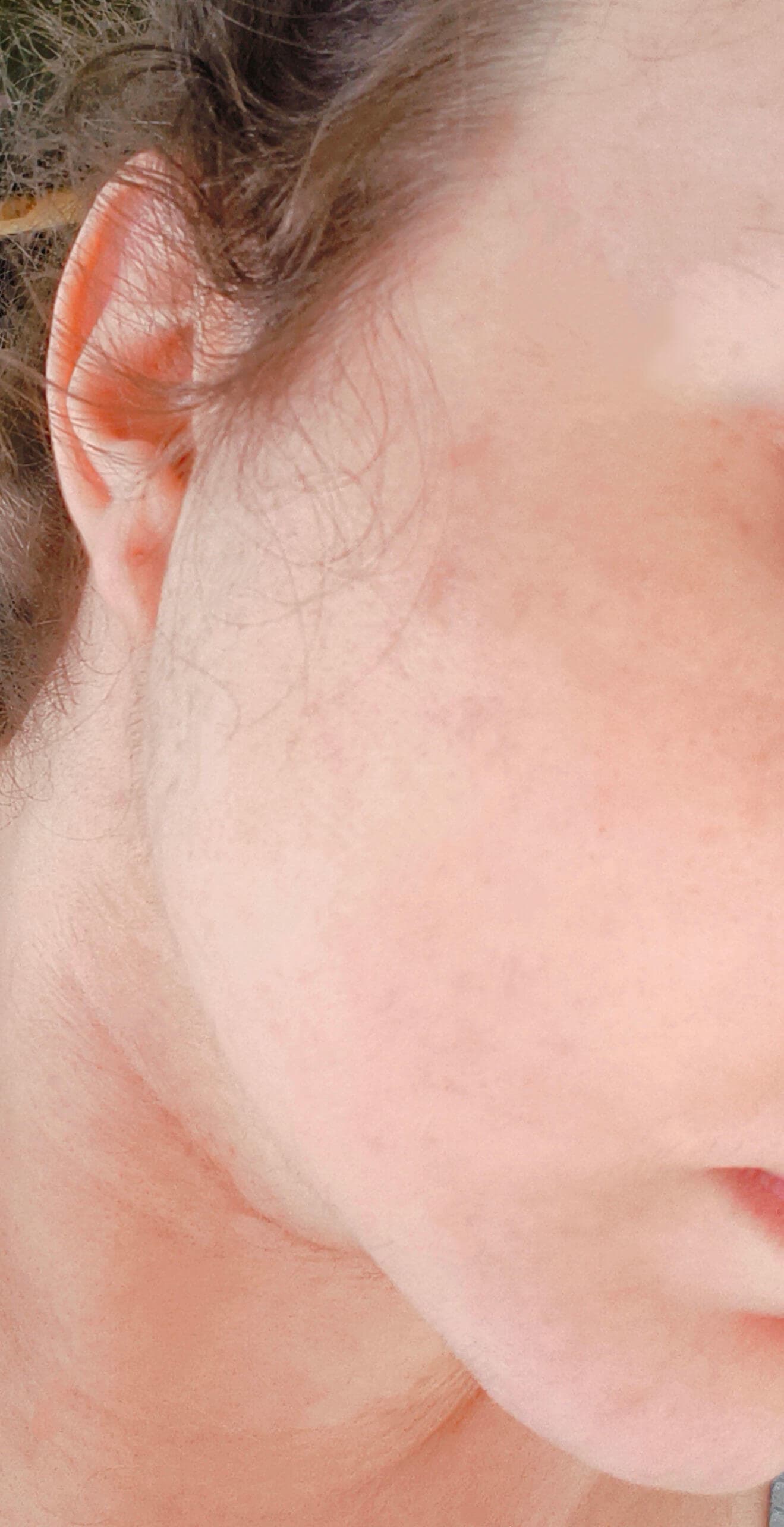
Real results from simple routines
A few real before-and-after cases from people using Danish Skin Care for skin concerns related to this guide. No filters, no miracle promise. Consistent skincare over time.
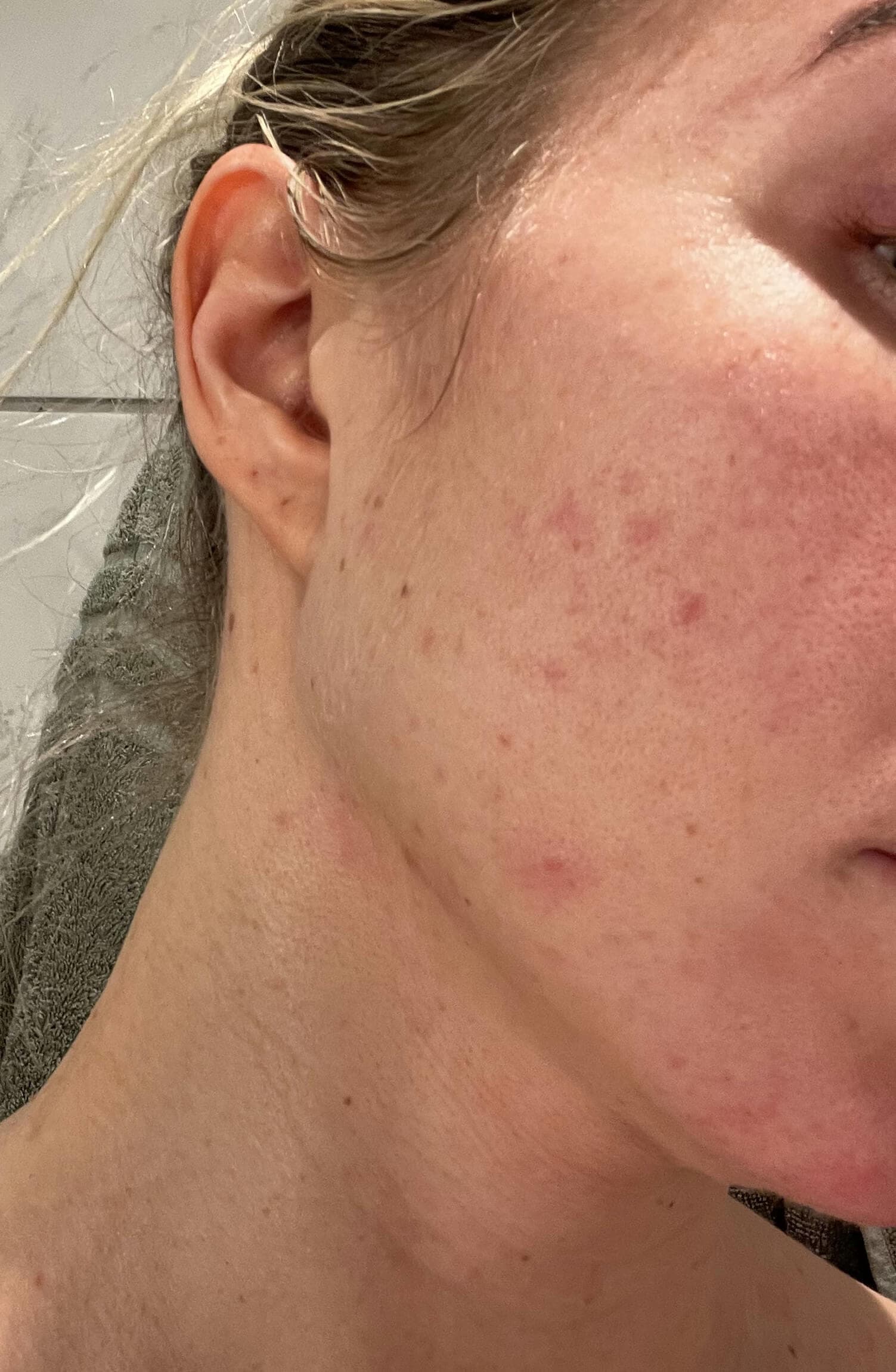 Before
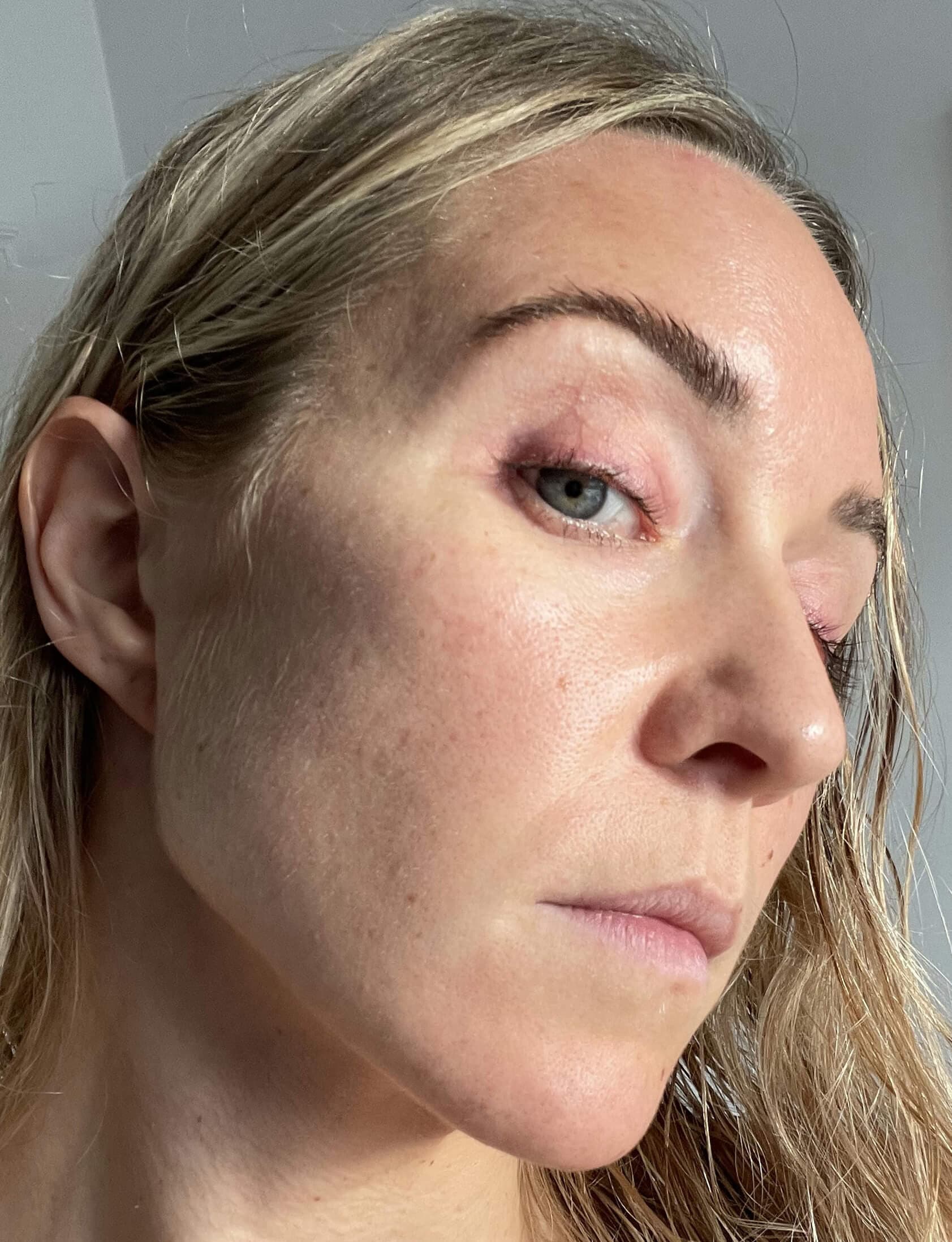 After
After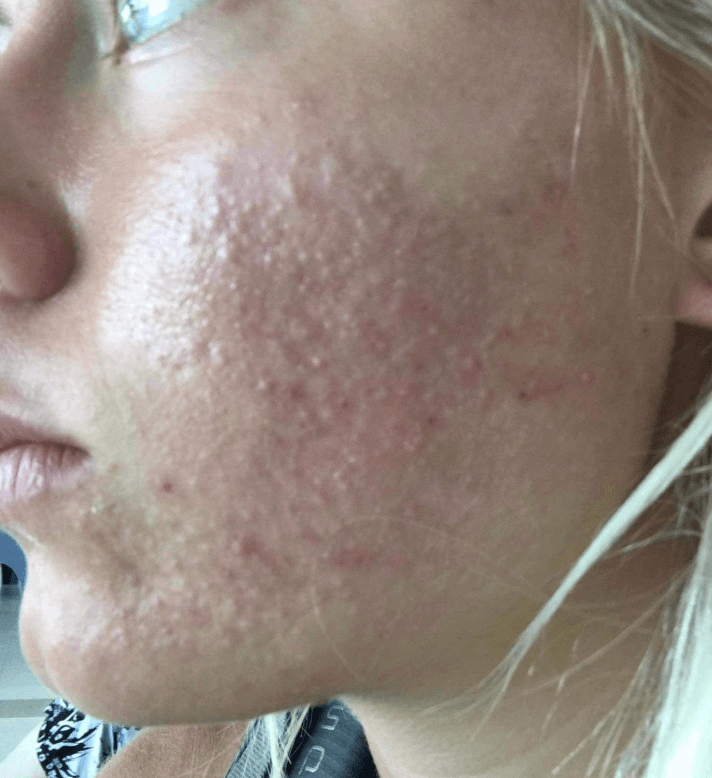 Before
 After
After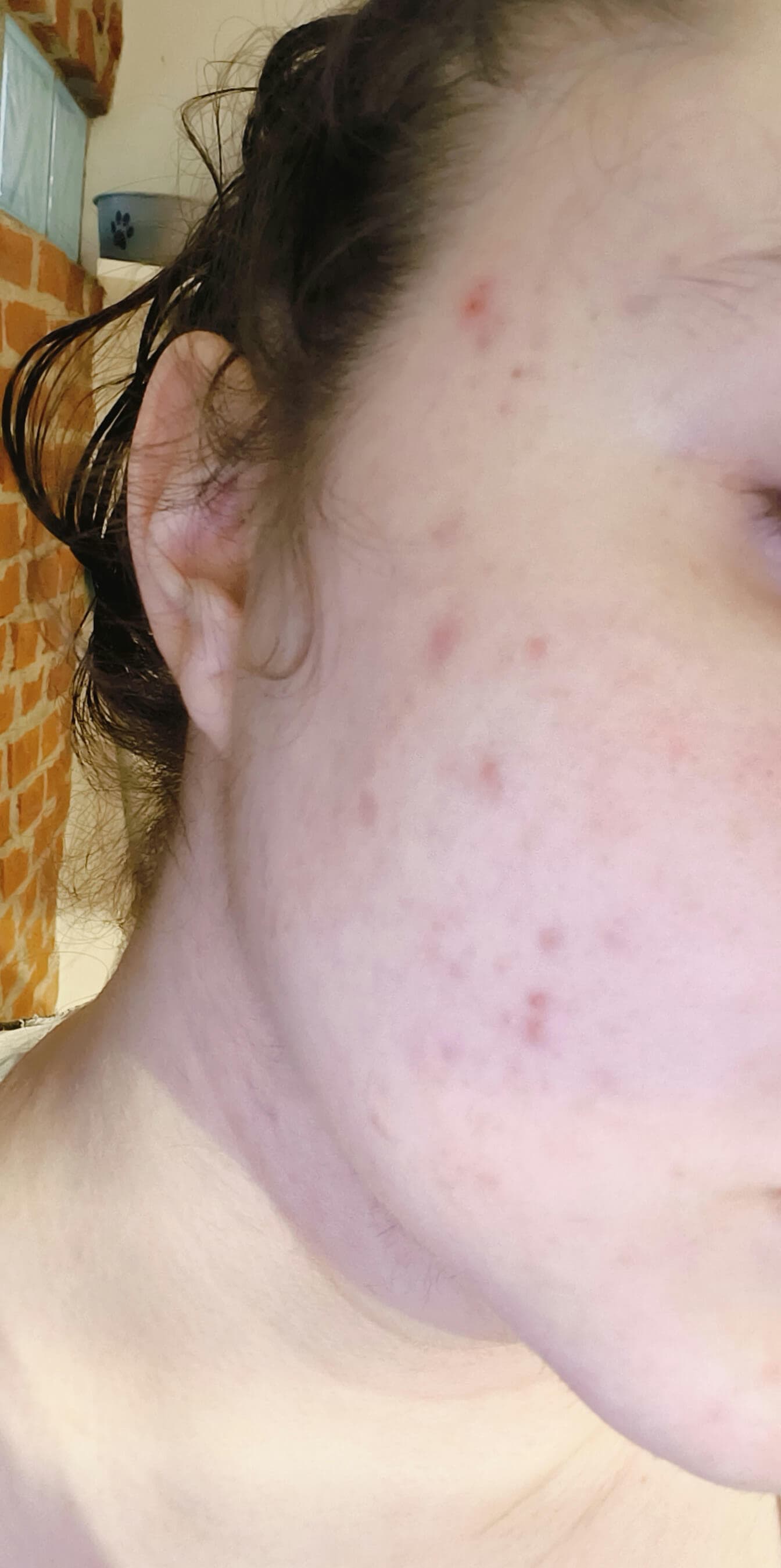 Before
 After
AfterKeep reading
- Ingredient · salicylic acid
- Ingredient · niacinamide
- Ingredient · panthenol
- Ingredient · allantoin
- Ingredient · glycerin
- Condition · acne and blemishes
- Condition · sensitive skin
- Condition · oily skin
- Condition · acne scars and marks
- Read · best skincare routine for clogged pores
- Read · why does my skin burn when i apply moisturizer
- Read · why does my skin feel tight after washing
- Read · how to repair skin barrier after over exfoliating
- Read · how to get rid of pimples
Citations
- Zaenglein AL, et al. Guidelines of care for the management of acne vulgaris. J Am Acad Dermatol. 2016;74(5):945-973.PMID 26897386
- Farage MA, Katsarou A, Maibach HI. Sensitive skin: closing in on a physiological cause. Contact Dermatitis. 2010;62(3):137-149.PMID 20136889
- The Skin Barrier and Moisturization: Function, Disruption, and Mechanisms of Repair. Skin Pharmacol Physiol. 2023.PMID 37717558
- Draelos ZD, Matsubara A, Smiles K. The effect of 2% niacinamide on facial sebum production. J Cosmet Laser Ther. 2006;8(2):96-101.PMID 16766489