
Citric Acid
A small-but-important pH adjuster that keeps formulas skin-friendly and helps actives stay stable. You will never see it marketed on the front of a bottle — and that is exactly the point.
At a glance
What Citric Acid does for skin, and how to read the practical safety signals.
- pH tuning: Used in tiny amounts to bring cleansers, creams, and serums into a skin-compatible acidity range.
- Stability partner: Often paired with citrate salts so actives like niacinamide and retinol stay effective in the jar.
- Not an exfoliant here: At the low levels used for pH adjustment, citric acid is a formula tool — not a peel.
- Type
- pH adjuster
- Rating
- Pregnancy
- Considered safe
- Comedogenic rating
- 0/5 (Won't clog pores)
- Vegan
- Yes
- Suited skin types
- All skin types
On this page
The short answer
Citric acid is the ingredient nobody buys on purpose — and almost everyone uses without knowing it. INCI lists it as Citric Acid.
In skincare, it is almost always there as a pH adjuster: a small amount added during manufacturing so the final product lands in a range that skin tolerates and actives survive in. You will often see it paired with sodium citrate as a buffering system — citric acid pulls pH down, citrate salts help keep it stable.
This is not the same as a citric acid peel. At adjustment levels, it is backstage crew, not the star.
What the evidence actually shows
Why pH adjustment matters in cosmetics. The CIR safety assessment[1] lists citric acid's primary cosmetic functions as pH adjuster, chelating agent, and — at higher levels in other product categories — occasional fragrance ingredient. For everyday face creams and serums, the relevant job is keeping formulas in a sensible acidity window so ingredients behave as intended.
Skin's natural acidity. Proksch's 2018 review[2] explains that healthy stratum corneum typically sits around pH 4.1–5.8, and that acidity influences lipid processing, desquamation, and microbial balance. Products that sit far outside that range — especially alkaline cleansers left on skin — can temporarily disrupt barrier recovery. That is why formulators reach for citric acid (and lactic acid in other contexts) during development.
Barrier support through acidification. A 2024 review[3] on stratum corneum acidification notes that mildly acidic skincare can help normalise elevated skin pH seen in atopic dermatitis, ageing skin, and inflamed barriers — supporting ceramide enzyme activity and reducing excess serine protease behaviour. Citric acid in a moisturiser will not replicate prescription care, but the underlying biology explains why pH-conscious formulation is not cosmetic trivia.
How to use it
You do not apply citric acid deliberately. It is already doing its job inside finished products:
- Serums and treatments — keeps azelaic acid and niacinamide in a usable pH range.
- Day and night creams — stabilises emulsions alongside citrate salts.
- SPF moisturisers — helps the full morning step stay skin-compatible under makeup.
If a product feels unexpectedly harsh, pH is one variable — but so are actives, alcohol, fragrance, and how compromised your barrier already is.
Where it fits in a routine
Citric acid as a pH adjuster supports formulas containing:
- Salicylic acid and glycolic acid: actives that only work well within specific pH windows.
- Niacinamide and retinol: stability and tolerability depend on formula pH.
- Glycerin and sodium hyaluronate: hydration ingredients in the same pH-balanced base.
For sensitive skin and rosacea, a properly adjusted pH is one reason a calm moisturiser feels easier to use daily than a random alkaline lotion.
When it won't help
Citric acid at adjustment levels will not exfoliate, fade pigmentation, or treat acne. Those jobs belong to actives at meaningful concentrations — not the few hundredths of a percent keeping your day cream slightly acidic.
Do not confuse INCI "Citric Acid" in a moisturiser with buying pure citric acid to DIY a peel. Different concentration, different purpose, different risk.
The practical takeaway
My goal with this guide was to gather the useful science on citric acid in one place, so you can stop hunting for the next clever fix and do the simple, effective things your skin actually needs.
That is also why I made the Danish Skin Care Kit: a calm routine built around documented ingredients, and one that has helped more than 100,000 people with problem skin. If even the smallest question is still nagging you, send me an email at info@danishskincare.com.
Common questions
What does citric acid do in skincare?
At the levels used in most products, citric acid adjusts pH so the formula sits in a skin-friendly range and actives stay stable. It is a formulation tool, not a standalone treatment.
Is citric acid the same as a citric acid peel?
No. Peels use much higher concentrations for exfoliation. The trace amounts in a moisturiser or serum are there to fine-tune pH — a completely different job.
Can citric acid irritate sensitive skin?
At pH-adjustment levels inside a finished product, irritation is uncommon. If your skin reacts, the whole formula — actives, fragrance, preservatives — matters more than citric acid alone.
Reading a real label?
Scan a product to see how it is formulated
Upload a photo of the ingredient list and get a quick ingredient-by-ingredient read against the evidence-led database.
Found in these Danish Skin Care products

Citric acid helps keep the azelaic acid and niacinamide serum at a tolerable, skin-compatible pH.

Used alongside sodium citrate to stabilise pH in the morning moisturiser and SPF step.

pH adjustment support in the night cream, paired with sodium citrate for formula stability around retinol.

Citric acid appears across multiple Kit steps where pH balance keeps the routine gentle and stable.
Skin conditions it actively helps with
Where the published evidence puts Citric Acid on the short list of active ingredients worth reaching for.
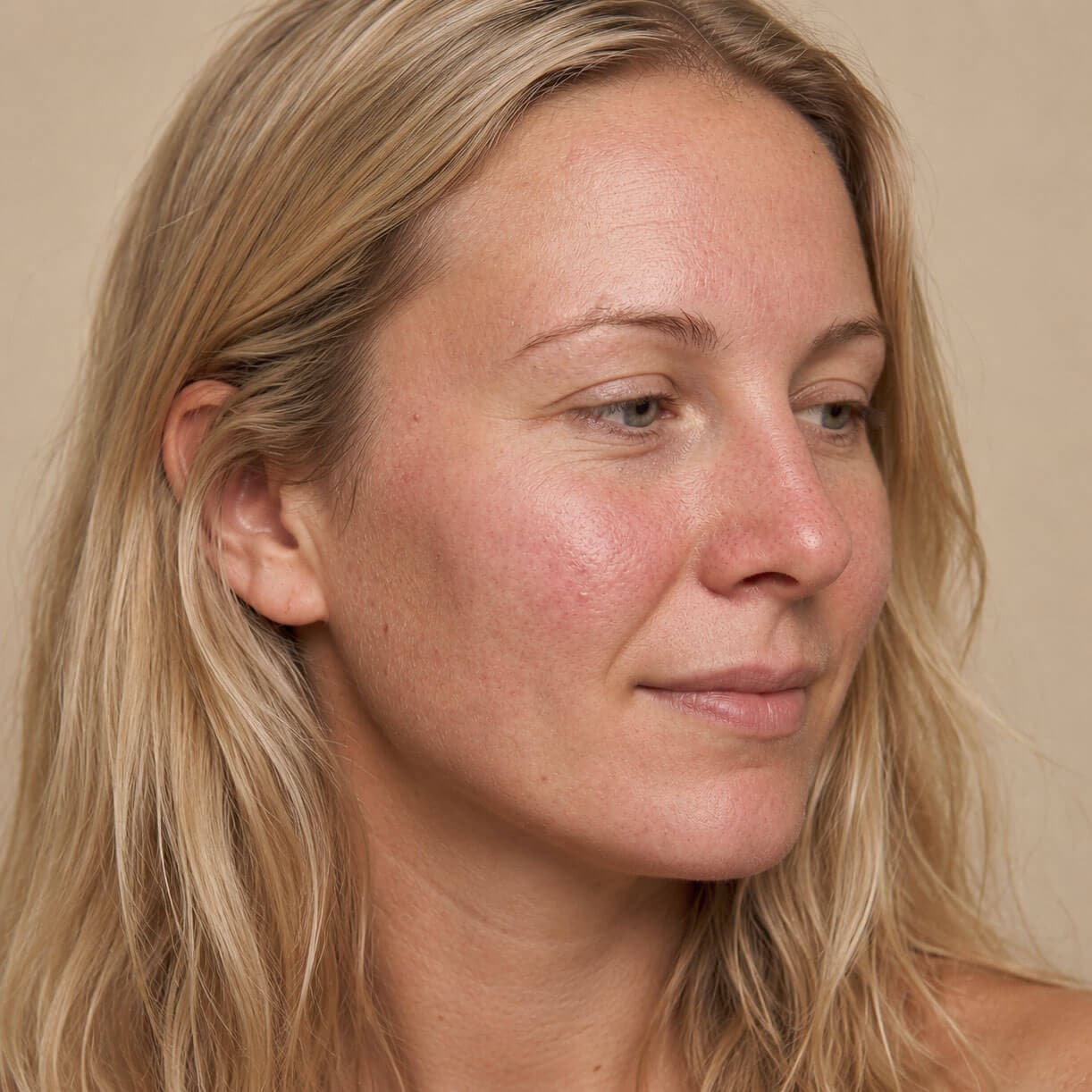
Sensitive skin
"Sensitive" is a symptom, not a diagnosis. Learn what drives reactive skin, the routine that calms it, and what to leave out.

Dry skin
Dry skin is usually a barrier problem, not simply a water problem. Here's the difference between dry and dehydrated, why it matters, and the routine that actually helps.

Acne and blemishes
A clear-headed guide to acne: what's actually happening in your skin, what the evidence says works, and a simple routine that doesn't make things worse.
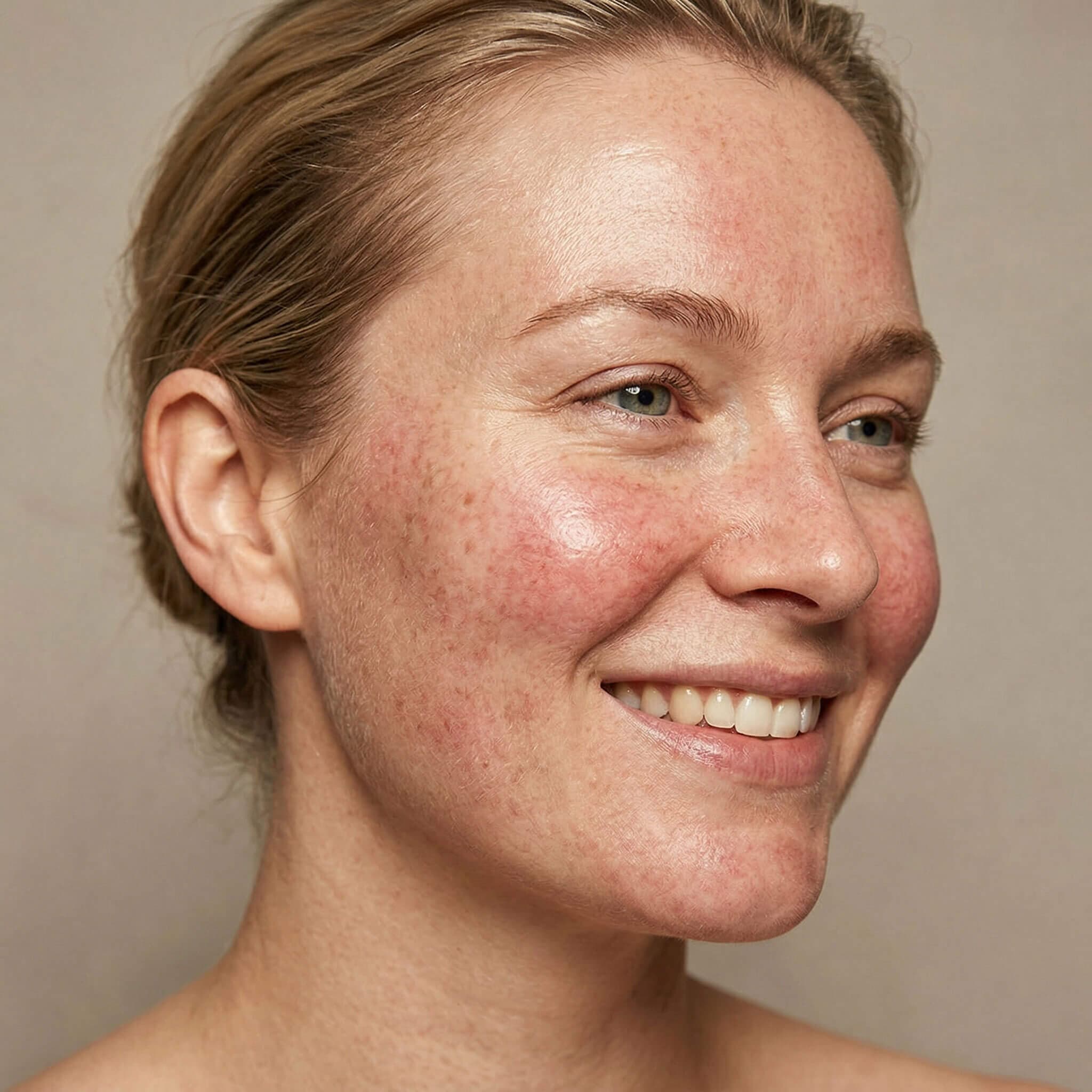
Rosacea and redness
Rosacea is a chronic inflammatory condition, not a temporary flush. Here's what causes it, what calms it, and the routine that doesn't make the reactivity worse.
Related ingredients
Citations
- Fiume MM, et al. Safety Assessment of Citric Acid, Inorganic Citrate Salts, and Alkyl Citrate Esters as Used in Cosmetics. Int J Toxicol. 2014;33(2 Suppl):16S-46S. — PMID 24861367
- Proksch E. pH in nature, humans and skin. J Dermatol. 2018;45(9):1044-1052. — PMID 29863755
- Choi EH, Kang H. Importance of Stratum Corneum Acidification to Restore Skin Barrier Function in Eczematous Diseases. Ann Dermatol. 2024;36(1):1-8. — PMID 38325428