
Mandelic acid
The largest common AHA, so it penetrates slowly — a practical choice for pigmentation and acne overlap when glycolic feels too aggressive or skin runs deeper in tone.
At a glance
What Mandelic acid does for skin, and how to read the practical safety signals.
- Large, slow AHA: Bigger molecule than glycolic and lactic, so penetration — and irritation — tend to be milder.
- Pigmentation-friendly: Often chosen when brightening goals meet easily reactive skin.
- Acne overlap: Clinical peel studies combine mandelic with salicylic for persistent blemish-prone skin.
- Type
- Acid
- Rating
- Pregnancy
- Considered safe
- Comedogenic rating
- 0/5 (Won't clog pores)
- Vegan
- Yes
- Suited skin types
- All skin types
On this page
The short answer
Mandelic acid is an alpha hydroxy acid derived from bitter almonds — though most cosmetic versions are synthetic, so no, your face does not smell like marzipan. It is the largest of the common face acids, which means it penetrates the skin slowly. Slow sounds boring until you have tried glycolic on a reactive cheek.
That slower entry makes mandelic acid a frequent pick for pigmentation, post-breakout marks, and acne-prone skin that still flares easily. It exfoliates. It does not kick the door in.
I think of it as the acid for people who need renewal but whose skin sends strongly worded feedback to anything labelled "intensive."
What the evidence actually shows
Acne tarda and combination peels. Dixit's randomised study compared low-dose isotretinoin alone with a combination including salicylic and mandelic peels in persistent adult acne[1]. The combination arm improved outcomes. Mandelic is rarely a solo hero here — it works as part of a sensible congestion-and-tone strategy alongside salicylic acid.
AHAs in acne care broadly. The Cochrane review on topical acne treatments included alpha hydroxy acids among options with evidence for mild disease[2]. Mandelic sits in that family with a tolerability profile that many clinicians prefer when skin is easily irritated.
Maintaining results after peels. Ditre's study on daily skincare after professional resurfacing showed that a consistent home regimen — including AHAs in maintenance formulas — helped preserve peel benefits[3]. The lesson for home use: mandelic is often a long-game ingredient, not a one-week panic button.
How to use it
- Concentration: Leave-on serums at 5–10% are typical. Clinic peels go higher; that is not the same product category.
- Frequency: Two to three evenings per week to start. Some people stay there permanently and get steady improvement.
- Application: Cleanse, apply mandelic, follow with moisturiser. Stop if persistent burning or peeling appears — that is information, not commitment.
- SPF: Non-negotiable when treating pigmentation or signs of ageing. Exfoliation without sun protection is self-sabotage with extra steps.
Patience matters. Pigment and texture change on a months-long clock, not a weekend one.
Where it fits in a routine
Mandelic acid fits the "one renewal act at a time" philosophy:
- Salicylic acid: complementary — BHA for pores, mandelic for surface tone. Alternate nights unless a formula was designed to combine them.
- Glycolic or lactic acid: pick one primary AHA rather than collecting the full alphabet.
- Niacinamide: stacks well for redness and uneven tone support.
- Retinol: alternate evenings during the tolerance build.
If you are already using a strong BHA treatment every night, you may not need mandelic at all. More acid is not more progress.
When it won't help
Mandelic acid will not replace prescription retinoids, isotretinoin, or clinician-managed peel protocols for severe acne. It will not fix melasma-level pigmentation alone. It is a poor choice on inflamed rosacea flares or broken skin.
Because it is gentler, some people mistake "gentler" for "use constantly." You can still over-exfoliate with mandelic. Tight, shiny, stingy skin is your skin asking for a week off.
And no AHA replaces sunscreen. Brightening ingredients work best when you stop adding new damage every sunny Tuesday.
My goal with this guide was to gather the useful science on mandelic acid in one place, so you can stop hunting for the next clever fix and do the simple, effective things your skin actually needs.
That is also why I made the Danish Skin Care Kit: a calm routine built around documented ingredients, and one that has helped more than 100,000 people with problem skin. If even the smallest question is still nagging you, send me an email at info@danishskincare.com.
Common questions
Is mandelic acid good for hyperpigmentation?
It is one of the AHAs formulators reach for when brightening and tolerability need to coexist. It exfoliates pigmented surface cells slowly. Pair it with SPF and realistic timelines — months, not days.
Mandelic acid vs glycolic acid — which should I pick?
Glycolic is faster and more intense — good for resilient skin and photoaging texture. Mandelic is slower and often better tolerated on reactive skin and for pigmentation-focused goals.
Can mandelic acid help acne?
It can support acne-prone skin as part of a broader routine. Peel studies often combine mandelic with salicylic acid for better results than either alone. It is not a solo fix for deep cystic acne.
Reading a real label?
Scan a product to see how it is formulated
Upload a photo of the ingredient list and get a quick ingredient-by-ingredient read against the evidence-led database.
I recommend these products

Salicylic acid is our in-formula BHA for congestion. Mandelic is the AHA path when tone and texture matter more than pore depth.

Niacinamide and azelaic acid cover overlapping pigmentation goals without adding another exfoliant layer.

Keep the core routine stable first — cleanser, treatment, moisturiser, SPF — then add mandelic if you still need more renewal.
Skin conditions it actively helps with
Where the published evidence puts Mandelic acid on the short list of active ingredients worth reaching for.
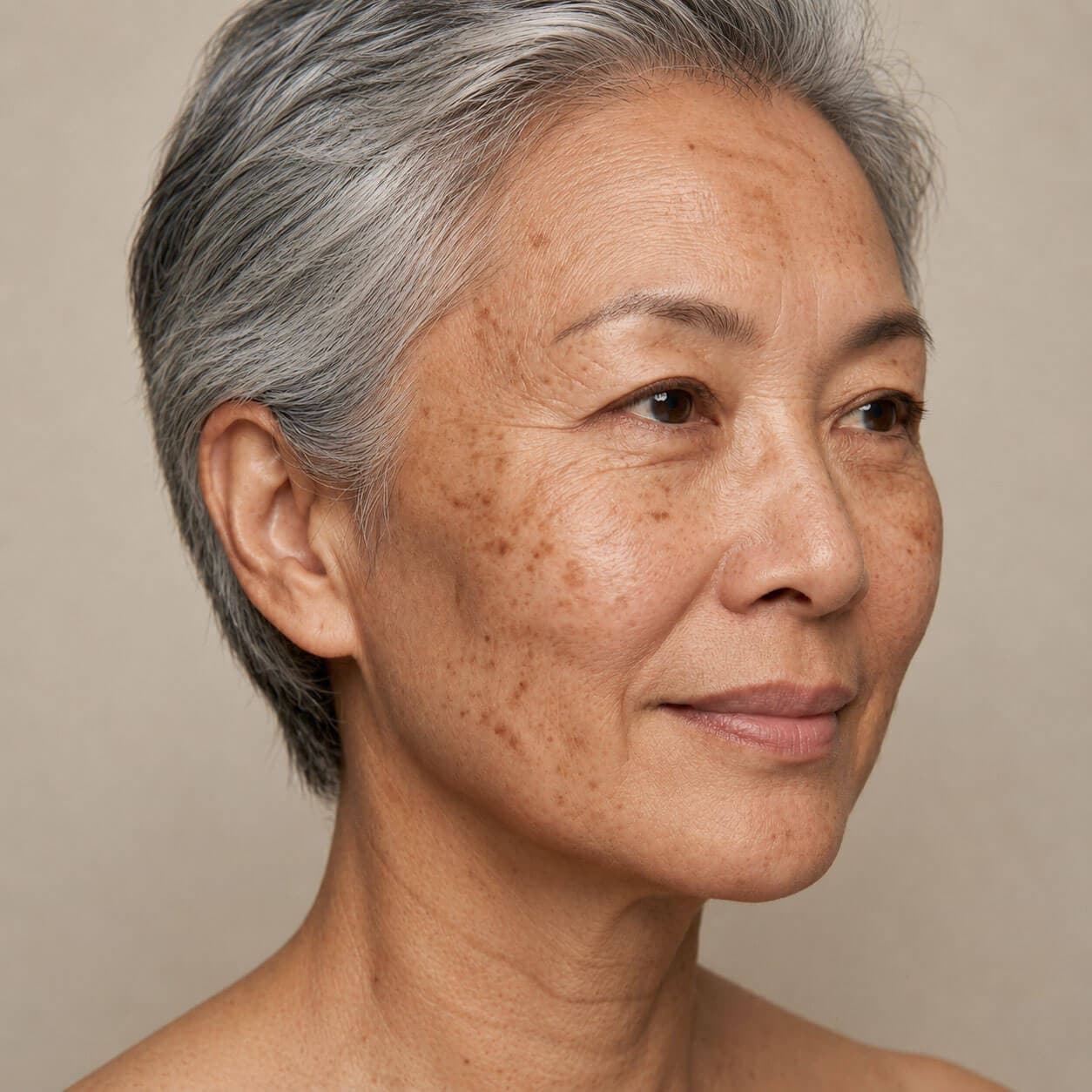
Pigmentation
Pigmentation is one of the most-asked-about, most-misunderstood skin concerns. Here's what's happening in your skin and the slow, evidence-led routine that actually fades it.
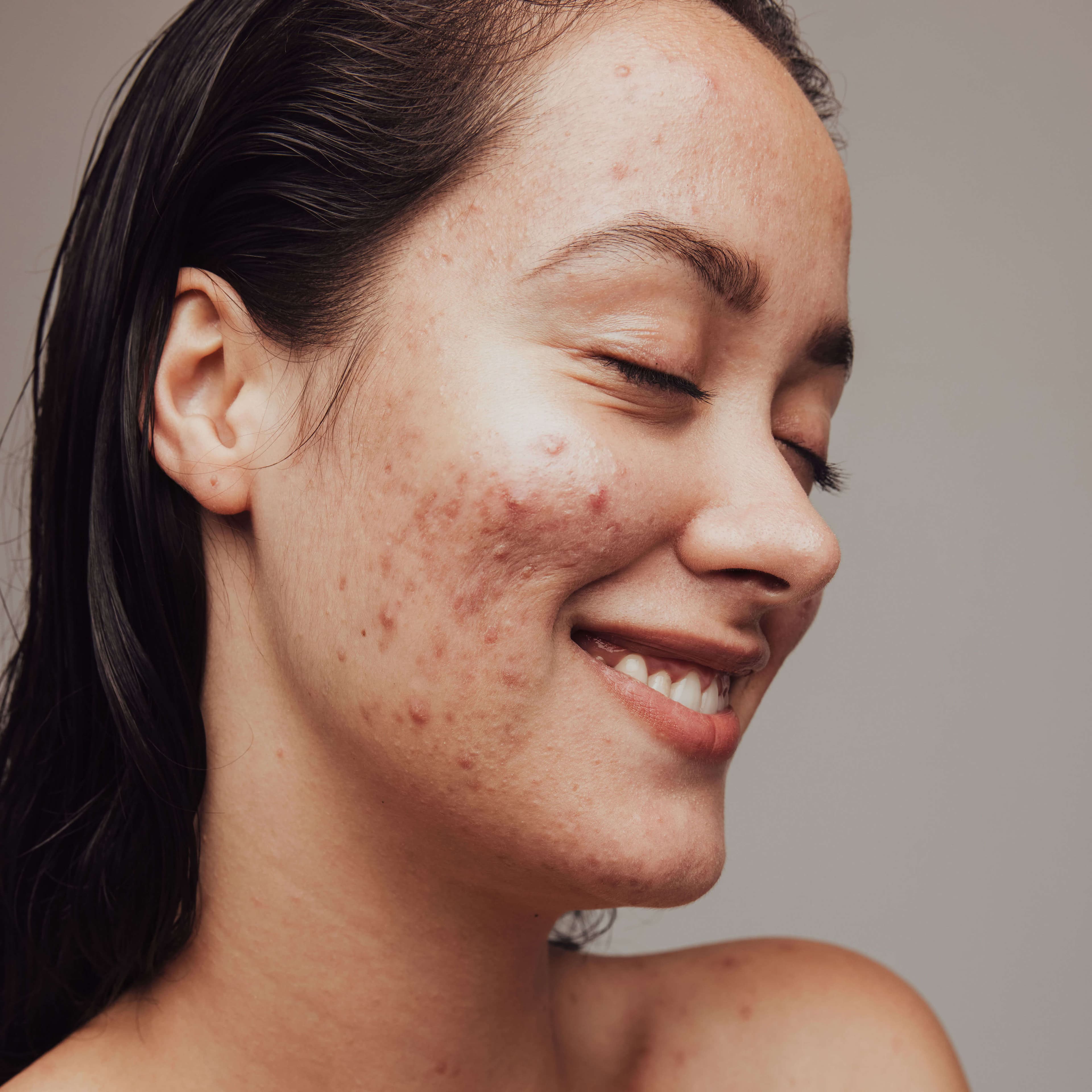
Acne and blemishes
A clear-headed guide to acne: what's actually happening in your skin, what the evidence says works, and a simple routine that doesn't make things worse.
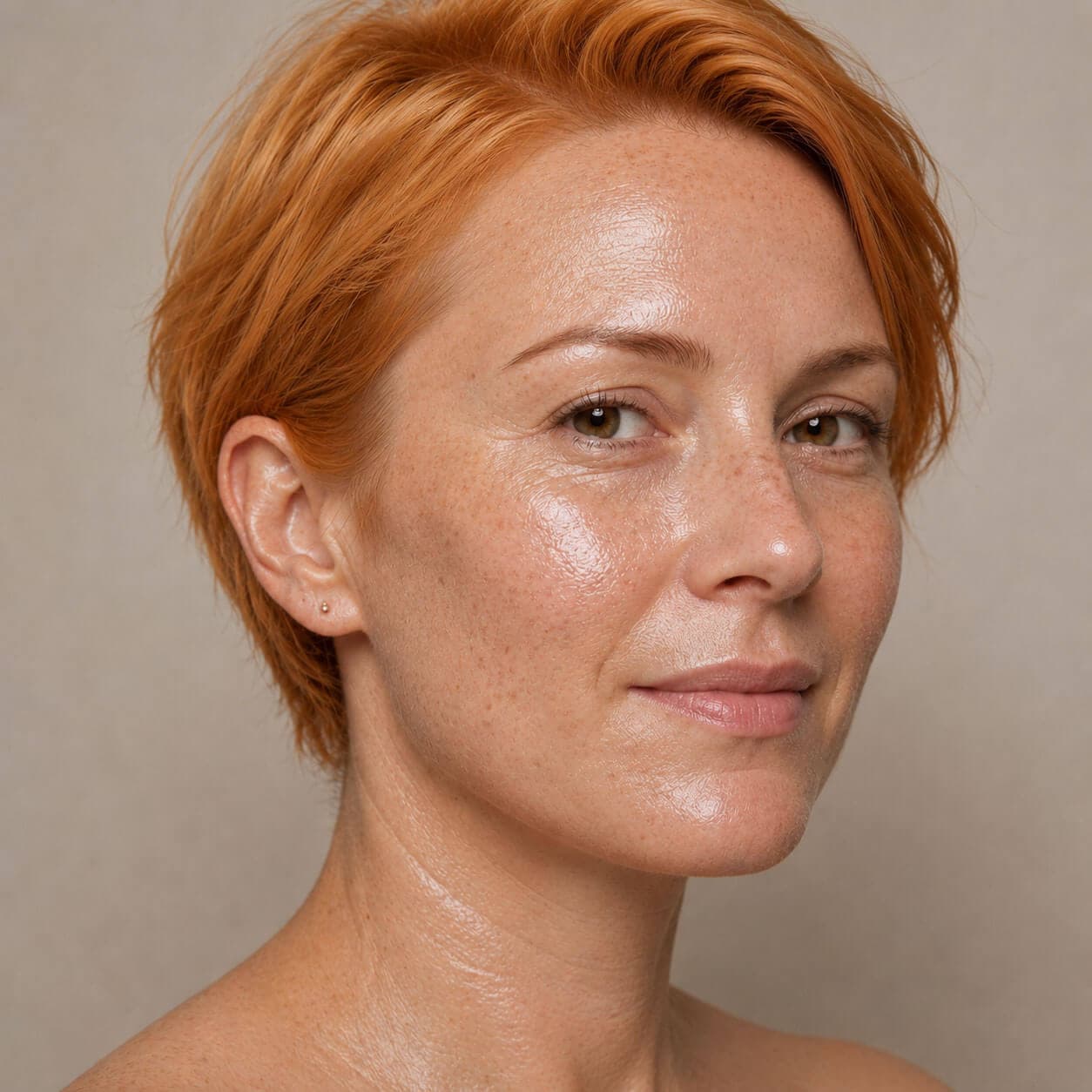
Oily skin
Oily skin isn't a problem to "fix". It's a feature with trade-offs. Here's what actually controls sebum, what doesn't, and the routine that works without stripping.

Signs of ageing
Wrinkles, sallowness, slack tone, and uneven pigment all share the same drivers. Here's the unglamorous routine that genuinely slows them.
Related ingredients
Citations
- Dixit N, et al. Randomized prospective study of low-dose isotretinoin alone and combination with salicylic acid and mandelic peel against acne tarda. J Cosmet Dermatol. 2022;21(10):4217–4224. — PMID 35388606
- Liu H, et al. Topical azelaic acid, salicylic acid, nicotinamide, sulphur, zinc and fruit acid (alpha-hydroxy acid) for acne. Cochrane Database Syst Rev. 2020;(5):CD011368. — PMID 32356369
- Ditre CM, et al. The effects of a daily skincare regimen on maintaining the benefits obtained from previous chemical resurfacing treatments. J Drugs Dermatol. 2016;15(9):1145–1150. — PMID 27602981