
Centella asiatica
A well-studied botanical for calming irritated skin and supporting repair pathways. Useful in sensitive-skin formulas, but not a substitute for prescription care when inflammation is severe.
At a glance
What Centella asiatica does for skin, and how to read the practical safety signals.
- Cica basics: Centella asiatica extract is rich in triterpenes such as asiaticoside and madecassoside that support collagen and repair signalling.
- Calm, not cure: Best evidence sits in wound healing and irritation support; everyday face creams use lower concentrations for soothing.
- Trend-proof core: Popular in K-beauty as cica, but the plant has decades of dermatology literature behind it.
- Type
- Botanical extract
- Rating
- Pregnancy
- Considered safe
- Comedogenic rating
- 0/5 (Won't clog pores)
- Vegan
- Yes
- Suited skin types
- All skin types
On this page
The short answer
Centella asiatica is the plant behind cica, gotu kola, and about half the calming serums launched in the last five years. INCI lists it as Centella Asiatica Extract.
It is a botanical with real dermatology literature, not TikTok packaging. The active story centres on pentacyclic triterpenes like asiaticoside, madecassoside, asiatic acid, and madecassic acid. Those compounds influence collagen synthesis, inflammation, and repair pathways that matter when skin is irritated, compromised, or recovering.
In everyday skincare, centella is mainly used to soothe, support barrier comfort, and make active routines feel less punishing. It is not a magic eraser for redness, acne, or wrinkles on its own.
What the evidence actually shows
Cosmetic and repair overview. A 2013 review[1] summarises Centella asiatica's use in cosmetology and wound contexts, noting promotion of fibroblast proliferation, collagen synthesis, and improved tensile strength in healing skin, alongside anti-inflammatory effects in hypertrophic scar models. The same review discusses interest in photoaging, though everyday face-cream evidence is thinner than wound literature.
Wound healing systematic review. A 2022 systematic review[2] of clinical trials found signals for improved wound contraction, re-epithelialization, and reduced inflammatory markers, while noting that more standardised studies are still needed before anyone should treat centella like a drug.
Which compounds do the work. A 2013 mechanistic study[3] comparing centella's major triterpenes in burn wound models found that glycosides madecassoside and asiaticoside - more than their acid metabolites - were the principal active constituents for healing speed and collagen support.
Translation for your bathroom shelf: centella is credible as a soothing, repair-adjacent botanical. The gap between wound trials and your moisturiser is real. Concentration, extraction, and the rest of the formula all matter.
How to use it
- Look for: extract in serums, creams, or masks aimed at sensitive or post-treatment skin.
- Routine placement: after cleansing, before heavier creams or SPF.
- Frequency: daily use is common; patch test if you react to many botanicals.
- Expectation: calming and comfort over weeks, not one-night transformation.
If your skin throws a fit every time you add something new, centella is often worth trying before you reach for the next acid serum with a louder label.
Where it fits in a routine
Centella sits comfortably beside:
- Niacinamide: barrier and redness support from a different angle.
- Panthenol and allantoin: the quiet comfort team for irritated routines.
- Aloe vera: another soothing botanical often paired with cica.
- Salicylic acid or retinol: centella can help the surrounding formula feel less hostile when breakouts or renewal are the goal.
For sensitive skin and rosacea, centella is often a sensible supporting choice. For acne and blemishes, it helps with the irritation side of the story, not the clog-clearing side.
When it won't help
Centella will not replace prescription rosacea therapy, clear moderate acne, or fix deep pigmentation. It also will not rescue a routine built on stripping cleansers, daily strong acids, and no moisturiser.
Helpful teammate. Not the entire game plan.
The practical takeaway
My goal with this guide was to gather the useful science on centella asiatica in one place, so you can stop hunting for the next clever fix and do the simple, effective things your skin actually needs.
That is also why I made the Danish Skin Care Kit: a calm routine built around documented ingredients, and one that has helped more than 100,000 people with problem skin. If even the smallest question is still nagging you, send me an email at info@danishskincare.com.
Common questions
Is cica the same as centella asiatica?
Yes. Cica is the cosmetic shorthand for Centella asiatica extract. Gotu kola is the common plant name. Same ingredient, different marketing accent.
Does centella help acne?
It may help calm inflammation around breakouts and make active treatments easier to tolerate. It is not a primary acne treatment like salicylic acid or retinol.
Can centella replace prescription rosacea care?
No. It can support a gentle routine for redness-prone skin, but rosacea that flares regularly needs proper medical assessment.
Reading a real label?
Scan a product to see how it is formulated
Upload a photo of the ingredient list and get a quick ingredient-by-ingredient read against the evidence-led database.
I recommend these products

Centella is not in our core formulas, but the Kit's soothing support actives—panthenol, allantoin, and niacinamide—serve a similar calm-the-routine role for sensitive skin.
Skin conditions it actively helps with
Where the published evidence puts Centella asiatica on the short list of active ingredients worth reaching for.
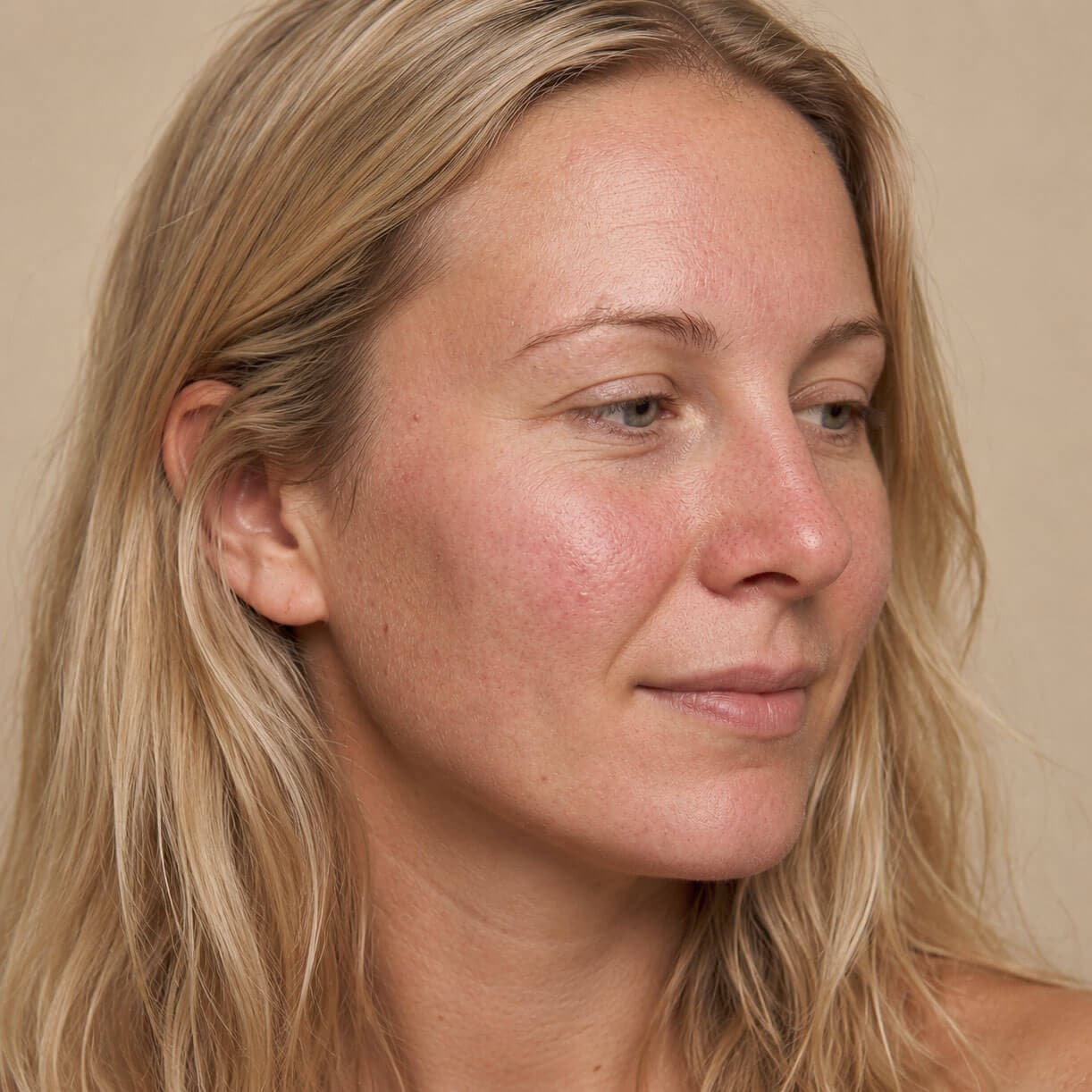
Sensitive skin
"Sensitive" is a symptom, not a diagnosis. Learn what drives reactive skin, the routine that calms it, and what to leave out.

Dry skin
Dry skin is usually a barrier problem, not simply a water problem. Here's the difference between dry and dehydrated, why it matters, and the routine that actually helps.
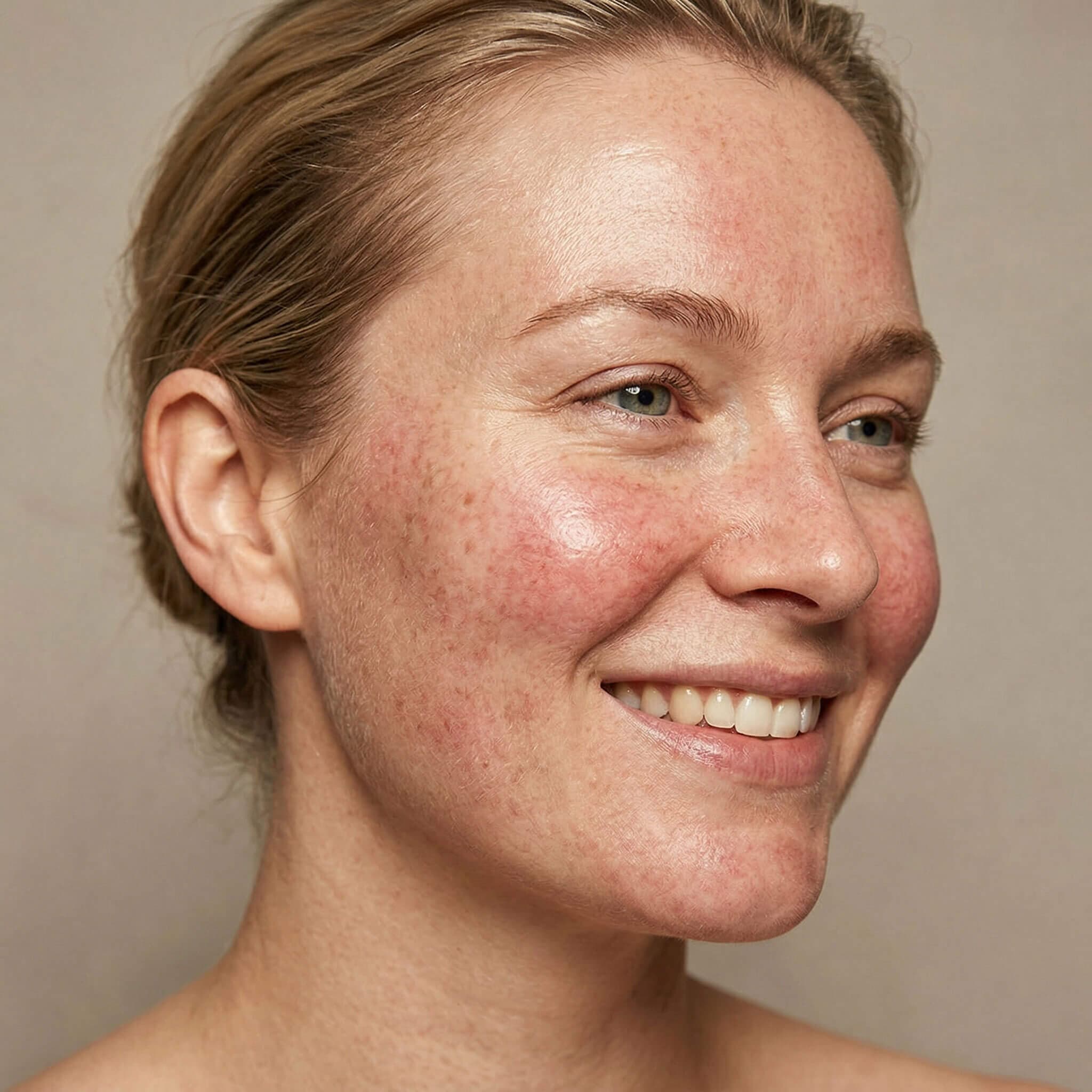
Rosacea and redness
Rosacea is a chronic inflammatory condition, not a temporary flush. Here's what causes it, what calms it, and the routine that doesn't make the reactivity worse.
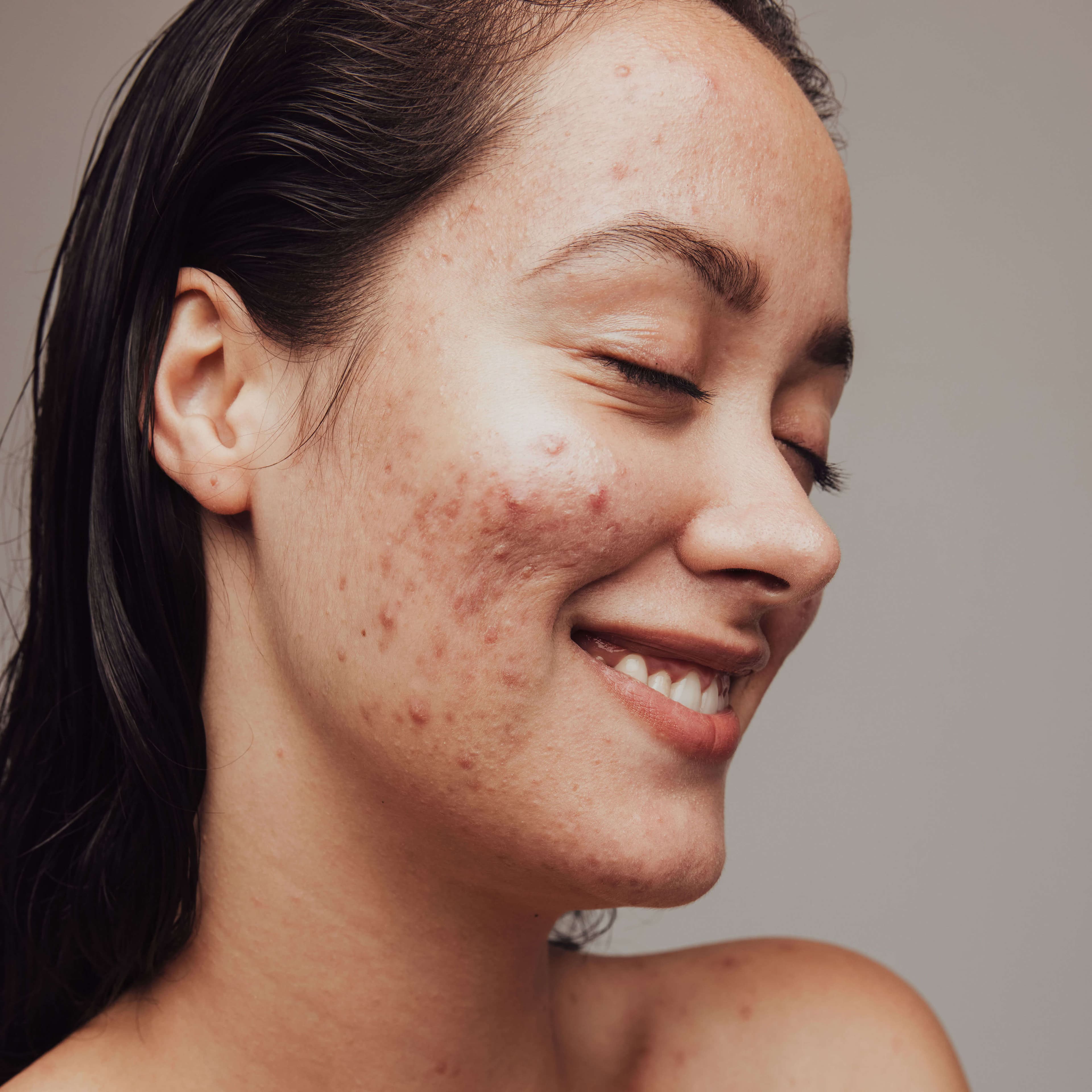
Acne and blemishes
A clear-headed guide to acne: what's actually happening in your skin, what the evidence says works, and a simple routine that doesn't make things worse.
Related ingredients
Citations
- Bylka W, et al. Centella asiatica in cosmetology. Postepy Dermatol Alergol. 2013;30(1):46–49. — PMID 24278045
- Arribas-López E, et al. A Systematic Review of the Effect of Centella asiatica on Wound Healing. Int J Environ Res Public Health. 2022;19(4):2266. — PMID 35328954
- Wu F, et al. Identification of Major Active Ingredients Responsible for Burn Wound Healing of Centella asiatica Herbs. Evid Based Complement Alternat Med. 2013;2013:848047. — PMID 23346217