
Dipotassium Glycyrrhizate
A licorice-derived soothing ingredient with credible anti-inflammatory research — useful for redness-prone and uneven-tone routines, but modest at typical cosmetic concentrations.
At a glance
What Dipotassium Glycyrrhizate does for skin, and how to read the practical safety signals.
- Licorice connection: A purified salt from glycyrrhizic acid in licorice root — not the candy, but the same plant family.
- Calm, not cure: Best evidence points to anti-inflammatory and soothing support; everyday face creams use small amounts for redness and comfort.
- Pigmentation nuance: May complement brightening routines, but is not a replacement for azelaic acid, retinoids, or prescription care.
- Type
- Botanical extract
- Rating
- Pregnancy
- Considered safe
- Comedogenic rating
- 0/5 (Won't clog pores)
- Vegan
- Yes
- Suited skin types
- All skin types
On this page
The short answer
Dipotassium glycyrrhizate is the INCI name for a licorice root derivative — a dipotassium salt of glycyrrhizic acid from Glycyrrhiza glabra. On labels you may also see it grouped under licorice root extract marketing, though the purified salt is more specific than a generic botanical water.
In skincare it is used mainly for soothing, anti-inflammatory support, and skin conditioning. It shows up in formulas aimed at sensitive skin, rosacea, and routines where redness and uneven tone need calm handling — sometimes alongside brightening actives for the irritation side of the pigmentation story.
It is not a replacement for azelaic acid, retinol, or prescription care. It is the ingredient that helps some people tolerate the rest of the routine.
What the evidence actually shows
Atopic dermatitis-like skin models. A 2019 study[1] using IL-4 and IL-13-stimulated skin equivalents found that dipotassium glycyrrhizate reduced atopic dermatitis-related gene expression, improved barrier-related markers, and lowered release of AD-associated cytokines. That is lab-model evidence, not a guarantee your moisturiser erases eczema — but it supports the cosmetic claim of anti-inflammatory soothing rather than pure marketing folklore.
Safety and typical use levels. The CIR safety assessment of glycyrrhizates[2] reports dipotassium glycyrrhizate at concentrations up to about 1% in cosmetics, with low transepidermal penetration in tested models. The panel reviewed dermal safety across the glycyrrhizic acid salt family. For everyday face products, the practical message is: used as directed in rinse-off and leave-on cosmetics, it has an established safety profile — distinct from eating large amounts of licorice candy, which is a different exposure entirely.
Anti-inflammatory mechanisms. A 2021 review[3] of glycyrrhizic and glycyrrhetinic acids summarises modulation of cytokines, NF-κB signalling, and inflammatory mediators like COX-2 and prostaglandins. Again, much of this literature is preclinical or mechanism-focused. In a bathroom context, the honest promise is calmer, less reactive skin over time — not one-night transformation.
How to use it
- Look for: dipotassium glycyrrhizate or licorice-root-derived actives in serums, creams, and masks aimed at redness or sensitive skin.
- Routine placement: after cleansing, before heavier creams or SPF.
- Frequency: daily use is common in gentle formulas; patch test if you react to many botanicals.
- Expectation: soothing and comfort over weeks, especially when paired with barrier support.
If your face flares easily when you add new products, licorice-derived soothing is often worth trying before you reach for another aggressive active.
Where it fits in a routine
Dipotassium glycyrrhizate sits comfortably beside:
- Niacinamide: barrier and redness support from a different mechanism.
- Azelaic acid: stronger documented support for redness, breakouts, and uneven tone — a different intensity level, often complementary in philosophy.
- Panthenol and allantoin: the quiet comfort team for irritated routines.
- Alpha arbutin and centella asiatica: common partners in calming, tone-evening formulas.
For pigmentation, licorice derivatives are sometimes included to soothe skin while brighter actives work — inflammation and post-inflammatory marks often travel together. DPG addresses the irritation side; it does not replace the active side.
When it won't help
Dipotassium glycyrrhizate will not clear moderate acne, replace prescription rosacea therapy, or fade deep melasma on its own. It will not rescue a routine built on daily strong acids, fragranced everything, and no moisturiser.
Helpful teammate for redness and comfort. Not the entire game plan.
The practical takeaway
My goal with this guide was to gather the useful science on dipotassium glycyrrhizate in one place, so you can stop hunting for the next clever fix and do the simple, effective things your skin actually needs.
That is also why I made the Danish Skin Care Kit: a calm routine built around documented ingredients, and one that has helped more than 100,000 people with problem skin. If even the smallest question is still nagging you, send me an email at info@danishskincare.com.
Common questions
Is dipotassium glycyrrhizate the same as licorice extract?
Closely related. Licorice extract is the broader botanical; dipotassium glycyrrhizate is a specific purified salt of glycyrrhizic acid from licorice root, listed precisely on INCI labels.
Does licorice extract help redness?
It may help. Research on dipotassium glycyrrhizate points to anti-inflammatory pathways that could support redness-prone skin, but cosmetic concentrations are lower than many lab models — expect calm support, not instant erasure.
Can dipotassium glycyrrhizate fade dark spots?
It is sometimes included in brightening formulas for soothing and anti-inflammatory support around pigmentation, but it is not a primary depigmenting active like azelaic acid, retinol, or alpha arbutin.
Reading a real label?
Scan a product to see how it is formulated
Upload a photo of the ingredient list and get a quick ingredient-by-ingredient read against the evidence-led database.
I recommend these products

Dipotassium glycyrrhizate is not in our core INCI lists, but the Optimizer's azelaic acid and niacinamide target similar redness and uneven-tone concerns from a stronger active angle.

The Kit's soothing support — panthenol, allantoin, chamomile, and niacinamide — plays a parallel calm-the-routine role for redness-prone skin.
Skin conditions it actively helps with
Where the published evidence puts Dipotassium Glycyrrhizate on the short list of active ingredients worth reaching for.
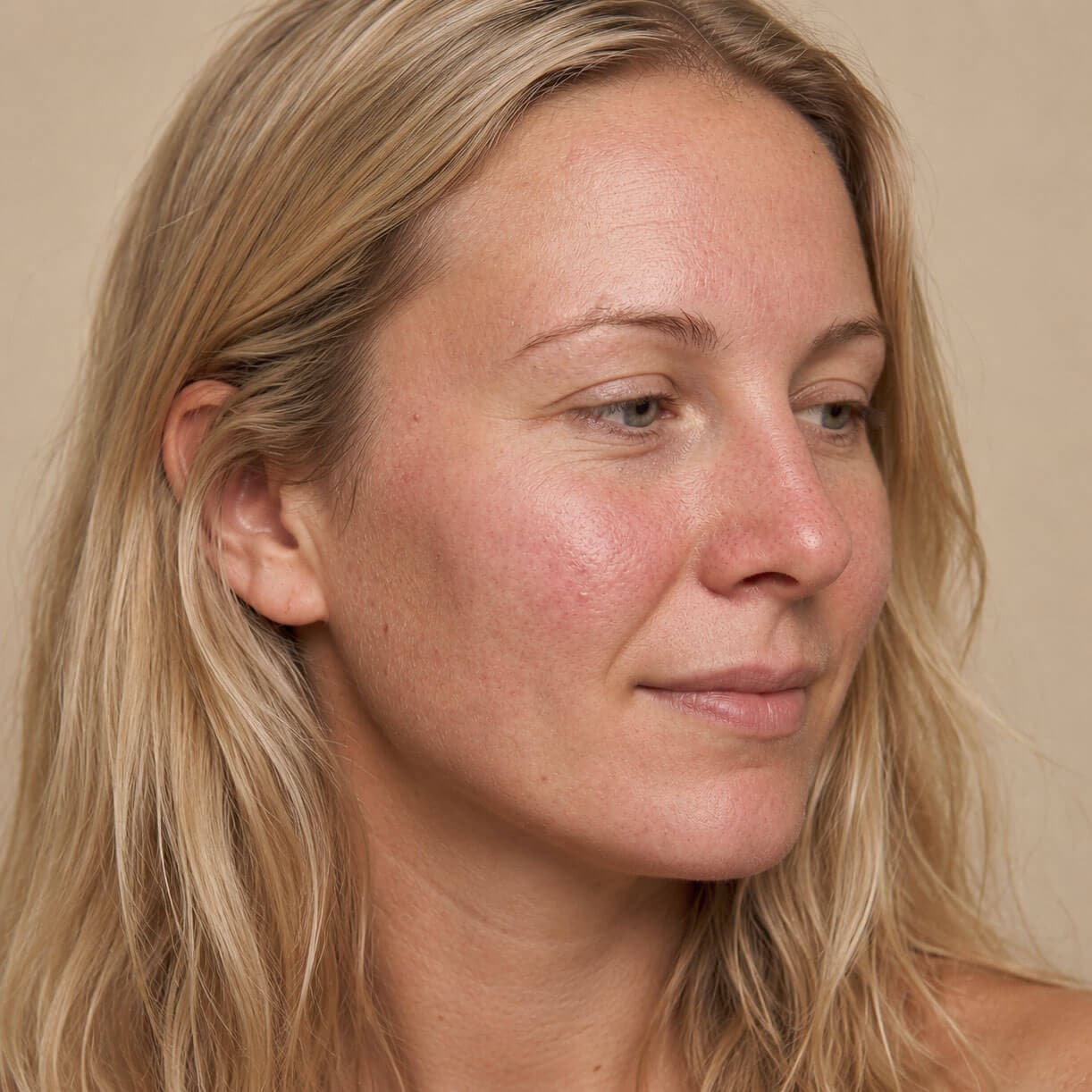
Sensitive skin
"Sensitive" is a symptom, not a diagnosis. Learn what drives reactive skin, the routine that calms it, and what to leave out.
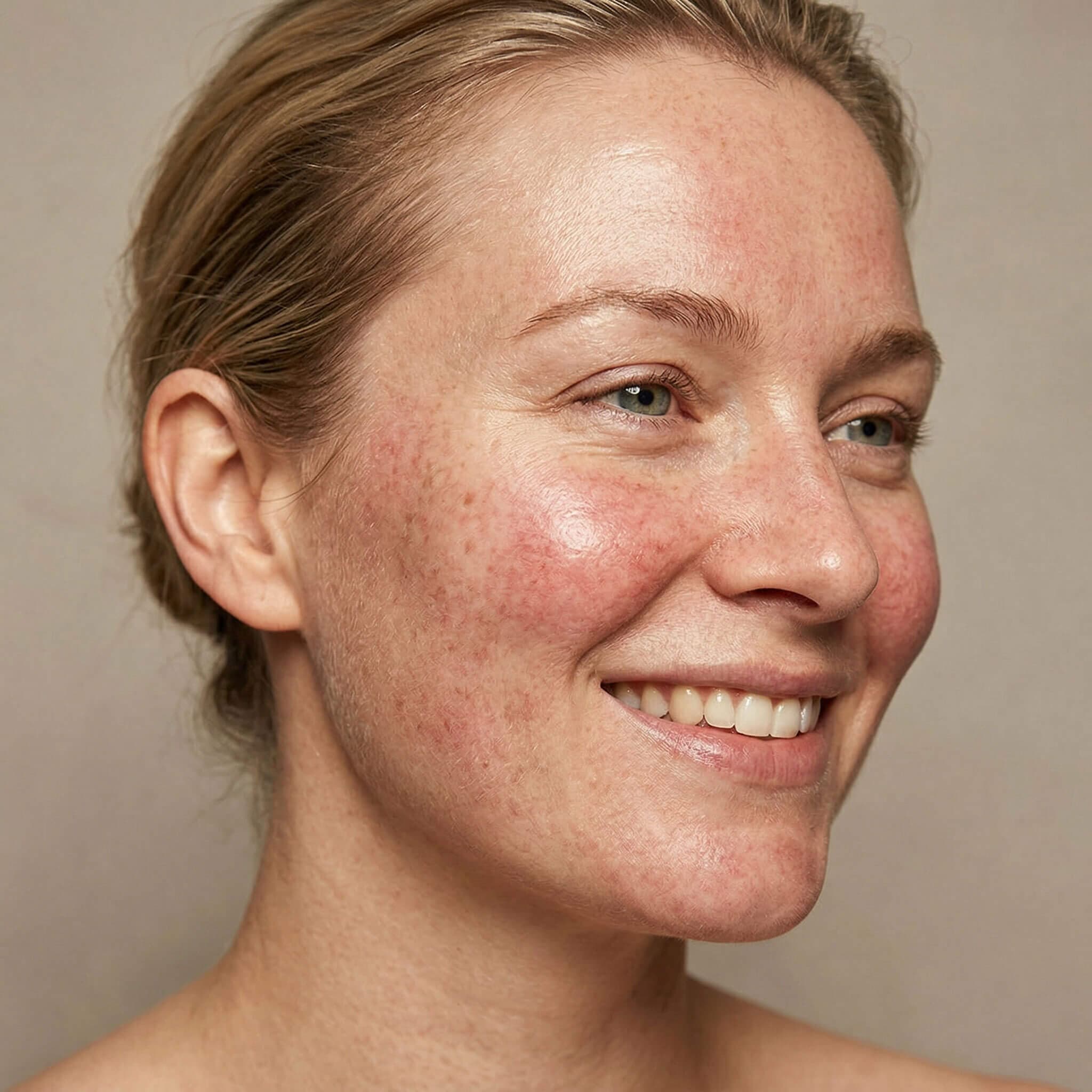
Rosacea and redness
Rosacea is a chronic inflammatory condition, not a temporary flush. Here's what causes it, what calms it, and the routine that doesn't make the reactivity worse.
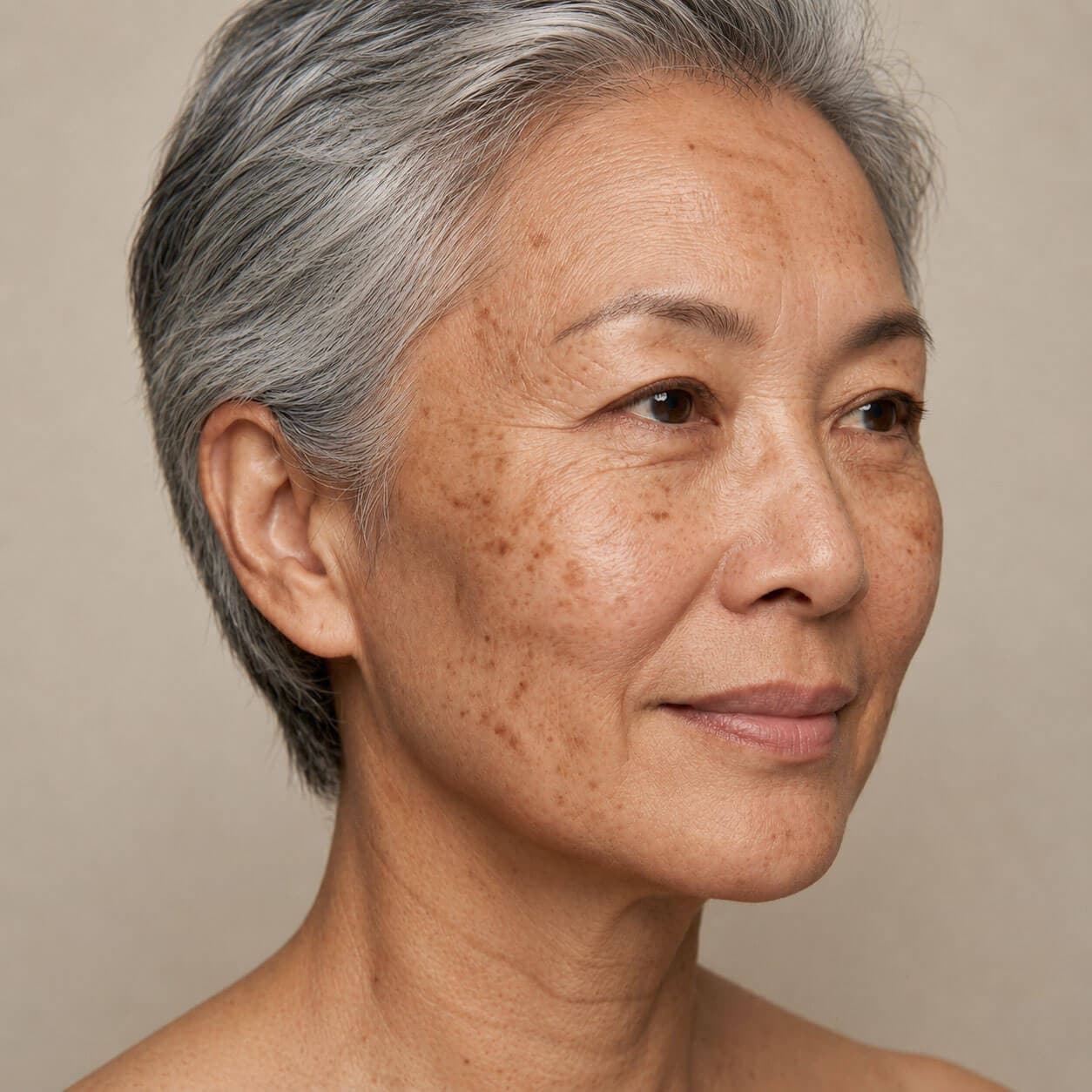
Pigmentation
Pigmentation is one of the most-asked-about, most-misunderstood skin concerns. Here's what's happening in your skin and the slow, evidence-led routine that actually fades it.
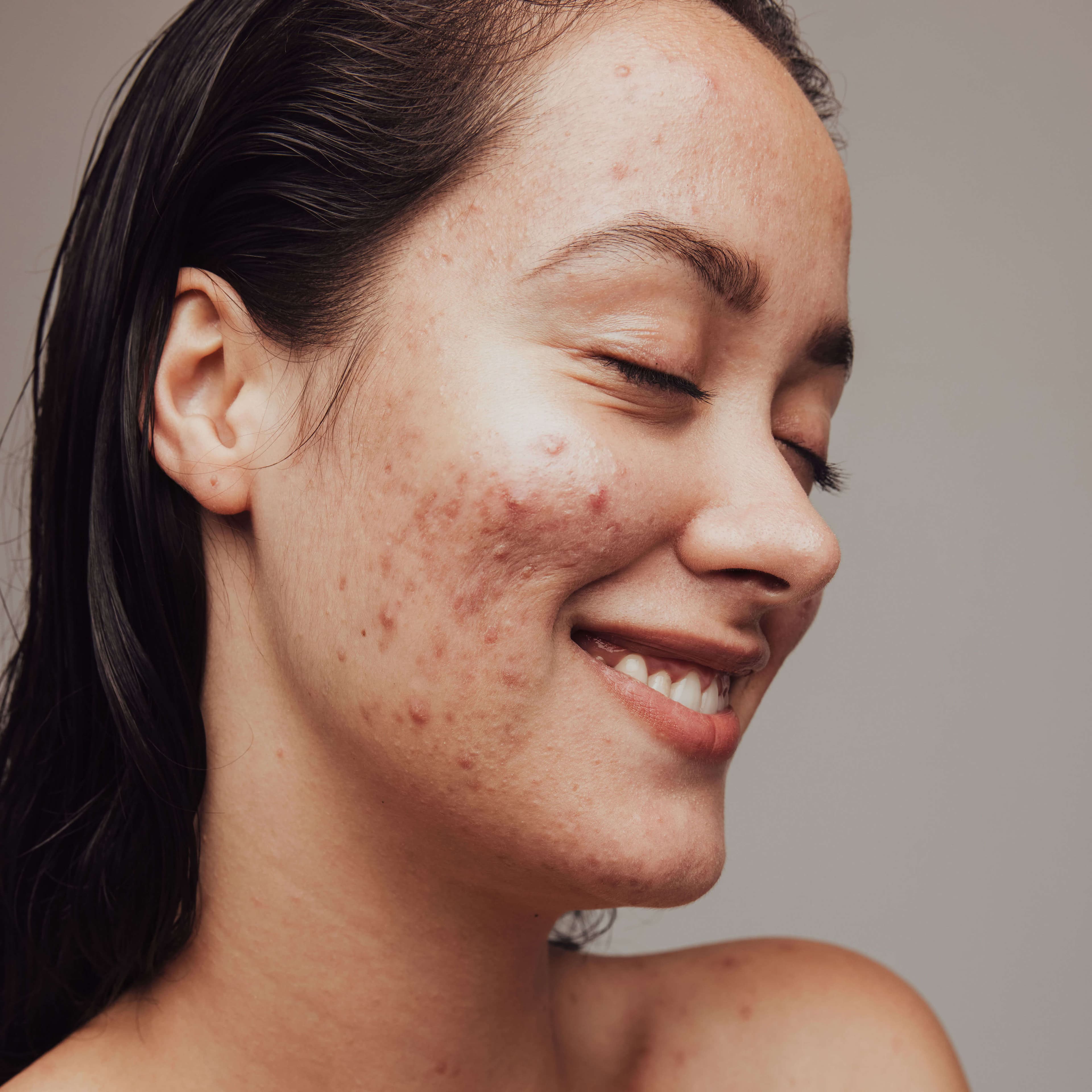
Acne and blemishes
A clear-headed guide to acne: what's actually happening in your skin, what the evidence says works, and a simple routine that doesn't make things worse.
Related ingredients
Citations
- Lee SH, et al. Ameliorating effect of dipotassium glycyrrhizinate on an IL-4- and IL-13-induced atopic dermatitis-like skin-equivalent model. Arch Dermatol Res. 2019;311(2):131-140. — PMID 30506356
- Cosmetic Ingredient Review Expert Panel. Final report on the safety assessment of Glycyrrhetinic Acid, Potassium Glycyrrhetinate, Disodium Succinoyl Glycyrrhetinate, Glyceryl Glycyrrhetinate, Glycyrrhetinyl Stearate, Stearyl Glycyrrhetinate, Glycyrrhizic Acid, Ammonium Glycyrrhizate, Dipotassium Glycyrrhizate, Disodium Glycyrrhizate, Trisodium Glycyrrhizate, Methyl Glycyrrhizate, and Potassium Glycyrrhizinate. Int J Toxicol. 2007;26 Suppl 2:79-112. — PMID 17613133
- Richard SA. Exploring the Pivotal Immunomodulatory and Anti-Inflammatory Potentials of Glycyrrhizic and Glycyrrhetinic Acids. Mediators Inflamm. 2021;2021:6699560. — PMID 33505216