
Caprylyl Glycol
A multifunctional 1,2-glycol that adds light hydration, skin conditioning, and preservative support — especially useful in leave-on creams where fewer harsh preservatives are needed.
At a glance
What Caprylyl Glycol does for skin, and how to read the practical safety signals.
- Two jobs, one molecule: Mild humectant and emollient feel, plus a boost to the preservative system so formulas stay safe with gentler preservation.
- Leave-on friendly: Common in day and night moisturisers where daily comfort matters as much as shelf life.
- Support, not spotlight: Helps the cream feel usable; will not replace moisturiser, SPF, or actives for specific concerns.
- Type
- Humectant
- Rating
- Pregnancy
- Considered safe
- Comedogenic rating
- 0/5 (Won't clog pores)
- Vegan
- Yes
- Suited skin types
- All skin types
On this page
The short answer
Caprylyl glycol is one of those ingredients that does honest work without asking for credit. INCI lists it as Caprylyl Glycol — chemically a C8 1,2-diol, also known as 1,2-octanediol.
In leave-on skincare it typically plays three roles at once: light humectant, skin-conditioning emollient, and preservative booster. That last part matters more than it sounds. Modern creams aim to stay safe on your shelf without relying on a heavy preservative load — caprylyl glycol helps the system work at lower, gentler levels.
You will find it in day creams, night creams, and serums where daily comfort and long-term use matter. It is support staff, not the headline active.
What the evidence actually shows
Safety and cosmetic functions. The CIR safety assessment of 1,2-glycols[1] — which includes caprylyl glycol — reports use as skin-conditioning agent, emollient, and preservative at concentrations up to about 5% in surveyed products. The Expert Panel concluded these ingredients are safe in present practices of use when formulated appropriately.
Preservation synergy. A 2016 study[2] of alternative preservative blends found that combinations including caprylyl glycol showed lower minimum inhibitory concentrations than individual ingredients alone — meaning the blend worked more efficiently as a broad-spectrum system. That is the science behind "preservative booster": not magic, better teamwork inside the formula.
Glycol class context. Propylene glycol's CIR review[3] situates short-chain glycols as common solvents and humectants with extensive safety data. Caprylyl glycol sits in the same functional family — slightly longer chain, a bit more emollient, often chosen when formulators want hydration plus conditioning without a sticky finish.
How to use it
You encounter caprylyl glycol inside finished products, not as a standalone step:
- Morning moisturiser with SPF — humectant and preservation support in a product you actually wear daily.
- Night cream — helps the formula stay comfortable alongside retinol and hydrators.
- Serums and emulsions — texture and microbiological stability in leave-on formulas.
No special application rules. If the cream feels light and you use it consistently, caprylyl glycol is often part of why.
Where it fits in a routine
Caprylyl glycol pairs naturally with:
- Glycerin and sodium hyaluronate: the hydration layer in the same cream.
- Panthenol and allantoin: soothing support for daily tolerability.
- Niacinamide: barrier-friendly actives in a stable emulsion base.
For sensitive skin and rosacea, multifunctional support ingredients like this help moisturisers stay wearable — which, in my experience, matters more than any single "miracle" active you use twice and abandon.
When it won't help
Caprylyl glycol will not treat acne, fade pigmentation, or replace sunscreen. It will not fix a routine built on over-exfoliation and no moisturiser.
If you are allergic or highly reactive to many glycols — uncommon, but possible — patch test new products. For most people, caprylyl glycol is one of the calm, boring ingredients that keeps a formula usable.
The practical takeaway
My goal with this guide was to gather the useful science on caprylyl glycol in one place, so you can stop hunting for the next clever fix and do the simple, effective things your skin actually needs.
That is also why I made the Danish Skin Care Kit: a calm routine built around documented ingredients, and one that has helped more than 100,000 people with problem skin. If even the smallest question is still nagging you, send me an email at info@danishskincare.com.
Common questions
What does caprylyl glycol do in skincare?
It is mainly a skin-conditioning humectant with mild emollient feel, and it also boosts preservative systems so products stay microbiologically safe with fewer harsh preservatives.
Is caprylyl glycol a preservative?
Partly. On its own it has some antimicrobial activity, but in most face creams it works as a preservative booster alongside ingredients like phenoxyethanol and organic acids — not as the only preservative.
Is caprylyl glycol safe for sensitive skin?
At typical cosmetic concentrations, yes. The CIR safety assessment found 1,2-glycols including caprylyl glycol safe in present practices of use. If you react, consider the full formula rather than this single ingredient.
Reading a real label?
Scan a product to see how it is formulated
Upload a photo of the ingredient list and get a quick ingredient-by-ingredient read against the evidence-led database.
Found in these Danish Skin Care products

Caprylyl glycol supports hydration and preservative efficacy in the morning moisturiser and SPF step.

Part of the night cream's humectant and preservation support alongside glycerin, panthenol, and allantoin.

Caprylyl glycol runs through the day and night moisturiser steps in the full Kit routine.
Skin conditions it actively helps with
Where the published evidence puts Caprylyl Glycol on the short list of active ingredients worth reaching for.
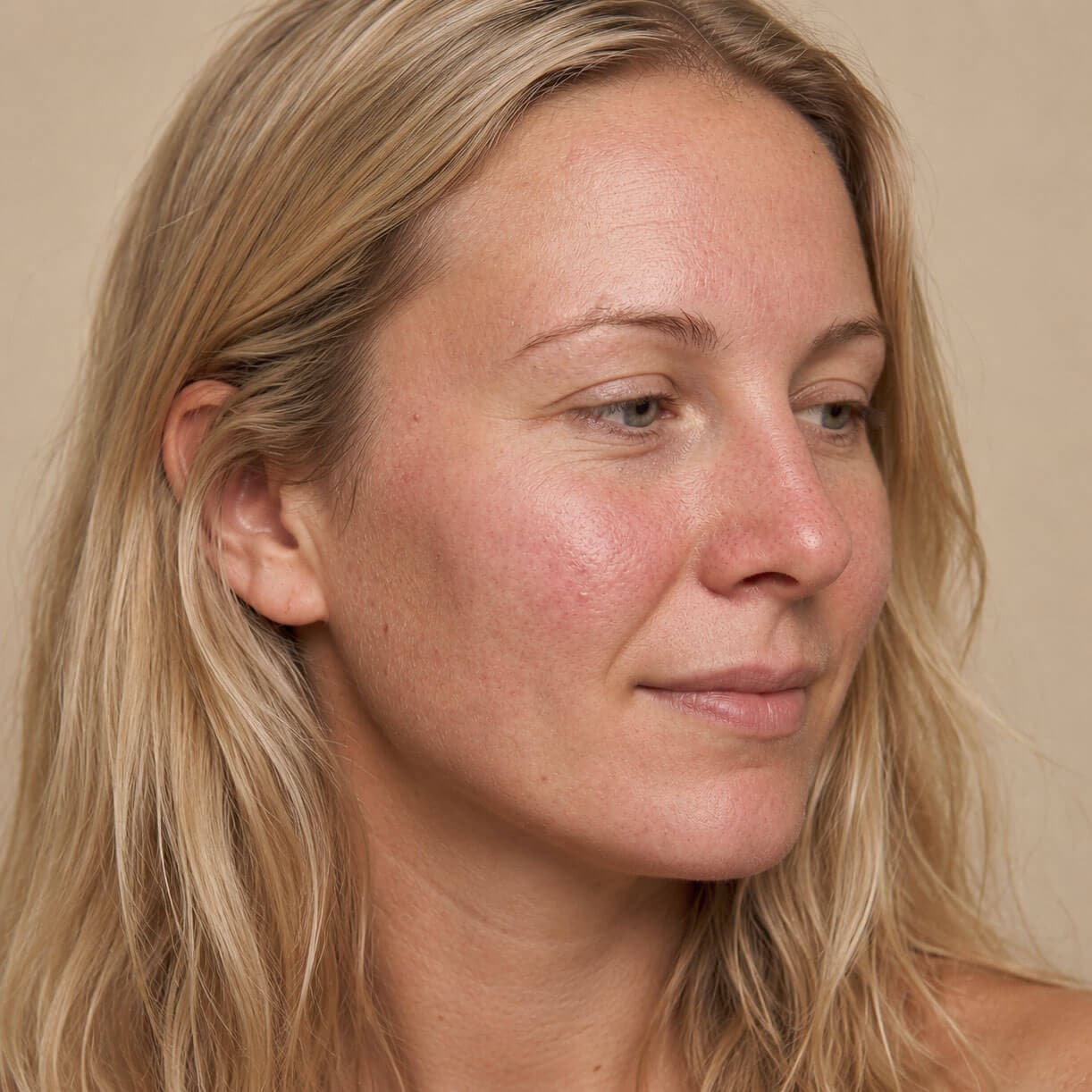
Sensitive skin
"Sensitive" is a symptom, not a diagnosis. Learn what drives reactive skin, the routine that calms it, and what to leave out.

Dry skin
Dry skin is usually a barrier problem, not simply a water problem. Here's the difference between dry and dehydrated, why it matters, and the routine that actually helps.
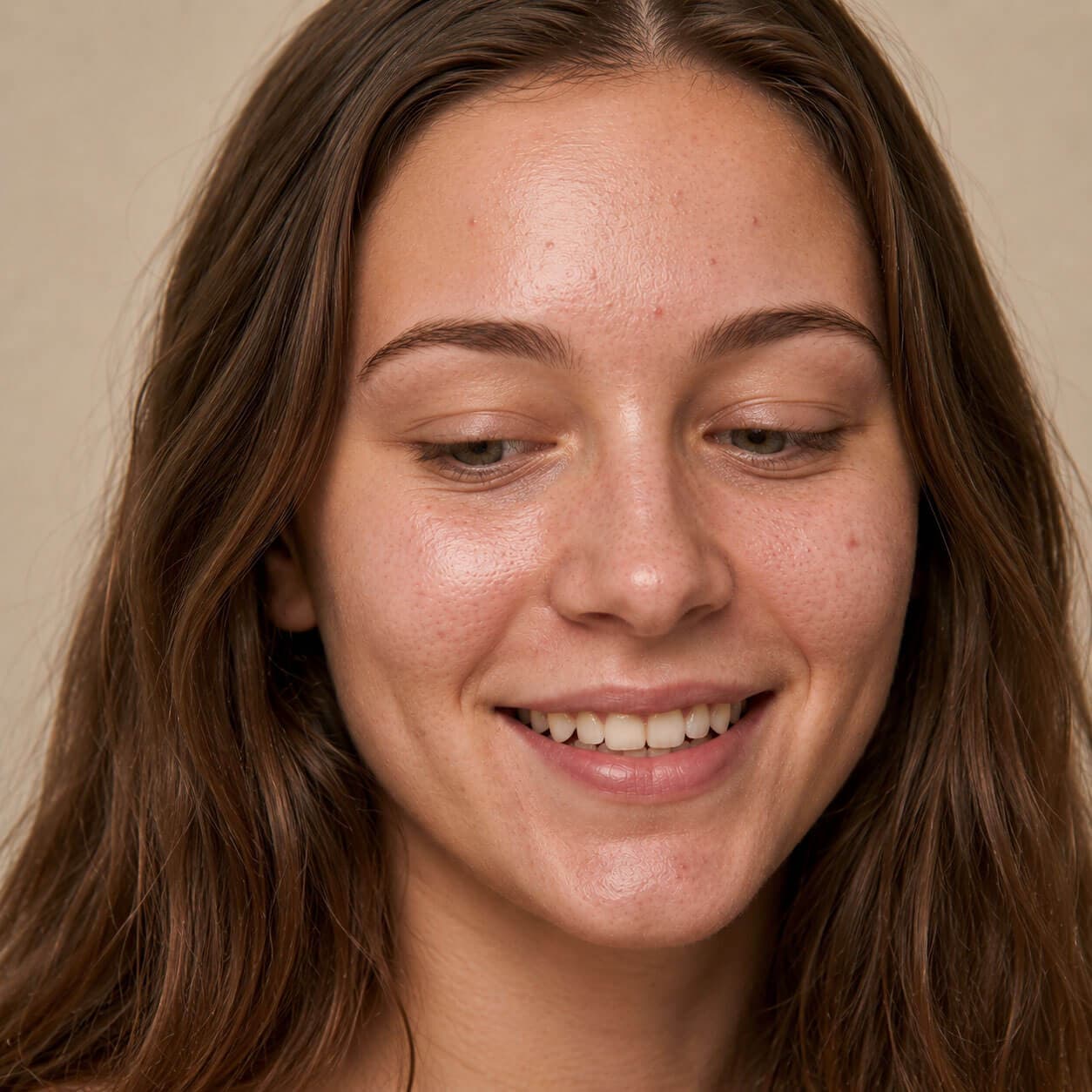
Combination skin
Oily T-zone, drier or normal cheeks, and a routine that has to address both without making either worse. Here's how to actually balance combination skin.
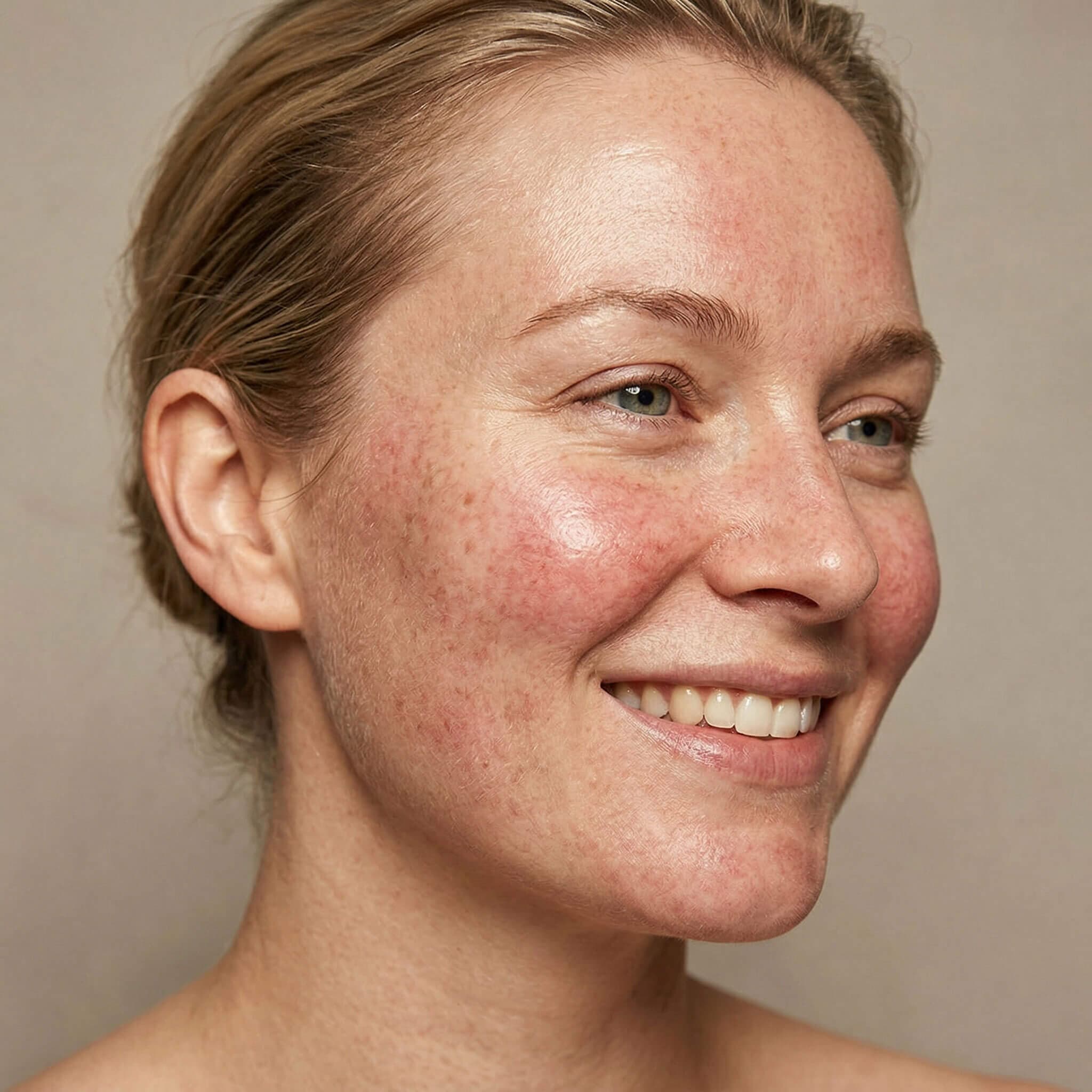
Rosacea and redness
Rosacea is a chronic inflammatory condition, not a temporary flush. Here's what causes it, what calms it, and the routine that doesn't make the reactivity worse.
Related ingredients
Citations
- Johnson W Jr, et al. Safety Assessment of 1,2-Glycols as Used in Cosmetics. Int J Toxicol. 2012;31(4 Suppl):147S-168S. — PMID 23064773
- Fang B, et al. A new alternative to cosmetics preservation and the effect of the particle size of the emulsion droplets on preservation efficacy. Int J Cosmet Sci. 2016;38(5):496-503. — PMID 26940643
- Fiume MM, et al. Safety assessment of propylene glycol, tripropylene glycol, and PPGs as used in cosmetics. Int J Toxicol. 2012;31(5 Suppl):245S-60S. — PMID 23064775