
Ethylhexylglycerin
A multifunctional glyceryl ether used mostly to boost preservation and improve skin feel. Helpful in gentle formulas, but not a treatment active.
At a glance
What Ethylhexylglycerin does for skin, and how to read the practical safety signals.
- Preservative helper: Often paired with phenoxyethanol or other preservatives so the system works more efficiently.
- Skin-feel support: Also functions as a skin-conditioning ingredient in cosmetic formulas.
- Rare contact allergen: Most people tolerate it, but patch-test literature shows allergy can happen.
- Type
- Preservative booster
- Rating
- Pregnancy
- Considered safe
- Comedogenic rating
- 0/5 (Won't clog pores)
- Vegan
- Yes
- Suited skin types
- All skin types
On this page
The short answer
Ethylhexylglycerin is a preservative booster and skin-conditioning ingredient.
INCI lists it as Ethylhexylglycerin. It is often used with preservatives such as phenoxyethanol to help the preservation system work more efficiently while also improving the formula's feel.
It is support staff. Useful support staff, but still support staff.
What the evidence shows
Safety assessment. The Cosmetic Ingredient Review assessment of alkyl glyceryl ethers[1] includes ethylhexylglycerin and concluded the group is safe in present practices of use and concentration.
Contact allergy nuance. A North American Contact Dermatitis Group study[2] found positive allergic reactions to ethylhexylglycerin in a small fraction of tested patients. The useful takeaway is not panic. It is that rare allergy can happen, especially when someone has recurring dermatitis from personal-care products.
How to use it
You do not use ethylhexylglycerin as a separate skincare step.
You find it inside:
- moisturisers
- serums
- cleansers
- sunscreens
- eye products
- makeup and personal-care products
It often sits near other preservation or texture ingredients near the end of the ingredient list.
Why preservative boosters matter
Water-based skincare needs preservation. That is not fear-based marketing; it is basic product safety.
Preservative boosters help the system do its job without making the formula feel harsh or overloaded. Ingredients like ethylhexylglycerin and caprylyl glycol are part of why many modern formulas can feel gentle and still be properly protected.
Bathroom products live around warmth, water, air, and fingers. A little formula discipline is welcome.
When it won't help
Ethylhexylglycerin will not:
- clear acne
- exfoliate
- fade pigmentation
- repair the barrier by itself
- replace moisturiser
If you have sensitive skin, do not judge it in isolation. A formula can contain ethylhexylglycerin and be very gentle, or contain it and still irritate because of fragrance, strong actives, low pH, or other ingredients.
The practical takeaway
My goal with this guide was to gather the useful science on ethylhexylglycerin in one place, so you can stop hunting for the next clever fix and focus on a simple, effective routine.
That is also why I made the Danish Skin Care Kit: a calm routine built around documented ingredients, and one that has helped more than 100,000 people with problem skin. If even the smallest question is still nagging you, send me an email at info@danishskincare.com.
Common questions
What does ethylhexylglycerin do in skincare?
It mainly boosts preservative systems and adds skin-conditioning feel. It is usually a support ingredient near the end of an INCI list.
Is ethylhexylglycerin a preservative?
It has antimicrobial-support activity, but in most skincare it works as a preservative booster alongside dedicated preservatives.
Can ethylhexylglycerin cause allergy?
Rarely, yes. Patch-test research has identified ethylhexylglycerin as an uncommon but clinically relevant contact allergen for some people.
Reading a real label?
Scan a product to see how it is formulated
Upload a photo of the ingredient list and get a quick ingredient-by-ingredient read against the evidence-led database.
I recommend these products

Preservative boosters like ethylhexylglycerin support the Kit philosophy: stable, pleasant formulas with fewer unnecessary steps.
Skin conditions it actively helps with
Where the published evidence puts Ethylhexylglycerin on the short list of active ingredients worth reaching for.
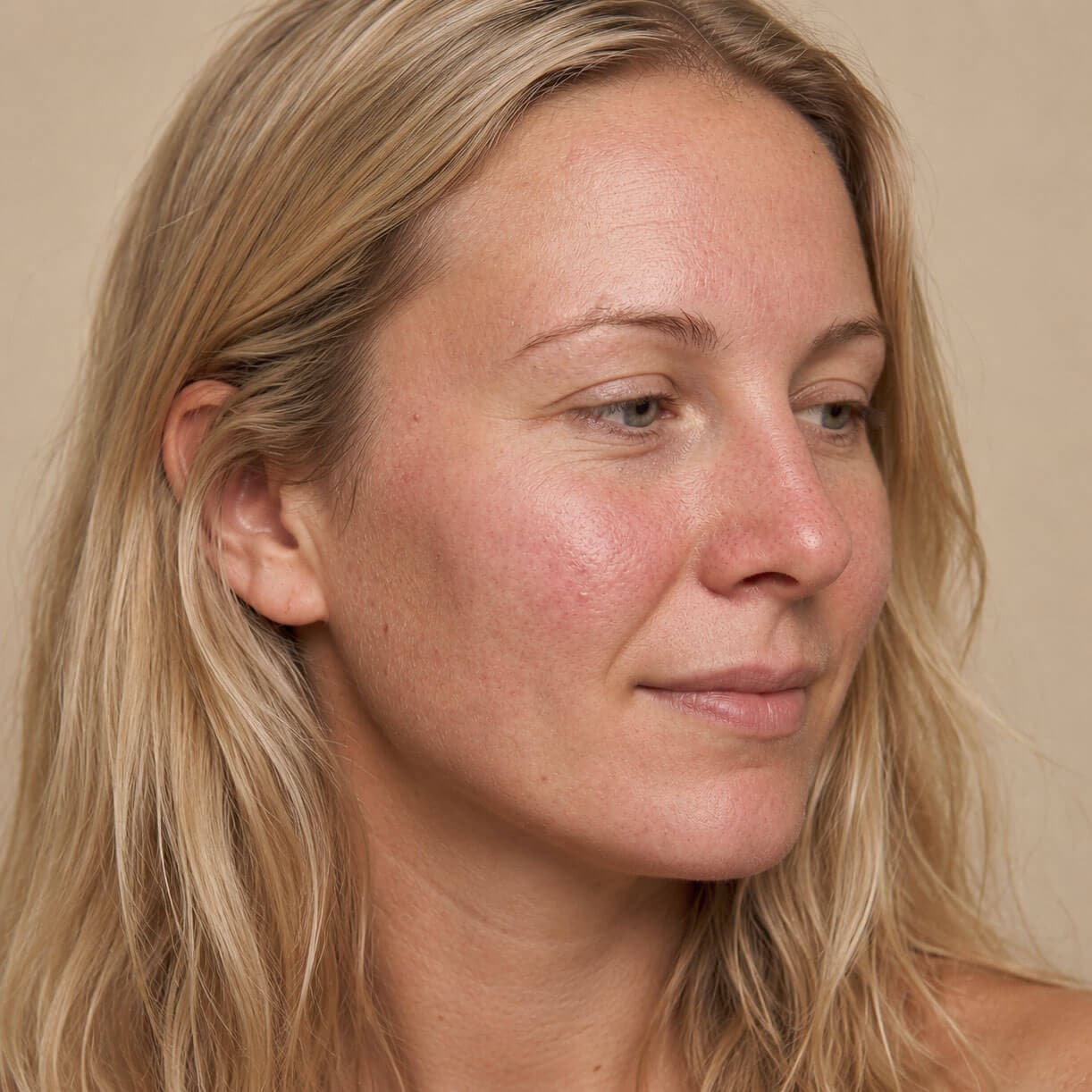
Sensitive skin
"Sensitive" is a symptom, not a diagnosis. Learn what drives reactive skin, the routine that calms it, and what to leave out.

Dry skin
Dry skin is usually a barrier problem, not simply a water problem. Here's the difference between dry and dehydrated, why it matters, and the routine that actually helps.
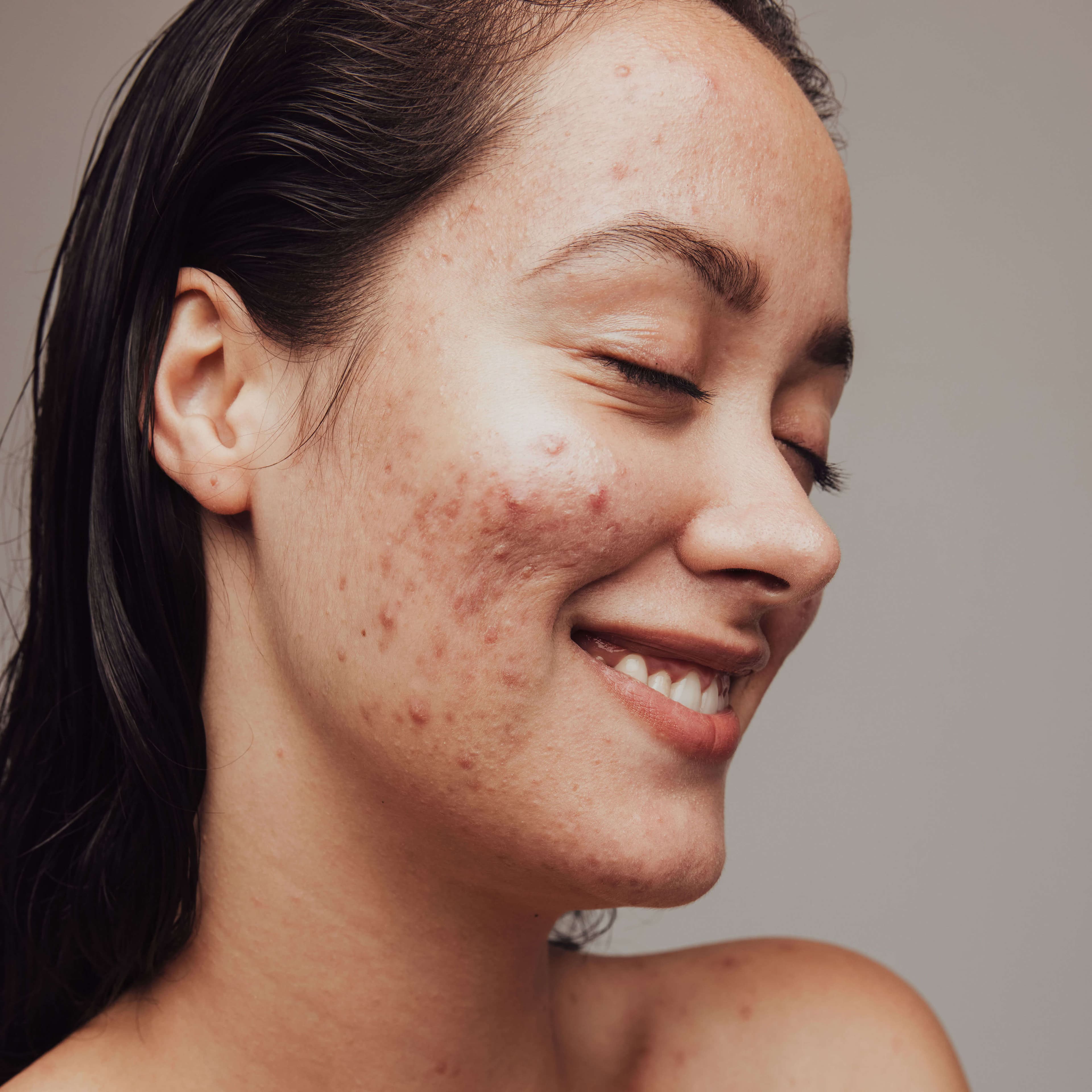
Acne and blemishes
A clear-headed guide to acne: what's actually happening in your skin, what the evidence says works, and a simple routine that doesn't make things worse.
Related ingredients
Citations
- Becker LC, et al. Safety Assessment of Alkyl Glyceryl Ethers as Used in Cosmetics. Cosmetic Ingredient Review. 2011. — Cosmetic Ingredient Review
- Sasseville D, et al. Patch Testing to Ethylhexylglycerin: The North American Contact Dermatitis Group Experience, 2013-2018. Dermatitis. 2022;33(1):36-41. — DOI 10.1097/DER.0000000000000709