
Sodium Lauroyl Sarcosinate
An amino-acid-derived surfactant used mostly in rinse-off cleansers. Useful for foam and cleansing mildness when the full formula is balanced, not a guarantee that every cleanser will suit sensitive skin.
At a glance
What Sodium Lauroyl Sarcosinate does for skin, and how to read the practical safety signals.
- Sodium lauroyl sarcosinate is a cleansing surfactant often used in face washes, body washes, shampoos, and toothpastes.
- Cosmetic safety reviews consider fatty acyl sarcosines and sarcosinate salts safe when formulated to be non-irritating and away from nitrosating conditions.
- Mildness still depends on the whole cleanser: surfactant blend, pH, concentration, fragrance, and how often you wash.
- Type
- Surfactant
- Rating
- Pregnancy
- Considered safe
- Comedogenic rating
- 0/5 (Won't clog pores)
- Vegan
- Yes
- Suited skin types
- All skin types
On this page
The short answer
Sodium Lauroyl Sarcosinate is a cleansing surfactant. It helps water lift away oil, sunscreen residue, sweat, and daily grime so a cleanser can rinse clean.
It belongs to a family called sarcosinate surfactants. You will often see them in face washes, body washes, shampoos, shaving products, and toothpastes because they can give foam without the old "dish soap face" feeling when the formula is well built.
That last part matters: when the formula is well built.
What the safety reviews say
A 2021 Cosmetic Ingredient Safety review[1] assessed fatty acyl sarcosines and sarcosinate salts, including sodium lauroyl sarcosinate, and concluded that they are safe in cosmetics when formulated to be non-irritating. The same review warns that these ingredients should not be used in cosmetic products where N-nitroso compounds may form.
An earlier 2001 safety assessment[2] reached a similar practical conclusion for the original sarcosinate group: safe as used in rinse-off products, safe in leave-on products up to the reviewed limits, with caution around inhalation exposure and nitrosating conditions.
For a face wash, the useful translation is calm: this is a normal cosmetic surfactant with safety guardrails. It is not something to panic about because the name looks long.
How it works in a cleanser
Surfactants make cleansing possible. Oil and water do not mix nicely on their own; surfactants help oily residue lift from the skin and rinse away.
A cleanser review[3] explains why mildness is about more than cleaning power. Surfactants can interact with skin proteins and lipids, so modern mild cleansers try to remove residue while causing less barrier disruption.
That is where sodium lauroyl sarcosinate can be useful. It can contribute:
- cleansing
- foam
- a smoother rinse feel
- a milder-feeling surfactant blend when paired well
It still cannot rescue a cleanser that is too strong, too fragranced, too alkaline, or used too often.
Sulfate-free does not mean irritation-free
Sodium lauroyl sarcosinate is sulfate-free. It is not sodium laureth sulfate, and it is not sodium lauryl sulfate.
That can be helpful for readers who avoid sulfates because past cleansers left them tight. But the label "sulfate-free" is not a halo.
A sulfate-free cleanser can still sting. A cleanser with a sulfate can still be gentle. The whole formula decides:
- surfactant blend
- concentration
- pH
- fragrance level
- humectants such as glycerin or sodium PCA
- how often you cleanse
- whether you scrub while using it
Your face does not care about marketing categories. It cares how the finished cleanser behaves.
Who may like it
Sodium lauroyl sarcosinate can make sense in cleansers for:
- oily skin that needs a real rinse
- acne-prone skin wearing sunscreen
- combination skin that dislikes residue
- sensitive skin when the formula is balanced
- people who want foam without a harsh, squeaky finish
If your skin feels tight after washing, the answer is not always to avoid one surfactant forever. It is often to choose a milder cleanser, use lukewarm water, cleanse with fingertips, and moisturise before the barrier starts filing a complaint.
When to be cautious
Be more careful if a cleanser with sodium lauroyl sarcosinate leaves your skin:
- burning
- itchy
- shiny-dry
- tight for more than a few minutes
- red around the mouth, nose, or eyes
- worse every time you use it
That does not prove the sarcosinate is the villain. It tells you the product, frequency, or routine is not working for your skin right now.
The practical takeaway
My goal with this guide was to gather the useful science on sodium lauroyl sarcosinate in one place, so you can stop hunting for the next clever fix and focus on a simple, effective routine.
That is also why I made the Danish Skin Care Kit: a calm routine built around documented ingredients, and one that has helped more than 100,000 people with problem skin. If even the smallest question is still nagging you, send me an email at info@danishskincare.com.
Common questions
Is sodium lauroyl sarcosinate bad for skin?
Not automatically. Safety reviews consider sarcosinate surfactants safe as used when formulas are non-irritating. The finished cleanser matters more than one INCI name.
Is sodium lauroyl sarcosinate sulfate-free?
Yes. It is a sarcosinate surfactant, not a sulfate surfactant like sodium laureth sulfate. Sulfate-free does not automatically mean gentler, though.
Can sensitive skin use sodium lauroyl sarcosinate?
Often, yes, if the cleanser is well balanced and used sensibly. Sensitive skin should judge the whole formula by how the skin feels after rinsing.
Reading a real label?
Scan a product to see how it is formulated
Upload a photo of the ingredient list and get a quick ingredient-by-ingredient read against the evidence-led database.
I recommend these products

Sodium lauroyl sarcosinate is not the main named surfactant in our Face Wash, but the same mild-cleansing logic applies: a balanced surfactant system should clean without leaving skin tight.

The Kit starts with gentle cleansing because every treatment step behaves better when the first step does not upset the barrier.
Skin conditions it actively helps with
Where the published evidence puts Sodium Lauroyl Sarcosinate on the short list of active ingredients worth reaching for.
Oily skin
Oily skin isn't a problem to "fix". It's a feature with trade-offs. Here's what actually controls sebum, what doesn't, and the routine that works without stripping.
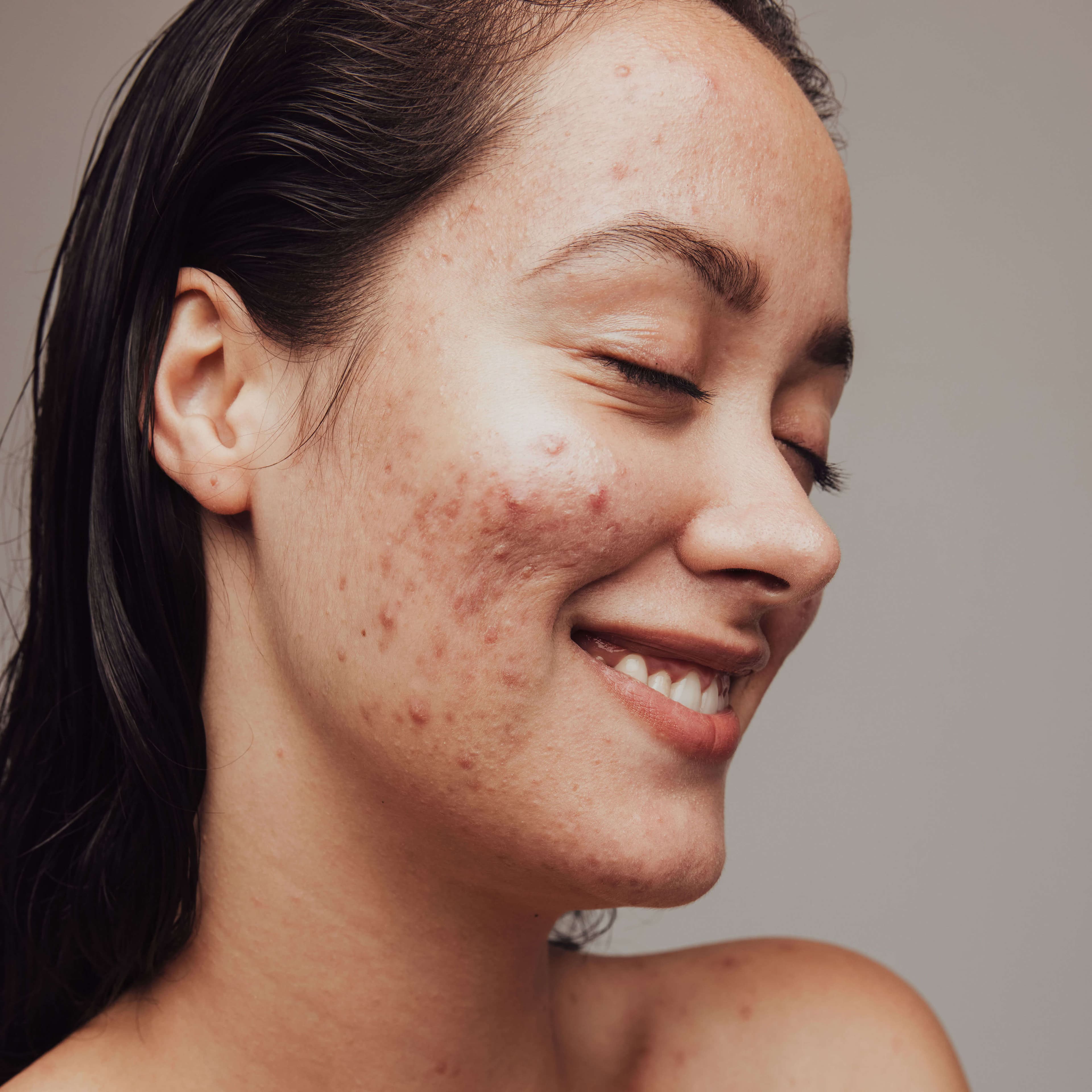
Acne and blemishes
A clear-headed guide to acne: what's actually happening in your skin, what the evidence says works, and a simple routine that doesn't make things worse.
Sensitive skin
"Sensitive" is a symptom, not a diagnosis. Learn what drives reactive skin, the routine that calms it, and what to leave out.

Combination skin
Oily T-zone, drier or normal cheeks, and a routine that has to address both without making either worse. Here's how to actually balance combination skin.
Related ingredients
Citations
- Expert Panel for Cosmetic Ingredient Safety. Amended Safety Assessment of Fatty Acyl Sarcosines and Sarcosinate Salts as Used in Cosmetics. Int J Toxicol. 2021. — DOI 10.1177/10915818211023881
- Final report on the safety assessment of Cocoyl Sarcosine, Lauroyl Sarcosine, Myristoyl Sarcosine, Oleoyl Sarcosine, Stearoyl Sarcosine, Sodium Cocoyl Sarcosinate, Sodium Lauroyl Sarcosinate, Sodium Myristoyl Sarcosinate, Ammonium Cocoyl Sarcosinate, and Ammonium Lauroyl Sarcosinate. Int J Toxicol. 2001;20 Suppl 1:1-14. — PMID 11358107
- Ananthapadmanabhan KP, Moore DJ, Subramanyan K, et al. Cleansing without compromise: the impact of cleansers on the skin barrier and the technology of mild cleansing. Dermatol Ther. 2004;17 Suppl 1:16-25. — PMID 14728695