
Aqua
The boring-looking base that makes most skincare possible. Aqua is not a treatment by itself, but it helps dissolve, distribute, and deliver the useful parts of a formula.
At a glance
What Aqua does for skin, and how to read the practical safety signals.
- Usually means purified water used as the main solvent or base of a formula.
- Helps water-soluble ingredients spread evenly instead of sitting in little concentrated islands.
- Does not moisturise skin for long by itself; lasting comfort comes from humectants, emollients, and occlusives around it.
- Type
- Solvent
- Rating
- Pregnancy
- Considered safe
- Comedogenic rating
- 0/5 (Won't clog pores)
- Vegan
- Yes
- Suited skin types
- All skin types
On this page
The short answer
Aqua is water.
That is the least glamorous sentence in skincare, and still one of the most important.
In an ingredient list, Aqua usually means purified water used as the solvent or base of the formula. It helps dissolve water-soluble ingredients, lets the product spread evenly, and gives creams, gels, serums, cleansers, and lotions their usable texture.
It is not filler in the lazy sense. But it is also not a magical hydration treatment by itself.
Water is the stage. The formula is the performance.
What aqua actually does in a formula
Most modern skincare formulas are mixtures of water-loving and oil-loving ingredients. Aqua often forms the water phase.
That matters because many useful ingredients - niacinamide, glycerin, sodium hyaluronate, urea, panthenol, sodium PCA, and some botanical extracts - need a water-based environment to dissolve or disperse properly.
Without a good base, even clever ingredients can behave badly: uneven texture, poor spread, pilling, instability, or a product that feels so unpleasant you stop using it after a week.
And skincare you stop using is not skincare. It is bathroom decoration.
Why water alone is not enough
Water can temporarily wet the outer skin. That is not the same as long-lasting moisturising.
A classic moisturizer review describes healthy-looking stratum corneum as depending on enough water content, and explains that moisturizers usually work by combining humectants and occlusives so water is held in the skin rather than simply evaporating away[1].
A clinical study of a cream designed to mimic the skin's natural moisturizing systems also makes the practical point well: lasting hydration comes from a finished formula that supports the barrier and water retention, not from plain water sitting on the surface[2].
That is why a good water-based product still needs supporting ingredients:
- Humectants such as glycerin, sodium hyaluronate, urea, and sodium PCA help bind water.
- Emollients such as arachidyl alcohol, caprylic/capric triglyceride, squalane, and fatty alcohols soften the feel.
- Emulsifiers such as arachidyl glucoside help water and oil phases stay together.
- Preservation systems with ingredients such as dehydroacetic acid help keep water-containing products safe through normal use.
That last point is important. Water makes beautiful textures possible, but it also gives microorganisms a friendlier environment than an anhydrous balm. Research on cosmetic preservation and water activity shows that available water influences microbial growth and preservation strategy in finished formulas[3].
So the honest answer is simple: aqua is useful, but formulation quality is everything.
Is aqua good or bad for skin?
Neither. Aqua is not a hero or a villain.
It is a base ingredient.
For most people, purified water in a well-preserved cosmetic formula is extremely low-risk. If a water-based product irritates your skin, the issue is usually not the word "aqua." It is more likely the full formula: surfactants, fragrance, pH, strong actives, preservatives, or simply a product that does not suit your barrier right now.
This is especially true for sensitive or acne-prone skin. The goal is not to avoid water. The goal is to choose water-based products that are gentle, properly preserved, and built around ingredients your skin can tolerate.
Where it fits in a simple routine
Aqua appears in many everyday products:
- cleansers
- toners and treatment liquids
- moisturisers
- sunscreens
- lightweight gels
- serums
That does not mean every watery product is automatically better. It means the texture can be light, spreadable, and easy to use daily.
And that daily-use part matters. In my experience, people are much more consistent with skincare when the products feel pleasant enough to use without negotiation every morning and evening.
A formula can have the most impressive ingredient list in the world. If it feels sticky, heavy, drying, or chaotic, it will probably lose to the very human desire to go to bed.
The practical takeaway
My goal with this guide was to gather the useful science on aqua in one place, so you can stop hunting for the next clever fix and do the simple, effective things your skin actually needs.
That is also why I made the Danish Skin Care Kit: a calm routine built around documented ingredients, and one that has helped more than 100,000 people with problem skin. If even the smallest question is still nagging you, send me an email at info@danishskincare.com.
Common questions
What does aqua mean on an ingredient list?
Aqua means water. In cosmetics it usually refers to purified water used as the solvent or base of the formula.
Is water in skincare filler?
No. It is not an active treatment by itself, but it helps dissolve and distribute water-soluble ingredients and creates lighter textures.
Can water moisturise skin by itself?
Only briefly. Water evaporates, so lasting hydration depends on humectants, emollients, and occlusives in the finished formula.
Reading a real label?
Scan a product to see how it is formulated
Upload a photo of the ingredient list and get a quick ingredient-by-ingredient read against the evidence-led database.
Found in these Danish Skin Care products

Aqua forms the rinseable base that lets the cleansing ingredients spread evenly.

Used in the leave-on treatment base alongside aloe, glycerin, salicylic acid, chamomile water, and green tea.

The day cream uses aqua as part of the lightweight emulsion that carries niacinamide, SPF filters, humectants, and texture ingredients.

Aqua helps build the night moisturiser base around aloe, glycerin, urea, retinol, panthenol, and soothing support ingredients.

Aqua supports the serum texture around azelaic acid, niacinamide, panthenol, sodium hyaluronate, and botanical comfort ingredients.

The Kit uses water-based products throughout because lightweight, daily-use textures are easier to keep consistent.
Skin conditions it actively helps with
Where the published evidence puts Aqua on the short list of active ingredients worth reaching for.

Dry skin
Dry skin is usually a barrier problem, not simply a water problem. Here's the difference between dry and dehydrated, why it matters, and the routine that actually helps.
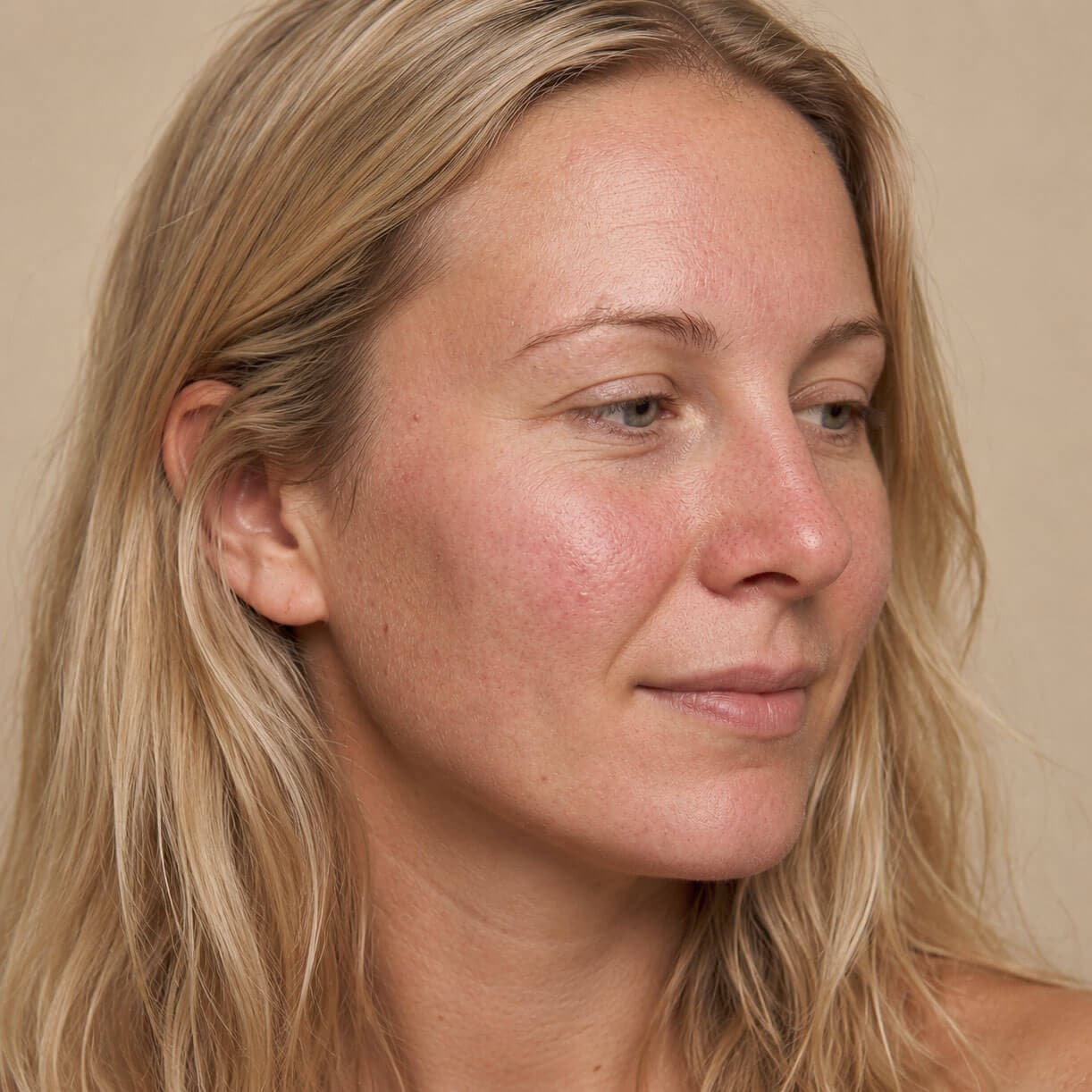
Sensitive skin
"Sensitive" is a symptom, not a diagnosis. Learn what drives reactive skin, the routine that calms it, and what to leave out.
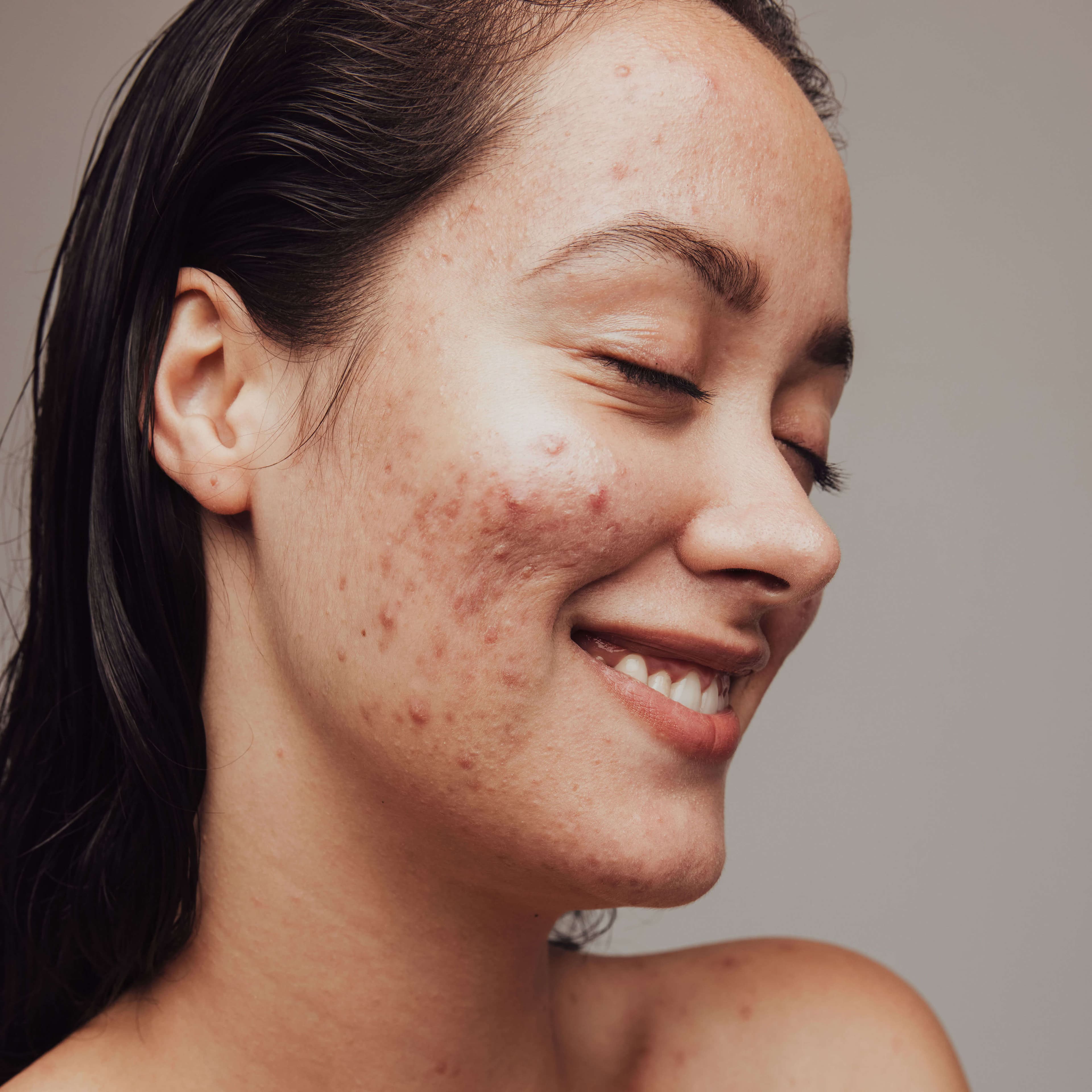
Acne and blemishes
A clear-headed guide to acne: what's actually happening in your skin, what the evidence says works, and a simple routine that doesn't make things worse.
Related ingredients
Citations
- Draelos ZD. Therapeutic moisturizers. Dermatol Clin. 2000;18(4):597-607. — DOI 10.1016/S0733-8635(05)70210-2
- Spada F, Barnes TM, Greive KA. Skin hydration is significantly increased by a cream formulated to mimic the skin's own natural moisturizing systems. Clin Cosmet Investig Dermatol. 2018;11:491-497. — PMID 30323645
- Varvaresou A, Papageorgiou S, Tsirivas E, et al. Optimization of cosmetic preservation: water activity reduction. Int J Cosmet Sci. 2015;37(3):258-268. — DOI 10.1111/ics.12164