
Saccharide Isomerate
A plant-derived carbohydrate humectant that binds to skin and helps hold water in place. Strong hydration support inside a moisturiser — not a solo fix for dry or compromised skin.
At a glance
What Saccharide Isomerate does for skin, and how to read the practical safety signals.
- Binds to keratin in the outer skin, acting like a moisture magnet that can persist after the product is rinsed off or absorbed.
- Used in day and night creams for long-lasting hydration support alongside glycerin, urea, and sodium hyaluronate.
- Evidence is mostly formula-level: it works as part of a complete moisturiser, not as a single-ingredient miracle hydrator.
- Type
- Humectant
- Rating
- Pregnancy
- Considered safe
- Comedogenic rating
- 0/5 (Won't clog pores)
- Vegan
- Yes
- Suited skin types
- All skin types
On this page
The short answer
Saccharide Isomerate is a plant-derived carbohydrate complex — you may also see it under trade names like Pentavitin. In skincare, it works as a humectant that binds to keratin in the outer skin and helps water stay put rather than evaporating the moment you walk away from the bathroom mirror.
It is not the ingredient that gets TikTok excited. That is fine. Hydration support ingredients rarely need a hype campaign. They need to work quietly inside a formula you will actually use every day.
Think of it as a moisture anchor: less flashy than retinol, less famous than niacinamide, but useful when your skin keeps feeling tight despite "drinking enough water" and owning three different serums you forget to apply.
What the evidence actually shows
Measurable hydration in finished creams. Gougeon's 2023 study[1] compared moisturisers containing saccharide isomerate, urea, and other humectants against placebo using objective skin imaging. Eight hours after a single application, formulas with these moisturising actives improved skin microrelief compared with untreated control skin. The takeaway is formula-level: saccharide isomerate contributes to real, measurable hydration when built into a proper cream — not when dropped onto skin from a fantasy single-ingredient bottle.
Barrier function, beyond surface wetness. A 2022 clinical study[2] on saccharide isomerate in scalp care found significant improvements in transepidermal water loss, sebum balance, and flaking over 28 days compared with placebo. The research focus was scalp skin, but the mechanism is relevant everywhere: this ingredient supports barrier behaviour beyond temporary surface slipperiness. For dry or easily irritated skin, that distinction matters.
Recovery after barrier disruption. A 2025 split-face trial[3] tested a facial moisturiser containing saccharide isomerate after intense pulsed light treatment — a procedure that temporarily compromises the skin barrier. The saccharide-isomerate formula accelerated barrier restoration and reduced post-treatment symptoms compared with control areas. That is a useful signal for everyday skincare too: this ingredient supports skin that has been stressed, skin on its best behaviour too.
How it fits in a moisturiser
Saccharide isomerate does its best work as part of a team:
- Glycerin pulls water into the upper skin layers.
- Sodium hyaluronate adds surface and slightly deeper hydration.
- Urea and sodium PCA support the skin's natural moisturising factor pool.
- Emollients and occlusives keep the water from leaving as fast as it arrived.
Saccharide isomerate's particular job is binding — helping that water pool feel more stable through the day or night. That is why it shows up in leave-on products like day and night creams rather than rinse-off cleansers.
You will not feel it "working" the way a tingle from an acid might suggest something is happening. You will notice your skin feels less tight by mid-afternoon. That is the point.
When it will not help
Saccharide isomerate will not clear acne, fade pigmentation, or replace prescription care for eczema or rosacea flares. It is infrastructure — excellent hydration support, modest claims, no drama.
If your skin is severely dehydrated or your barrier is badly compromised, you still need a complete routine: gentle cleansing, a proper moisturiser, sensible actives, and time. One humectant — however well marketed — is not a shortcut.
The practical takeaway
My goal with this guide was to gather the useful science on saccharide isomerate in one place, so you can stop hunting for the next clever fix and do the simple, effective things your skin actually needs.
That is also why I made the Danish Skin Care Kit: a calm routine built around documented ingredients, and one that has helped more than 100,000 people with problem skin. If even the smallest question is still nagging you, send me an email at info@danishskincare.com.
Common questions
What is Pentavitin on an ingredient list?
Pentavitin is a trade name for saccharide isomerate — a plant-derived carbohydrate complex used as a humectant and skin-conditioning agent. On INCI lists you will usually see Saccharide Isomerate.
Does saccharide isomerate work better than hyaluronic acid?
Different tools. Saccharide isomerate binds to skin proteins for persistent hydration support; hyaluronic acid holds large amounts of water at the surface. Good moisturisers often use both rather than forcing you to pick a winner.
Is saccharide isomerate good for sensitive skin?
Generally yes, as a supporting humectant inside a balanced formula. Clinical data also suggest barrier-supporting effects, which sensitive skin often needs — but irritation usually comes from the full product, not this one ingredient alone.
Reading a real label?
Scan a product to see how it is formulated
Upload a photo of the ingredient list and get a quick ingredient-by-ingredient read against the evidence-led database.
Found in these Danish Skin Care products

Saccharide isomerate sits in the morning moisturiser alongside niacinamide, panthenol, and SPF filters for all-day hydration binding.

Used in the night cream as part of the hydration stack around retinol, urea, glycerin, and sodium hyaluronate.

Both the Day Protector and Moisturizer in the Kit carry saccharide isomerate so hydration support runs through the daily routine.
Skin conditions it actively helps with
Where the published evidence puts Saccharide Isomerate on the short list of active ingredients worth reaching for.

Dry skin
Dry skin is usually a barrier problem, not simply a water problem. Here's the difference between dry and dehydrated, why it matters, and the routine that actually helps.
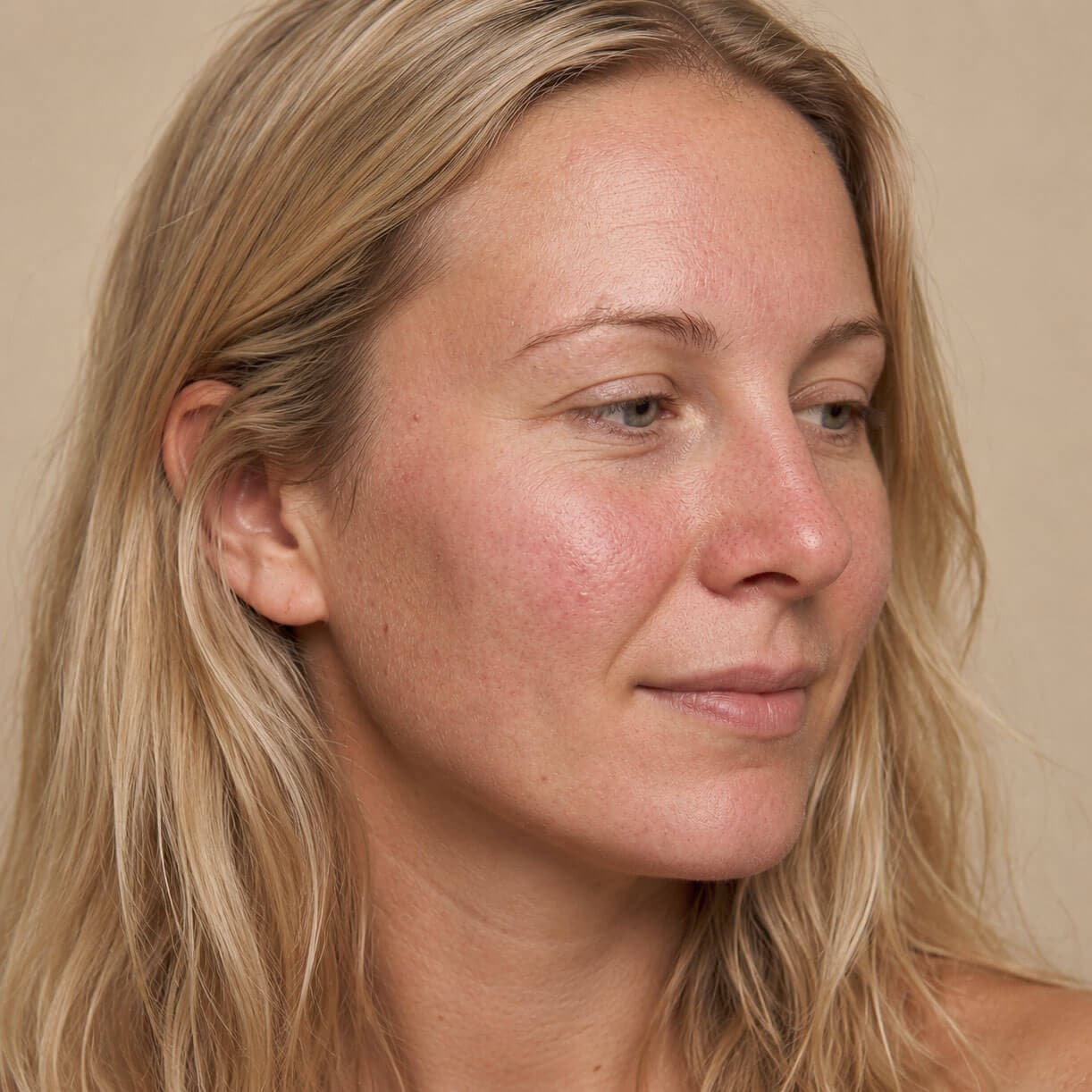
Sensitive skin
"Sensitive" is a symptom, not a diagnosis. Learn what drives reactive skin, the routine that calms it, and what to leave out.

Combination skin
Oily T-zone, drier or normal cheeks, and a routine that has to address both without making either worse. Here's how to actually balance combination skin.

Signs of ageing
Wrinkles, sallowness, slack tone, and uneven pigment all share the same drivers. Here's the unglamorous routine that genuinely slows them.
Related ingredients
Citations
- Gougeon S, Hernandez E, Chevrot N, et al. Evaluation of a new connected portable camera for the analysis of skin microrelief and the assessment of the effect of skin moisturisers. Skin Res Technol. 2023;29(1):e13190. — PMID 36541033
- Meyer-Hoffert U, Casas C, Danby S, et al. Saccharide isomerate ameliorates cosmetic scalp conditions in a Chinese study population. J Cosmet Dermatol. 2022;21(3):1182-1189. — PMID 35279940
- Shao H, Wang L, Wang Y, et al. A novel facial moisturizer containing Saccharide isomerate accelerates skin barrier restoration following intense pulsed light treatment: a randomized split-face study. J Dermatolog Treat. 2025;36(1):2585243. — PMID 41211697