
Glycyrrhiza Glabra Root Extract
A licorice-root botanical used for soothing and uneven-tone support. The science is strongest around specific licorice compounds such as glabridin, so finished-formula quality matters a lot.
At a glance
What Glycyrrhiza Glabra Root Extract does for skin, and how to read the practical safety signals.
- Broader and less precise than dipotassium glycyrrhizate, because plant extracts vary by source, solvent, and standardisation.
- Often used in formulas for redness-prone, sensitive, or uneven-looking skin.
- Glabridin is the licorice compound most often discussed for pigment and inflammation mechanisms.
- Type
- Botanical extract
- Rating
- Pregnancy
- Considered safe
- Comedogenic rating
- 0/5 (Won't clog pores)
- Vegan
- Yes
- Suited skin types
- All skin types
On this page
The short answer
Glycyrrhiza Glabra Root Extract is licorice root extract. In skincare, it is usually added for soothing support, antioxidant activity, and uneven-tone formulas.
That sounds beautifully botanical. It is also where we need to stay awake.
Licorice extract is a plant extract, not one identical molecule. Two products can both list Glycyrrhiza glabra root extract and still use very different extracts. Source, processing, solvent, and standardisation all matter. A formula standardised around glabridin is not the same as a vague botanical sprinkle at the end of an INCI list.
Why people use licorice extract in skincare
The licorice compound that gets the most skincare attention is glabridin.
A detailed review on glabridin describes it as a key compound from Glycyrrhiza glabra roots and summarises antioxidant, anti-inflammatory, and skin-whitening research around it[1]. That does not mean every licorice serum fades pigmentation. It means there is a real chemical reason formulators are interested in the plant.
In practice, licorice root extract usually plays one of three roles:
- calming support in redness-prone routines
- antioxidant support in daily creams or serums
- uneven-tone support alongside more proven brightening ingredients
It is the quiet teammate. Not the entire treatment plan.
The pigmentation nuance
Licorice extract is often marketed for dark spots because glabridin and related licorice compounds are studied around melanogenesis.
A 2022 review of licorice species in cosmetic ingredients explains that licorice flavonoids, including glabridin, are discussed as tyrosinase inhibitors and skin-tone-support ingredients[2]. A classic 1998 study on glabridin from licorice extracts reported inhibitory effects on melanogenesis and inflammation in experimental models[3].
That is useful evidence.
It is not a permission slip to expect one licorice extract to remove melasma, post-acne marks, or sun spots by itself. For pigmentation, daily SPF and better-documented actives such as azelaic acid, niacinamide, alpha arbutin, or retinoids often carry more of the routine.
Licorice can support the mood of the formula. It should not be asked to carry the sofa alone.
Glycyrrhiza glabra root extract vs dipotassium glycyrrhizate
This is where labels get confusing.
Glycyrrhiza Glabra Root Extract is the broader botanical extract.
Dipotassium glycyrrhizate is a more specific purified licorice-derived salt used mainly for soothing and anti-inflammatory support.
Neither name is automatically better. The finished formula matters:
- Is the ingredient present at a meaningful level?
- Is it paired with barrier support?
- Is the product fragrance-heavy or gentle?
- Does it fit your skin problem, or is it botanical decoration?
That last question is not very romantic. It is often the useful one.
Who might like it
Licorice root extract can make sense if your routine is aimed at:
- sensitive skin
- redness-prone skin
- post-acne marks
- uneven tone
- comfort around stronger actives
It is often a good supporting idea in formulas that already include barrier-friendly ingredients like panthenol, glycerin, niacinamide, or centella.
If your skin reacts to many botanicals, patch test first. "Natural" does not mean "your skin signed the consent form."
When it will not help
Licorice root extract will not clear moderate acne, replace prescription treatment for melasma, or fix a routine built around daily irritation.
It also will not tell you much from the INCI list alone. If it appears after fragrance, dyes, and several strong actives, the surrounding formula may matter more than the licorice.
Look at the full product. Your skin has to wear the whole formula, not the ingredient story.
The practical takeaway
My goal with this guide was to gather the useful science on Glycyrrhiza glabra root extract in one place, so you can stop hunting for the next clever fix and focus on a simple routine your skin can repeat.
That is also why I made the Danish Skin Care Kit: a calm routine built around documented ingredients, and one that has helped more than 100,000 people with problem skin. If even the smallest question is still nagging you, send me an email at info@danishskincare.com.
Common questions
Is Glycyrrhiza glabra root extract the same as licorice extract?
Yes. Glycyrrhiza glabra root extract is the INCI-style name for licorice root extract from the Glycyrrhiza glabra plant.
Is licorice root extract good for dark spots?
It can be useful as supporting ingredient in uneven-tone formulas, especially when standardised for compounds like glabridin. It should not be treated as a replacement for stronger pigmentation actives or daily SPF.
Is licorice root extract good for sensitive skin?
Often, yes, when the finished formula is gentle. Licorice-derived ingredients are common in soothing products, but botanical extracts can still bother very reactive skin.
Reading a real label?
Scan a product to see how it is formulated
Upload a photo of the ingredient list and get a quick ingredient-by-ingredient read against the evidence-led database.
I recommend these products

Licorice root extract is not in our core INCI lists, but the Optimizer's azelaic acid and niacinamide cover similar uneven-tone and redness-prone concerns with stronger documented actives.

The Kit keeps the same calm philosophy: documented actives, barrier support, and fewer chances for sensitive skin to get annoyed.
Skin conditions it actively helps with
Where the published evidence puts Glycyrrhiza Glabra Root Extract on the short list of active ingredients worth reaching for.
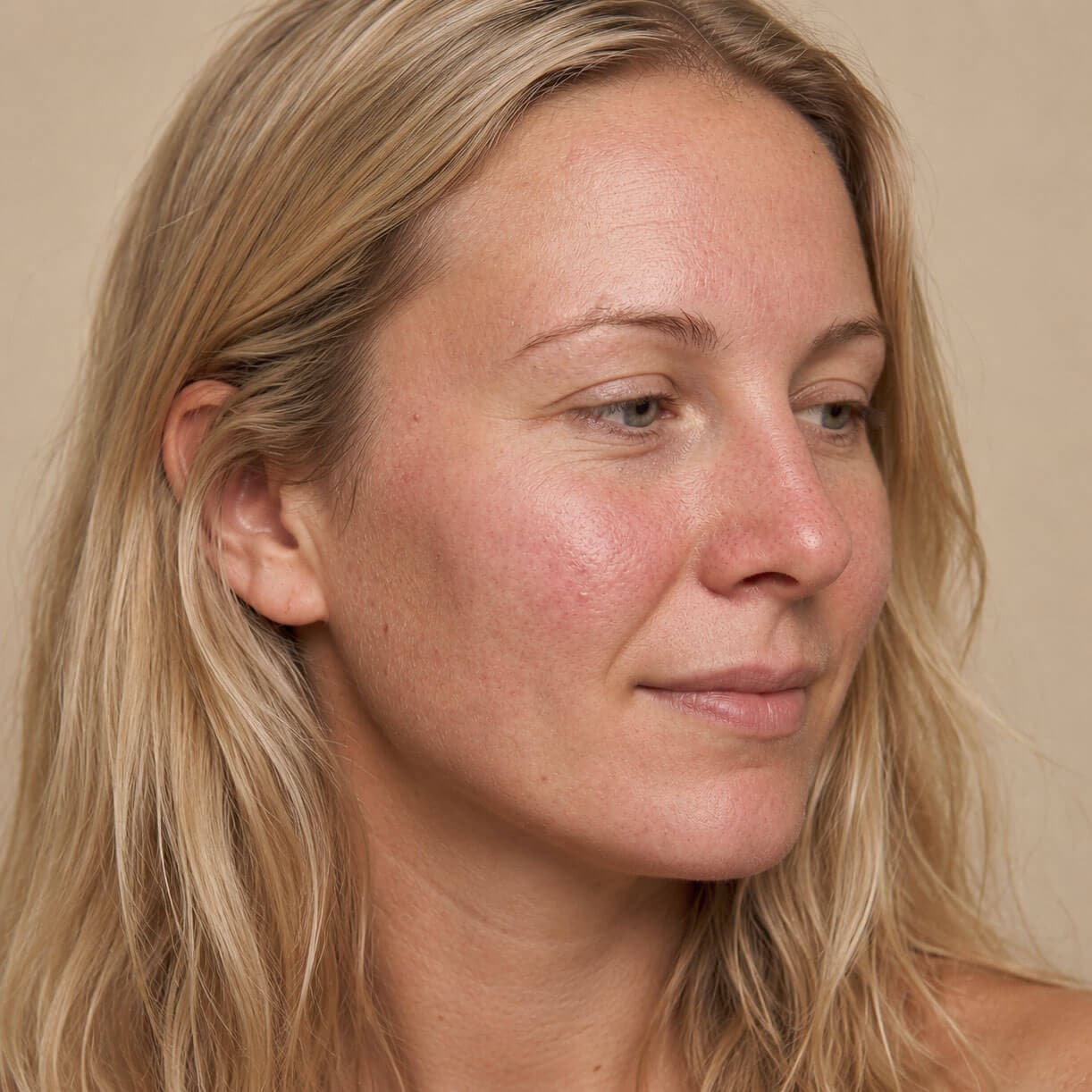
Sensitive skin
"Sensitive" is a symptom, not a diagnosis. Learn what drives reactive skin, the routine that calms it, and what to leave out.
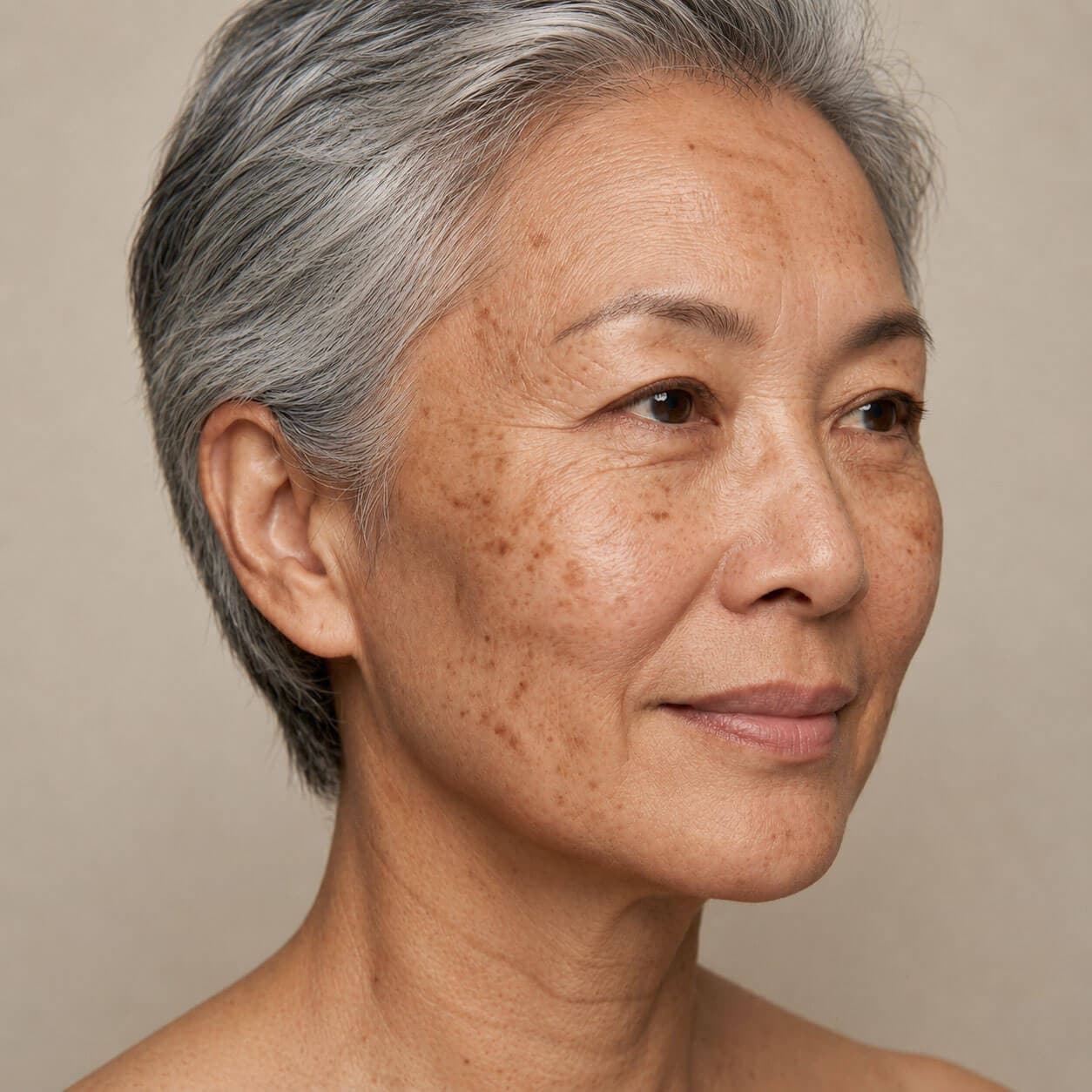
Pigmentation
Pigmentation is one of the most-asked-about, most-misunderstood skin concerns. Here's what's happening in your skin and the slow, evidence-led routine that actually fades it.
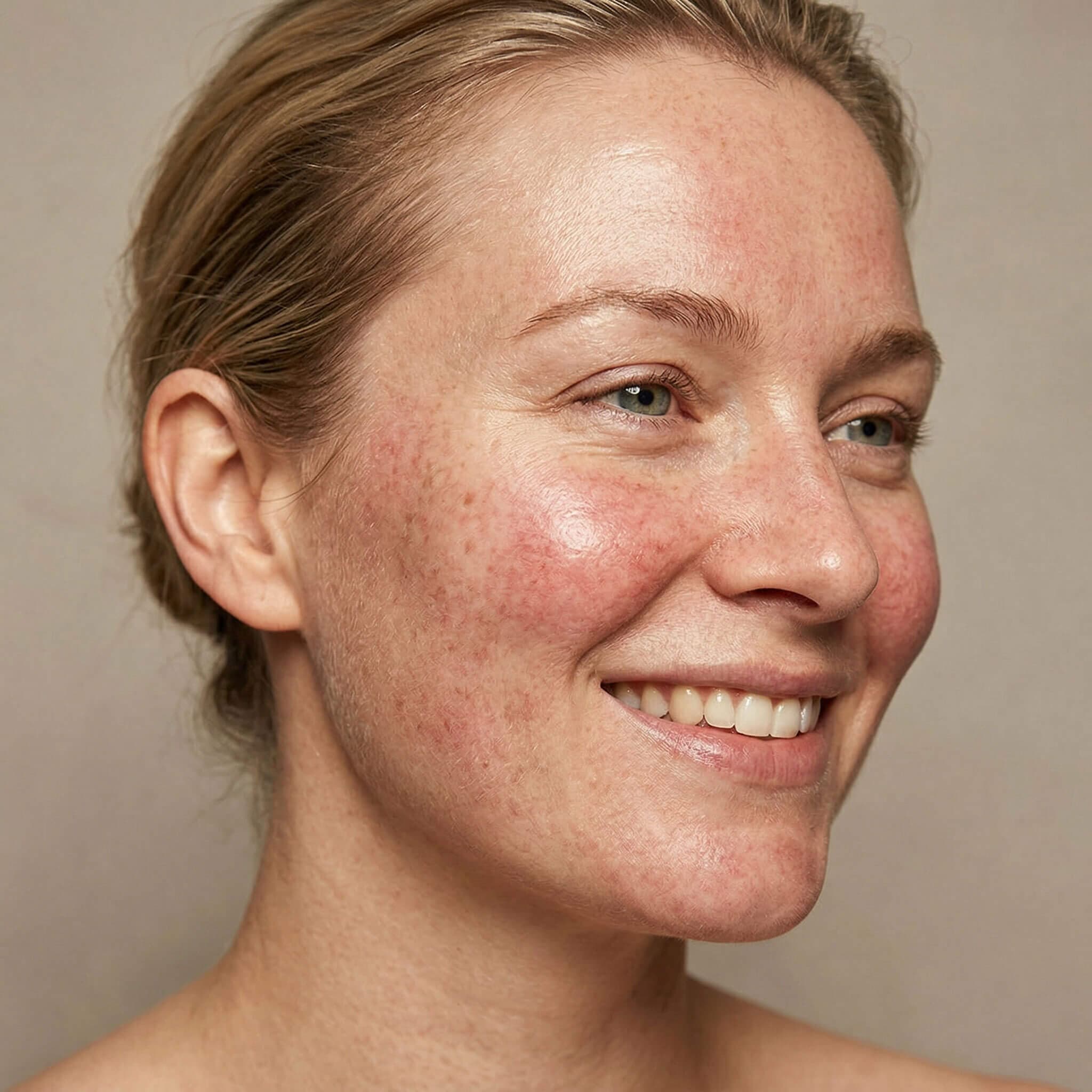
Rosacea and redness
Rosacea is a chronic inflammatory condition, not a temporary flush. Here's what causes it, what calms it, and the routine that doesn't make the reactivity worse.
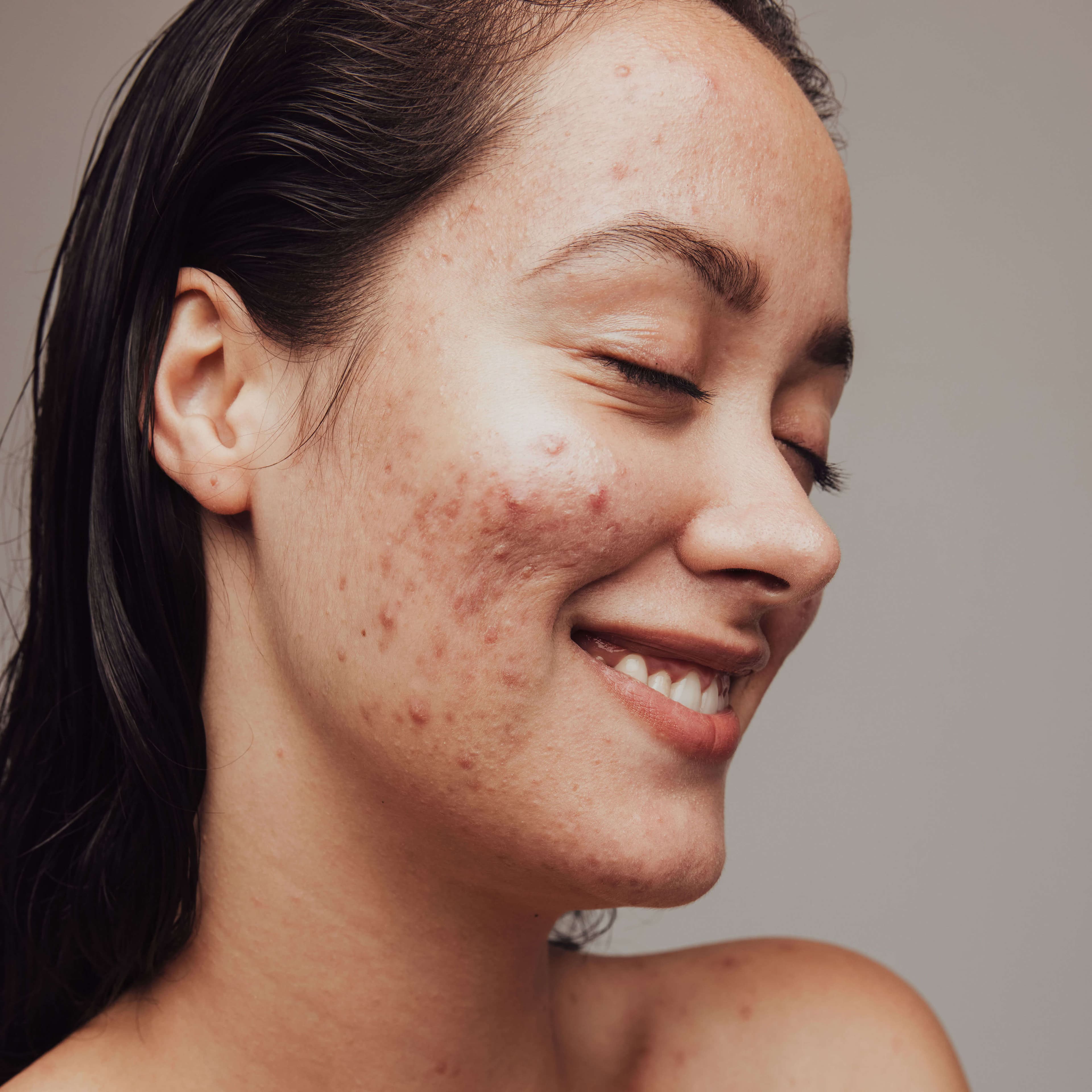
Acne and blemishes
A clear-headed guide to acne: what's actually happening in your skin, what the evidence says works, and a simple routine that doesn't make things worse.
Related ingredients
Citations
- Simmler C, Pauli GF, Chen SN. Phytochemistry and biological properties of glabridin. Fitoterapia. 2013;90:160-184. — PMC 3795865
- Cerulli A, Masullo M, Montoro P, Piacente S. Licorice (Glycyrrhiza glabra, G. uralensis, and G. inflata) and Their Constituents as Active Cosmeceutical Ingredients. Cosmetics. 2022;9(1):7. — DOI 10.3390/cosmetics9010007
- Yokota T, Nishio H, Kubota Y, Mizoguchi M. The inhibitory effect of glabridin from licorice extracts on melanogenesis and inflammation. Pigment Cell Res. 1998;11(6):355-361. — DOI 10.1111/j.1600-0749.1998.tb00494.x