Alpha-arbutin
A gentler tyrosinase inhibitor than raw hydroquinone, with a stronger evidence base than most trendy brighteners. Slow, steady, and formula-dependent.
At a glance
What Alpha-arbutin does for skin, and how to read the practical safety signals.
- Synthetic alpha-arbutin inhibits tyrosinase more efficiently than natural beta-arbutin at lower concentrations.
- EU safety guidance allows up to 2% in face creams and 0.5% in body lotions.
- Works best alongside SPF and complementary actives like niacinamide or retinol, not as a solo fix.
- Type
- Active
- Rating
- Pregnancy
- Considered safe
- Comedogenic rating
- 0/5 (Won't clog pores)
- Vegan
- Yes
- Suited skin types
- All skin types
On this page
The short answer
Alpha-arbutin is a water-soluble brightening active listed on ingredient labels as Alpha-Arbutin. It slows tyrosinase, the enzyme that turns on melanin production, by releasing a controlled amount of hydroquinone-like activity without the harsh reputation of prescription-strength hydroquinone itself. If pigmentation is your concern and you want something gentler than the old-school bleaching creams, alpha-arbutin is one of the more sensible options in the category.
I hear from a lot of readers who bought three different "dark spot correctors" and cannot tell what is actually in them. Alpha-arbutin is the specific INCI name to look for. Not vague "bearberry extract" marketing. Not beta-arbutin unless the label says so. Alpha-arbutin.
What the evidence actually shows
Mechanism and safety profile. Boo's 2021 review pulled together decades of arbutin research. Alpha-arbutin inhibits melanogenesis through tyrosinase blockade and may also contribute antioxidant defence. The review notes that dermatitis is uncommon but possible, and that trace hydroquinone release during use is a reason to choose well-formulated, stable products from reputable brands.
Potency versus beta-arbutin. Smit's 2021 review highlighted that alpha-arbutin reaches meaningful tyrosinase inhibition at roughly 2 mM in lab studies, while natural beta-arbutin needed concentrations above 30 mM for comparable effect. That is why modern serums standardised on the alpha form. Same goal, less ingredient noise.
Clinical melasma data. Chansakulporn's 2024 split-face trial tested a cosmetic with 5% alpha-arbutin and 2% kojic acid against triple combination cream. Both sides improved, but the cosmetic side had less erythema, less stinging, and lower recurrence after treatment stopped. For people who want real data without jumping to the heaviest prescription blend, that matters.
How to use it
- Concentration: 1–2% is the standard cosmetic range and matches regulatory safety guidance for face products.
- When: morning or evening. If you use vitamin C in the morning, alpha-arbutin can sit alongside it or alternate nights with retinol.
- Frequency: once or twice daily, depending on the formula and your skin's tolerance.
- Timeline: expect weeks, not days. Pigment fades as existing melanin-loaded cells shed. That is biology, not brand impatience.
Store products away from heat and direct sun. Alpha-arbutin is more stable than many natural extracts, but degraded actives help nobody.
How to keep it comfortable
- Niacinamide blocks pigment transfer rather than production. The combination covers two steps in the melanin pathway and niacinamide usually soothes the skin while alpha-arbutin works.
- Daily SPF. Non-negotiable for any brightening routine. UV re-triggers the same melanocytes you are trying to quiet.
- One new active at a time. If you are also introducing retinol or acids, add alpha-arbutin first, settle for two weeks, then expand.
When alpha-arbutin is the wrong tool
Alpha-arbutin is a maintenance-to-moderate-strength brightener. Deep dermal melasma, widespread sun damage built over decades, or pigmentation tied to an untreated inflammatory skin condition will need more than a single serum ingredient. Readers with extremely reactive sensitive skin should patch test, because even gentle actives can sting on a compromised barrier.
It is also not a replacement for treating the source of post-inflammatory marks. If you still have active acne, fix the breakouts first. Otherwise you are fading spots on one side of your face while new ones arrive on the other.
The practical takeaway
My goal with this guide was to gather the useful science on alpha-arbutin in one place, so you can stop hunting for the next clever fix and do the simple, effective things your skin actually needs.
That is also why I made the Danish Skin Care Kit: a calm routine built around documented ingredients, and one that has helped more than 100,000 people with problem skin. If even the smallest question is still nagging you, send me an email at info@danishskincare.com.
Common questions
Is alpha-arbutin the same as arbutin?
No. Alpha-arbutin and beta-arbutin are isomers. Alpha-arbutin is the synthetic form used in most modern brightening serums because lab studies show it inhibits tyrosinase at much lower concentrations than beta-arbutin from bearberry extract.
What concentration of alpha-arbutin works?
Most serums use 1–2%, which aligns with EU safety guidance for face products. Higher percentages exist in professional formulas, but more is not always better for tolerability.
Can alpha-arbutin replace hydroquinone?
For mild to moderate pigmentation, many people prefer alpha-arbutin because it is gentler. Stubborn melasma may still need prescription options. A 2024 split-face study found a 5% alpha-arbutin and 2% kojic acid blend effective with fewer side effects than triple combination cream.
Reading a real label?
Scan a product to see how it is formulated
Upload a photo of the ingredient list and get a quick ingredient-by-ingredient read against the evidence-led database.
I recommend these products

Azelaic acid and niacinamide cover two other pigmentation pathways. A strong foundation if you add alpha-arbutin as a targeted serum.

Retinol, niacinamide SPF, and gentle cleansing give alpha-arbutin the stable routine it needs to show results over weeks.

Salicylic acid helps prevent new breakouts that would otherwise leave fresh post-inflammatory marks on top of the old ones.
Skin conditions it actively helps with
Where the published evidence puts Alpha-arbutin on the short list of active ingredients worth reaching for.
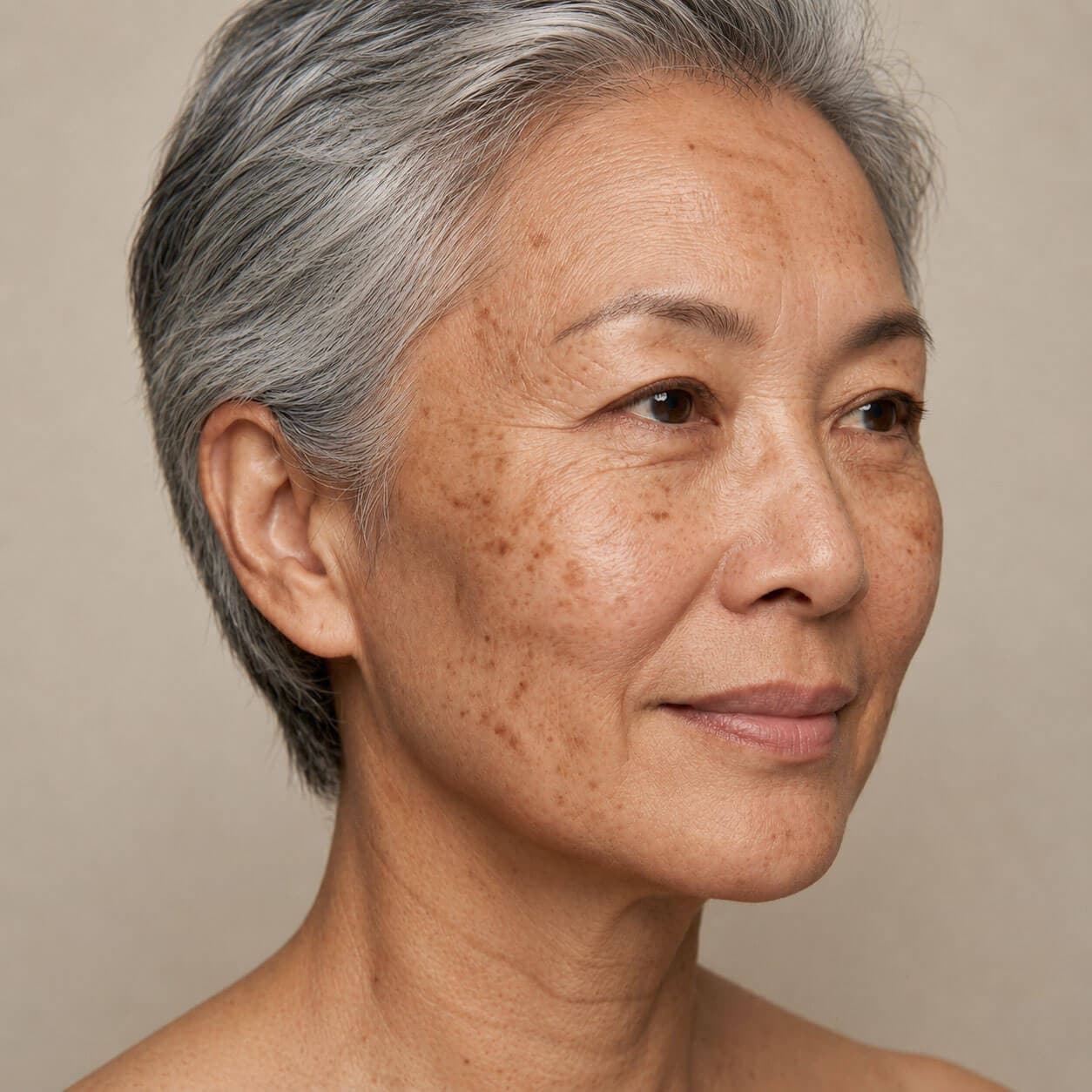
Pigmentation
Pigmentation is one of the most-asked-about, most-misunderstood skin concerns. Here's what's happening in your skin and the slow, evidence-led routine that actually fades it.
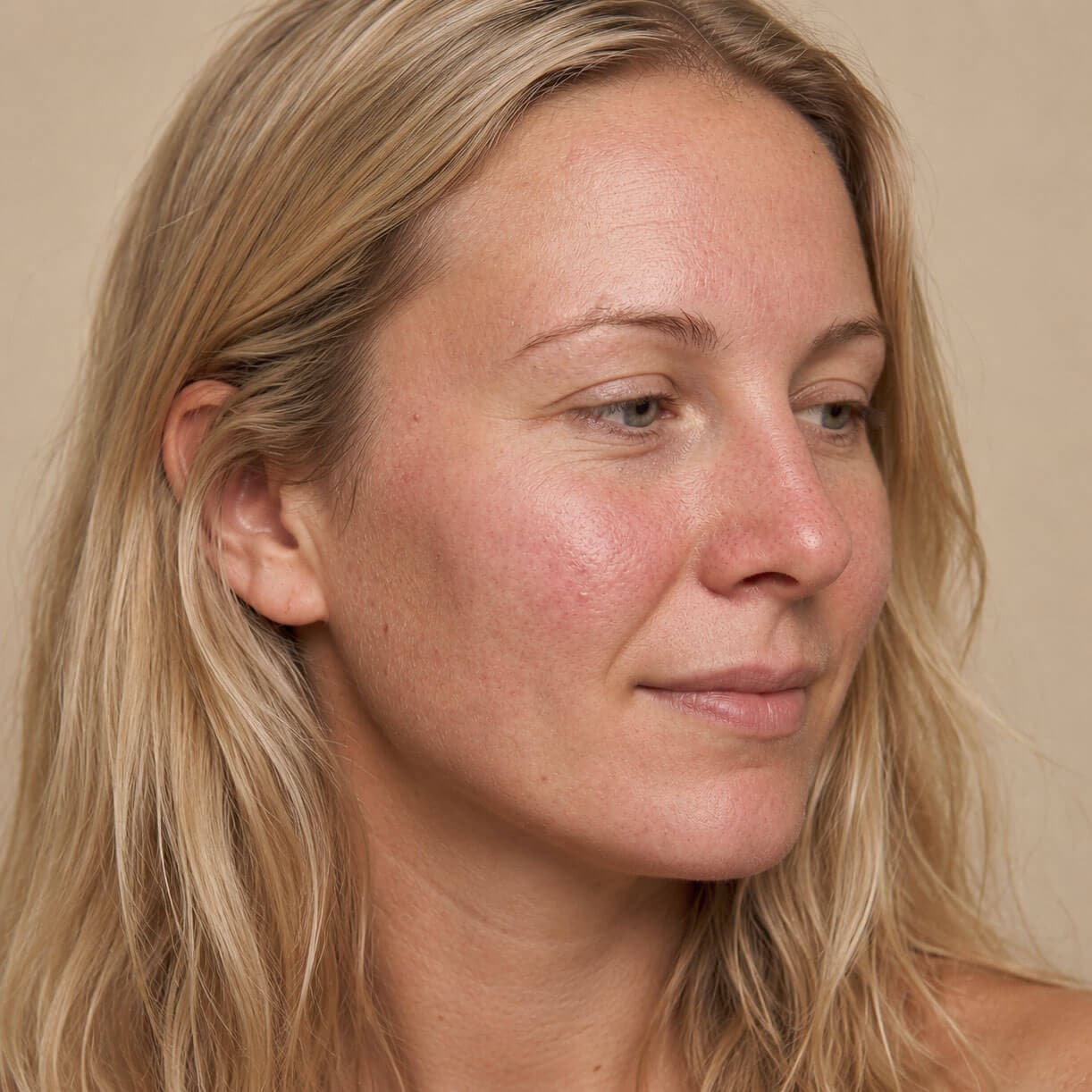
Sensitive skin
"Sensitive" is a symptom, not a diagnosis. Learn what drives reactive skin, the routine that calms it, and what to leave out.
Related ingredients
Citations
- Boo YC. Arbutin as a skin depigmenting agent with antimelanogenic and antioxidant properties. Antioxidants (Basel). 2021;10(7):1129. — PMID 34356362
- Smit N, et al. A comprehensive review of the therapeutic potential of α-arbutin. Phytother Res. 2021;35(6):3087–3097. — PMID 33724594
- Chansakulporn S, et al. The efficacy of topical cosmetic containing alpha-arbutin 5% and kojic acid 2% compared with triple combination cream for the treatment of melasma. J Cosmet Dermatol. 2024. — PMID 39555866