
Lecithin
A useful supporting ingredient that helps formulas feel smooth and stable. It can support comfortable skin in well-built moisturisers, but it is not a stand-alone barrier repair treatment.
At a glance
What Lecithin does for skin, and how to read the practical safety signals.
- Formula role: Lecithin and related phosphoglycerides are used as skin-conditioning agents, emulsifiers, and surfactants in cosmetics.
- Texture role: It helps oil and water sit together more elegantly, which is why it often appears in moisturisers and liposomal formulas.
- Barrier context: Phosphatidylcholine-based lamellar formulas can support stratum corneum lipid organisation, but the finished formula matters more than the word lecithin on its own.
- Type
- Emulsifier and skin-conditioning lipid
- Rating
- Pregnancy
- Considered safe
- Comedogenic rating
- 1/5 (Low clogging risk)
- Vegan
- No
- Suited skin types
- All skin types
On this page
The short answer
Lecithin is a supportive skincare ingredient, not the main character.
It helps formulas hold together, feel smoother, and sit more comfortably on the skin. In ingredient-list language, it often works as an emulsifier and skin-conditioning lipid. In real skin language, it is one of those quiet ingredients that can make a moisturiser feel more elegant.
What lecithin does in skincare
Lecithin is a mixture of phosphoglycerides, often associated with phosphatidylcholine. A cosmetic safety assessment describes lecithin and related phosphoglycerides as ingredients used mainly for skin conditioning, emulsifying, and surfactant functions in cosmetics[1].
That means lecithin may help:
- blend oil and water phases
- improve texture
- support a softer skin feel
- stabilise liposome or lamellar-style formulas
- make moisturisers feel less clumsy
It is not an acne treatment. It is not a pigment treatment. It is not a magic lipid that repairs the barrier because the label says "phospholipid."
It is a good support ingredient when the whole formula is good.
The barrier-support nuance
Lecithin gets interesting because phospholipids can form organised structures in formulas.
A 2024 study on a saturated phosphatidylcholine-based multilamellar cream found changes in stratum corneum lipid organisation and lipid-barrier measures after use[2]. That is useful formulation science. It does not mean every product with lecithin behaves like that cream.
This is the part skincare marketing often skips. Ingredient names matter, but structure matters too. Concentration, lipid ratios, emulsifier system, pH, texture, and the rest of the formula decide whether lecithin is doing meaningful barrier-support work or simply helping the cream behave nicely.
For dry skin and sensitive skin, that still matters. A product that feels comfortable is easier to use consistently. Consistency is where skin usually starts cooperating.
Who might like it
Lecithin makes the most sense in:
- moisturisers
- barrier-support creams
- gentle cleansers
- liposomal serums
- richer formulas that need a smoother finish
If your skin is easily irritated, lecithin itself is rarely the first ingredient I would suspect. I would look first at fragrance, strong actives, essential oils, harsh cleansing, or a routine doing too many things at once.
What to pair it with
Think of lecithin as part of the support crew.
It fits naturally with:
- glycerin for water-binding comfort
- panthenol for easily annoyed skin
- ceramides and cholesterol in barrier-minded formulas
- squalane for a soft emollient feel
You do not need to chase lecithin separately. If it appears inside a moisturiser you already like, lovely. Let it do its quiet work.
Safety and sourcing
The Expert Panel for Cosmetic Ingredient Safety concluded that lecithin and other phosphoglycerides are safe in the present practices of use and concentration in cosmetics[1].
One practical note: lecithin can come from plant sources such as soy or sunflower, but it can also come from egg. If vegan sourcing or allergies matter to you, ask the brand rather than guessing from the INCI name.
The practical takeaway
My goal with this guide was to gather the useful science on lecithin in one place, so you can stop hunting for the next clever fix and focus on a simple, effective routine.
That is also why I made the Danish Skin Care Kit: a calm routine built around documented ingredients, and one that has helped more than 100,000 people with problem skin. If a question is still nagging you, send me an email at info@danishskincare.com.
Common questions
Is lecithin good for sensitive skin?
Usually, yes when the overall formula is gentle. Lecithin is commonly used as a skin-conditioning and emulsifying ingredient, but sensitive skin still reacts to the whole product, not one INCI name.
Is lecithin vegan?
Not always. Lecithin can be plant-derived, such as soy or sunflower, but it can also come from egg or other sources. Check the brand if vegan sourcing matters to you.
Does lecithin clog pores?
Lecithin is not usually treated as a major pore-clogging ingredient. For acne-prone skin, the finished product texture and total oil/wax load matter more than lecithin alone.
Reading a real label?
Scan a product to see how it is formulated
Upload a photo of the ingredient list and get a quick ingredient-by-ingredient read against the evidence-led database.
Found in these Danish Skin Care products

A simple moisturiser is where support ingredients like lecithin make the most sense: comfort, texture, and barrier-friendly daily use.

The Kit keeps barrier support inside a simple routine, instead of asking you to collect every supportive ingredient separately.
Skin conditions it actively helps with
Where the published evidence puts Lecithin on the short list of active ingredients worth reaching for.
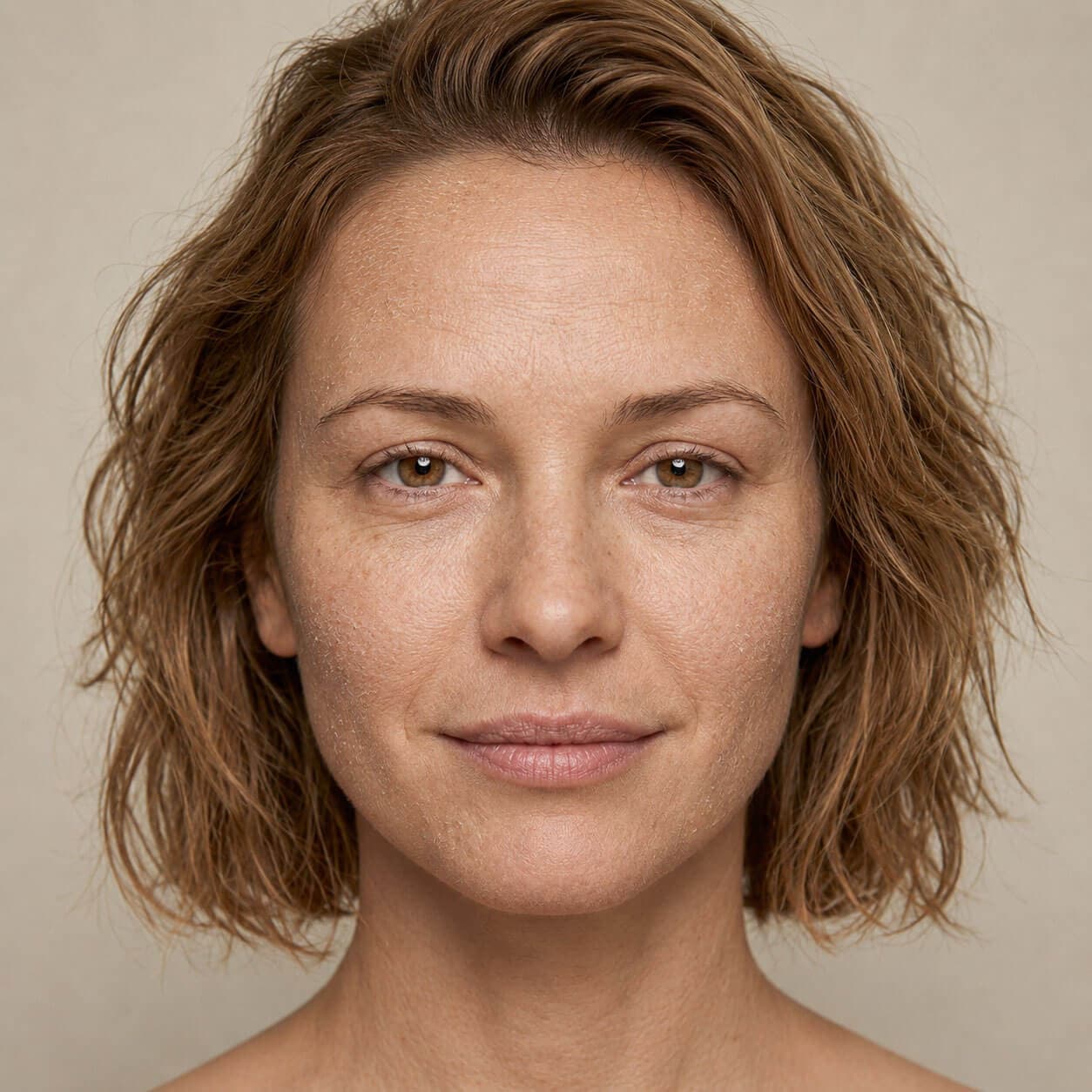
Dry skin
Dry skin is usually a barrier problem, not simply a water problem. Here's the difference between dry and dehydrated, why it matters, and the routine that actually helps.
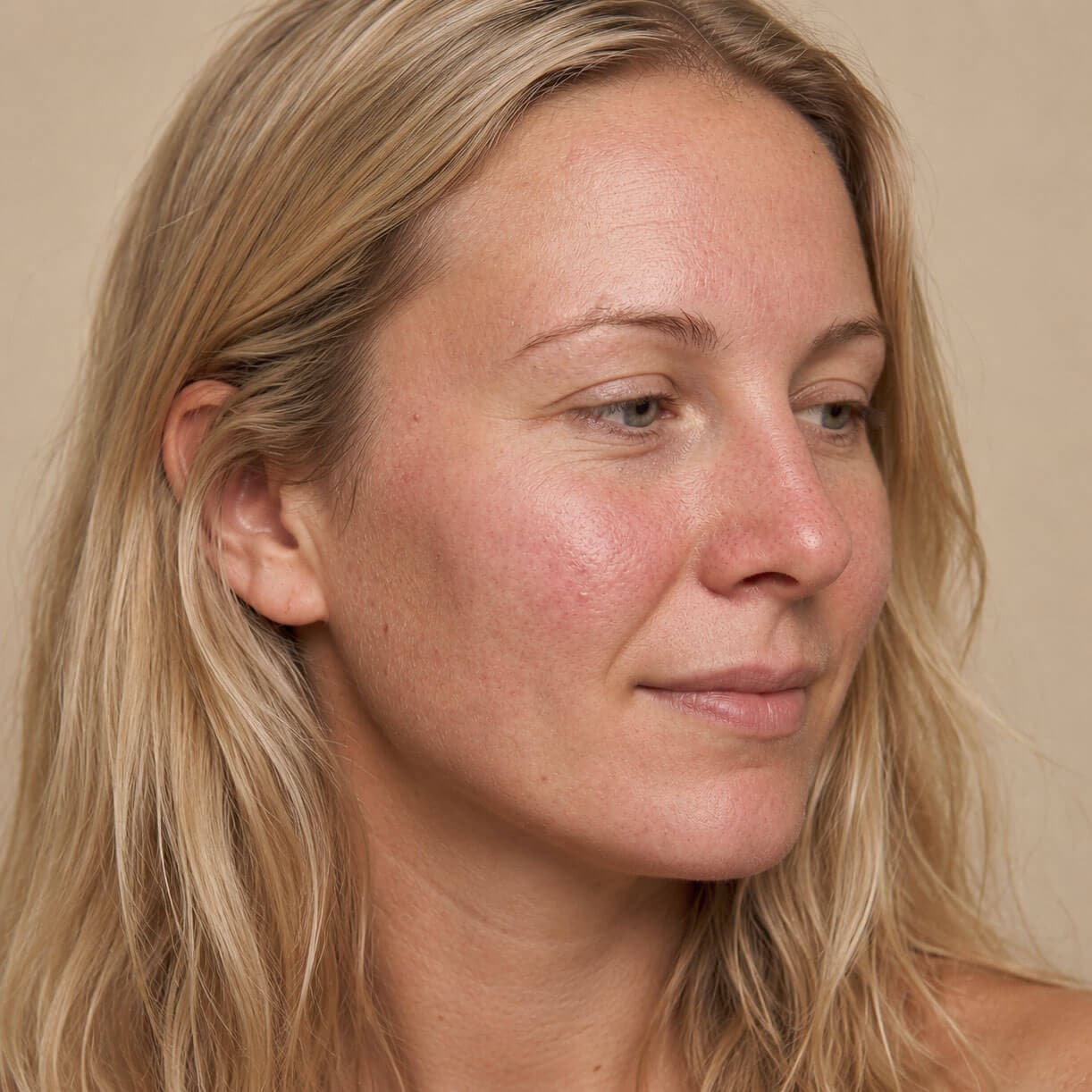
Sensitive skin
"Sensitive" is a symptom, not a diagnosis. Learn what drives reactive skin, the routine that calms it, and what to leave out.

Combination skin
Oily T-zone, drier or normal cheeks, and a routine that has to address both without making either worse. Here's how to actually balance combination skin.
Related ingredients
Citations
- Johnson W Jr, et al. Safety Assessment of Lecithin and Other Phosphoglycerides as Used in Cosmetics. Int J Toxicol. 2020;39(2_suppl):5S-25S. — DOI 10.1177/1091581820953123
- Fluhr JW, et al. Impact of multilamellar formulations on stratum corneum lipid organization and epidermal lipid barrier enhancement (Part II). Int J Cosmet Sci. 2024. — DOI 10.1111/ics.12971