
Tocopheryl Acetate (Vitamin E)
The stable, shelf-friendly form of vitamin E used in most creams. Converts slowly to active tocopherol on skin — useful antioxidant support inside a moisturiser, not a stand-alone anti-ageing treatment.
At a glance
What Tocopheryl Acetate (Vitamin E) does for skin, and how to read the practical safety signals.
- Ester form of vitamin E chosen by formulators because it is more stable in air and light than free tocopherol.
- Skin enzymes gradually convert it to active tocopherol — the form covered in our tocopherol guide.
- Common in day and night creams for antioxidant and skin-conditioning support alongside SPF and other vitamins.
- Type
- Antioxidant
- Rating
- Pregnancy
- Considered safe
- Comedogenic rating
- 2/5 (Low clogging risk)
- Vegan
- Yes
- Suited skin types
- All skin types
On this page
The short answer
Tocopheryl Acetate is vitamin E in its stable, esterified form — the version formulators put in creams because free tocopherol oxidises faster than milk left on a windowsill in July.
On the label it is not biologically active antioxidant vitamin E yet. Skin enzymes slowly convert it to tocopherol — the active form — after application. That makes it a prodrug: stable in the jar, useful on the skin, patient in its timeline.
It will not rewrite your face in a month. It is quiet antioxidant and skin-conditioning support inside moisturisers and day creams — especially sensible when paired with SPF and, ideally, vitamin C from a separate product or a well-designed morning formula.
What the evidence actually shows
Conversion to active vitamin E in human skin. Traber's 2001 ex vivo study[1] applied vitamin E acetate in several delivery systems to viable human skin and measured conversion with HPLC. No conversion appeared on the surface or in the stratum corneum alone — but in the underlying viable skin, up to 50% of total vitamin E was deacetylated to free tocopherol. Formulation mattered: encapsulated and solubilised systems deposited more deeply than simple oil solutions.
Slow release, still protective. Podda's 1995 in vivo rat study[2] found that a single application of tocopheryl acetate produced almost no free vitamin E after five hours — and no UV protection yet. After five days of daily application, conversion in the viable epidermis was still slow (about 5%), but the small amount of free tocopherol released was enough for maximal photoprotection in that model. The honest read: tocopheryl acetate is a slow-release prodrug, not an instant antioxidant hit.
Safety and widespread use. A 2018 Cosmetic Ingredient Review safety assessment[3] of tocopherols and tocotrienols — including tocopheryl acetate — concluded these ingredients are safe as used in cosmetics. Tocopheryl acetate is among the most common vitamin E forms in commercial skincare because stability and tolerability matter for products people actually finish.
For the active form and the vitamin C pairing evidence, see our dedicated tocopherol (vitamin E) guide.
How to use it
You rarely need a standalone vitamin E acetate product. It already does its job inside leave-on creams:
- Morning: logical in a day cream under or alongside SPF — antioxidant support behind sun protection, not instead of it.
- Evening: fine in a night moisturiser; pairs naturally with retinol in the same formula.
- Concentration: most evidence uses modest levels inside combination formulas. More is not automatically better.
If you are acne-prone, avoid slathering pure vitamin E oil. Tocopheryl acetate at normal cosmetic levels in a balanced cream is a different conversation.
Where it fits in a routine
Tocopheryl acetate works best as support inside a simple stack:
- Tocopherol: some formulas carry both — acetate for stability, free tocopherol for immediate antioxidant presence.
- L-ascorbic acid plus SPF: the strongest photoprotection evidence is for the vitamin C and E combination when you use a dedicated vitamin C step.
- Niacinamide and panthenol: barrier-friendly neighbours with no famous clash.
- Glycerin and sodium hyaluronate: the hydration base that makes antioxidant creams feel usable every day.
There is no widely cited reason to keep vitamin E acetate away from most routine ingredients. If something stings, look at the whole formula before blaming vitamin E.
When it will not help
Tocopheryl acetate will not reverse deep wrinkles, clear acne, or fix stubborn pigmentation on its own. It is support, not a hero active. It also will not rescue an oxidised, poorly packaged formula — antioxidants only help when the product is fresh.
The practical takeaway
My goal with this guide was to gather the useful science on tocopheryl acetate in one place, so you can stop hunting for the next clever fix and do the simple, effective things your skin actually needs.
That is also why I made the Danish Skin Care Kit: a calm routine built around documented ingredients, and one that has helped more than 100,000 people with problem skin. If even the smallest question is still nagging you, send me an email at info@danishskincare.com.
Common questions
What is the difference between tocopheryl acetate and tocopherol?
Tocopheryl acetate is the stable ester form; tocopherol is the active antioxidant form. Formulators use the acetate for shelf stability, and skin enzymes convert it to tocopherol over time. See our tocopherol guide for the active form in detail.
Does tocopheryl acetate work as an antioxidant?
Yes, but indirectly. It acts as a prodrug — biologically inactive until converted to tocopherol in the skin. Conversion is slow, which is why it works best as daily support inside a cream you use consistently.
Can vitamin E acetate clog pores?
Pure vitamin E oil can feel occlusive for some acne-prone skin. Tocopheryl acetate at typical moisturiser concentrations inside a balanced formula is a different conversation — usually fine, especially compared with slugging thick oils.
Reading a real label?
Scan a product to see how it is formulated
Upload a photo of the ingredient list and get a quick ingredient-by-ingredient read against the evidence-led database.
Found in these Danish Skin Care products

Tocopheryl acetate sits alongside free tocopherol, niacinamide, panthenol, and SPF filters in the morning step.

Used in the night cream as stable vitamin E support around retinol and the hydration base.

Both the Day Protector and Moisturizer carry tocopheryl acetate for daily antioxidant support without oxidising on the shelf.
Skin conditions it actively helps with
Where the published evidence puts Tocopheryl Acetate (Vitamin E) on the short list of active ingredients worth reaching for.

Signs of ageing
Wrinkles, sallowness, slack tone, and uneven pigment all share the same drivers. Here's the unglamorous routine that genuinely slows them.

Dry skin
Dry skin is usually a barrier problem, not simply a water problem. Here's the difference between dry and dehydrated, why it matters, and the routine that actually helps.
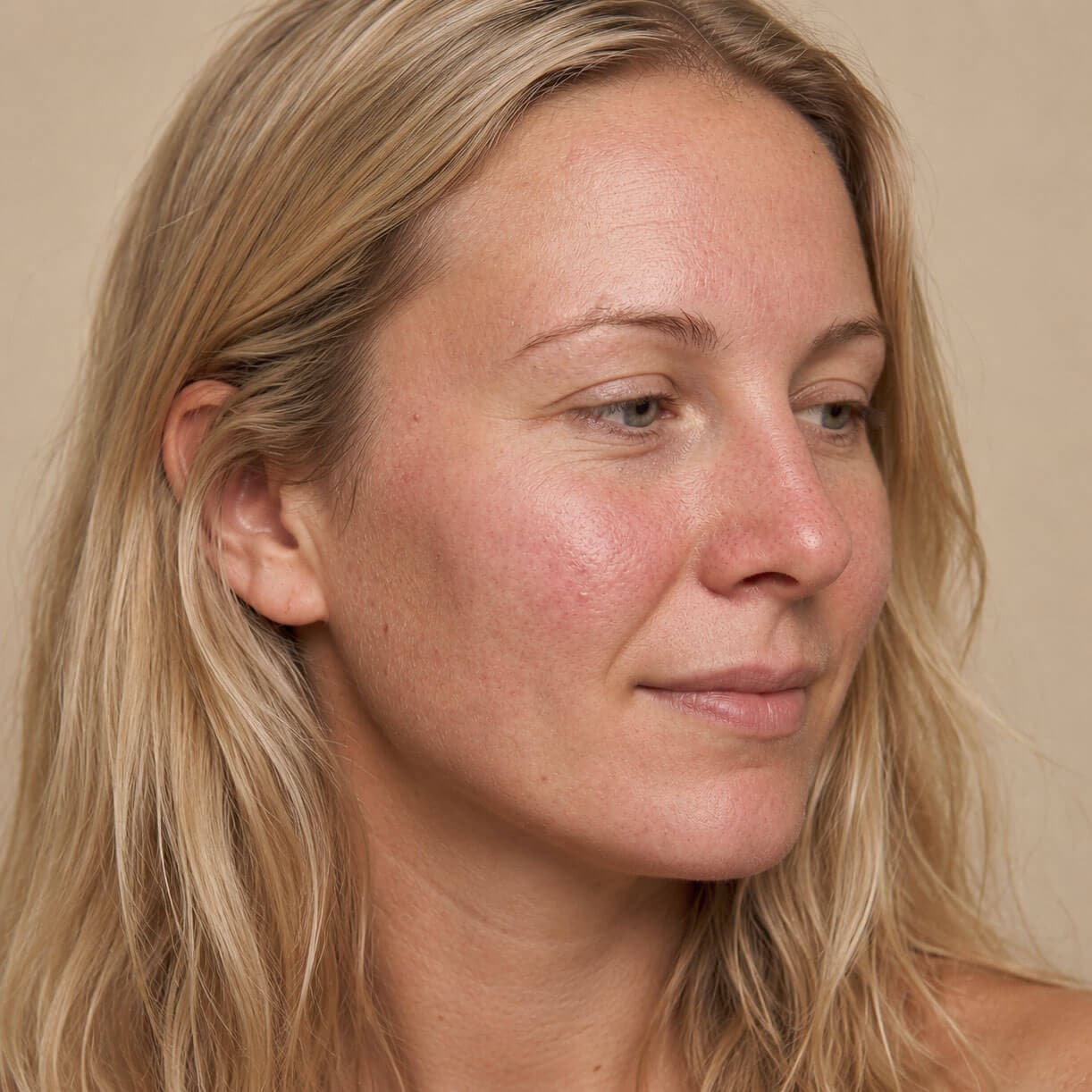
Sensitive skin
"Sensitive" is a symptom, not a diagnosis. Learn what drives reactive skin, the routine that calms it, and what to leave out.
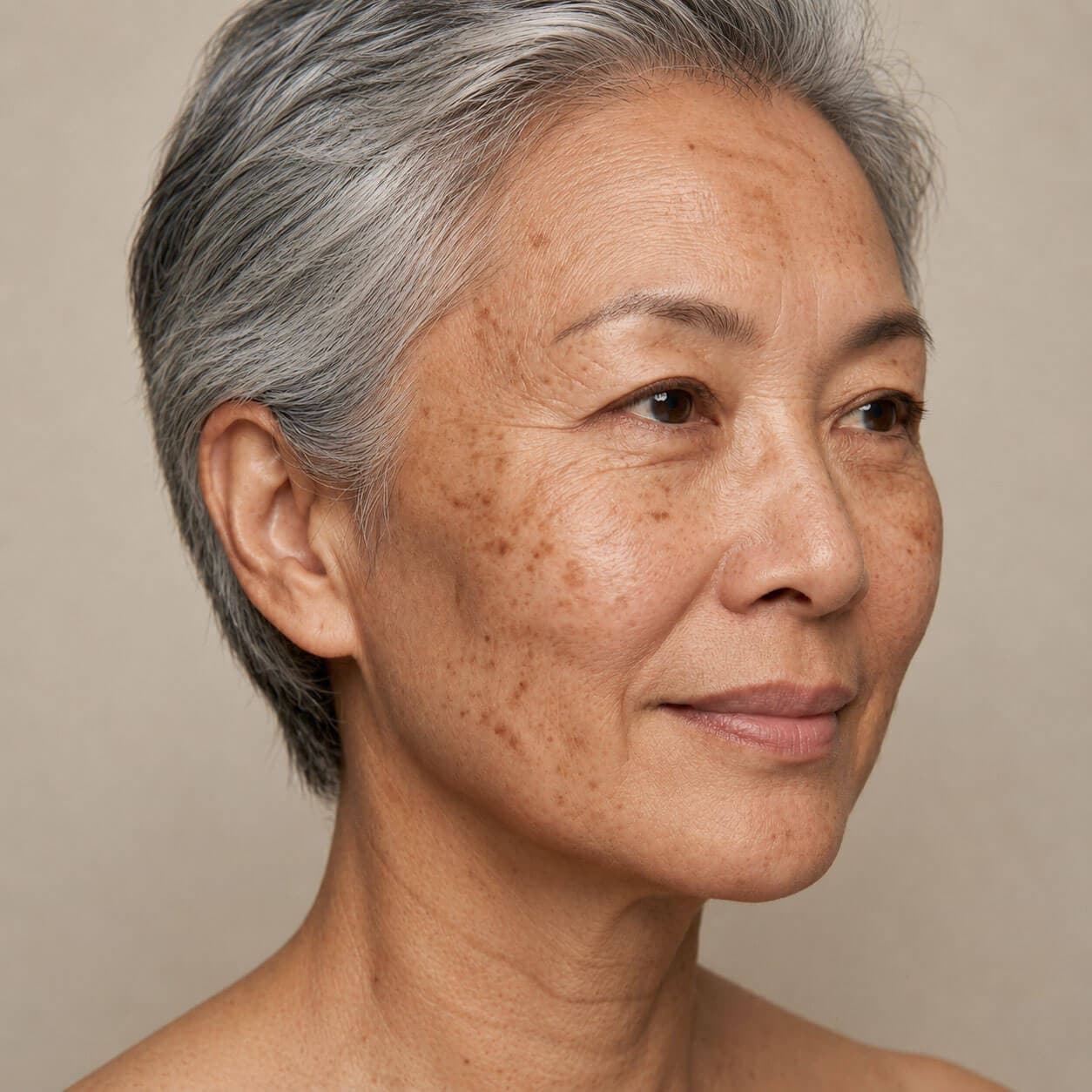
Pigmentation
Pigmentation is one of the most-asked-about, most-misunderstood skin concerns. Here's what's happening in your skin and the slow, evidence-led routine that actually fades it.
Related ingredients
Citations
- Traber MG, Weber P, Rallis M, et al. Direct evidence for bioconversion of vitamin E acetate into vitamin E: an ex vivo study in viable human skin. J Invest Dermatol. 2001;117(2):287-291. — PMID 11413495
- Podda M, Weber C, Traber MG, et al. Hydrolysis of RRR-alpha-tocopheryl acetate (vitamin E acetate) in the skin and its UV protecting activity (an in vivo study with the rat). J Invest Dermatol. 1995;104(5):828-832. — PMID 7472802
- Johnson W Jr, Bergfeld WF, Belsito DV, et al. Safety Assessment of Tocopherols and Tocotrienols as Used in Cosmetics. Int J Toxicol. 2018;37(2_suppl):5S-44S. — DOI 10.1177/1091581818794455