
Propylene Glycol
A well-studied humectant and solvent that helps actives spread evenly and keeps leave-on formulas usable. Rarely the villain in a routine when concentration and the rest of the formula are sensible.
At a glance
What Propylene Glycol does for skin, and how to read the practical safety signals.
- Dual role: Draws water into the upper skin layers and dissolves actives so serums and treatments spread evenly.
- Formula backbone: Common in leave-on treatments and moisturisers — including Perfect Skin Optimizer — at levels that support usability, not stickiness.
- Not a solo fix: Excellent support ingredient; will not replace moisturiser, SPF, or targeted actives for specific skin concerns.
- Type
- Humectant
- Rating
- Pregnancy
- Considered safe
- Comedogenic rating
- 0/5 (Won't clog pores)
- Vegan
- Yes
- Suited skin types
- All skin types
On this page
The short answer
Propylene glycol is the quiet workhorse behind many leave-on serums and treatments. INCI lists it as Propylene Glycol — often shortened to PG in formulation conversations.
It does two practical jobs at once: it pulls water into the upper skin layers as a humectant, and it dissolves and carries actives so a product spreads evenly instead of sitting in patches on your face. That is why you will find it near the top of ingredient lists in treatment gels, serums, and lightweight moisturisers.
It will not clear acne or fix pigmentation on its own. It is infrastructure — the part of the formula that makes the interesting ingredients usable enough to apply every day.
What the evidence actually shows
Hydration and water loss. A 2013 study[1] of nanostructured lipid carrier formulas found that adding propylene glycol increased skin hydration and reduced transepidermal water loss more effectively than the same base without it — roughly 60% versus 19% TEWL reduction over seven days. The honest takeaway: propylene glycol helps formulas hold water at the surface and slow evaporation.
How glycols interact with skin structure. A 2022 study[2] compared propylene glycol with other glycols in stratum corneum models and found increased molecular mobility in lipids and protein components — behaviour similar to natural moisturising factor. That helps explain why glycols make actives feel less drying and why they are common solvent choices in treatment products.
Safety at cosmetic concentrations. The Cosmetic Ingredient Review safety assessment[3] concluded that propylene glycol is generally non-toxic, non-carcinogenic, and safe as used in cosmetics when formulated to be non-irritating. Internet fear around "propylene glycol in skincare" rarely matches what formulators actually use — small percentages inside complete products, not pure glycol poured on skin.
How to use it
You almost never buy propylene glycol on its own. It already does its job inside:
- Treatment serums — keeps azelaic acid, niacinamide, and other actives in a spreadable base.
- Lightweight moisturisers — humectant support without a heavy, greasy finish.
- Gel textures — helps water-based formulas feel smooth rather than sticky.
If a serum feels comfortable and spreads easily, propylene glycol (often alongside glycerin) is frequently part of the reason.
Where it fits in a routine
Propylene glycol sits comfortably beside:
- Glycerin and sodium hyaluronate: hydration from different angles in the same formula.
- Panthenol and niacinamide: barrier-friendly support around actives.
- Azelaic acid: propylene glycol in the Optimizer base helps the azelaic acid serum stay lightweight for daily morning use.
There is no famous ingredient feud with propylene glycol. If something stings, look at pH, active load, fragrance, or your overall barrier before blaming PG.
When it won't help
Propylene glycol will not treat acne, rosacea, melasma, or wrinkles as a standalone ingredient. Very dry, cracked skin still needs lipids and occlusives — humectants pull water in, but something has to keep it there.
A small subset of people with severely compromised or eczematous skin may find high glycol loads irritating. That is a tolerability issue, not proof that propylene glycol is "toxic."
The practical takeaway
My goal with this guide was to gather the useful science on propylene glycol in one place, so you can stop hunting for the next clever fix and do the simple, effective things your skin actually needs.
That is also why I made the Danish Skin Care Kit: a calm routine built around documented ingredients, and one that has helped more than 100,000 people with problem skin. If even the smallest question is still nagging you, send me an email at info@danishskincare.com.
Common questions
Is propylene glycol bad for skin?
For most people, no. It is one of the most common cosmetic humectants and solvents, with decades of use and a favourable safety profile at typical skincare concentrations. Irritation is possible at very high levels or in already-compromised skin, but it is rarely the first suspect in a well-formulated product.
Is propylene glycol the same as glycerin?
Both are humectants, but different molecules. Propylene glycol is often used more as a solvent and texture modifier; glycerin is the classic water-binding humectant. Many good formulas use both because they do slightly different jobs.
Can acne-prone skin use propylene glycol?
Yes. It is non-comedogenic and helps treatment serums feel spreadable rather than chalky. If a product breaks you out, look at the full formula — actives, oils, fragrance — before blaming propylene glycol alone.
Reading a real label?
Scan a product to see how it is formulated
Upload a photo of the ingredient list and get a quick ingredient-by-ingredient read against the evidence-led database.
Found in these Danish Skin Care products

Propylene glycol is the first-listed solvent in the Optimizer base, helping 5% azelaic acid and niacinamide spread into a lightweight morning serum.

Propylene glycol runs through the Optimizer step and supports the leave-on actives across the full Kit routine.
Skin conditions it actively helps with
Where the published evidence puts Propylene Glycol on the short list of active ingredients worth reaching for.

Dry skin
Dry skin is usually a barrier problem, not simply a water problem. Here's the difference between dry and dehydrated, why it matters, and the routine that actually helps.
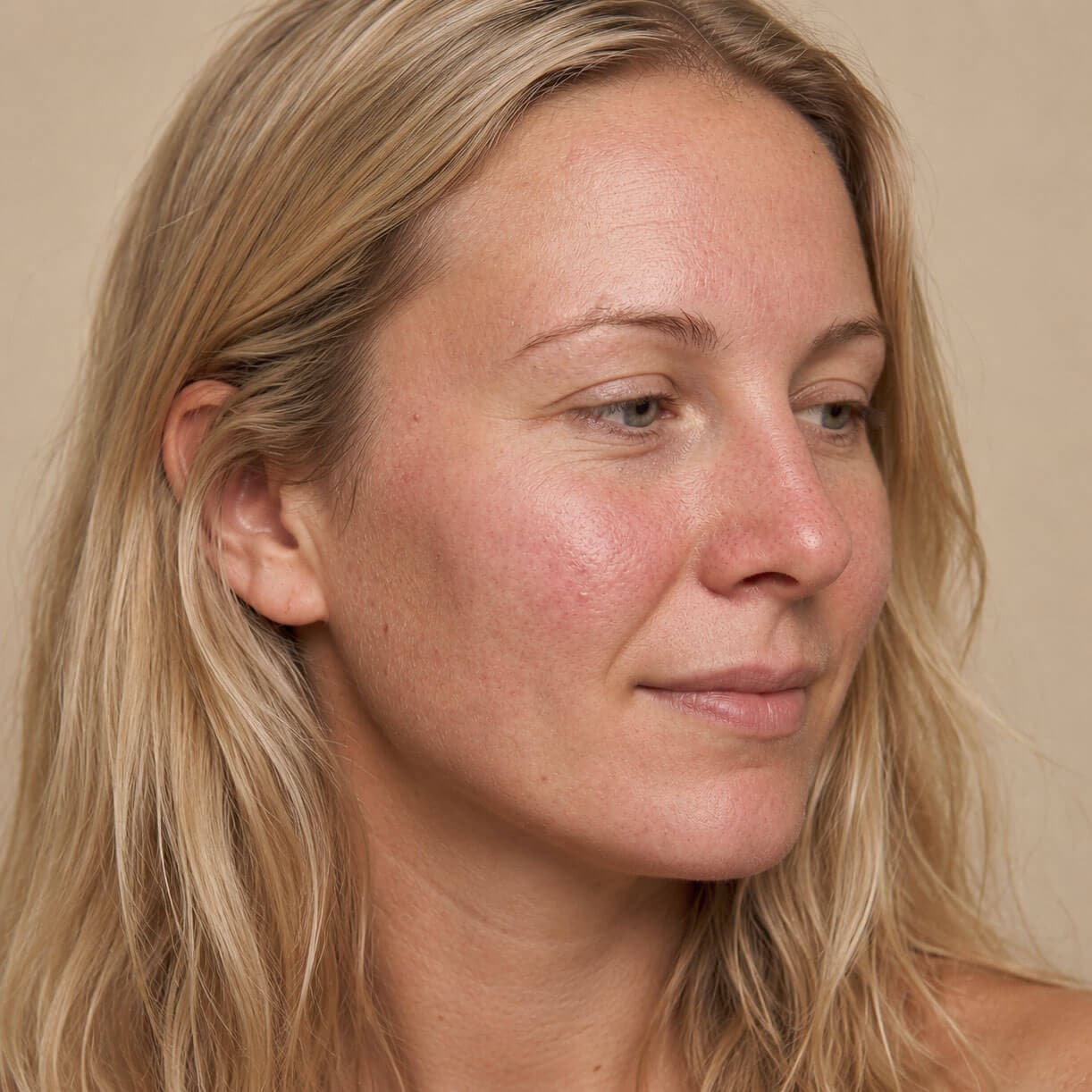
Sensitive skin
"Sensitive" is a symptom, not a diagnosis. Learn what drives reactive skin, the routine that calms it, and what to leave out.

Combination skin
Oily T-zone, drier or normal cheeks, and a routine that has to address both without making either worse. Here's how to actually balance combination skin.
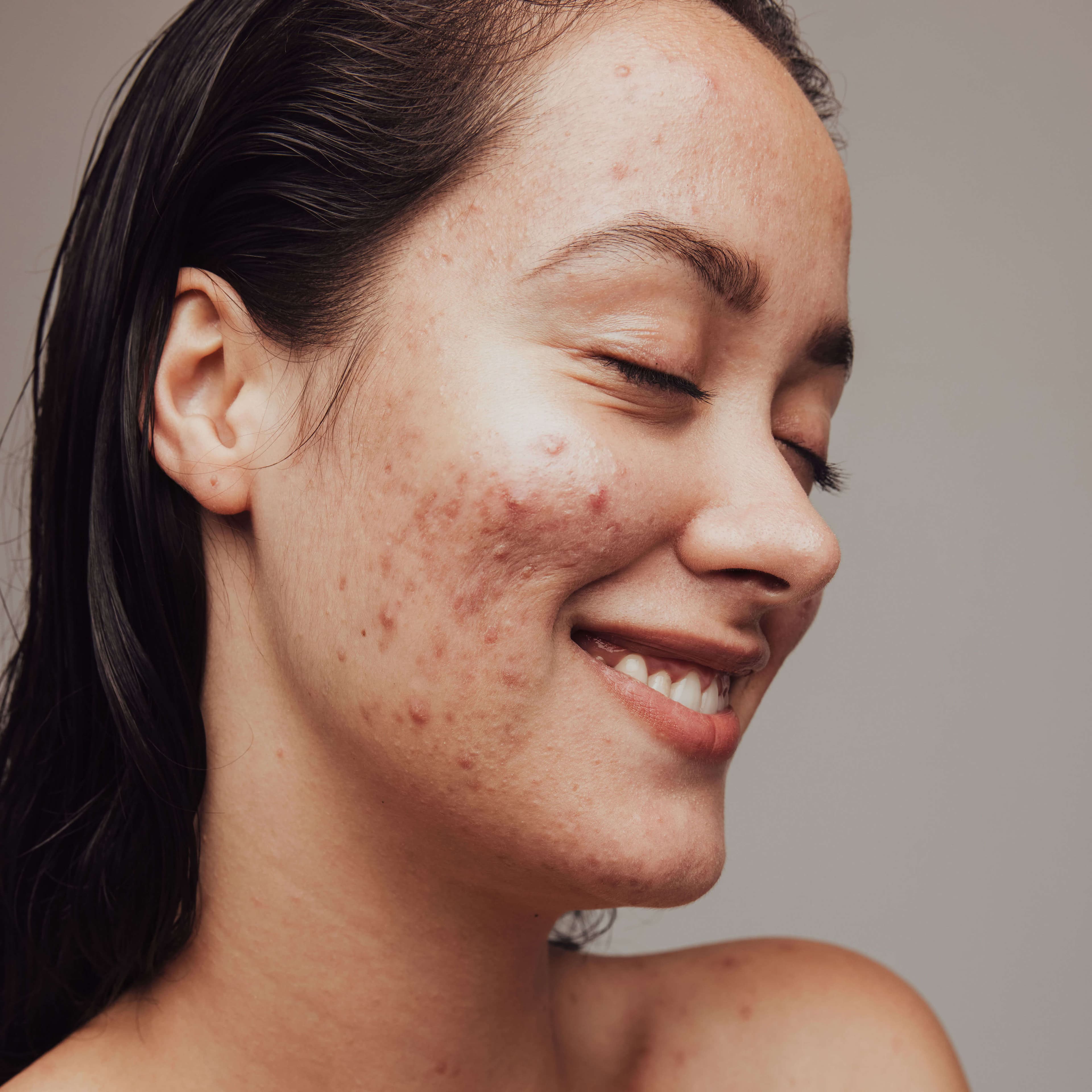
Acne and blemishes
A clear-headed guide to acne: what's actually happening in your skin, what the evidence says works, and a simple routine that doesn't make things worse.
Related ingredients
Citations
- Loo C, et al. Effect of compositions in nanostructured lipid carriers (NLC) on skin hydration and occlusion. Int J Nanomedicine. 2013;8:13-22. — PMID 23293516
- Kis N, et al. The effects of glycols on molecular mobility, structure, and permeability in stratum corneum. J Control Release. 2022;343:755-764. — PMID 35150813
- Fiume MM, et al. Safety assessment of propylene glycol, tripropylene glycol, and PPGs as used in cosmetics. Int J Toxicol. 2012;31(5 Suppl):245S-60S. — PMID 23064775