
Phenoxyethanol
A widely used cosmetic preservative that keeps water-based products safe through normal use. Rarely sensitising at approved concentrations — and far less scary than an unpreserved cream growing things you cannot see.
At a glance
What Phenoxyethanol does for skin, and how to read the practical safety signals.
- Preserves water-containing formulas against bacteria, yeast, and mould — essential for any product you dip fingers into twice daily.
- Approved in the EU at up to 1% in cosmetic products; typical use levels are well below that ceiling.
- One of the better-tolerated cosmetic preservatives: widespread use, low sensitisation rates in patch-test data.
- Type
- Preservative
- Rating
- Pregnancy
- Considered safe
- Comedogenic rating
- 0/5 (Won't clog pores)
- Vegan
- Yes
- Suited skin types
- All skin types
On this page
The short answer
Phenoxyethanol is a cosmetic preservative. Its job is to stop bacteria, yeast, and mould from turning your moisturiser into a biology experiment between the factory and the bottom of the jar.
It is not there to improve your skin. You will never look in the mirror and think, "Wow, the phenoxyethanol is really working tonight." That is the point. Preservation is invisible safety infrastructure — like seatbelts. You notice them when something goes wrong.
And yet phenoxyethanol sits on many "dirty ingredient" lists, usually without explaining what happens in a water-based cream that has no effective preservation system. Spoiler: nothing good.
Why water-based products need preservatives
Any formula built around aqua - which is most cleansers, serums, moisturisers, and sunscreens - gives microorganisms something to work with. That is why a preservative system may include ingredients such as phenoxyethanol, sodium benzoate, or potassium sorbate. Your fingers, bathroom air, and repeated opening and closing of a jar all add exposure.
Without preservatives, even a beautifully formulated cream can become unsafe surprisingly fast. Preservation is not a conspiracy. It is basic microbiology.
Phenoxyethanol has been used for decades because it works against a broad range of microbes while having a relatively weak effect on the skin's normal flora — and because it is well tolerated by most users at the concentrations cosmetics actually use.
What the safety evidence actually shows
Broad regulatory support at cosmetic concentrations. A 2019 safety review[1] summarises the European Scientific Committee on Consumer Safety position: phenoxyethanol is safe for all consumers, including children, when used as a preservative at up to 1%. Systemic adverse effects appeared in animal toxicology only at exposure levels roughly 200 times higher than normal cosmetic use delivers. Despite enormous real-world exposure, phenoxyethanol remains a rare sensitiser — the review describes it as among the most well-tolerated cosmetic preservatives.
Allergic reactions exist — and are uncommon. A 2022 case report[2] documented allergic contact dermatitis from phenoxyethanol in hand care products. It is real. It is also exactly the kind of rare event you expect from an ingredient used in thousands of products worldwide. If you patch-test positive, avoid it. If you have never reacted, the population data do not support treating it as a universal threat.
Low ranking among preservative allergens. Schnuch's analysis of German patch-test data[3] from 1996–2009 places phenoxyethanol among preservatives with relatively low sensitisation rates compared with older, more reactive systems. That is why modern formulators reach for it: effective protection, reasonable tolerability, decades of track record.
The nuance clean-beauty lists skip
Preservative fear often assumes that "natural" equals safer. But an unpreserved "natural" cream is not safer — it is unprotected.
Some regulatory bodies have debated extra caution for phenoxyethanol in specific contexts, such as leave-on products on infant nappy areas, based on precautionary exposure modelling rather than widespread reported harm in normal use. That is responsible regulation doing its job: asking questions at the margins. It is not the same as "this preservative is poisoning your face wash."
For adult daily skincare at standard concentrations, the evidence base supports calm use — not panic, not worship, proportion.
Where it appears in a routine
Phenoxyethanol shows up in most water-based steps:
- Cleansers — including our Face Wash, paired with other preservation helpers.
- Day and night moisturisers — protecting formulas that carry niacinamide, retinol, and humectants.
- Treatment serums — keeping actives stable and the product safe month after month.
It does not interact with your actives in a way that cancels them out. It sits in the background doing a job most people never think about until someone on social media tells them to fear "chemicals" - as if water were not a chemical. The label's period after opening still matters, because preservation is designed around normal use, not keeping a half-empty jar forever.
When it will not help
Phenoxyethanol will not hydrate skin, clear acne, or fade pigmentation. It is not an active. And it will not make a bad formula good — it only keeps a good formula safe.
If a product stings, the cause is usually actives, pH, fragrance, or a compromised barrier — not the preservative doing its quiet job at the back of the INCI list.
The practical takeaway
My goal with this guide was to gather the useful science on phenoxyethanol in one place, so you can stop hunting for the next clever fix and do the simple, effective things your skin actually needs.
That is also why I made the Danish Skin Care Kit: a calm routine built around documented ingredients, and one that has helped more than 100,000 people with problem skin. If even the smallest question is still nagging you, send me an email at info@danishskincare.com.
Common questions
Is phenoxyethanol safe in skincare?
At cosmetic use levels up to 1%, yes — for the vast majority of people. European safety reviews conclude it is well tolerated, with adverse effects in animal studies only at exposure levels far above what normal product use delivers.
Is phenoxyethanol a hormone disruptor?
Animal toxicology at very high doses has raised questions in regulatory reviews, but consumer exposure from properly preserved cosmetics at approved concentrations is a different scale entirely. Current safety assessments support its use at up to 1%.
Why not use preservative-free products instead?
Water plus nutrients plus your bathroom humidity is a microbial buffet. Preservative-free sounds clean until you consider what grows in an unpreserved cream after a few weeks of daily use. Preservation is product safety, not skincare paranoia.
Reading a real label?
Scan a product to see how it is formulated
Upload a photo of the ingredient list and get a quick ingredient-by-ingredient read against the evidence-led database.
Found in these Danish Skin Care products

Phenoxyethanol works alongside benzoic acid and dehydroacetic acid to keep the water-based cleanser safe through daily use.

Part of the preservation system in the morning moisturiser and SPF step.

Helps protect the night cream formula that carries retinol, urea, and hydration ingredients.

Preserves the azelaic acid and niacinamide serum alongside the water-glycerin base.

Phenoxyethanol appears across most Kit products because any water-based formula needs reliable preservation.
Skin conditions it actively helps with
Where the published evidence puts Phenoxyethanol on the short list of active ingredients worth reaching for.
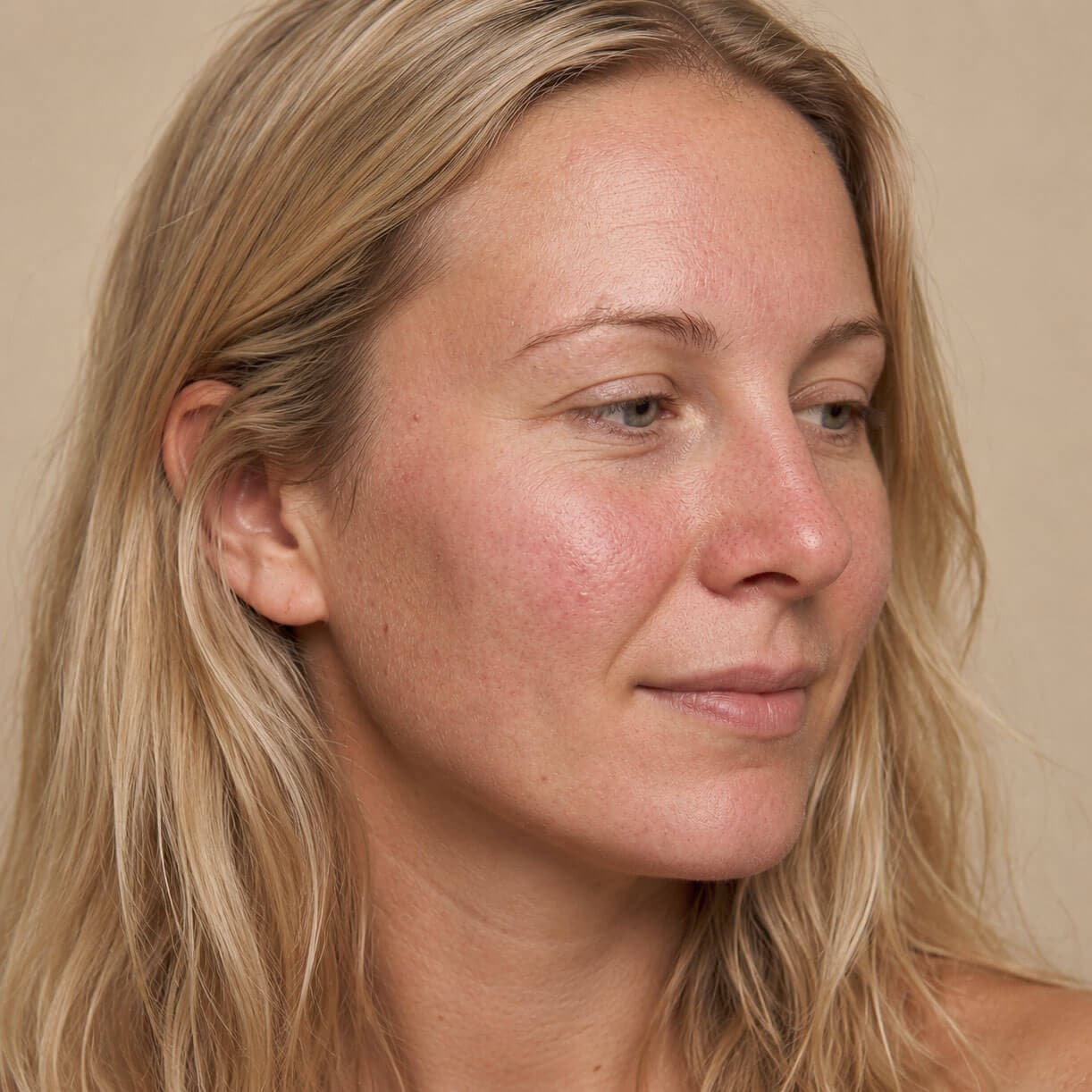
Sensitive skin
"Sensitive" is a symptom, not a diagnosis. Learn what drives reactive skin, the routine that calms it, and what to leave out.

Dry skin
Dry skin is usually a barrier problem, not simply a water problem. Here's the difference between dry and dehydrated, why it matters, and the routine that actually helps.
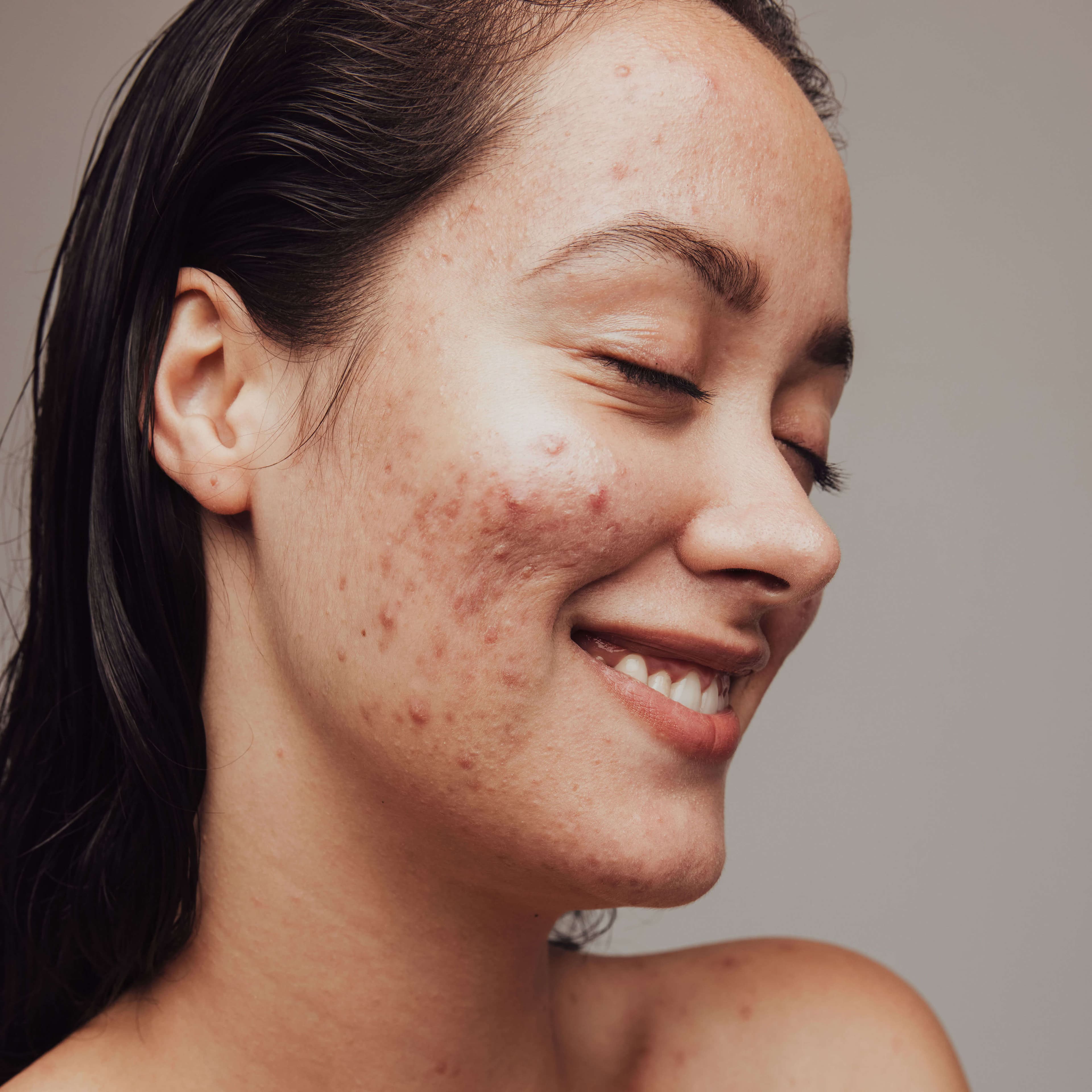
Acne and blemishes
A clear-headed guide to acne: what's actually happening in your skin, what the evidence says works, and a simple routine that doesn't make things worse.

Combination skin
Oily T-zone, drier or normal cheeks, and a routine that has to address both without making either worse. Here's how to actually balance combination skin.
Related ingredients
Citations
- Dreno B, Zuberbier T, Gelmetti C, et al. Safety review of phenoxyethanol when used as a preservative in cosmetics. J Eur Acad Dermatol Venereol. 2019;33(Suppl 7):15-24. — PMID 31588615
- Kolodziej M, Kiewert A, Skudlik C, Brans R. Allergic contact dermatitis to phenoxyethanol: A rare, but possible cause of hand dermatitis. Contact Dermatitis. 2022;86(4):319-320. — PMID 34921565
- Schnuch A, Lessmann H, Geier J, Uter W. Contact allergy to preservatives. Analysis of IVDK data 1996-2009. Br J Dermatol. 2011;164(6):1316-1325. — PMID 21410680