
Butylene Glycol
A quiet workhorse that keeps formulas spreadable, stable, and comfortably hydrating. Shows up everywhere because it works — rarely the reason a product succeeds or fails on its own.
At a glance
What Butylene Glycol does for skin, and how to read the practical safety signals.
- Humectant and solvent that helps water-soluble ingredients dissolve and spread evenly in a formula.
- Appears across cleansers, serums, day creams, and night creams — usually at low concentrations that support texture more than headline actives.
- Generally less irritating than propylene glycol for sensitive skin, though rare allergic reactions are documented.
- Type
- Humectant
- Rating
- Pregnancy
- Considered safe
- Comedogenic rating
- 0/5 (Won't clog pores)
- Vegan
- Yes
- Suited skin types
- All skin types
On this page
The short answer
Butylene Glycol is one of those ingredients that appears on so many labels you stop noticing it — which is roughly how it prefers to live its life.
It is a small diol used mainly as a humectant (helps bind water), solvent (dissolves other ingredients), and texture agent (keeps serums and creams spreadable instead of gloopy or separated). It is not an active treatment. It is formula infrastructure.
If glycerin is the hydration workhorse everyone has heard of, butylene glycol is the colleague who keeps the office running: stable spreadsheets, working printer, coffee that is actually drinkable. Not glamorous. Genuinely useful.
What butylene glycol actually does
Most modern skincare is a water-based emulsion or gel carrying ingredients that would not dissolve cleanly on their own. Butylene glycol helps those ingredients stay in solution, improves spreadability, and adds a touch of humectant hydration so products feel smoother on application.
A 1985 Cosmetic Ingredient Review safety assessment[1] describes butylene glycol's role across cosmetic categories — humectant, emulsifier support, plasticiser, solvent — and concludes it shows a low order of toxicity with minimal primary skin irritation in standard human patch tests.
A 2012 review of 1,2-glycols used in cosmetics[2] — including 1,3-butanediol (butylene glycol) — reached the same broad conclusion: these ingredients are safe at current cosmetic use levels, mostly functioning as conditioning and viscosity agents rather than stand-alone treatments.
That matches what you see in real formulas: butylene glycol rarely headlines the marketing copy because its job is to make the headline ingredients actually usable.
Is it good for sensitive skin?
For most people, yes. Many brands choose butylene glycol over propylene glycol when they want similar solvent and humectant benefits with a gentler irritation profile — though "gentler" does not mean "impossible to react to."
A 2014 case report[3] documented allergic contact dermatitis from 1,3-butylene glycol in multiple hypoallergenic products. It is rare. It is real. If you patch-test positive, avoid it. If you have never had an issue, there is no science-backed reason to treat butylene glycol like a universal enemy.
In my experience, when someone with sensitive skin reacts to a product, the usual suspects are fragrance, strong acids, high retinoid loads, or a barrier that is already angry — not the glycol keeping the serum from separating.
Where it shows up in a routine
Butylene glycol is the opposite of a specialist. You will find it in:
- Treatment gels — helping salicylic acid or azelaic acid spread evenly.
- Serums — stabilising niacinamide and hydration ingredients.
- Day and night moisturisers — supporting texture alongside glycerin, panthenol, and ceramide-friendly bases.
It pairs comfortably with almost everything because it is not competing for the same biological pathway as your actives. It is holding the formula together while they do their jobs.
When it will not help
Butylene glycol will not treat acne, pigmentation, rosacea, or wrinkles. It will not replace a moisturiser, sunscreen, or targeted active. And it will not fix a product that is poorly formulated — it makes good formulation easier.
If you are building a minimalist routine, you do not need a standalone butylene glycol product. You already have it, invisibly, inside the products that make daily skincare possible.
The practical takeaway
My goal with this guide was to gather the useful science on butylene glycol in one place, so you can stop hunting for the next clever fix and do the simple, effective things your skin actually needs.
That is also why I made the Danish Skin Care Kit: a calm routine built around documented ingredients, and one that has helped more than 100,000 people with problem skin. If even the smallest question is still nagging you, send me an email at info@danishskincare.com.
Common questions
Is butylene glycol the same as propylene glycol?
Both are glycols used as humectants and solvents, but they are different molecules. Butylene glycol is often chosen when formulators want similar benefits with less irritation potential for sensitive skin.
Is butylene glycol safe in skincare?
Yes, for the vast majority of people. Cosmetic safety reviews conclude it is safe at typical use levels, with a very low order of skin irritation in standard patch testing.
Can butylene glycol cause breakouts?
It is not comedogenic. If a product breaks you out, look at the full formula — actives, oils, fragrance, or your overall routine — before blaming butylene glycol, which is usually present at modest supporting concentrations.
Reading a real label?
Scan a product to see how it is formulated
Upload a photo of the ingredient list and get a quick ingredient-by-ingredient read against the evidence-led database.
Found in these Danish Skin Care products

Butylene glycol helps dissolve and stabilise the salicylic acid treatment base alongside glycerin and botanical extracts.

Used in the morning moisturiser as a humectant and solvent within the niacinamide and SPF formula.

Part of the night cream texture system around retinol, urea, and hydration support ingredients.

Helps the azelaic acid and niacinamide serum stay spreadable and stable.

Butylene glycol runs through most Kit products because lightweight, daily-usable textures need reliable solvent and humectant support.
Skin conditions it actively helps with
Where the published evidence puts Butylene Glycol on the short list of active ingredients worth reaching for.
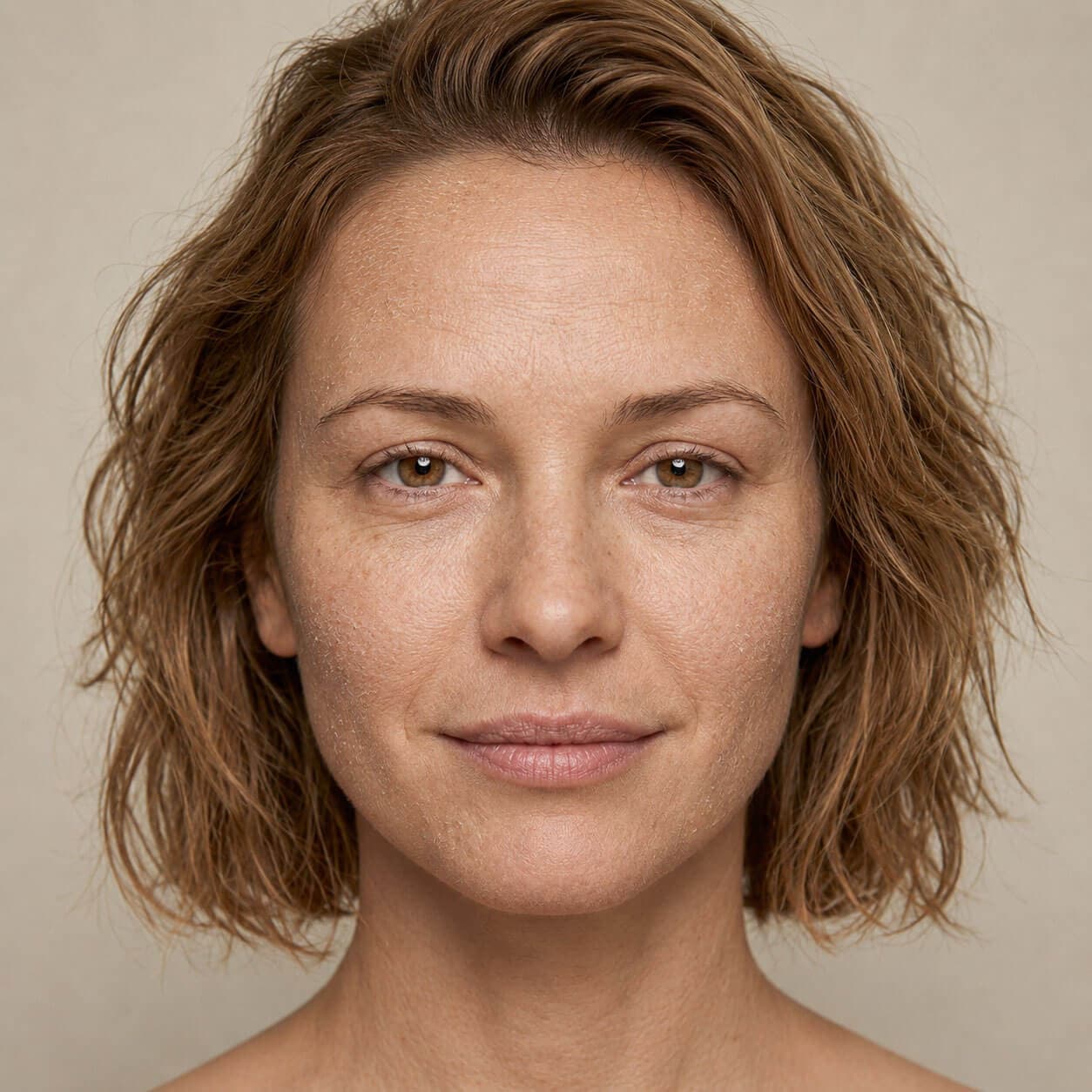
Dry skin
Dry skin is usually a barrier problem, not simply a water problem. Here's the difference between dry and dehydrated, why it matters, and the routine that actually helps.
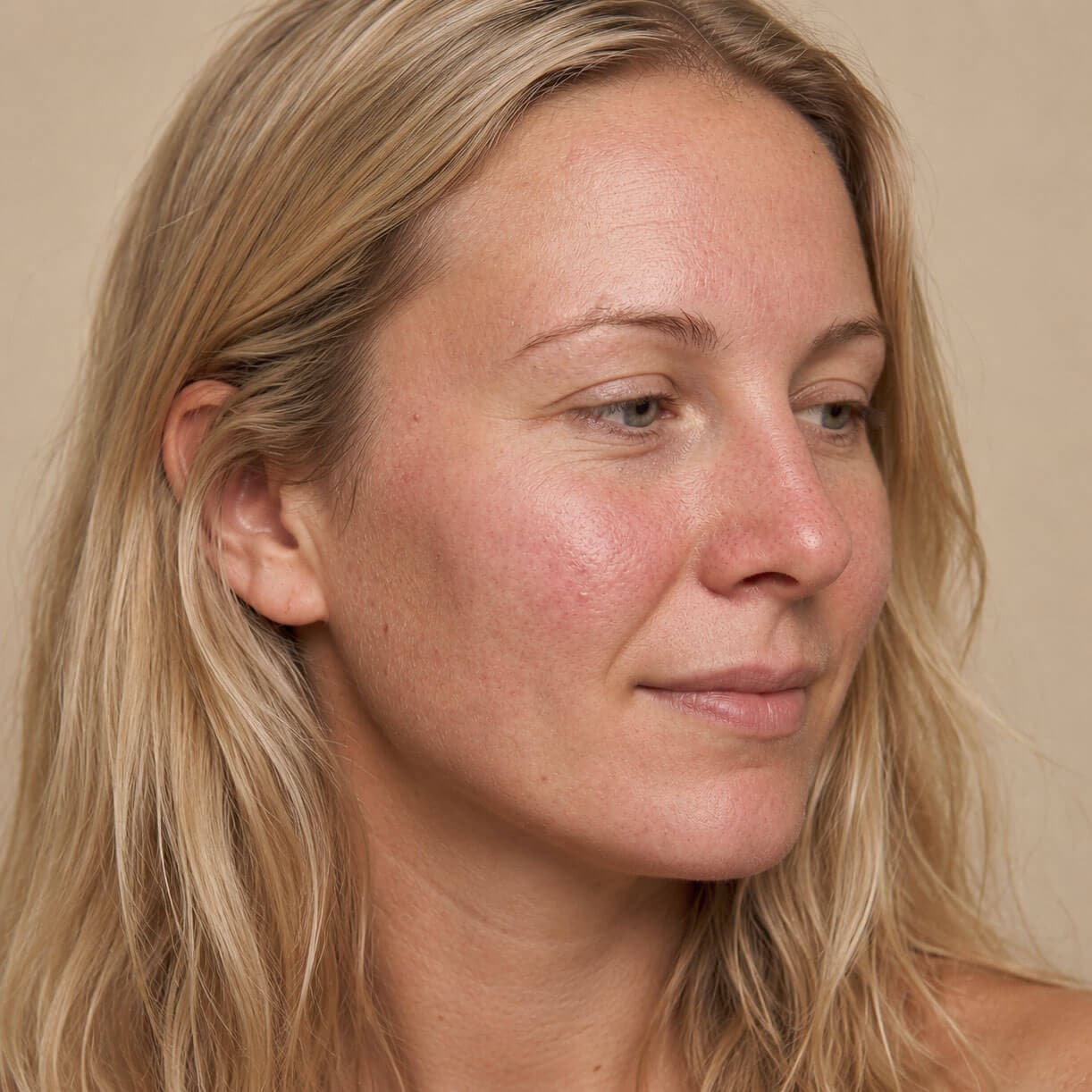
Sensitive skin
"Sensitive" is a symptom, not a diagnosis. Learn what drives reactive skin, the routine that calms it, and what to leave out.
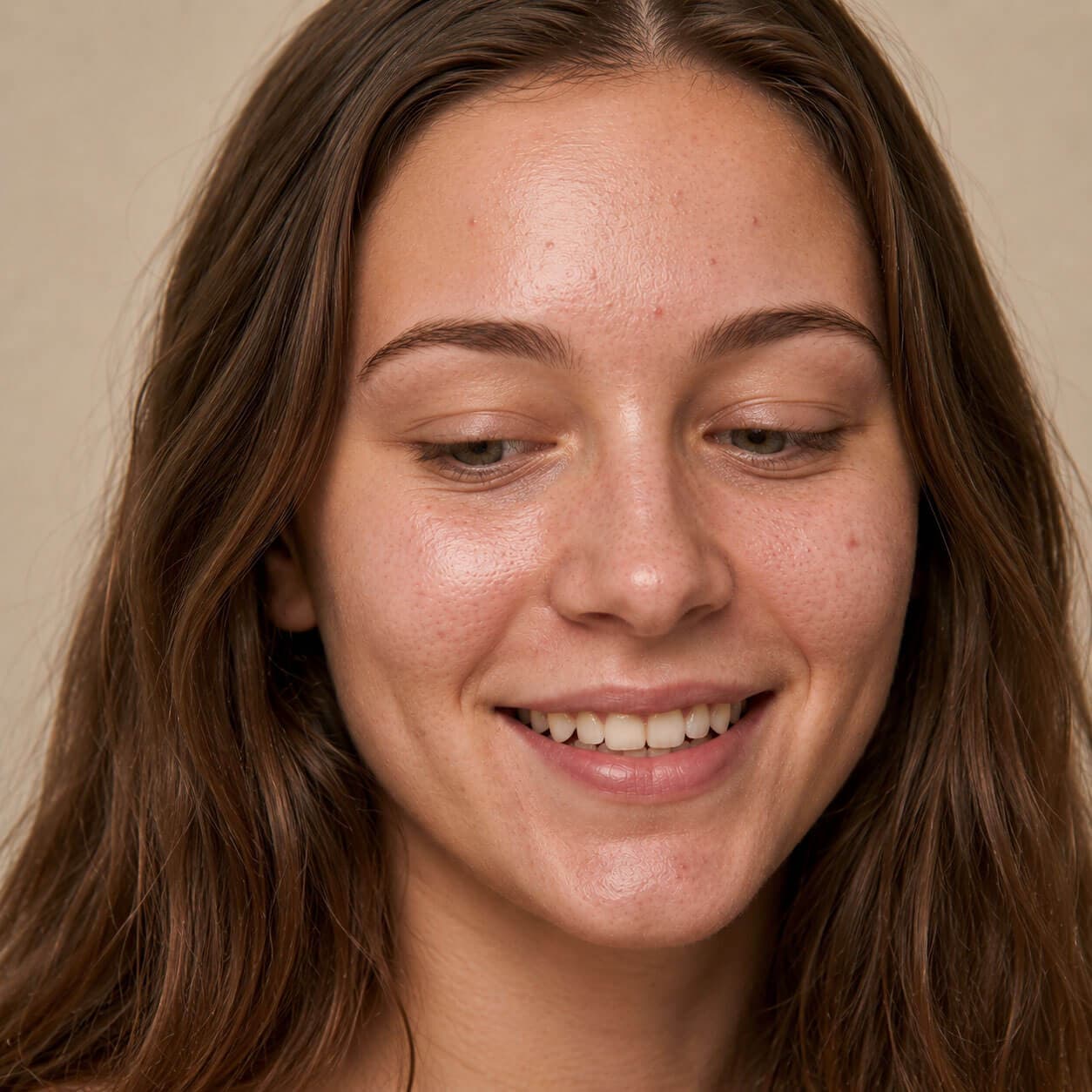
Combination skin
Oily T-zone, drier or normal cheeks, and a routine that has to address both without making either worse. Here's how to actually balance combination skin.
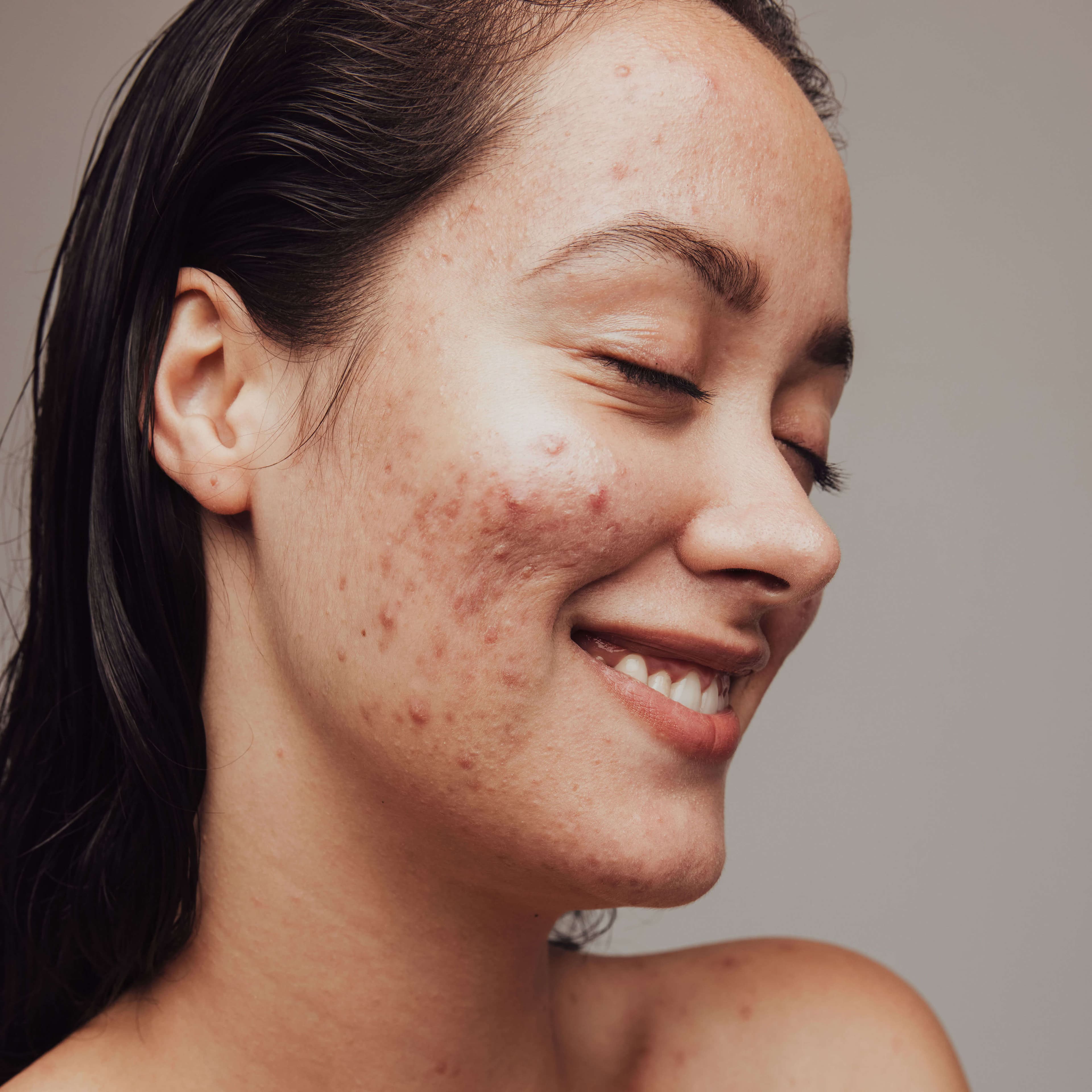
Acne and blemishes
A clear-headed guide to acne: what's actually happening in your skin, what the evidence says works, and a simple routine that doesn't make things worse.
Related ingredients
Citations
- Final Report on the Safety Assessment of Butylene Glycol, Hexylene Glycol, Ethoxydiglycol, and Dipropylene Glycol. J Am Coll Toxicol. 1985;4(5):1-76. — DOI 10.3109/10915818509078692
- Johnson W Jr, Bergfeld WF, Belsito DV, et al. Safety Assessment of 1,2-Glycols as Used in Cosmetics. Int J Toxicol. 2012;31(5 Suppl):147S-168S. — DOI 10.1177/1091581812460409
- Fukui S, Matsumoto R, Ueda M, et al. Case of allergic contact dermatitis due to 1,3-butylene glycol. J Dermatol. 2014;41(12):1123-1124. — PMID 25182293