
N-acetyl glucosamine
A well-tolerated amino sugar with human data for uneven pigmentation, especially when paired with niacinamide, and lab data linking it to hyaluronan production.
At a glance
What N-acetyl glucosamine does for skin, and how to read the practical safety signals.
- Best evidence: Human studies focus on uneven pigmentation and facial spots, especially with niacinamide.
- Routine fit: Works as a supporting brightening and comfort ingredient, not a standalone melasma or acne treatment.
- Pairing context: Often makes sense beside niacinamide, sunscreen, and a simple barrier-friendly routine.
- Type
- Brightening support
- Rating
- Pregnancy
- Considered safe
- Comedogenic rating
- 0/5 (Won't clog pores)
- Vegan
- Yes
- Suited skin types
- All skin types
On this page
The short answer
N-acetyl glucosamine is a topical skincare ingredient used mostly for uneven tone and pigmentation support. You will often see it listed as Acetyl Glucosamine on an INCI list.
It is one of those ingredients that sounds more complicated than it feels in a routine. Think of it as a quiet support player for pigmentation-prone skin, especially when paired with niacinamide and daily SPF.
What the evidence shows
Pigmentation data. A 2007 study on topical N-acetyl glucosamine[1] found that 2% NAG reduced the appearance of facial hyperpigmentation in an 8-week split-face study. The same paper reported a greater effect when 2% NAG was combined with 4% niacinamide.
Niacinamide pairing. A 10-week randomized, double-blind, vehicle-controlled study[2] found that a moisturiser regimen containing niacinamide plus N-acetyl glucosamine reduced the detectable area and appearance of facial spots more than the vehicle regimen.
That does not mean N-acetyl glucosamine erases pigment on command. Pigmentation is stubborn. Sunscreen, irritation control, time, and the cause of the mark all matter. If the mark is a post-acne brown mark, the routine has a better chance when new breakouts are also under control.
Why formulators like it
N-acetyl glucosamine is an amino sugar. In skin biology, related sugar building blocks matter for hyaluronan, a water-binding molecule found in the skin.
A keratinocyte study[3] found that N-acetyl glucosamine increased hyaluronan production in cultured human keratinocytes, and that NAG plus retinoids had a synergistic effect on hyaluronan production. That is lab evidence, not a promise that one serum will rebuild your whole barrier.
The practical takeaway is calmer: it can make sense in formulas aimed at uneven tone, hydration feel, and skin comfort.
Who may like it
N-acetyl glucosamine may suit:
- pigmentation-prone skin
- post-acne marks that are brown rather than indented
- sensitive skin that cannot tolerate stronger brightening actives
- routines already using niacinamide
- people who want support without adding a harsh acid
If your main concern is deep pitted scarring, read the guide to acne scars. N-acetyl glucosamine is not that tool.
How to use it
Use it inside a well-formulated moisturiser, serum, or treatment. Most people do not need to hunt for it as a separate step.
It fits well with:
- niacinamide
- daily broad-spectrum SPF
- gentle exfoliation when tolerated
- retinol in a slow, sensible routine
- barrier-supporting moisturiser
Do not add it on top of an already angry routine. If your skin is burning from too many actives, the next useful ingredient is probably restraint. Very underrated molecule.
What it will not do
N-acetyl glucosamine will not:
- treat active acne by itself
- replace sunscreen for pigmentation
- remove pitted scars
- diagnose melasma or other pigmentation disorders
- make a harsh routine gentle
For melasma, rapidly changing pigmentation, or marks that do not make sense, speak with a dermatologist. Skincare can help many pigment patterns, but diagnosis belongs to medicine.
The practical takeaway
My goal with this guide was to gather the useful science on N-acetyl glucosamine in one place, so you can stop hunting for the next clever fix and focus on a simple, effective routine.
That is also why I made the Danish Skin Care Kit: a calm routine built around documented ingredients, and one that has helped more than 100,000 people with problem skin. If even the smallest question is still nagging you, send me an email at info@danishskincare.com.
Common questions
What does N-acetyl glucosamine do for skin?
It is mainly used as a brightening support ingredient. Human studies show improvement in the appearance of facial hyperpigmentation, especially when combined with niacinamide.
Is N-acetyl glucosamine the same as glucosamine supplements?
No. In skincare, acetyl glucosamine is a topical ingredient used in formulas. Do not treat supplement claims and topical skincare data as the same thing.
Can N-acetyl glucosamine fade acne marks?
It may help uneven pigmentation when used in a good formula, especially beside daily sunscreen and niacinamide. It will not lift pitted acne scars.
Reading a real label?
Scan a product to see how it is formulated
Upload a photo of the ingredient list and get a quick ingredient-by-ingredient read against the evidence-led database.
I recommend these products

The Kit keeps the pigmentation routine grounded: gentle cleansing, salicylic acid where tolerated, moisturiser, and daily SPF before chasing specialty brighteners.

Daily SPF and niacinamide support are the routine foundation for uneven tone.
Skin conditions it actively helps with
Where the published evidence puts N-acetyl glucosamine on the short list of active ingredients worth reaching for.
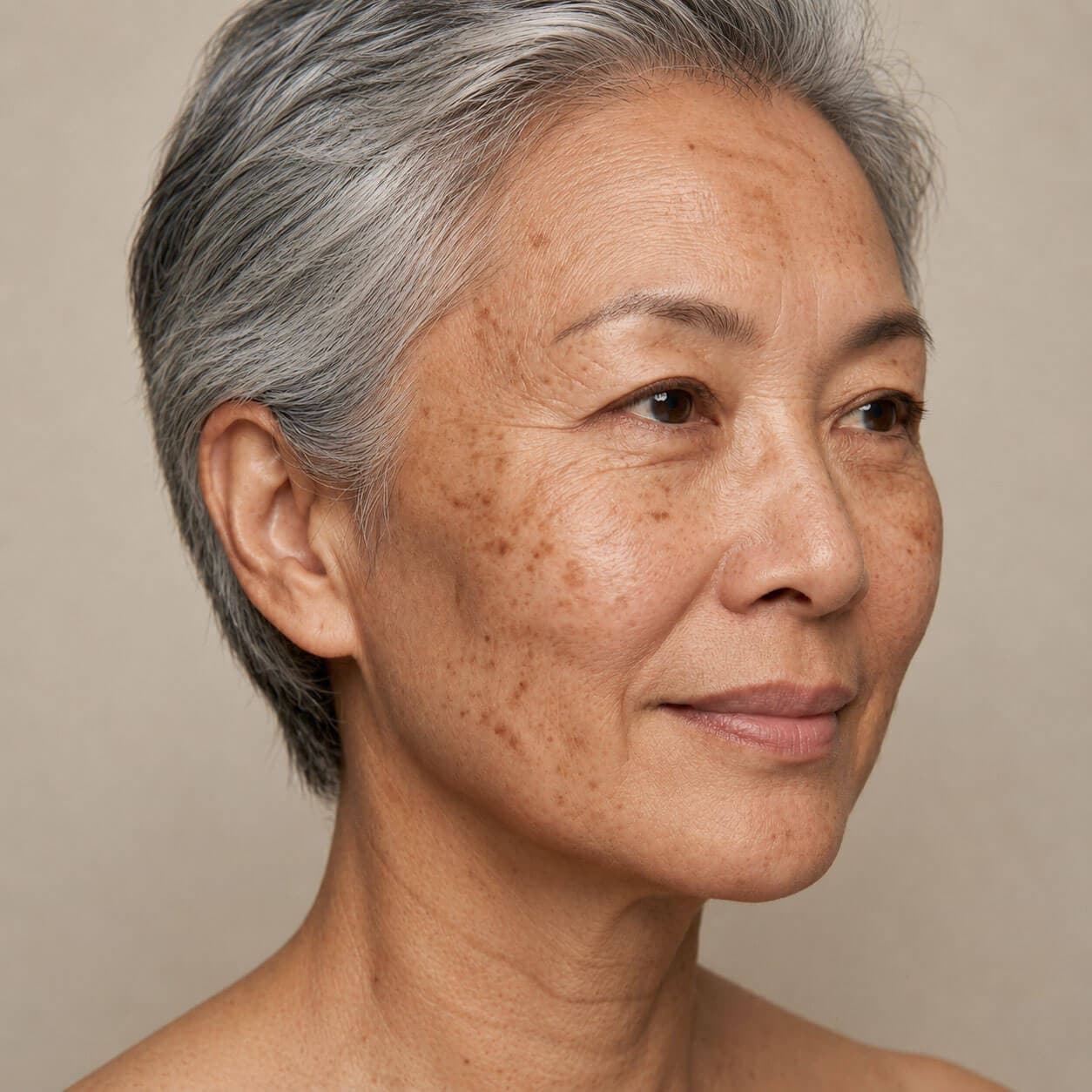
Pigmentation
Pigmentation is one of the most-asked-about, most-misunderstood skin concerns. Here's what's happening in your skin and the slow, evidence-led routine that actually fades it.

Acne scars and post-acne marks
A calm guide to what acne leaves behind: red marks, brown marks, indented scars, raised scars, and the routine that helps without making skin angrier.

Dry skin
Dry skin is usually a barrier problem, not simply a water problem. Here's the difference between dry and dehydrated, why it matters, and the routine that actually helps.
Sensitive skin
"Sensitive" is a symptom, not a diagnosis. Learn what drives reactive skin, the routine that calms it, and what to leave out.
Related ingredients
Citations
- Bissett DL, et al. Reduction in the appearance of facial hyperpigmentation by topical N-acetyl glucosamine. J Cosmet Dermatol. 2007;6(1):20-26. — PMID 17348991
- Kimball AB, et al. Reduction in the appearance of facial hyperpigmentation after use of moisturizers with a combination of topical niacinamide and N-acetyl glucosamine: results of a randomized, double-blind, vehicle-controlled trial. Br J Dermatol. 2010;162(2):435-441. — PMID 19845667
- Sayo T, Sakai S, Inoue S. Synergistic effect of N-acetylglucosamine and retinoids on hyaluronan production in human keratinocytes. Skin Pharmacol Physiol. 2004;17(2):77-83. — PMID 14976384