
Caprylic/Capric Triglyceride
A light, stable emollient made from coconut-derived medium-chain fats. Softens skin and improves cream slip without the heavy finish many plant oils leave behind.
At a glance
What Caprylic/Capric Triglyceride does for skin, and how to read the practical safety signals.
- Caprylic/capric triglyceride is an MCT-style emollient — fractionated coconut oil chemistry listed in cosmetic INCI form.
- Helps moisturisers spread smoothly and feel lighter than many heavier plant oils.
- Best judged inside the full formula with humectants and barrier support, not as a solo face oil for every skin type.
- Type
- Emollient
- Rating
- Pregnancy
- Considered safe
- Comedogenic rating
- 1/5 (Low clogging risk)
- Vegan
- Yes
- Suited skin types
- All skin types
On this page
The short answer
Caprylic/capric triglyceride is the INCI name for a light MCT-style emollient — the cosmetic form of what many people know as fractionated coconut oil chemistry.
It helps moisturisers and creams:
- spread smoothly
- feel softer on skin
- deliver lipids without the heavy, greasy finish some plant oils leave behind
It is not a retinoid. It is not a pore treatment. It is the comfortable lipid phase that makes a night cream feel like something you will actually use on night forty-three.
What the evidence actually shows
Cosmetic safety. A 2022 amended Cosmetic Ingredient Review safety assessment of triglycerides as used in cosmetics, including caprylic/capric triglyceride, reported them safe under current use practices[1]. That is the baseline trust question for an everyday emollient.
Stratum corneum interaction. A 2023 study[2] tested an emollient emulsion containing 15% caprylic/capric triglyceride and measured effects on stratum corneum urocanic acid — a marker tied to how the outer skin layer behaves under formulation stress. The takeaway for readers is not memorising urocanic acid. It is simpler: this emollient does measurable work at the skin surface, more than cosmetic slip in the jar.
Why emollients matter in moisturisers. A classic moisturiser review[3] explains that healthy-looking stratum corneum depends on combining humectants and emollients so water is held in the skin rather than evaporating away. Caprylic/capric triglyceride fits the emollient side of that equation — especially when you want softness without heaviness.
How it differs from coconut oil and heavier oils
Regular coconut oil is richer, more occlusive, and more likely to feel heavy on oily or easily congested skin.
Caprylic/capric triglyceride is the lighter fraction — useful when a formula needs:
- slip and spreadability
- a non-greasy skin feel
- emollience inside a water-based cream that also carries glycerin, sodium hyaluronate, and actives
It often appears beside arachidyl alcohol and squalane in more nourishing creams. Think of it as texture intelligence, not luxury oil marketing.
Where it fits in a routine
Caprylic/capric triglyceride needs no special technique:
- Night moisturisers are the most common home.
- Works alongside retinol, niacinamide, and panthenol without a famous clash.
- Especially useful for dry or sensitive skin that wants comfort without a balm-heavy finish.
Pure MCT oil exists, but most people do better with a balanced cream. Humectants, barrier support, and actives still matter. Oil alone is rarely a routine.
When it will not help
This emollient will not clear acne, replace SPF for signs of ageing, or fix a routine built on harsh cleansing and zero moisturiser.
If your skin hates every oil, patch test the full product — not the emollient name on a blog.
The practical takeaway
My goal with this guide was to gather the useful science on caprylic/capric triglyceride in one place, so you can stop hunting for the next clever fix and do the simple, effective things your skin actually needs.
That is also why I made the Danish Skin Care Kit: a calm routine built around documented ingredients, and one that has helped more than 100,000 people with problem skin. If even the smallest question is still nagging you, send me an email at info@danishskincare.com.
Common questions
Is caprylic/capric triglyceride the same as coconut oil?
Related, but not identical. It is usually made from fractionated coconut oil fats — the lighter MCT portion — refined into a stable cosmetic emollient. Regular coconut oil is heavier and more occlusive.
Is MCT oil comedogenic?
Generally considered low to mild comedogenic concern in standard references, but acne-prone skin should still judge the full moisturiser, not one emollient in isolation.
Can oily skin use caprylic/capric triglyceride?
Often yes. It is lighter than many plant oils and helps creams spread without a greasy mask feeling. Still patch test if you are very congestion-prone.
Reading a real label?
Scan a product to see how it is formulated
Upload a photo of the ingredient list and get a quick ingredient-by-ingredient read against the evidence-led database.
Found in these Danish Skin Care products

Caprylic/capric triglyceride softens the night cream emollient phase around retinol, urea, glycerin, and sodium hyaluronate in both variants.

The Kit includes this emollient in the Moisturizer so overnight hydration feels light enough for daily use.
Skin conditions it actively helps with
Where the published evidence puts Caprylic/Capric Triglyceride on the short list of active ingredients worth reaching for.

Dry skin
Dry skin is usually a barrier problem, not simply a water problem. Here's the difference between dry and dehydrated, why it matters, and the routine that actually helps.
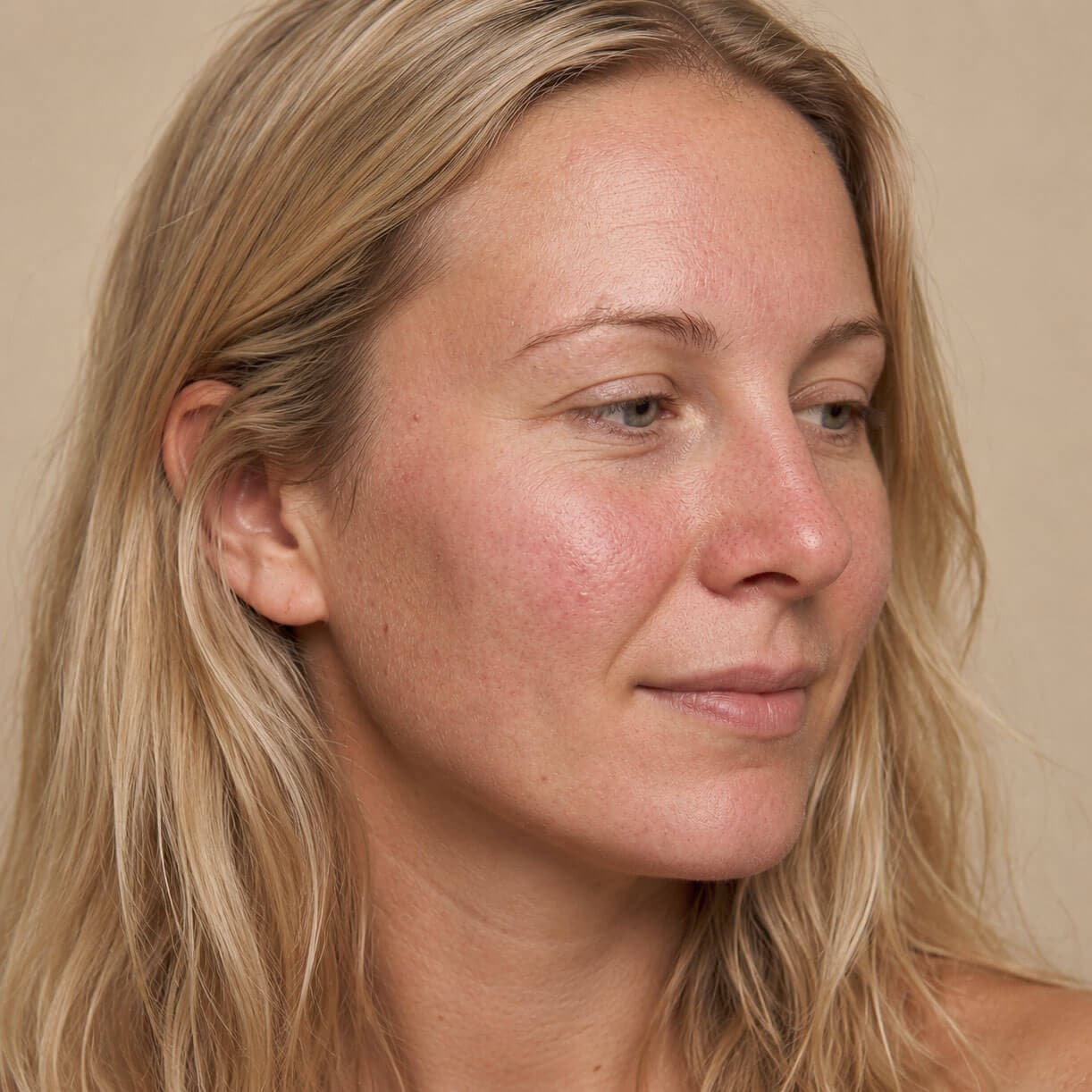
Sensitive skin
"Sensitive" is a symptom, not a diagnosis. Learn what drives reactive skin, the routine that calms it, and what to leave out.

Signs of ageing
Wrinkles, sallowness, slack tone, and uneven pigment all share the same drivers. Here's the unglamorous routine that genuinely slows them.
Related ingredients
Citations
- Johnson W Jr, Bergfeld WF, Belsito DV, et al. Amended Safety Assessment of Triglycerides as Used in Cosmetics. Int J Toxicol. 2022;41(3_suppl):71S-130S. — PMID 36189772
- de Souza Neto AV, Balla DQ, Candido TM, et al. Effect of an Emollient Emulsion Containing 15.0% of Caprylic/Capric Triglyceride on the Urocanic Acid of the Stratum Corneum. Life (Basel). 2023;13(4):892. — PMID 37109405
- Draelos ZD. Therapeutic moisturizers. Dermatol Clin. 2000;18(4):597-607. — DOI 10.1016/S0733-8635(05)70210-2